What Breeding Smaller Costs a Maltipoo
The desire for an impossibly small, dainty Maltipoo is completely understandable. These tiny pups are undeniably adorable, fitting snugly into a purse and promising a miniature companion. However, the truth is that breeding for extreme smallness often comes with a steep price—not just in terms of purchase cost, but in the long-term health and wellbeing of these delicate dogs. This guide will meticulously unpack the health implications and lifelong challenges that frequently accompany a Maltipoo bred to be particularly tiny, offering a realistic look at the true cost of chasing micro-size.
The Allure and Reality of "Teacup" Maltipoos
The term "teacup" has a magical ring to it, conjuring images of a tiny, perfect puppy that fits in the palm of your hand. For many prospective Maltipoo owners, this image is exactly what they’re searching for. However, this romantic notion often masks a more complex and concerning reality regarding their health and longevity.
Understanding the "Teacup" Label
Let's be clear about one thing right off the bat: "teacup" is not a recognized breed size by any major kennel club or veterinary association. It's a marketing term, pure and simple, used by breeders to describe Maltipoos that are significantly smaller than the standard toy size. While a typical Maltipoo might weigh anywhere from 5 to 15 pounds, a "teacup" is usually marketed as weighing under 5 pounds, sometimes even under 3 pounds, as an adult. The allure of these minuscule pups is powerful, but this pursuit of extreme smallness often means pushing the genetic boundaries of what's healthy for a dog. These aren't just smaller versions of healthy dogs; they often come with a host of inherent health risks directly related to their diminutive stature. When you see a breeder advertising a "teacup" Maltipoo, understand that you're likely looking at a dog that has been selectively bred from the smallest possible parents, which often means breeding runts or dogs with certain genetic predispositions to small size that may also carry health liabilities.
The Ethical Dilemma of Smallness
The motivation behind breeding "teacup" Maltipoos is almost always commercial. There's a high demand for these tiny dogs, and unscrupulous breeders can command premium prices for them. However, this focus on size over health raises significant ethical questions. To achieve such small sizes, breeders might resort to breeding the smallest dogs in a litter, even if they are runts with underlying health issues, or repeatedly breeding dogs with known dwarfism genes. This practice prioritizes aesthetics and profit over the welfare of the animals involved. The parent dogs, particularly the tiny females, face immense risks during pregnancy and whelping. Their small frames are not naturally equipped to carry and birth puppies, often leading to complications, emergency C-sections, and even loss of life for the mother or puppies. Furthermore, the puppies themselves, born so small, are incredibly fragile and vulnerable during their first weeks of life. Many do not survive, or they grow up with chronic health problems that impact their entire existence, leading to heartbreaking situations for their eventual owners.
Skeletal and Structural Vulnerabilities
One of the most immediate and tangible costs of breeding smaller Maltipoos manifests in their skeletal and structural integrity. A tiny frame might look delicate and beautiful, but it's often far less robust than that of a larger dog, predisposing them to a range of orthopedic and neurological issues.
Fragile Bones and Joint Issues
When a Maltipoo is bred to be extremely small, their bones often become disproportionately delicate. This isn't just about being petite; it often means reduced bone density and a higher susceptibility to fractures. A fall from a sofa, a misstep during play, or even a clumsy hug from a child can result in a broken leg or other severe injury. It's a constant source of anxiety for owners, who must take extraordinary precautions to ensure their tiny companion's safety. Beyond simple fractures, these small dogs are highly prone to orthopedic problems. One of the most common issues is patellar luxation, more commonly known as Slipping Kneecaps in a Maltipoo. This condition occurs when the kneecap (patella) slips out of its normal groove. While it can affect Maltipoos of all sizes, it's significantly more prevalent and often more severe in smaller dogs due to their finer bone structure and shallow patellar grooves.
The consequences range from a noticeable skip in their walk to debilitating lameness and chronic pain, often requiring expensive surgical intervention to correct. Another serious orthopedic condition that disproportionately affects smaller breeds, including Maltipoos, is Legg-Calve-Perthes disease. This condition involves the spontaneous degeneration of the head of the femur bone in the hip joint, leading to pain, lameness, and eventual arthritis. While genetics play a role, the selective breeding for small size can exacerbate predispositions to these kinds of joint instabilities, making life a painful ordeal for many tiny Maltipoos. Owners often find themselves facing thousands of dollars in veterinary bills for corrective surgeries and ongoing pain management, a heavy price to pay for extreme smallness.
Cranial Concerns
The skull of an extremely small Maltipoo can also present significant vulnerabilities. Unlike larger dogs whose skull plates fuse solidly early in life, many "teacup" Maltipoos retain an open fontanel, often referred to as a "soft spot." This is similar to the soft spot found on human infant heads, but in dogs, it should close completely within the first few months of life. For tiny Maltipoos, this soft spot may never fully close, leaving a vulnerable area on their head where the brain is only protected by skin and a thin membrane. A minor bump or fall, which a larger dog would easily shrug off, can become a life-threatening traumatic brain injury for a Maltipoo with an open fontanel.
Beyond this external vulnerability, an open fontanel can sometimes be an indicator of a more serious internal issue: hydrocephalus. This condition, often termed "water on the brain," occurs when there's an abnormal accumulation of cerebrospinal fluid within the brain's ventricles. The brain of a tiny Maltipoo, already delicate, struggles to cope with the increased pressure, leading to a range of neurological symptoms. These can include a domed head, uncoordinated movements, seizures, blindness, and behavioral changes. While not every Maltipoo with an open fontanel will develop hydrocephalus, the risk is considerably higher in dogs bred for extreme smallness. Diagnosing and managing hydrocephalus is complex and can require ongoing medication, specialized veterinary care, and even shunt surgery, all of which represent a considerable financial and emotional burden on owners, not to mention the compromised quality of life for the affected dog.
Metabolic and Internal Organ Challenges
Beyond the visible structural issues, the internal workings of a tiny Maltipoo can also be compromised. The quest for smallness often leads to underdeveloped or poorly functioning organs, presenting a unique set of metabolic challenges that can be life-threatening if not managed meticulously.
Hypoglycemia: A Constant Threat
One of the most critical health issues for very small Maltipoos, especially puppies, is hypoglycemia, or dangerously low blood sugar. Their tiny bodies have very little fat reserve and a less efficient liver for storing glycogen, which is the body's primary energy source. This means they burn through their energy stores incredibly quickly and are highly susceptible to sudden drops in blood glucose levels. This is why it's vital to understand Hypoglycemia and the Teacup Maltipoo Puppy and why Why a Two Pound Maltipoo Cannot Skip a Meal is not just a recommendation, but a critical life-saving directive.
A tiny Maltipoo puppy can go from seemingly normal to lethargic, wobbly, and even unconscious in a surprisingly short amount of time if they miss a meal, get too stressed, or expend too much energy playing. Recognizing What a Hypoglycemic Episode Looks Like in a Maltipoo is paramount for any owner of a small puppy. Symptoms can include weakness, excessive drooling, trembling, staggering, disorientation, and even seizures or coma. Owners must be constantly vigilant, ensuring frequent, small meals throughout the day and even overnight for very young or tiny pups. Keeping a fast-acting sugar source, like Nutri-Cal or Karo syrup, on hand is non-negotiable for emergency situations. This constant need for monitoring and intervention places immense pressure on owners and profoundly impacts the puppy's early months, dictating feeding schedules and limiting strenuous play.
Liver Shunts and Their Impact
Another serious internal health concern seen more frequently in small breeds, including Maltipoos, is a portosystemic shunt, commonly known as a liver shunt. This condition involves an abnormal blood vessel that allows blood to bypass the liver, preventing it from being detoxified. The liver plays a crucial role in filtering toxins from the blood, processing nutrients, and producing essential proteins. When blood bypasses the liver, toxins accumulate in the bloodstream, leading to a range of neurological and gastrointestinal symptoms. This is a condition that The Liver Shunt a Maltipoo Can Inherit From the Maltese side of their lineage can unfortunately predispose them to.
Symptoms of a liver shunt can vary widely but often include stunted growth, poor appetite, lethargy, vomiting, diarrhea, behavioral changes (like circling or pressing their head against a wall), and even seizures, particularly after eating. Diagnosis usually involves specialized blood tests, such as bile acid tests, and imaging like ultrasound. Treatment can involve a special diet and medications to manage symptoms, but often, surgical correction is the most effective long-term solution. Shunt surgery is a complex and expensive procedure that requires a specialist veterinary surgeon. Even with successful surgery, some dogs may require lifelong dietary management and medication. The potential for such a serious, life-altering condition is a significant hidden cost when acquiring a tiny Maltipoo, highlighting the importance of thorough health screening of parents by responsible breeders.
Compromised Organ Development
The breeding for extreme smallness can also inadvertently lead to a general compromise in the development and function of other vital internal organs. While not as commonly discussed as hypoglycemia or liver shunts, tiny Maltipoos may experience issues with their kidneys, heart, and even their immune system due to the genetic selection for size above all else. For instance, tiny kidneys may not function as efficiently, leading to issues with waste filtration and overall renal health. This can potentially manifest as chronic kidney disease later in life, requiring specialized diets and ongoing medical management.
Similarly, though Maltipoos are generally considered relatively healthy in terms of cardiac issues, some anecdotal evidence suggests that extremely small individuals might be more prone to certain heart abnormalities or develop issues like mitral valve disease earlier than their larger counterparts. It's a question many owners ponder: Whether a Maltipoo Gets Heart Disease is a risk they need to understand. These organs, simply put, might not have developed to their full potential or may be less robust in a body pushed to be unnaturally small. The impact might not be immediately apparent in puppyhood but can contribute to a shorter overall lifespan and a greater susceptibility to various illnesses as they age. This highlights the delicate balance of genetics and development, a balance that can be easily disrupted when breeders prioritize one trait, like size, without considering the broader health implications for the entire animal.
Respiratory and Dental Problems
The small stature of a "teacup" Maltipoo also brings specific vulnerabilities to their respiratory system and oral health. These issues are often chronic and require ongoing management, significantly impacting the dog's comfort and the owner's veterinary expenses.
Tracheal Collapse and Respiratory Distress
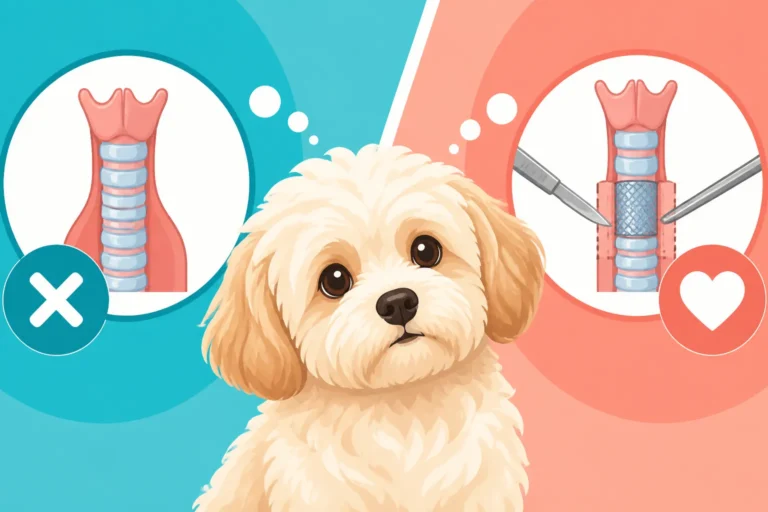
One of the most heartbreaking and common issues in tiny toy breeds like the Maltipoo is tracheal collapse. This condition involves the weakening and flattening of the tracheal rings, the cartilage that holds the windpipe open. Instead of a firm, open tube, the trachea can become constricted, making it difficult for the dog to breathe. This is a significant concern, falling under the broader umbrella of conditions like Collapsing Trachea in a Maltipoo's Neck. The smaller and more delicate the dog, the more prone they often are to this condition.
Symptoms typically include a dry, honking cough that often worsens with excitement, exercise, or when pressure is applied to the neck. In severe cases, a dog might experience respiratory distress, characterized by labored breathing, gasping, or even fainting. Managing tracheal collapse often involves avoiding neck collars (which is why Why a Maltipoo Should Never Wear a Collar is crucial advice, favoring harnesses instead), medication to reduce inflammation and suppress coughing, weight management, and in some severe cases, surgical intervention to stent the trachea. This is a lifelong condition that requires constant vigilance and can severely limit a dog's activity levels and overall quality of life, adding another layer of complex care for dedicated owners.
Overcrowded Mouths and Dental Disease
While perhaps not as immediately life-threatening as some other conditions, dental disease is a pervasive and extremely costly problem for tiny Maltipoos. Their small jaws simply don't have enough space to accommodate all 42 adult teeth that a dog typically develops, leading to severe overcrowding. This is the reality of The Forty Two Teeth Crowding a Maltipoo's Jaw. When teeth are packed too closely together, food particles and bacteria become easily trapped, creating a perfect environment for plaque and tartar accumulation.
Furthermore, many tiny Maltipoos retain their deciduous (baby) teeth even after the adult teeth have erupted, creating a "double row" of teeth. These retained baby teeth push adult teeth into abnormal positions, exacerbating overcrowding and making effective cleaning nearly impossible. The result is an accelerated progression of periodontal disease, which includes gingivitis (inflammation of the gums) and periodontitis (destruction of the tissues supporting the teeth). Without diligent daily care, small Maltipoos can develop severe dental disease by just 2 or 3 years of age, leading to pain, infection, tooth loss, and even systemic health issues as bacteria from the mouth can enter the bloodstream and affect organs like the heart and kidneys. Regular professional dental cleanings under anesthesia are essential, often starting much earlier and needed more frequently than in larger breeds. This is why Brushing a Maltipoo's Teeth Every Single Day is a non-negotiable part of their routine, yet even with the best home care, professional cleanings, often involving extractions, are usually inevitable, and these procedures can run into thousands of dollars.
Thermoregulation and Anesthesia Risks
The miniature size of "teacup" Maltipoos also comes with distinct challenges regarding their ability to regulate body temperature and their vulnerability during medical procedures requiring anesthesia. These factors add another layer of concern and complexity to their care.
Difficulty Regulating Body Temperature
One of the less obvious but significant costs of being tiny is the struggle with thermoregulation. Smaller animals have a higher surface area to volume ratio compared to larger animals. This means they lose body heat much more rapidly than their larger counterparts, making them particularly susceptible to feeling cold, even indoors. It's not uncommon to wonder Why a Maltipoo Shivers Indoors, and often, the answer is simply that they're cold.
Their delicate systems are not as efficient at maintaining a stable core body temperature, especially in cooler environments. Owners of tiny Maltipoos often find themselves turning up the thermostat, outfitting their pups in sweaters or cozy blankets, and providing snug, warm beds. Conversely, in hot weather, their tiny bodies can overheat just as quickly because they can't dissipate heat as effectively. They require careful monitoring to prevent heatstroke. This constant need to manage their environment impacts an owner's lifestyle, limiting outdoor adventures in extreme weather and requiring careful consideration of their comfort at all times. This vulnerability means they are always at risk if left in a cold draft or exposed to even moderately chilly conditions for too long, making proper climate control a perpetual concern.
Anesthesia: A Major Concern
Perhaps one of the most critical and frightening risks associated with owning an extremely small Maltipoo is their heightened vulnerability to anesthesia. Due to their diminutive size, delicate organ systems, and often reduced physiological reserves, small dogs face significantly increased risks during any procedure requiring sedation or general anesthesia. This is a serious consideration for routine procedures like dental cleanings, spaying/neutering, or even minor surgeries. The question of Whether a Maltipoo Under Five Pounds Can Be Anesthetized safely is a valid and concerning one for many owners.
Administering the correct dosage of anesthetic drugs to a tiny dog requires extreme precision and experience. Their small bodies process medications differently, and there's a much narrower margin for error. Over-sedation or an adverse reaction can quickly become life-threatening. Furthermore, maintaining their body temperature, blood pressure, and oxygen levels during anesthesia is challenging. They are prone to hypothermia and hypoglycemia during and after procedures. As a result, tiny Maltipoos often require specialized anesthetic protocols, constant monitoring by dedicated veterinary staff, and sometimes even specialist veterinary facilities, all of which come with a significantly higher cost. This means that even essential health procedures carry a magnified risk, adding immense stress and financial burden to owners who are simply trying to provide necessary medical care for their beloved companions.
Lifespan and Quality of Life
The myriad health challenges faced by tiny Maltipoos inevitably raise questions about their overall lifespan and, more importantly, their quality of life. The desire for a miniature dog often comes with the hidden cost of compromised health and a shortened, more medically intensive existence.
Is a Shorter Lifespan Inevitable?
While Maltipoos generally enjoy a healthy lifespan of The Twelve to Fifteen Years a Maltipoo Lives, this figure can be significantly skewed downwards for those bred for extreme smallness. The accumulation of health issues—from chronic hypoglycemia and fragile bones to liver shunts, tracheal collapse, and severe dental disease—places an immense strain on a tiny dog's system. Each condition, whether congenital or acquired due to their size, chips away at their vitality and longevity. A "teacup" Maltipoo might spend a considerable portion of its life managing these conditions, undergoing frequent vet visits, and enduring various treatments. The reality often clashes sharply with the carefree image presented by breeders. While a breeder might promise a long life, the truth is that What Breeding Smaller Costs a Maltipoo often includes a potentially shorter lifespan filled with health struggles.
The constant vigilance required, the delicate nature of their bodies, and the heightened risks during routine medical procedures mean that these dogs face an uphill battle from day one. Many simply do not live as long as their larger, more robust counterparts, succumbing to complications related to their inherent vulnerabilities. It's a somber reality that the pursuit of extreme smallness can, in essence, trade years of healthy life for a fleeting aesthetic.
The Emotional and Financial Toll on Owners
The costs associated with owning a tiny Maltipoo extend far beyond the initial purchase price; they encompass a significant emotional and financial toll on the owners. Living with a dog that is prone to so many potential health issues means constant worry. Every cough, every skipped meal, every clumsy step can trigger anxiety about potential emergency vet visits or a worsening chronic condition. This level of vigilance can be exhausting and emotionally draining, as owners constantly strive to protect their fragile companions.
Financially, the burden can be astronomical. The frequent vet check-ups, specialized diets, medications for chronic conditions like tracheal collapse or liver shunts, and the potentially multiple surgeries for things like luxating patellas or severe dental disease can quickly add up to tens of thousands of dollars over a dog's lifetime. For instance, a single patellar surgery can easily cost $2,000-$5,000 per knee, and many tiny dogs need both knees addressed. Dental procedures with multiple extractions, pre-anesthetic bloodwork, and specialized monitoring can also run into the thousands annually. This is where a robust pet insurance plan can become an absolute lifesaver. Companies like Healthy Paws offer comprehensive coverage that can help offset these unforeseen, but often inevitable, veterinary expenses. Having the peace of mind that a significant portion of these costs will be covered by a provider like Healthy Paws allows owners to make healthcare decisions based on what's best for their pet, rather than solely on their financial capacity. While no insurance covers pre-existing conditions, enrolling a healthy puppy early with a plan like Healthy Paws can provide a crucial safety net for future health challenges, which are sadly more probable for ultra-small Maltipoos. Without it, many families face devastating choices when their beloved, tiny friend inevitably requires extensive medical intervention.
Making an Informed Choice
Understanding the full scope of what breeding smaller costs a Maltipoo is crucial for anyone considering adding one of these delightful dogs to their family. The decision should always be rooted in a commitment to responsible pet ownership and a clear understanding of the potential challenges ahead.
Choosing a Reputable Breeder
The most impactful decision you can make when acquiring any puppy, especially a Maltipoo, is choosing a reputable breeder. This choice dramatically influences the likelihood of your puppy inheriting debilitating health conditions. A responsible breeder will never prioritize extreme smallness over health and temperament. They will focus on producing healthy, well-socialized puppies within the standard size ranges for a toy breed.
When evaluating breeders, look for those who are transparent about their breeding practices and the health history of their parent dogs. They should readily provide health clearances and genetic testing results for both the Maltese and Poodle parents, screening for conditions common in both breeds, such as patellar luxation, liver shunts, and eye conditions. Don't be shy about asking for specific documentation; a good breeder will appreciate your diligence. They should also provide The Four Certificates a Maltipoo Breeder Should Show as proof of these tests. Be wary of any breeder who advertises "teacup" or "micro" Maltipoos as a primary selling point, offers no health guarantees, or pressures you into a sale. A reputable breeder will also be keen to interview you, ensuring their puppies go to suitable, loving homes, and will offer ongoing support throughout your dog's life. Remember, a higher price for a responsibly bred puppy is an investment in health, potentially saving you far more in vet bills and heartache down the road.
Prioritizing Health Over Size
Ultimately, the most profound message here is the importance of prioritizing health over size. While a tiny Maltipoo can be incredibly endearing, the medical reality often means a life fraught with challenges for the dog and significant stress and expense for the owner. A Maltipoo that falls within the more standard toy size range (typically 5-15 pounds as an adult) is generally a much healthier, more robust, and ultimately happier companion. These dogs are less prone to the extreme versions of the health issues discussed, offering a better chance at a long, fulfilling life with fewer medical interventions.
When you choose a Maltipoo that hasn't been bred for extreme smallness, you're not just choosing a dog; you're choosing a reduced risk of fragile bones, chronic hypoglycemia, severe dental problems, and life-threatening anesthesia complications. You're choosing a dog that can enjoy playtime without constant fear of injury and one that might require less specialized environmental control. The true joy of a Maltipoo lies in their charming personality, their affectionate nature, and their companionship, not in their ability to fit into a teacup. By making an informed decision and selecting a healthy, responsibly bred Maltipoo, you set both yourself and your future furry family member up for the best possible life together.
Disclaimer
This article is intended for informational purposes only and is not a substitute for professional veterinary advice. Always consult with a qualified veterinarian regarding your Maltipoo's health and any medical conditions.