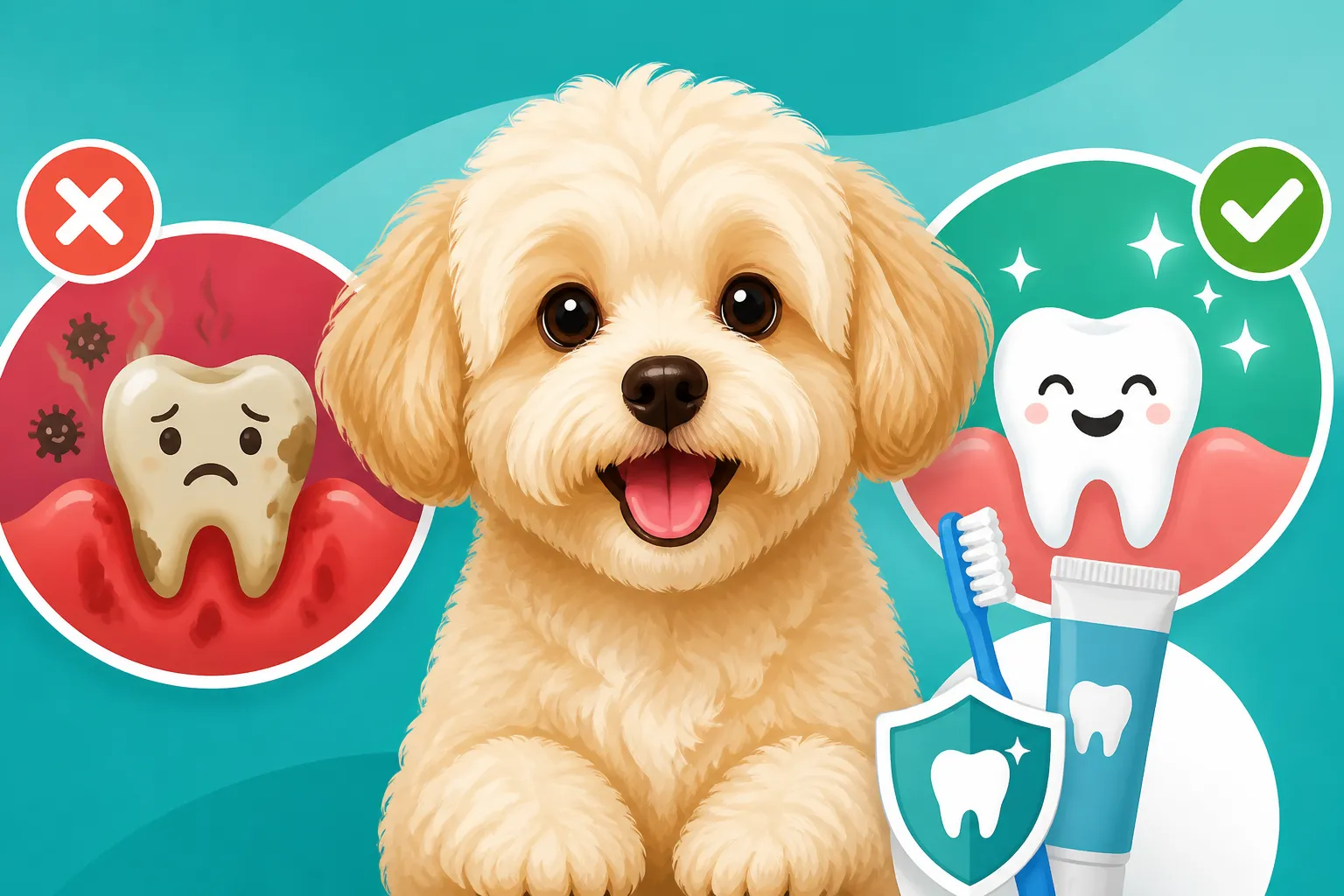
Whether a Maltipoo’s Dental Disease Can Be Prevented
It’s a familiar story for many Maltipoo parents: you bring home this adorable, fluffy bundle of joy, completely smitten, only to learn later about the potential dental landmines lurking in their tiny mouths. The thought of your sweet companion facing painful extractions or gum disease is enough to make any owner anxious, especially when you feel like you're constantly fighting a losing battle against plaque and tartar. This guide is here to shed light on why Maltipoos are so susceptible to dental issues and, more importantly, to arm you with practical, realistic strategies to prevent dental disease, saving your Maltipoo discomfort and you a significant amount in vet bills down the line.
Why Maltipoos Face an Uphill Battle with Dental Health
If you've ever wondered why your tiny Maltipoo seems to get dental issues faster than a larger dog, you're not imagining things. There are very real anatomical and genetic reasons why our small companions are predisposed to a lifetime of potential oral health challenges. It’s not about poor care (though that certainly doesn't help); it's often about their very biology.
The Forty Two Teeth Crowding a Maltipoo's Jaw
Imagine trying to fit a standard set of 42 adult teeth into a jaw that's designed for a much smaller dog. That's essentially the predicament many Maltipoos face. Their mouths are simply not built to comfortably house such a number of teeth, leading to severe overcrowding. When teeth are crammed together, they create tiny crevices and overlapping surfaces that are incredibly difficult to clean, even with diligent brushing. Food particles and bacteria get trapped in these tight spaces, forming plaque that quickly hardens into tartar. This environment is a breeding ground for gum inflammation (gingivitis) and eventually, periodontal disease. It's a fundamental challenge that means dental care needs to be exceptionally proactive for these little guys. The genetics of The Forty Two Teeth Crowding a Maltipoo's Jaw play a huge role in this.
Retained Baby Teeth and Their Impact
Another common issue for Maltipoos is retained deciduous (baby) teeth. In larger breeds, it's typical for puppy teeth to fall out as the adult teeth erupt, pushing them out naturally. However, in small breeds like Maltipoos, those tiny baby teeth often stubbornly refuse to budge. This results in two teeth trying to occupy the same space – the adult tooth coming in right next to the baby tooth it should have replaced. This "double-row" of teeth is a major problem. Not only does it exacerbate the overcrowding issue, but it also creates additional pockets where food and bacteria can collect, accelerating plaque and tartar buildup. Your vet might suggest extracting these retained baby teeth during your Maltipoo's spay or neuter surgery, and it's a recommendation worth taking seriously. For more on this, you might be interested in Why a Maltipoo's Baby Teeth Do Not Fall Out.
The Reality of Small Dog Mouths
Beyond the overcrowding and retained teeth, the very nature of a small dog's mouth contributes to their dental vulnerability. They often have proportionally smaller roots for their teeth, making them less stable. Their immune systems can also react more intensely to the presence of plaque and tartar, leading to faster progression of gum disease. This isn't just about bad breath; periodontal disease can lead to chronic pain, tooth loss, and even systemic health issues as bacteria from the mouth enter the bloodstream and impact organs like the heart and kidneys. It underscores why preventative care isn't just a suggestion, but a critical component of your Maltipoo's overall health strategy.
The Cornerstones of a Proactive Dental Care Routine
Given the challenges, a reactive approach to dental health simply won't cut it for a Maltipoo. We need to be proactive, consistent, and well-equipped to keep those tiny pearly whites in the best possible condition. This means establishing a routine from day one that addresses their specific needs.
Daily Brushing: The Non-Negotiable Habit
Let's be real: daily tooth brushing might sound daunting, even impossible, especially with a wiggly Maltipoo puppy. But for small breeds, it truly is the single most effective way to prevent plaque from hardening into tartar. Once tartar forms, you can't brush it off; only a professional veterinary cleaning under anesthesia can remove it. So, our goal with brushing is to remove that soft plaque every day. Start slow, make it positive, and use a pet-specific toothpaste (never human toothpaste, which contains xylitol and fluoride that are toxic to dogs). A routine of 2-3 minutes, gently brushing all surfaces of the teeth, can make an enormous difference. Even if you miss a day here and there, consistency over time is what counts. You can learn more about the frequency in How Often a Maltipoo's Teeth Need Brushing.
The Right Tools for a Maltipoo's Mouth
Choosing the right tools for your Maltipoo's dental care is crucial. Their mouths are small, so a large, stiff toothbrush designed for a golden retriever simply won't work. Look for:
- Finger Brushes: These slip over your finger and are great for getting puppies or nervous dogs accustomed to having their mouths handled.
- Small, Soft-Bristled Toothbrushes: Specifically designed for toy breeds, these brushes have tiny heads and soft bristles that can reach into those tight spaces without irritating delicate gums. Brands often have specific "small dog" or "cat" brushes that work well.
- Enzymatic Pet Toothpaste: These toothpastes are formulated to be swallowed and contain enzymes that help break down plaque even after brushing. They come in appealing flavors like poultry or beef, which can make the experience more palatable for your Maltipoo.
You can find these special brushes and pet-safe toothpastes at any well-stocked pet supply store, like Chewy, or even on Amazon. Investing in a good quality kit specifically for small dogs will set you up for success. For more help finding the right gear, check out The Brush and Paste That Fit a Maltipoo's Mouth.
Routine Oral Inspections at Home
Beyond daily brushing, make it a habit to regularly inspect your Maltipoo's mouth. This helps you catch early signs of trouble and gets your dog accustomed to having their mouth examined, which will be helpful during vet visits. What should you look for?
- Red, Swollen Gums: This is a classic sign of gingivitis. Healthy gums should be a pale pink.
- Bad Breath: While "dog breath" is a thing, unusually foul or persistent bad breath often indicates bacterial overgrowth.
- Tartar Buildup: Yellowish-brown crust on the teeth, especially near the gum line, is tartar. It's often most visible on the back molars and canines.
- Loose or Missing Teeth: This is a sign of advanced periodontal disease.
- Reluctance to Eat or Chew: If your Maltipoo suddenly becomes picky with hard kibble or stops playing with chew toys, dental pain might be the culprit.
Spotting these issues early can prevent them from escalating into more serious and painful problems. Regular home checks mean you can address concerns with your vet before they become emergencies.
Dietary Choices and Supplemental Support for Dental Health
What your Maltipoo eats, and what you offer them as treats, can also play a role in their dental well-being. While no diet completely replaces brushing, some choices are certainly better than others for maintaining oral hygiene.
Kibble vs. Wet Food vs. Raw: What's Best for Teeth?
The debate about the "best" food for dogs is a long one, but when it comes to dental health, there are some generally accepted principles:
- Dry Kibble: For many years, veterinarians recommended dry kibble as it was believed the crunching action helped scrape plaque off teeth. While some premium dental-specific kibbles are designed with larger, fibrous pieces that mechanically clean teeth, standard kibble offers minimal dental benefits. In fact, if not formulated carefully, it can even contribute to plaque if small pieces get stuck in overcrowded teeth.
- Wet Food: While highly palatable, wet food tends to stick to teeth more readily than dry food, offering no abrasive action. If your Maltipoo eats wet food exclusively, daily brushing becomes even more critical.
- Raw Diets: Proponents of raw diets often claim that raw meaty bones help clean teeth naturally. While the act of gnawing on appropriate raw bones can provide some cleaning, there are risks involved, including fractured teeth, choking hazards, and bacterial contamination. Consult your vet before considering raw feeding, and always supervise your Maltipoo closely.
Ultimately, a balanced, high-quality diet that suits your Maltipoo's nutritional needs is paramount. If you choose wet or fresh food (like those offered by Ollie, which prioritize fresh ingredients), be extra vigilant with brushing. Some owners swear by specialized dental diets, often found through veterinary clinics or reputable online retailers like Chewy.
Dental Chews and Water Additives: Do They Really Help?
In addition to brushing, many owners turn to dental chews and water additives as supplementary tools. But how effective are they?
- Dental Chews: The effectiveness of dental chews varies wildly. Look for chews that are specifically endorsed by veterinary dental organizations. These are often designed to mechanically scrub teeth and/or contain ingredients that inhibit plaque formation. However, even the best dental chew is a supplement, not a replacement for brushing. They should be appropriately sized for your Maltipoo to ensure safety and effectiveness, and you should always supervise your dog while they're enjoying a chew. You can find many options on platforms like Amazon. For a deeper dive, read Whether Dental Chews Do Anything for a Maltipoo.
- Water Additives: These products are poured into your Maltipoo's drinking water and claim to reduce bacteria and plaque. While some studies show they can offer mild benefits by reducing bacteria in the mouth, they are generally considered the least effective dental preventative. They work best as part of a multi-faceted approach, alongside brushing and professional cleanings. Consider these an added layer of defense, not a standalone solution. Find more information on Whether Water Additives Help a Maltipoo.
Think of these aids as extra credit, not the core curriculum. They can provide a little boost, but they won't save you from the need for manual cleaning or professional care.
Understanding Professional Dental Cleanings for Your Maltipoo
Despite your best efforts with home care, virtually all Maltipoos will eventually need professional dental cleanings under anesthesia. This is a critical part of preventing advanced dental disease and ensuring their long-term oral health. It can feel daunting, but understanding the process can help ease your mind.
When to Schedule Your Maltipoo's First Dental
The timing for a Maltipoo's first professional cleaning can vary, but many small breeds show signs of tartar buildup as early as two or three years old. Some might even need it sooner, especially if they have significant overcrowding or retained baby teeth that were not removed earlier. Your veterinarian will assess your Maltipoo's mouth during their The Yearly Checks a Maltipoo Should Get and advise you when a cleaning is warranted. Don't wait until there's visible brown gunk on every tooth or your Maltipoo is showing signs of pain. Early intervention can prevent minor issues from becoming major health crises. If you want to know What Tartar Looks Like on a Maltipoo, your vet can show you during a routine exam.
Understanding the Procedure and Anesthesia Concerns
A professional dental cleaning for a Maltipoo is a comprehensive procedure that requires general anesthesia. This allows the veterinary team to thoroughly examine every tooth, clean above and below the gum line, polish the teeth to smooth out microscopic scratches, and take dental X-rays to assess the health of the tooth roots and jawbone – things impossible to do on an awake dog.
It's natural to be worried about anesthesia, especially with a small dog. However, modern veterinary anesthesia protocols are very safe, particularly for healthy animals. Before any procedure, your Maltipoo will undergo pre-anesthetic bloodwork to ensure their organs are functioning properly. This is crucial for small breeds. You can read more about What Pre Anesthetic Bloodwork Adds for a Maltipoo. They will also likely have an IV catheter placed for fluid support and easy access for medications, and their vital signs will be closely monitored by a trained veterinary nurse throughout the entire procedure. Discuss any concerns you have with your vet, especially regarding Whether a Maltipoo Under Five Pounds Can Be Anesthetized, as they can explain their specific safety protocols.
Post-Cleaning Care and Long-Term Maintenance
After a professional cleaning, your Maltipoo's mouth will be sparkling clean, essentially giving you a fresh start. This is the perfect time to recommit to your daily home care routine, as the cleaner the teeth are, the easier they are to keep clean. Your vet might also recommend specific post-operative care, such as a short course of antibiotics if extractions were necessary, or a pain reliever.
The frequency of subsequent cleanings will depend on how well you maintain home care and your Maltipoo's individual predisposition to plaque and tartar buildup. Some Maltipoos might need a professional cleaning every year, while others might go two or three years with excellent home care. Establishing a consistent routine of brushing, appropriate diet, and regular vet check-ups is the best way to extend the time between professional cleanings and keep those expensive bills at bay. Knowing What a Routine Maltipoo Dental Runs can help you budget for this essential care.
Here’s a quick overview of common dental care methods:
| Method | Description | Pros | Cons | Frequency |
|---|---|---|---|---|
| Daily Brushing | Manual removal of plaque using pet toothbrush and toothpaste. | Most effective preventative, affordable, done at home. | Requires consistency, can be challenging with uncooperative dogs. | Daily |
| Dental Chews | Specially formulated chews designed to reduce plaque and tartar. | Dogs often enjoy them, some provide mechanical abrasion. | Variable effectiveness, not a substitute for brushing, calorie content. | Daily/Several times a week |
| Water Additives | Liquid added to drinking water to reduce bacteria. | Easy to administer, passive cleaning. | Least effective method, only mild benefits. | Daily |
| Professional Cleaning | Full cleaning under anesthesia by a veterinarian. | Removes hardened tartar, cleans below gum line, allows X-rays. | Requires anesthesia, can be costly, done less frequently. | As needed (1-3 years typical) |
Remember, preventing dental disease in your Maltipoo is an ongoing commitment. It's a combination of consistent home care, smart dietary choices, and regular veterinary oversight. By taking a proactive stance, you’re not just saving money on potential future procedures; you’re ensuring your Maltipoo lives a more comfortable, pain-free life, full of happy smiles and fresh kisses.
Disclaimer
This article is for general informational purposes only and does not constitute professional advice. Laws, prices and regulations vary by location and change over time. Consult a qualified professional for guidance on your specific situation.