Whether a Maltipoo Needs a Coat Outdoors
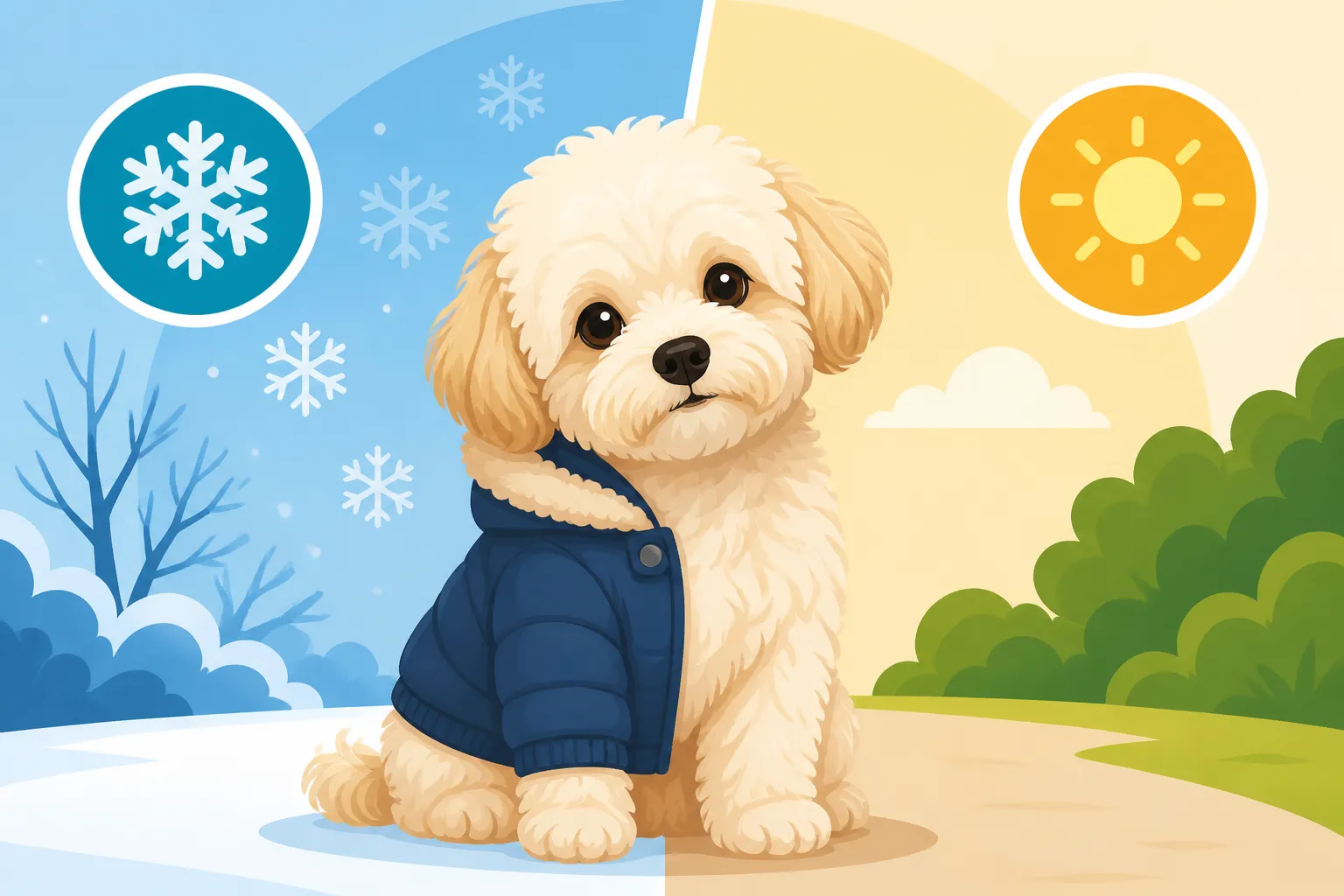
As a Maltipoo parent, you probably already know how sensitive these little fluffballs can be. When the temperatures dip and that crisp air hits, a common question pops into many of our minds: does my sweet Maltipoo really need a coat to go outside? It’s not just about fashion; it’s about their health and comfort. This comprehensive guide is going to walk you through exactly why your tiny companion might need an extra layer when venturing into the great outdoors, helping you make informed decisions to keep them cozy and safe, no matter what the thermometer says.
Understanding Your Maltipoo's Vulnerability to Cold
It’s easy to look at a Maltipoo’s fluffy coat and assume they’re perfectly insulated, but that soft, often wavy or curly hair can be deceiving. Our little companions are far more susceptible to cold than many larger breeds, and it's not just about how much fur they have. There are several biological factors at play that make a coat outdoors less of a luxury and more of a necessity for many Maltipoos.
Why Small Dogs Lose Heat Faster
Think about it this way: a small dog like a Maltipoo has a much higher surface area-to-volume ratio compared to a larger dog. This means they have more skin exposed to the cold relative to their body mass. This isn't just a fun scientific fact; it directly impacts their ability to retain warmth. When it's chilly outside, that larger exposed surface area allows heat to escape their tiny bodies at an alarmingly fast rate. It's like having a small cup of hot coffee versus a large thermos – the small cup cools down much faster.
Beyond their physical dimensions, Maltipoos often have a faster metabolism than bigger dogs. While this helps them generate heat, it also means they burn through their energy reserves more quickly to maintain their core body temperature. If they're expending too much energy just trying to stay warm, it can lead to fatigue, discomfort, and even health risks. This is especially true for The Weight at Which a Maltipoo Puppy Is at Risk of conditions like hypoglycemia, where their blood sugar can drop dangerously low if their energy is depleted rapidly. For these reasons, providing an external layer of warmth can literally be a lifesaver, conserving their precious energy for play and exploration, rather than battling the cold.
The Maltipoo's Coat: Protection or Pretty?
A Maltipoo's coat is undeniably beautiful, soft, and often hypoallergenic, a trait many owners cherish. However, its aesthetic qualities don't always translate into robust protection against the elements. Unlike breeds with thick double coats designed for harsh winters, the Maltipoo's single layer, while lovely, just doesn't offer the same insulation. Whether your Maltipoo inherited a wavier coat, a curlier one, or even a straighter texture, none of these coat types inherently provide the dense, insulating undercoat that a Nordic breed might possess.
When that damp chill sets in or a brisk wind whips around, a Maltipoo's single coat can become saturated or simply offer inadequate protection. Imagine stepping outside in a thin sweater on a cold, windy day – you'd feel the chill right through it. It's much the same for our Maltipoos. While their hair does trap some warm air close to the skin, it’s often not enough to counteract significant drops in ambient temperature, especially if they are stationary for too long. If your Maltipoo has recently had a close trim, perhaps a cute puppy cut or a short teddy bear trim, they will be even more exposed to the cold. Whether a Clipped Maltipoo Feels the Cold More is a very real concern, as their primary layer of defense has been significantly reduced. This makes the question of "whether a Maltipoo needs a coat outdoors" less about a 'fashion statement' and more about practical, essential care.
Spotting the Signs Your Maltipoo is Cold
Sometimes, our Maltipoos are subtle in their communication. They can’t just tell us, "Hey, I'm freezing out here!" As their devoted caregivers, it’s up to us to learn their body language and recognize the cues that indicate they’re not comfortable in the cold. Missing these signs can lead to unnecessary discomfort or, in more severe cases, health issues.
Subtle Clues Your Maltipoo Needs a Coat
It’s not always obvious. Your Maltipoo might not be violently shivering, but they could still be uncomfortably cold. One of the first things you might notice is a change in their posture or movement. A cold Maltipoo might hunch their back, tuck their tail tightly between their legs, or try to lift their paws off the ground. They might also walk slower, reluctant to move, or try to get closer to your legs for warmth. Some dogs will try to find shelter behind you, a bush, or even under a parked car if they feel too exposed.
Another clue can be their desire to cut the walk short. If your usually enthusiastic walker suddenly seems eager to turn around and head home, especially when the weather is biting, it’s a strong indicator. They might also appear stiff or reluctant to play, choosing instead to conserve energy. The Temperature a Maltipoo Starts Shivering At can vary, but these more subtle signs often appear even before visible shivering begins. Their ears might feel noticeably cool to the touch, or their nose, which is usually damp and cool, might feel unusually cold. Pay attention to these nuanced behaviors; they are your Maltipoo's way of asking for help.
When a Shiver Means More Than Excitement
We all know the happy shivers – the little tremors of excitement when you grab the leash or open the treat jar. But a shiver outdoors, particularly if it's sustained or accompanied by other signs, is usually a clear cry for warmth. It’s important to differentiate between a fleeting shiver and one that signals genuine cold. If your Maltipoo is shivering uncontrollably, clamping their jaw, or looking generally miserable with wide, anxious eyes, they are absolutely too cold and need immediate intervention.
This shivering is their body's involuntary attempt to generate heat through muscle contractions. It's an energy-intensive process, and if it continues for too long, it can lead to exhaustion and a further drop in body temperature. In extreme cases, sustained shivering can escalate to more serious conditions like hypothermia. You might also notice their gums or tongue becoming pale or even bluish, which is a critical sign of a severe drop in body temperature, requiring urgent veterinary attention. If you see What a Hypoglycemic Episode Looks Like in a Maltipoo, which can involve trembling and weakness, it’s a clear emergency. Don't dismiss shivering as just "being a little chilly"; for a small breed like a Maltipoo, it's a serious indicator that they need to be bundled up or brought indoors immediately.
Choosing the Right Outdoor Gear for Your Maltipoo
Once you've decided a coat is necessary – and for most Maltipoos in anything less than mild weather, it truly is – the next step is choosing the right one. This isn't just about picking the cutest design; it's about functionality, fit, and material to ensure maximum comfort and protection for your tiny companion.
Deciphering Coat Materials and Styles
The world of dog coats is vast, much like human apparel, and choosing the right one depends heavily on your local climate and your Maltipoo's specific needs. For light chills and damp days, a water-resistant softshell coat or a simple fleece vest can provide adequate warmth without being too bulky. These are great for autumn strolls or cooler spring mornings. For genuinely cold, windy, or snowy conditions, you'll want something more substantial. Look for insulated coats with a waterproof or highly water-resistant outer layer and a warm fleece or synthetic lining. These materials, like polyester fills or down alternatives, are designed to trap body heat effectively.
Consider the style as well. Some coats cover just the back, while others extend down the chest and belly, offering more comprehensive protection – often a better choice for a small, low-to-the-ground Maltipoo. Coats with high collars or even hoods can offer extra warmth for their necks and heads. Features like reflective strips are also a smart addition for safety during those darker winter walks. You'll find a wide array of options on platforms like Chewy or Amazon, allowing you to compare different brands and features to find the perfect match for your Maltipoo's specific adventures. Just remember, a coat should protect them from the elements, not hinder their movement or become a burden.
The Importance of a Proper Fit
A coat, no matter how warm or stylish, is useless if it doesn't fit properly. An ill-fitting coat can chafe, restrict movement, or simply fail to provide adequate insulation. When trying on a coat, ensure it covers your Maltipoo's back from the base of their neck to the start of their tail. It should also ideally cover a good portion of their chest and belly without restricting their ability to go to the bathroom.
The fastenings should be snug but not tight. You should be able to comfortably slip two fingers under any straps or closures. If it's too loose, cold air can easily seep in, defeating the purpose, and it might shift or even come off during activity. If it's too tight, it will be uncomfortable and could cause skin irritation. Many manufacturers provide detailed sizing charts based on neck girth, chest girth, and back length, so always measure your Maltipoo before making a purchase. Remember, sizing can vary significantly between brands, so don't just assume a "small" from one brand will fit the same as a "small" from another. Getting the fit right ensures your Maltipoo is not only warm but also happy and unrestricted while wearing their outdoor gear.
Beyond the Coat: Holistic Cold Weather Care
While a good coat is a fantastic first line of defense, keeping your Maltipoo truly comfortable and safe in cold weather involves a more comprehensive approach. From protecting their delicate paws to adjusting their diet, there are several other considerations that contribute to their overall well-being when the temperatures drop.
Protecting Delicate Paws and Preventing Ice Balls
Your Maltipoo's paws are exposed to the cold, snow, ice, and harsh chemicals like de-icing salts. These elements can cause dryness, cracking, and irritation, or even lead to chemical burns. Plus, for dogs with longer hair between their paw pads, snow and ice can accumulate, forming painful Ice Balls Between a Maltipoo's Toes. This can make walking incredibly uncomfortable and even dangerous.
Booties might seem like a fuss, but for many Maltipoos, especially those living in snowy or heavily salted areas, they are invaluable. Look for dog boots that are flexible, waterproof, and stay on securely. It might take some time to get your Maltipoo used to them, but the protection they offer is worth the effort. Alternatively, paw balms and waxes can create a protective barrier against moisture and chemicals. After every walk, make sure to thoroughly Washing Road Salt Off a Maltipoo's Feet with lukewarm water and gently dry them. This prevents them from licking off harmful substances and keeps their paw pads healthy. Checking out highly-rated paw protection products on Chewy or Amazon can provide some excellent options.
Dietary Considerations for Winter Warmth
In colder months, your Maltipoo’s body works harder to maintain its internal temperature, which can mean they burn more calories. While you might not need to drastically increase their food intake, it’s worth monitoring their energy levels and body condition. If your Maltipoo is spending more time outdoors or seems to be burning more energy, a slight increase in their calorie intake might be beneficial. However, be cautious; small dogs are prone to weight gain, and even a little extra weight can put strain on their tiny joints and overall health.
Focus on providing high-quality, nutrient-dense food. Some owners find that incorporating a bit of fresh, wholesome food, like the options offered by services such as Ollie, can provide a boost in energy and overall vitality without adding unnecessary fillers. Always weigh out your Maltipoo's food carefully; for a small dog, even a slight over-measurement can lead to too many calories. Feeding a Six Pound Maltipoo by the Ounce, Not the Scoop is often recommended to ensure precise portions. Ensure they always have access to fresh, unfrozen water, as hydration is just as important in cold weather as it is in heat. A balanced diet supports a strong immune system and provides the energy reserves needed to stay warm and healthy.
When to Stay Inside: Avoiding Extreme Cold
Even with the best coat and paw protection, there are times when it's simply too cold or dangerous for your Maltipoo to be outdoors for more than a quick potty break. Recognizing these limits is crucial for preventing serious health complications. Your Maltipoo depends on your judgment to keep them safe.
Dangerously Low Temperatures
For a Maltipoo, temperatures that might feel merely "chilly" to us can be genuinely dangerous. Generally, once temperatures drop below freezing (32°F or 0°C), especially with wind chill, a Maltipoo is at significant risk. Small dogs like Maltipoos, along with puppies, senior dogs, and those with underlying health conditions (like Whether a Maltipoo Gets Heart Disease or Collapsing Trachea in a Maltipoo's Neck), are particularly vulnerable. Whether a Maltipoo Should Skip Walks in Freezing Weather is often answered with a resounding "yes" by veterinarians, or at least that walks should be extremely brief.
Symptoms of hypothermia can set in quickly for a small dog. These include intense shivering, lethargy, weakness, an inability to move, and cold extremities. If you notice any of these signs, get your Maltipoo indoors immediately, wrap them in warm blankets, and contact your vet. It's always better to err on the side of caution. On days with extreme cold alerts, heavy snowfall, or icy conditions, consider indoor exercise and enrichment, like puzzle toys or short games of fetch in a warm space, rather than venturing out.
Other Weather Hazards to Watch For
Beyond just temperature, other environmental factors can pose a threat to your Maltipoo. Heavy snow and ice can obscure dangerous objects or lead to slips and falls, which for a small dog can result in serious injuries, especially if they have pre-existing conditions like Slipping Kneecaps in a Maltipoo. Ice can also contain hidden hazards like sharp edges or broken glass. Furthermore, some de-icing agents are toxic if ingested, making paw protection even more critical.
Wind chill factors can dramatically reduce the effective temperature, making a moderately cold day feel bitterly freezing. Rain and sleet can soak through coats that aren't adequately waterproof, leading to a much faster drop in body temperature. Always check the local weather forecast, including wind chill warnings, before taking your Maltipoo out. If the conditions are harsh, a quick dash outside for toileting might be all they need, and definitely keep them on a leash to prevent them from wandering into unseen dangers. Your vigilant observation and preparedness are key to ensuring your Maltipoo remains happy and healthy through the colder months.
Disclaimer
This article is for general informational purposes only and does not constitute professional advice. Laws, prices and regulations vary by location and change over time. Consult a qualified professional for guidance on your specific situation.