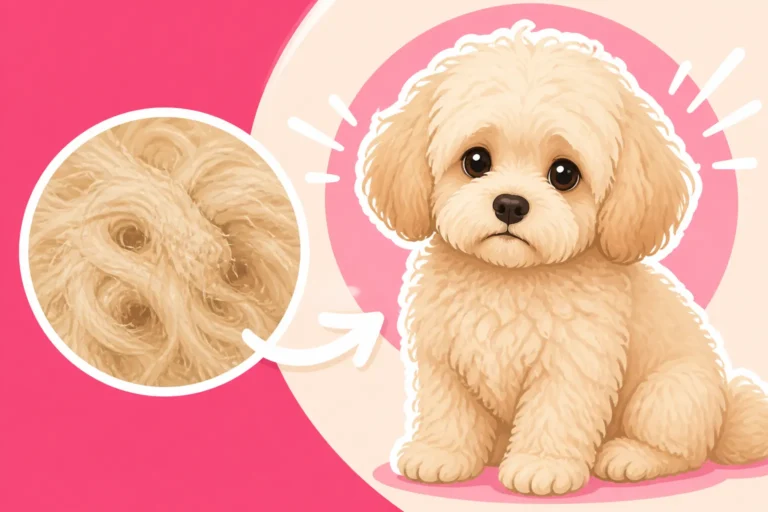
Whether Two Non Shedding Parents Guarantee a Clean Maltipoo
It's a common, completely understandable hope: you get a Maltipoo because you're told they're "non-shedding" like their Maltese and Poodle parents, and you envision a perpetually pristine home and a clean, tangle-free companion. However, the reality for many Maltipoo owners is a daily battle against mats and tangles, constant grooming, and a significant time commitment to maintain that coveted "clean" coat. This guide will dive deep into why a Maltipoo, despite its non-shedding heritage, is far from a low-maintenance pet when it comes to coat care, and what you can do to keep your furry friend truly clean and healthy.
The "Non-Shedding" Illusion: Maltipoo Coats Explained
When you hear "non-shedding," it conjures images of a dog that never leaves a single hair on your sofa, your clothes, or your floors. And it's true, Maltipoos generally shed far less than many other breeds. But this very trait, ironically, is what makes their coats so incredibly high-maintenance. The hair doesn't fall out; instead, it stays in the coat, where it quickly intertwines with other hairs, forming knots and mats.
The Maltese Legacy: Fine, Silky, and Tangle-Prone
The Maltese parent contributes a long, silky, single-layer coat that is very fine in texture. This hair grows continuously and is often described as "hair-like" rather than "fur." While it sheds minimally, its fine texture means it's incredibly prone to tangling and matting if not brushed daily. Imagine trying to keep a long, fine human hair tangle-free without brushing it – it would become a matted mess in no time. The Maltese coat, while beautiful, demands constant attention to prevent it from becoming a nightmare of knots.
The Poodle Influence: Dense, Curly, and Matting Magnet
On the other side, the Poodle parent brings a dense, curly, single-layer coat. This coat is well-known for being hypoallergenic due to its ability to trap shed hair and dander within its curls, preventing it from dispersing into the environment. This is fantastic for allergy sufferers, but it also means that every single loose hair gets caught in the surrounding curls, creating a perfect storm for mat formation. The tighter the curl, the more efficiently it traps dead hair, and the more quickly it mats if not brushed out diligently. It's a coat that's excellent for keeping dander contained but terrible for ignoring for even a day or two.
The Maltipoo Medley: Why Every Coat is Different
A Maltipoo's coat is a delightful, but sometimes challenging, genetic lottery. Since they are a crossbreed, there's no single "Maltipoo coat type." You might get a Maltipoo whose coat leans more towards the silky, wavy texture of a Maltese, or one that has the tighter, denser curls of a Poodle. Many fall somewhere in between, with a soft, wavy, or loosely curled coat that can be a blend of both.
This variability means that while your Maltipoo will likely be a low-shedder, the exact amount of grooming required can differ significantly even between littermates. A Maltipoo with a wavier, silkier coat might still mat easily due to the fineness of the hair, while a curlier-coated Maltipoo will mat more quickly because of the way the curls trap loose hair. The phrase The Coat a Maltipoo Gets From Two Non Shedding Parents truly reflects this blend of genetics, and it underscores why predicting the exact grooming needs can be tricky, but one thing is certain: daily care will be a necessity.
The Real Meaning of "Clean": Grooming Versus Shedding
When people talk about a "clean Maltipoo," they often mean one that doesn't leave hair everywhere. But for a Maltipoo, "clean" extends far beyond just shedding. It means a coat that is free of mats, healthy skin underneath, and a dog that is comfortable and well-maintained. The absence of shedding doesn't equate to the absence of dirt, grime, or tangled hair.
Dander Control: It's Not Just About Hair on the Floor
One of the primary reasons people seek out Maltipoos is their reputation for being "hypoallergenic." This largely stems from the Poodle's coat, which traps dander and shed hair close to the body, preventing it from becoming airborne. However, it's crucial to understand that "hypoallergenic" does not mean "non-allergenic." Maltipoos still produce dander (microscopic flakes of skin), saliva, and urine, all of which can trigger allergies in sensitive individuals.
The good news is that for many allergy sufferers, a Maltipoo's coat does significantly reduce their exposure to airborne allergens. But this means that the "cleanliness" of the dog involves regularly removing that trapped dander and hair through diligent brushing and bathing, rather than simply cleaning up shed fur from surfaces. If you don't brush and bathe regularly, those trapped allergens stay right where they are – in your dog's coat – potentially causing a reaction for someone who interacts closely with your Maltipoo. This is a critical point when considering Whether a Maltipoo Suits an Allergic Home.
The Matting Monster: The Flip Side of Non-Shedding
This is where the rubber meets the road for Maltipoo owners. Because the hair doesn't fall out, it must be brushed out. If you neglect daily brushing, even for just a couple of days, those fine, continuously growing hairs begin to felt together, forming mats. These aren't just little knots; mats can quickly grow into dense, painful pelts that pull on your dog's skin, restrict movement, and create breeding grounds for skin infections.
Common areas for mats to form are behind the ears, in the armpits, on the insides of the legs, under the tail, and anywhere friction occurs, such as under a harness or collar. Before you know it, a small knot can turn into a serious problem that requires professional intervention. Many new Maltipoo owners are shocked by how quickly these mats develop. It's not uncommon for a lively puppy playing in the yard to come back with tangles that can escalate overnight. This constant battle against mats is a significant part of the daily routine, and understanding Where a Six Pound Maltipoo Mats First can help you be proactive.
Your Daily Battle Plan: Keeping a Maltipoo Mat-Free
Keeping a Maltipoo truly "clean" and comfortable is an active, ongoing commitment. It's not something you can do once a week and expect good results. It requires daily dedication and the right tools.
Essential Tools and the Art of Daily Brushing
To effectively combat mats and keep your Maltipoo's coat healthy, you need a few key tools and a consistent routine. Forget the cheap plastic brushes; you'll need quality items.
First, invest in a good quality slicker brush. This brush has fine, wire bristles designed to reach down through the coat and gently pull out loose hair and small tangles. Pair this with a metal comb that has both wide and fine teeth. The comb is essential for checking your work and ensuring you've brushed all the way down to the skin. Many owners only brush the top layer of the coat, leaving a dense matting underneath, which is often called "pelting."
The technique is crucial: you must "line brush" or "section brush." This means parting your Maltipoo's hair in small sections, starting from the bottom of their legs or body, and brushing thoroughly from the skin out, moving upwards as you complete each section. If your metal comb cannot smoothly glide through the hair down to the skin, you haven't brushed enough. This process, while seemingly tedious, is the cornerstone of keeping a Maltipoo mat-free and comfortable. Finding a good quality grooming kit on Amazon can be a great starting point for gathering these tools. Learning Combing a Maltipoo Down to the Skin is a vital skill for every Maltipoo owner.
The Indispensable Professional Groomer
While daily home brushing is critical, it rarely replaces the need for professional grooming. Most Maltipoos need to visit a professional groomer every 4-8 weeks, depending on their coat type, lifestyle, and your ability to keep up with home care. A professional groomer has the expertise, tools, and training to thoroughly bathe, blow-dry, brush, and clip your Maltipoo's coat, ensuring it remains healthy and free of mats.
During a professional grooming session, your Maltipoo will typically receive a bath with specialized shampoos and conditioners, a thorough blow-dry (which helps straighten the coat for easier brushing and cutting), a full haircut, nail trim, and ear cleaning. Skipping these appointments, or extending the time between them, almost guarantees severe matting that will be painful to remove and likely require a "shave down" (clipping the coat very short, close to the skin) to resolve. This can be upsetting for both you and your dog, so budgeting for these regular visits is non-negotiable. Be aware of The Fifty to Eighty Dollar Maltipoo Groom and plan for What Grooming a Maltipoo Costs a Year.
Beyond Brushing: Eyes, Ears, and Regular Baths
A truly clean Maltipoo involves more than just brushing. Their eyes, ears, and overall hygiene require attention too.
Maltipoos, especially those with lighter coats, are prone to tear staining. This is when the hair around their eyes develops a reddish-brown discoloration due to porphyrins in their tears. While there can be underlying medical reasons for excessive tearing, daily wiping with a soft, damp cloth can help minimize staining. Keeping the hair around their eyes trimmed short is also essential, not only for aesthetics but to prevent hair from irritating the eyes, which can lead to further tearing and potential corneal issues. You'll quickly learn about The Two Week Face Trim a Maltipoo Needs to keep their vision clear and face tidy. Products specifically designed for tear stains can be purchased from pet supply retailers like Chewy. Addressing Tear Staining on a Light Coated Maltipoo is a common concern.
Their floppy ears are another area that requires regular cleaning. Because the ears hang down, they don't get much airflow, creating a warm, moist environment perfect for yeast and bacteria to thrive. Additionally, Maltipoos often grow hair inside their ear canals (a Poodle trait), which can trap dirt and wax, leading to infections. Regularly checking and gently cleaning their ears with a veterinarian-approved solution, and having a groomer or vet pluck excess ear hair, is vital. This prevents discomfort, itching, and costly ear infections. Understanding Clearing Wax From a Maltipoo's Ear is part of the holistic approach to their cleanliness.
Regular bathing, typically every 2-4 weeks, is also part of keeping them clean. Use a good quality dog shampoo and conditioner to keep their coat soft and manageable. Always ensure you thoroughly rinse all shampoo out to prevent skin irritation, and completely dry their coat afterwards, brushing as you dry to prevent new mats from forming.
Setting Realistic Expectations and Embracing the Grooming Journey
The initial appeal of a "non-shedding" Maltipoo often overshadows the reality of their extensive grooming needs. It's crucial for prospective and current owners to have a clear understanding of what it truly takes to care for their coat.
The Time and Money Commitment to a Beautiful Coat
Let's be honest, grooming a Maltipoo is a significant time commitment. Expect to spend at least 15-30 minutes daily on brushing, especially if your Maltipoo has a longer coat or is prone to matting. On top of that, you'll need to factor in the time and cost of professional grooming every 4-8 weeks. These appointments can range from an hour or two for a quick bath and trim to several hours for a full-service groom.
Financially, this adds up. Those regular grooming appointments are a recurring expense, not a one-off. Plus, you'll invest in quality brushes, combs, shampoos, conditioners, and potentially tear stain removers or ear cleaning solutions. It's an ongoing investment that is critical for your Maltipoo's health and comfort. When considering What Fifteen Years With a Maltipoo Comes To, remember that coat care is a significant part of that equation.
Why a "Wash and Wear" Maltipoo is a Myth
The idea of a "wash and wear" dog, one that you can simply bathe and let air dry without much fuss, is a complete myth for the vast majority of Maltipoos. Their coats are simply not designed for it. If you attempt this, you will invariably end up with a matted mess. Even if you manage to avoid severe matting, the coat will likely be frizzy, tangled, and uncomfortable for your dog.
The "non-shedding" aspect is fantastic for keeping your home cleaner in terms of loose hair, but it swaps shedding for intense grooming. It's a trade-off, not a free pass. Instead of vacuuming up dog hair constantly, you'll be brushing, combing, and scheduling salon visits. Understanding How Many Months a Maltipoo's Coat Change Runs can help you prepare for periods where their coat might be even more challenging.
Finding Joy in the Routine: Bonding Through Grooming
While the grooming demands of a Maltipoo might sound daunting, it doesn't have to be a chore. Many owners find that the daily grooming routine becomes a wonderful bonding experience with their dog. It's a quiet time for connection, petting, and gentle interaction. Regular handling also makes your Maltipoo more comfortable with being touched and examined, which is beneficial for vet visits and future grooming sessions.
By embracing the routine, investing in the right tools (perhaps even exploring specific nutrition options from brands like Ollie that promote healthy skin and coat), and seeking professional help when needed, you can ensure your Maltipoo lives a comfortable, healthy, and genuinely "clean" life. Remember, a well-groomed Maltipoo is a happy Maltipoo, looking and feeling their best. And for those looking to manage some of this themselves, building The Kit Needed to Groom a Maltipoo at Home is a fantastic first step.
| Coat Type | Shedding Level | Matting Potential | Grooming Frequency (Home) | Grooming Frequency (Pro) | Common Appearance |
|---|---|---|---|---|---|
| Maltese-Leaning | Very Low | High | Daily brushing | Every 6-8 weeks | Wavy, silky, fine texture |
| Poodle-Leaning | Very Low | Very High | Daily brushing (thorough) | Every 4-6 weeks | Tight curls, dense, coarse texture |
| Balanced Blend | Very Low | High | Daily brushing | Every 4-8 weeks | Loose curls, soft wave, medium density |
Disclaimer
This article is for general informational purposes only and does not constitute professional advice. Laws, prices and regulations vary by location and change over time. Consult a qualified professional for guidance on your specific situation.