Whether a Teacup Maltipoo Ever Stops Being at Risk
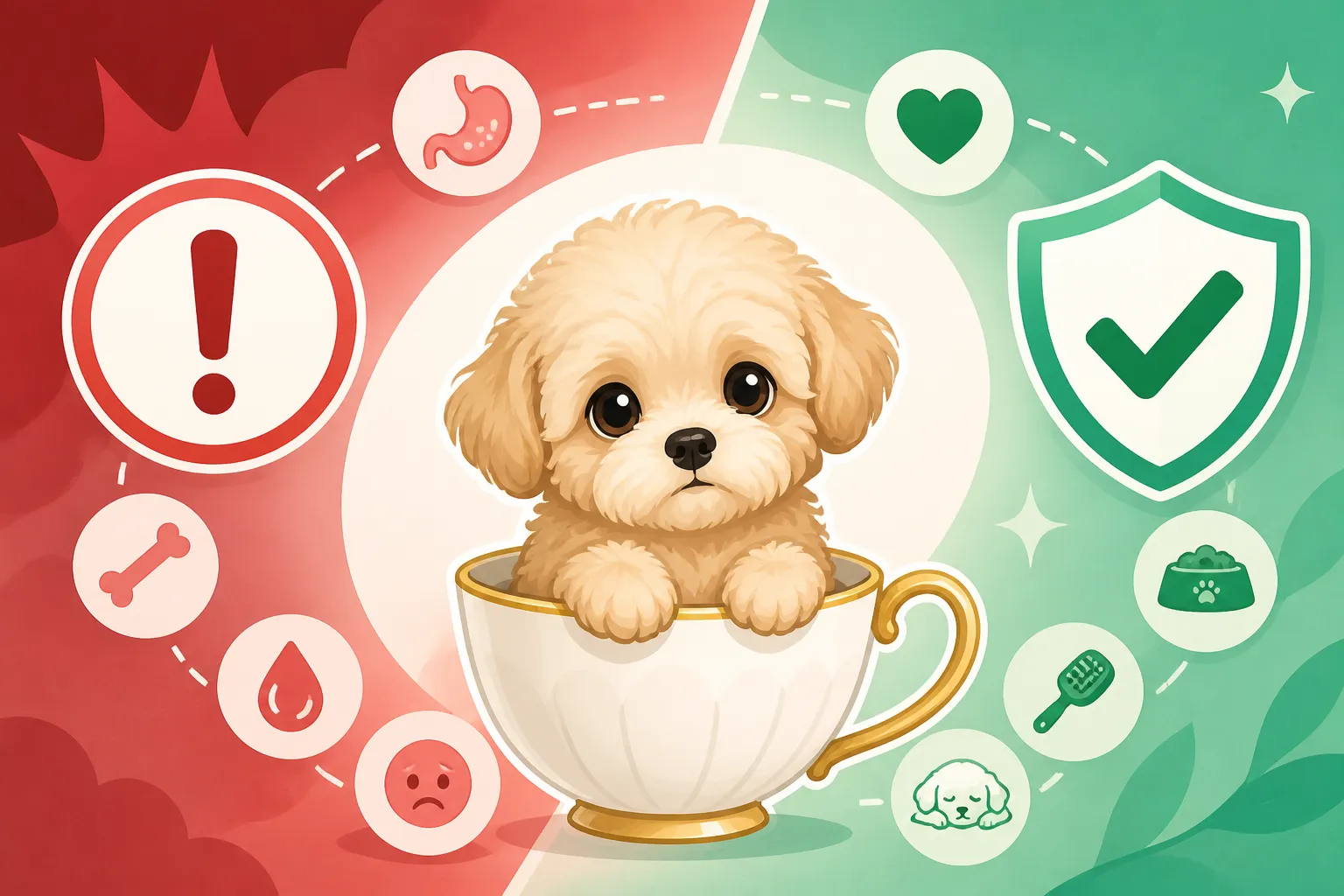
It’s a heartbreaking reality that many new Maltipoo owners, especially those captivated by the idea of a "teacup" size, often discover too late that these tiny bundles of joy come with a disproportionately high risk of serious health issues that don't magically disappear once they're out of puppyhood. This guide is here to shed light on why a teacup Maltipoo remains vulnerable throughout its life and what that means for dedicated owners.
Understanding the "Teacup" Label and Its Realities
The term "teacup" is so alluring, isn't it? It conjures images of an impossibly tiny, delicate companion. But in the world of dog breeding, especially for crossbreeds like the Maltipoo, "teacup" isn't a recognized size category with any kind of official health standard. It's largely a marketing term, and unfortunately, it often translates to a lifetime of increased medical vulnerability for your beloved pet.
The Elusive Definition of Teacup Size
When you see a Maltipoo advertised as "teacup," what exactly does that mean? There's no universal agreement, but generally, it refers to a dog expected to weigh under 5 pounds when fully grown, sometimes even as little as 2 or 3 pounds. This isn't like a standard or miniature Poodle, where size ranges are well-defined and bred for consistency over generations. For a Maltipoo, especially a "teacup," this tiny stature often results from breeding the smallest dogs, sometimes even runts, in hopes of achieving that desired diminutive size. This selective breeding for extreme smallness can inadvertently concentrate genetic predispositions for various health problems, making the puppy phase only the beginning of a long journey of careful management.
Why Being Small Amplifies Risks
Think about it: a standard dog's body is designed to house all its vital organs, bones, and systems at a certain scale. When you shrink that design significantly, there's less room for everything, and organs can be underdeveloped or disproportionate. This isn't just about looking cute; it means a smaller reserve for illness, a less robust immune system, and bodies that are inherently more fragile. For instance, tiny bones are more susceptible to fractures, and internal organs, like the liver or heart, may not function as efficiently as those in a larger, more robust dog. This fragility often extends to their ability to regulate body temperature, manage blood sugar, and even process medications, making even routine veterinary procedures more complex and risky. This inherent vulnerability means that while every dog needs good care, a teacup Maltipoo requires an exceptional level of vigilance and specialized understanding.
Persistent Health Vulnerabilities Beyond Puppyhood
It's common for owners to breathe a sigh of relief once their teacup Maltipoo puppy makes it past the most critical, early months, particularly regarding hypoglycemia. However, the truth is that many of the risks associated with their small size don't simply vanish with age. Instead, they can evolve or new challenges can emerge, requiring ongoing attention and often, significant financial investment.
Continued Hypoglycemia Risk and Management
While it's true that most Maltipoo puppies tend to "grow out" of the most severe, life-threatening hypoglycemia episodes by around 4 to 6 months of age, the underlying predisposition to low blood sugar can absolutely persist, especially in the smallest teacups. An adult teacup Maltipoo, particularly one under 4 pounds, can still experience blood sugar crashes if they go too long without food, experience extreme stress, or exert themselves excessively without adequate caloric intake. This isn't just a puppy problem.
Imagine a busy morning where you're running late, and your tiny Maltipoo, let's call her Pixie, misses her usual breakfast. By lunchtime, she might be lethargic, disoriented, and start shivering – clear signs of a sugar crash. Or perhaps you're visiting friends, and Pixie gets overly excited and runs around more than usual. Without a readily available glucose source, she could quickly become weak. This is why it’s imperative to maintain a consistent feeding schedule throughout their lives, even as adults, and always have something like Nutri-Cal on hand for emergencies. The costs associated with an emergency sugar crash visit can be substantial, so prevention and preparedness are key.
Orthopedic Issues That Last a Lifetime
One of the most common and persistent health concerns for teacup Maltipoos is orthopedic problems, most notably Slipping Kneecaps in a Maltipoo, medically known as luxating patella. Their delicate bone structure and small joints make them highly susceptible. This isn't a condition they grow out of; it's often a lifelong issue that can range from mild, intermittent skipping to severe, painful lameness. Many teacup Maltipoos will exhibit signs of patella luxation at a surprisingly young age, sometimes even before their first birthday.
The severity is usually graded from 1 to 4, and understanding The Four Patella Grades and Where a Maltipoo Lands is crucial. Grade 1 might mean only an occasional skip, while Grade 4 means the kneecap is permanently dislocated, causing chronic pain and impacting their quality of life. Even if surgery is performed, it's not always a guaranteed fix, and the other knee can be affected later. Furthermore, their tiny bones are more prone to fractures from even minor falls, making activities like jumping off a sofa a real hazard. This is why many owners opt for pet insurance from providers like Healthy Paws, knowing that orthopedic surgeries can easily run into the thousands of dollars.
Respiratory and Tracheal Concerns
The delicate nature of a teacup Maltipoo's anatomy extends to their respiratory system, making them particularly vulnerable to issues like Collapsing Trachea in a Maltipoo's Neck. This condition, where the rings of cartilage in the windpipe weaken and flatten, can lead to a characteristic honking cough and difficulty breathing. It's a progressive disease that tends to worsen with age, especially with any added stress or excitement.
You might notice your adult teacup Maltipoo suddenly making a loud, "goose-like" honk, which can be alarming. This is often The Cough That Means a Maltipoo's Trachea Is Collapsing. While it can be managed with medication and lifestyle adjustments, it rarely resolves completely. Furthermore, their small airways make them more susceptible to respiratory infections. Owners need to be extra cautious about using collars (a harness is always recommended to avoid pressure on the trachea), exposure to smoke or strong aerosols, and maintaining a calm, stable environment. For owners with a Maltipoo suffering from severe tracheal collapse, the ongoing medication and potential for emergency visits can add up, highlighting the benefit of a robust pet insurance plan.
| Health Risk | Common Age of Onset | Persistence/Progression | Management Strategies |
|---|---|---|---|
| Hypoglycemia | Puppyhood | Can persist into adulthood | Frequent small meals, emergency sugar paste |
| Luxating Patella | Young adult | Lifelong, often progressive | Exercise management, joint supplements, potential surgery |
| Collapsing Trachea | Young adult/Middle-aged | Progressive | Harness, medication, avoiding irritants, weight control |
| Dental Disease | Young adult | Lifelong, progressive if untreated | Daily brushing, regular professional cleanings |
| Liver Shunt | Puppyhood | Lifelong, requires intervention | Special diet, medication, potential surgery |
Navigating Daily Care for a Vulnerable Adult Maltipoo
Owning a teacup Maltipoo means adopting a lifestyle of proactive care and constant vigilance. It’s not just about managing acute episodes, but integrating specific care routines into your daily life to support their delicate systems and prevent problems before they start. This level of dedication is a significant part of the commitment you make to these tiny companions.
Dietary Management and Consistent Feeding Schedules
For a teacup Maltipoo, consistency in feeding is paramount, even as they mature. While puppy-specific hypoglycemia risks might lessen, their small size means they still have limited energy reserves. This isn't a dog that can comfortably go 12 hours between meals. In fact, many adult teacup Maltipoos do best on three to four small meals spread throughout the day, rather than the typical two for larger dogs. It’s a bit more work, but it’s crucial for maintaining stable blood sugar levels and overall energy.
Imagine trying to regulate your own energy on just one or two small meals, especially if you're as active as some Maltipoos can be! For your little one, precise portion control is key. You can't just eyeball a scoop; it truly requires Feeding a Six Pound Maltipoo by the Ounce, Not the Scoop. Even a few extra kibbles can lead to weight gain, which can exacerbate orthopedic and respiratory issues. Using a kitchen scale to measure their food is highly recommended. It takes the guesswork out and ensures they get exactly what they need, not too much, not too little. High-quality, nutrient-dense small-breed kibble is often the best choice, providing concentrated nutrition in tiny bites.
Environmental Adaptations for Safety and Comfort
The home environment needs to be carefully tailored for a teacup Maltipoo to mitigate risks. Their tiny stature means that everyday household items can become hazards. A simple jump off the sofa can lead to a broken leg because Whether a Maltipoo's Bones Are Thinner Than Normal. Providing ramps or pet stairs for accessing furniture is not a luxury; it's a necessity to protect their fragile joints and bones.
Consider the temperature of your home as well. Small dogs lose body heat much faster than larger breeds, meaning a teacup Maltipoo Whether a Maltipoo Gets Cold Easily. They might shiver even at indoor temperatures that feel perfectly comfortable to you. Providing cozy beds, blankets, and even a sweater indoors can help them regulate their body temperature. Furthermore, their small size makes them more vulnerable to accidental injury from larger pets or even clumsy humans. Always supervise interactions and create safe, designated spaces where your teacup can retreat and feel secure. These environmental considerations are not temporary; they are part of providing a safe and comfortable home for their entire lifespan.
The Critical Importance of Regular Veterinary Care
Because teacup Maltipoos carry so many inherent health risks, regular and thorough veterinary care isn't just a recommendation; it's a non-negotiable part of responsible ownership. These aren't dogs you can afford to skip annual check-ups or preventative screenings with. Your vet will become your most important partner in managing their health.
This includes diligent oral hygiene. Maltipoos are notorious for dental problems, and their small mouths are often crowded with The Forty Two Teeth Crowding a Maltipoo's Jaw. This overcrowding leads to accelerated plaque and tartar buildup, which can quickly escalate to painful dental disease, infection, and even impact their overall health, potentially shortening their lifespan if left untreated. Daily tooth brushing, combined with professional dental cleanings as recommended by your vet – often annually – is absolutely crucial. Understanding How Often a Maltipoo Needs a Dental is vital to staying ahead of these issues.
It's also essential to discuss potential preventative screenings with your veterinarian, especially if you have a dog that might be predisposed to conditions like The Liver Shunt a Maltipoo Can Inherit From the Maltese. Proactive testing can catch problems early, allowing for better management and outcomes. Given the potential for significant medical expenses for these delicate dogs, looking into pet insurance from reputable providers like Healthy Paws can provide immense peace of mind, helping you afford the best care without financial strain.
The Genetic Lottery and Responsible Ownership
When you welcome a teacup Maltipoo into your life, you’re not just getting a cute puppy; you’re inheriting a genetic blueprint, sometimes one fraught with potential vulnerabilities due to the practices involved in breeding for extreme smallness. Understanding this "genetic lottery" is vital for responsible ownership, especially when it comes to long-term health.
Understanding the Impact of Breeding Practices
The quest for ever-smaller dogs often comes at a price. While ethical breeders prioritize health and temperament, those focusing solely on creating "teacup" sizes may inadvertently perpetuate undesirable traits or genetic weaknesses. When breeders select the smallest individuals, sometimes even runts, for breeding, they can concentrate genes that contribute to fragile bones, organ underdevelopment, and increased susceptibility to diseases like hypoglycemia or patellar luxation. This means that a teacup Maltipoo often carries a higher inherent risk from the day they are conceived.
It's a stark contrast to breeding practices focused on adherence to a breed standard, where health clearances and genetic testing are paramount. With "teacup" sizes, there's often no official standard to uphold, which can lead to a lack of accountability. This can be particularly frustrating for owners who find themselves facing significant medical bills. Understanding What Breeding Smaller Costs a Maltipoo goes beyond the initial purchase price; it's about the potential long-term investment in their health. Responsible breeders will be transparent about the parentage and any health testing done on their breeding dogs, which is rare in the "teacup" market.
The Role of Early Health Screening
Given the increased genetic predisposition to certain conditions, early and comprehensive health screening is even more critical for a teacup Maltipoo puppy. While a breeder should ideally conduct health screenings on the parents, it's also important for a new owner to ensure their puppy receives a thorough veterinary check-up soon after coming home. This initial vet visit isn't just about vaccinations; it's about a complete physical assessment.
Your vet will check for signs of common issues like heart murmurs, open fontanels (soft spots on the skull), and palpate their knees to check for patellar luxation. They might also discuss a bile acid test if there's any concern about liver shunts, which can be an inherited condition. Identifying potential issues early allows for proactive management or intervention, which can significantly improve their quality of life. Even if a condition isn't immediately critical, knowing about a predisposition can help you make informed decisions about diet, exercise, and overall care, potentially delaying or mitigating the severity of future problems.
When Does the Risk Subside? The Long-Term Outlook
The honest truth about whether a teacup Maltipoo ever stops being at risk is that, in many ways, they don't. While some acute puppy risks like severe hypoglycemia may lessen, their inherent smallness and genetic predispositions mean they remain more vulnerable than their larger counterparts throughout their entire lives. The focus shifts from crisis management to ongoing, proactive, and preventative care as they age.
Aging with a Teacup Maltipoo: New Challenges Emerge
As your teacup Maltipoo gracefully moves into their senior years, typically starting around 7-8 years old, new health challenges can begin to emerge, often exacerbated by their small stature. Conditions that might be manageable in a larger dog can become more pronounced or severe in a tiny body with less physiological reserve.
Dental disease, for instance, which is already a significant concern, can become critical. Years of tartar buildup and potential infections can lead to tooth loss and impact their ability to eat comfortably. Regular How Often a Maltipoo Needs a Dental throughout their lives becomes even more vital in old age. Arthritis and joint pain from years of stress on delicate joints, especially if they have a history of patellar luxation, can become debilitating. Their small bladders may lead to more frequent urination or even incontinence, and their tiny kidneys may be more prone to age-related decline. Keeping an old Maltipoo warm and comfortable is paramount, as their ability to regulate body temperature can diminish further with age. Their fragile systems require even more attentive care in their golden years, demanding an owner who is ready to adjust their routines and provide specialized comfort.
Proactive Care as a Lifelong Commitment
Ultimately, owning a teacup Maltipoo is a lifelong commitment to proactive and preventative care. It's about accepting that their inherent smallness means they will always be a bit more delicate, a bit more susceptible, and require a bit more vigilance than a standard-sized dog. This doesn't mean they can't live a full, joyful life; it simply means their human companions need to be exceptionally dedicated to their well-being.
From maintaining a strict feeding schedule and carefully monitoring their activity levels to providing ramps, warm clothing, and routine vet visits, every aspect of their care needs to be intentionally managed. It means being prepared for potential health issues and having a financial plan, whether through savings or pet insurance like Healthy Paws, to cover unexpected medical costs. It's an ongoing journey of love, attention, and a deep understanding of their unique needs. When you commit to a teacup Maltipoo, you commit to being their advocate and protector for every single one of their precious The Twelve to Fifteen Years a Maltipoo Lives.
Disclaimer
The information provided in this article is for general informational purposes only and is not a substitute for professional veterinary advice. Always consult with a qualified veterinarian for any health concerns or before making any decisions related to your Maltipoo's care.