How Often a Maltipoo’s Ears Need Doing
It's a familiar scenario for so many Maltipoo parents: you lean in for a cuddle, and suddenly, there's a faint, not-quite-right smell coming from those adorable, floppy ears. Or maybe you notice your sweet pup shaking their head a little too often. It quickly leads to the big question: how often do I actually need to clean and check my Maltipoo's ears to keep them healthy? This comprehensive guide will walk you through everything you need to know about establishing a healthy ear care routine for your Maltipoo, from understanding their unique ear anatomy to preventing common problems and knowing when to call the vet.
Understanding Why Maltipoo Ears Are a Special Case
Maltipoos, bless their fluffy hearts, are a delightful mix of the Maltese and the Poodle, and they inherit a combination of traits that make their ears particularly susceptible to issues. It's not just about looking cute; it's about the very structure and growth patterns within their ears that demand a vigilant routine. Many new Maltipoo owners don't realize this until they're faced with their first ear infection, often feeling overwhelmed and guilty. But it's not your fault if you didn't know; this is a common learning curve for all of us devoted doodle parents!
The Unique Anatomy of a Maltipoo's Ear
Unlike some breeds with erect, open ears that allow for plenty of air circulation, Maltipoos almost universally have those charming drop ears. These ears, while undeniably adorable, create a warm, dark, and often humid environment. Think of it like a tiny, furry greenhouse right next to their head! This closed-off nature means that moisture, whether from a bath, a rainy walk, or even just humidity in the air, can get trapped easily. And where there's warmth and moisture, there's a prime breeding ground for bacteria and yeast, just waiting for an opportunity to flourish. This anatomical predisposition means you can't just ignore their ears and hope for the best; a proactive approach is absolutely essential. Imagine living in a humid climate with a perpetual earmuff on – it’s a recipe for things to get a little funky if not regularly managed.
The Perpetual Hair Growth Challenge
One of the most defining characteristics of a Maltipoo, cherished by allergy sufferers, is their low-shedding coat. But this wonderful trait comes with a trade-off, especially when it comes to their ears. Both Poodles and Maltese breeds grow hair inside their ear canals, and your Maltipoo inherits this tendency. This isn't just a few stray hairs; it can be a dense mat of fur that acts like a clog in a drainpipe. This hair traps wax, debris, and moisture, preventing natural airflow and creating a perfect little ecosystem for problems. It's a double whammy: the drop ears trap air, and the hair traps everything else. This is why understanding Whether Hair Grows Inside a Maltipoo's Ear Canal is such an important topic for owners to grasp. Without regular attention, this hair can quickly become problematic, leading to discomfort and infection that can be quite painful for your little companion.
The Impact of Moisture and Warmth
Imagine walking around with a damp cotton ball in your ear all day. That's a bit what it can feel like for your Maltipoo if moisture gets trapped and isn't allowed to dry out. Bathing is a prime culprit; water can easily seep into the ear canal if you're not careful. A romp in wet grass, a sudden downpour during a walk, or even just humidity in the air, can introduce moisture. And with those floppy ears covering the opening, that moisture doesn't evaporate readily. This consistently damp and warm environment is a dream come true for opportunistic pathogens like yeast, which often manifests as a strong, sweet-smelling, yeasty odor, and bacteria, which can cause more pungent smells and discharge. Preventing this cycle is a cornerstone of good ear health, and it requires consistent vigilance on your part as a Maltipoo parent. Skipping this step, even for a day or two after a bath, can easily set the stage for an uncomfortable problem.
Establishing a Realistic Ear Care Routine
Okay, so we know Maltipoo ears need special attention. But what does "regular care" actually look like? It's easy to feel overwhelmed, thinking you need to be a canine ear specialist. The good news is, once you get into a rhythm, it becomes just another part of your loving routine. The key is consistency, not perfection. Think of it less as a chore and more as a bonding opportunity, a quiet moment where you check in with your furry friend. Many owners find that incorporating ear checks into their daily cuddle time makes it less of a struggle for both of them.
Daily Checks and What to Look For
This might sound like a lot, but a quick daily check can literally save you a lot of heartache (and vet bills!) down the line. It doesn't need to be an elaborate inspection. While you're petting your Maltipoo, just gently lift their ear flap. What are you looking for?
- Smell: Is there any odor? Healthy ears should have very little to no smell. Anything musky, sweet, or pungent could be a red flag. A faint "dog ear" smell is normal, but anything stronger suggests a problem.
- Appearance: The skin inside the ear flap should be a light, healthy pink. Look for redness, swelling, or any discharge (yellow, brown, or black). A little bit of light earwax is normal, but excessive buildup, especially if it's dark and crusty, is not. Pay attention to any scabbing or sores, which could indicate intense itching or scratching.
- Behavior: Is your Maltipoo shaking their head more than usual? Pawing at their ears? Rubbing them on the carpet or furniture? Are they reluctant to let you touch their ears? These are all signs of discomfort and potential issues. They might whimper or pull away when you try to examine them, indicating pain.
If you notice any of these red flags during your daily peek, it's a cue to pay closer attention, perhaps moving to a more thorough cleaning, or calling your vet if symptoms persist. Early detection is everything with ear infections, preventing them from becoming deeply entrenched and harder to treat.
Weekly Cleaning: The Essentials
For most Maltipoos, a thorough weekly cleaning is the sweet spot. This is where you gently clean out any accumulated wax and debris and ensure the ear canal is clear. You'll want to use a veterinary-approved ear cleaner. Avoid harsh chemicals, alcohol, or hydrogen peroxide, as these can irritate the delicate ear canal lining and actually make things worse. Always opt for products specifically formulated for canine ears, as human products can disrupt their natural pH balance.
- The Process: Gently hold your Maltipoo's ear flap up and squirt the cleaner directly into the ear canal. Don't be shy; you need enough to fill it! Then, gently massage the base of the ear for about 20-30 seconds. You'll hear a squishy sound – that's the cleaner working its magic, breaking up wax and debris. Let your Maltipoo shake their head (have a towel ready!). Then, use a clean cotton ball or gauze wrapped around your finger to wipe out the visible grime from the outer ear canal and ear flap. Never use cotton swabs deep inside the ear canal, as this can push debris further in and potentially damage the eardrum. For more details on this, check out Clearing Wax From a Maltipoo's Ear. Consistency here is far more important than intensity; a regular, gentle clean is better than infrequent, aggressive sessions.
When to Pluck Hair (and When Not To)
This is a really debated topic among Maltipoo owners and even some vets! Because Maltipoos grow hair inside their ear canals, many recommend plucking it to improve airflow and reduce trapped moisture and debris.
- The Argument for Plucking: If your Maltipoo has a dense jungle of hair in their ears, plucking can significantly improve air circulation, reduce moisture buildup, and make cleaning much more effective. It can be a game-changer for dogs prone to chronic ear infections, as the hair acts like a magnet for all the things you want to keep out.
- The Argument Against Plucking: Plucking can cause micro-trauma to the delicate skin inside the ear canal, creating tiny open wounds where bacteria can enter. If done improperly or too frequently, it can actually cause irritation and lead to infection. Some dogs are also extremely sensitive to the sensation, making it a stressful experience.
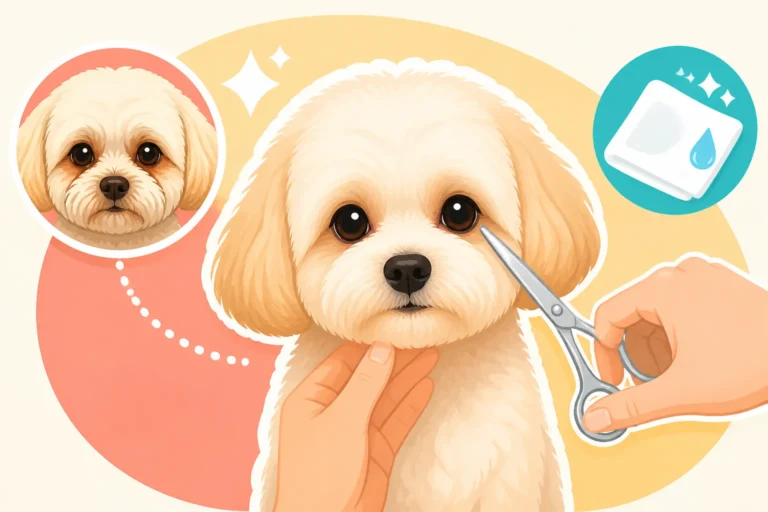
- The Middle Ground: For most Maltipoos, judicious plucking by a professional groomer or your veterinarian is often the best approach. They can assess the amount of hair and pluck only what's necessary, often using a special powder to help grip the hair and reduce discomfort. If your Maltipoo has very sparse ear hair and no history of ear infections, you might not need to pluck at all. Conversely, if your Maltipoo has a lot of hair and struggles with chronic infections, plucking might be essential. This is a conversation best had with your vet, perhaps during one of The Yearly Checks a Maltipoo Should Get. Many professional groomers, whether independent or part of larger services available through Chewy, are well-versed in this delicate task and can advise you on the best course of action for your particular Maltipoo.
The Tools and Techniques for Effective Ear Care
Alright, so you're committed to a regular ear care routine for your Maltipoo. Fantastic! Now, let's talk about what you need to have on hand and how to make the experience as positive as possible for both of you. Having the right tools and a gentle approach makes all the difference. Think of it as assembling a small, dedicated toolkit for ear health.
Gathering Your Maltipoo Ear Care Arsenal
Before you begin, ensure you have everything within arm's reach. Rummaging around while trying to hold a squirming Maltipoo is a recipe for frustration!
- Veterinary-Approved Ear Cleaner: This is non-negotiable. Your vet can recommend a good one, or you can find reputable brands on Amazon or at pet supply stores like those where you might get Ollie's treats. Look for cleaners specifically formulated for dogs that gently dissolve wax and dry the ear canal without irritation. Some even contain ingredients to soothe the skin.
- Cotton Balls or Gauze Pads: These are for wiping away loosened debris and drying the outer ear. Avoid cotton swabs (Q-tips) for anything other than cleaning the very outer folds of the ear, as pushing them into the canal can cause damage or push debris deeper, creating a plug.
- Soft Towel: Essential for wrapping your Maltipoo if they're a bit squirmy, and definitely for catching any solution they shake out! A designated "ear cleaning towel" can be helpful.
- Treats! Plenty of high-value treats are a must. Ear cleaning should be associated with positive experiences. Think about what your Maltipoo absolutely loves.
- Optional – Ear Plucking Powder and Hemostats: If you (or your groomer/vet) decide plucking is necessary, these are the tools used. Again, discuss this with a professional first. Improper use can cause significant pain and injury.
- Good Lighting: You need to see what you're doing! Work in a well-lit area, perhaps near a window or with a good lamp.
Having your "Maltipoo spa day" supplies ready makes the process smooth and efficient, which is better for both you and your furry friend. Consider putting together a little ear care kit, so it's always ready to go. You can find many of these items conveniently bundled or individually on various online pet retailers. For more general advice on home grooming tools, you might find The Kit Needed to Groom a Maltipoo at Home helpful.
A Step-by-Step Guide to Cleaning
Let's walk through the actual cleaning process. Remember, calm energy from you helps keep your Maltipoo calm.
- Get Comfortable: Sit on the floor with your Maltipoo in your lap, or have them lie down comfortably beside you. Offer a small treat to start, to set a positive tone.
- Lift the Ear Flap: Gently lift one ear flap to expose the ear canal. Take a moment to inspect it, as you would during your daily check, noting any redness or debris.
- Apply Cleaner: Hold the bottle of ear cleaner near the opening of the ear canal. Don't touch the tip to the ear to avoid contamination. Squeeze a generous amount of cleaner directly into the canal. You should see it filling up a bit – enough to really get in there and break things down.
- Massage the Base: Gently but firmly massage the base of the ear for 20-30 seconds. You'll hear that satisfying squishy sound as the cleaner works. This helps break up wax and debris from deeper within the canal.
- Let Them Shake: Allow your Maltipoo to shake their head. This helps dislodge loosened gunk. Be prepared with your towel – it can get messy! Give them a moment to get it out.
- Wipe Clean: Use a fresh cotton ball or gauze pad to wipe out any visible dirt, wax, or cleaner from the outer ear and the folds of the ear flap. Go only as far as your finger can comfortably reach; never insert anything deep into the canal. Change cotton balls as needed until no more visible debris comes out.
- Repeat for the Other Ear: Give another treat and a moment of praise, then repeat the process for the second ear.
- Praise and Reward: Finish with lots of praise, belly rubs, and more treats! This reinforces that ear cleaning is a positive experience, leaving them happy and looking forward to the next session.
Remember, patience is key, especially if your Maltipoo is new to this routine. If they struggle, don't force it; take a break and try again later.
Making Ear Care a Positive Experience
Nobody wants their dog to dread grooming time. The goal is to make ear cleaning a calm, even pleasant, routine.
- Start Early: If you have a puppy, start handling their ears gently from day one. Make it part of their daily cuddle time. This desensitizes them and makes them more accepting as they grow. Puppies are sponges for new experiences, so positive early exposure is crucial.
- Short Sessions: Don't try to do a marathon cleaning session if your Maltipoo is resistant. Keep it brief, calm, and positive. You can always do a little more later or the next day. Even just lifting an ear flap and giving a treat is a win in the beginning.
- Positive Reinforcement: This cannot be overstated. Every step of the process – from lifting the ear to applying cleaner to wiping – should be followed by a soft voice, gentle pets, and a high-value treat. If they tolerate even a small part, reward it immediately! This builds strong, positive associations. You can learn more about this approach in articles like Teaching a Maltipoo to Accept Ear Cleaning.
- Be Patient: If your Maltipoo is particularly sensitive or has had bad experiences, go slowly. Start by just touching their ears, rewarding, then gradually work up to lifting the flap, then using cleaner, etc. It might take several sessions to get through the whole process, and that's perfectly fine. Rushing will only cause more stress and resistance.
- Avoid Punishment: Never scold or punish your Maltipoo for resisting. This will only make them associate ear care with fear and negative feelings, making future sessions even harder. It breaks trust and makes your job much harder.
- Consistency is Trust: When your Maltipoo learns that ear cleaning isn't scary and always ends with good things, they will become much more cooperative. It builds a routine they can anticipate and understand.
Recognizing and Addressing Common Ear Issues
Even with the most diligent routine, sometimes things go awry. Knowing the signs of an ear problem and when to seek professional help is crucial for your Maltipoo's comfort and long-term health. Don't ignore symptoms, hoping they'll go away on their own – ear infections can be incredibly painful and can lead to more serious complications if left untreated. Your prompt attention can make a huge difference in their recovery.
Signs of Infection and When to See the Vet
As diligent as you might be, ear infections can still happen. It's often because of a combination of factors, not necessarily a failure on your part.
- Increased Head Shaking or Pawing: This is usually the first noticeable sign that something is irritating your Maltipoo. They might seem frantic trying to alleviate the itch.
- Ear Rubbing: They might rub their head on furniture, the floor, or your leg trying to relieve the itch. This can also lead to skin irritation on the outer ear.
- Redness or Swelling: The inside of the ear flap and the visible part of the ear canal may appear red, inflamed, or puffy. Compare it to the other ear or to healthy skin.
- Discharge: Look for any abnormal discharge – yellow, green, brown, or black gunk. It might be watery, pus-like, or waxy. The amount might increase noticeably.
- Odor: A strong, unpleasant smell coming from the ear is a definite red flag. It can be yeasty (like old bread or corn chips), sour, or even putrid. This is often the first thing owners notice.
- Pain or Sensitivity: Your Maltipoo might cry out, snap, or pull away violently when you try to touch their ear. They might avoid having their head petted.
- Hearing Loss or Balance Issues: In severe cases, an infection might impact their hearing or cause them to walk unsteadily, holding their head tilted.
If you observe any of these symptoms, especially if they are persistent or severe, it's time to call your veterinarian. Do not try to self-diagnose or treat an infection with home remedies. Only a vet can properly diagnose the type of infection (bacterial, yeast, mites, etc.) and prescribe the correct medication. Delaying treatment can lead to chronic issues, spread of infection, or even permanent damage. This is why What a Maltipoo's First Vet Visit Should Include often covers a thorough ear examination as a baseline for health.
Dealing with Yeast and Bacterial Overgrowth
These are the two most common culprits behind Maltipoo ear infections.
- Yeast Infections: Often caused by Malassezia pachydermatis, a fungus that's normally present in small amounts. When the ear environment becomes warm, moist, and lacking airflow, it can overgrow. Signs include a greasy, yellowish-brown discharge and a distinct sweet, yeasty odor (often described as smelling like corn chips or old bread).
- Bacterial Infections: These can be primary infections or secondary to yeast or allergies. Discharge can vary from yellowish-green pus to dark, waxy buildup. The odor is often more foul or pungent. These can be more serious and painful.
Your vet will likely take a swab of the ear discharge to examine under a microscope (cytology) to identify whether it's yeast, bacteria, or a combination. This guides their choice of medication. Treatment typically involves a course of medicated ear drops or ointments, often with specific cleaning instructions. It's crucial to follow your vet's instructions precisely and complete the entire course of medication, even if the ear looks better, to prevent a recurrence. Sometimes, systemic antibiotics or antifungals are needed for more severe or persistent cases. Knowing Whether a Maltipoo Gets Ear Infections is often linked to other health factors, making a comprehensive veterinary approach vital.
Preventing Relapses: Long-Term Strategies
The goal isn't just to treat an infection; it's to prevent it from coming back. Maltipoos, due to their genetics, are often prone to chronic ear issues, but with smart management, you can keep them comfortable.
- Consistent Routine: Sticking to your weekly cleaning schedule and daily checks is your first line of defense. Remember, prevention is always easier (and often much less costly!) than treatment.
- Thorough Drying: After baths, swimming, or even very damp walks, use a soft towel to gently dry the outer ear. You can also use a cotton ball to absorb moisture from the visible part of the canal. Some owners even use a low-setting hairdryer (held far away and constantly moving) to ensure ears are completely dry, being careful not to blast hot air directly into the ear.
- Allergy Management: Many chronic ear infections in Maltipoos are actually secondary to underlying allergies – environmental (pollen, dust mites) or food-related. If your Maltipoo suffers from recurrent ear issues, talk to your vet about allergy testing or dietary changes. Addressing the root cause can significantly reduce ear problems, breaking the cycle of inflammation that predisposes them to infection.
- Regular Grooming and Plucking (if recommended): Keep the hair around and inside the ear trimmed and managed. If your vet or groomer recommends plucking, stick to that schedule. You don't want that furry dam building up again! This is also important for maintaining their overall coat health, as discussed in posts like Grooming an Old Maltipoo.
- Vet Check-ups: Regular vet visits, even when your Maltipoo seems healthy, allow your vet to spot subtle changes or early signs of problems. They can also ensure your current ear care routine is adequate and make recommendations for specific ear cleaners or strategies tailored to your dog.
By being proactive, consistent, and working closely with your veterinarian, you can ensure your Maltipoo's adorable ears stay clean, healthy, and infection-free for a happy, comfortable life. It’s a bit like brushing your own teeth – you wouldn't skip it, and neither should your furry friend's ears be an afterthought!
Here's a quick comparison of ear care tools:
| Tool/Product | Purpose | Usage Frequency | Key Benefit |
|---|---|---|---|
| Veterinary Ear Cleaner | Dissolves wax, cleanses ear canal | Weekly for maintenance, more often for issues | Prevents buildup, maintains pH balance |
| Cotton Balls/Gauze Pads | Wiping outer ear and folds | Daily for checks, weekly for cleaning | Gentle absorption, visible debris removal |
| Soft Towel | Drying ears after bathing/wetness, cleanup | As needed, especially after water exposure | Prevents moisture trapping, good for cleanup |
| High-Value Treats | Positive reinforcement | During and after any ear handling | Makes ear care a pleasant experience |
| Ear Plucking Powder | Helps grip hair for easier plucking | As needed (by professional if applicable) | Facilitates hair removal, reduces slippage |
| Hemostats | Grasping and plucking ear hair | As needed (by professional if applicable) | Precise hair removal from canal |
| Veterinary Visit | Diagnosis and treatment of infections/issues | Immediately if infection suspected, yearly checks | Professional diagnosis, effective medication |
Disclaimer
This article is for general informational purposes only and does not constitute professional advice. Laws, prices and regulations vary by location and change over time. Consult a qualified professional for guidance on your specific situation.