Keeping a Maltipoo’s Fringe Out of Its Eyes
There's nothing quite as sweet as a Maltipoo's innocent gaze, but if you're a Maltipoo parent, you know that sweet gaze often comes with a constant battle: keeping that rapidly growing fringe out of their delicate eyes. It's not just a cosmetic issue; that hair can cause real irritation, obstruct their vision, and lead to more serious problems if left unmanaged. This guide is here to walk you through everything you need to know to keep your Maltipoo's peepers clear, healthy, and happy.
The Daily Battle Against the Maltipoo Fringe
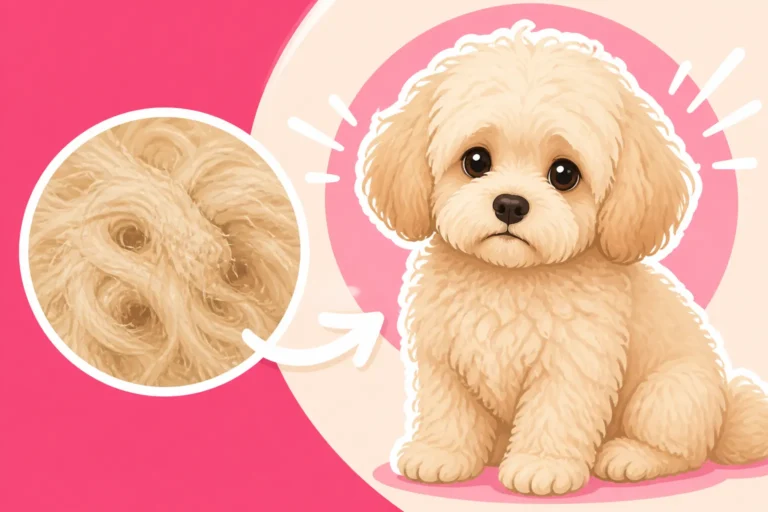
If you own a Maltipoo, you've probably experienced the frustration of seeing strands of hair constantly falling into their eyes. It feels like you trim it one week, and the next, it's back with a vengeance! This isn't just your imagination or bad luck; it's a direct consequence of their unique genetic makeup and coat type. Both the Maltese and the Poodle, the parent breeds of the Maltipoo, are known for their continuously growing hair that doesn't shed like other breeds. While this is fantastic for allergy sufferers, it means their facial hair, especially around the eyes, grows long and can become a real nuisance if not properly maintained.
Why Maltipoo Eye Hair is So Troublesome
The hair around a Maltipoo's eyes isn't just long; it often has a soft, fine texture that can easily stick to the moist surface of the eye. Think about how a stray eyelash feels in your own eye – now imagine a whole curtain of soft, fine hair constantly poking and rubbing against your eye. That's essentially what your Maltipoo is experiencing. The hair grows from above and around the eyes, acting like a magnet for dust, debris, and eye discharge. This creates a perfect storm for irritation and other issues. The speed at which it grows means that even a perfectly trimmed fringe can become problematic within a couple of weeks, demanding consistent attention from you, their devoted human.
Common Problems Caused by Untrimmed Fringe
Leaving your Maltipoo's fringe untrimmed can lead to a cascade of uncomfortable and potentially serious problems. The most immediate issue is direct irritation. The hair constantly rubs against the cornea, which is the clear outer layer of the eye, leading to redness, discomfort, and excessive tearing. This constant wetness, combined with the presence of hair, is a breeding ground for bacterial infections. You might notice your Maltipoo pawing at their face, squinting, or showing signs of pain or discomfort.
Beyond irritation, the hair acts like a wick, drawing tears and moisture away from the eye and onto the surrounding fur. This is a major contributor to the infamous tear staining that many light-colored Maltipoos experience. The moisture creates an environment for yeast and bacteria to grow, resulting in reddish-brown discoloration and sometimes an unpleasant odor. Most concerning, a thick, untrimmed fringe can severely obstruct your Maltipoo's vision. Imagine trying to navigate your world through a perpetually blurry curtain. This can impact their confidence, their ability to play safely, and even their spatial awareness, making them more prone to bumping into things. It’s vital to recognize that this isn't just about aesthetics; it's about their quality of life and preventing pain. You can read more about Whether Untrimmed Hair Scars a Maltipoo's Cornea for a deeper dive into the specific risks.
Essential Tools for Fringe Management
Before you even think about tackling your Maltipoo's eye fringe, you need to arm yourself with the right tools. Trying to use dull or inappropriate scissors can be frustrating for you and potentially dangerous for your pup. Having a dedicated set of grooming tools specifically for facial hair will make the process much smoother and safer. These aren't necessarily expensive items, but choosing quality, sharp tools is crucial.
Scissors, Clippers, and Trimmers
For the delicate area around the eyes, safety is paramount. You'll primarily be using small, blunt-nosed scissors designed for pet grooming. These scissors have rounded tips specifically to reduce the risk of accidentally poking your Maltipoo's eye if they suddenly move. Look for a pair that fits comfortably in your hand and has sharp blades to ensure a clean cut, preventing snagging or pulling. You can often find good options on sites like Amazon or Chewy.
For areas that are too sensitive for scissors, or if you prefer an alternative, a small, quiet pet trimmer can be incredibly useful. These are usually battery-operated and have very narrow blades, perfect for getting into tight spots like the bridge of the nose or just below the eyes. The key is "quiet" – a loud trimmer can be very frightening for a small Maltipoo. Clippers are generally too large and powerful for the delicate eye area, but mini trimmers are fantastic for precise work. If you're new to this, using a trimmer might feel less intimidating than scissors because there's less risk of a sudden jab.
| Tool Type | Best Use | Pros | Cons |
|---|---|---|---|
| Small, Blunt-Nosed Scissors | Trimming longer hairs above and around eyes. | Precise, quiet, good for shaping. | Requires steady hand, risk of accidental poke if dog moves. |
| Small Pet Trimmer (Battery) | Very fine hairs, bridge of nose, under eyes. | Safer for quick touch-ups, often less intimidating sound. | May not cut longer, thicker hair as effectively as scissors. |
| Fine-Toothed Comb | Separating hair, checking for tangles, brushing out debris. | Essential for all facial grooming. | None, truly a must-have. |
| Eye Wipes/Cleanser | Daily cleaning, tear stain prevention. | Gentle, convenient, specific for eye area. | Not a substitute for trimming. |
Combs and Brushes for the Face
A good quality, fine-toothed comb is non-negotiable for facial grooming. Before any trimming, you'll need this comb to gently brush the hair upwards and away from the eyes, allowing you to see exactly what needs to be cut. It also helps detangle any small mats that might have formed and removes loose debris. Look for a comb with closely spaced, smooth teeth that won't pull on their delicate hair. A small metal comb is generally superior to plastic as it glides through the coat more smoothly.
While a slicker brush is great for the body, it's generally too large and harsh for the sensitive facial area. Stick to the fine-toothed comb for their face. The goal is to separate the hair strands, not yank them. Having this comb on hand is also vital for your daily routine, even between trims, to keep the area clear and prevent mats from forming. This daily routine, which includes checking for tangles and debris, is essential for maintaining your Maltipoo's eye health and comfort. You'll find that a small, dedicated comb makes all the difference in achieving the perfect trim and keeping that fringe from becoming an issue.
Cleansers and Wipes for Eye Area
Beyond trimming, daily cleaning is crucial to prevent irritation and minimize tear staining. You'll want to have eye-safe cleansers and wipes readily available. There are many gentle formulations specifically designed for pets that help break down tear stains and remove crusty discharge without irritating the eyes themselves. Brands like Chewy often carry a wide selection of these.
Look for wipes that are pre-moistened and contain natural, non-irritating ingredients. Avoid anything with harsh chemicals, alcohol, or artificial fragrances. When using a cleanser, apply it to a clean cotton pad or ball, rather than directly squirting it into your Maltipoo's eye. Gently wipe away any debris, discharge, or reddish-brown staining. Consistency is key here. Daily wiping, especially for light-colored Maltipoos prone to staining, can make a huge difference in their appearance and overall eye health. This regular practice also helps you monitor for any signs of infection or unusual discharge that might warrant a vet visit. It's an integral part of The Daily Face Wipe a Maltipoo Needs.
Step-by-Step Guide to Trimming and Cleaning
Now that you have your tools, it's time to put them to use. Trimming around a Maltipoo's eyes can feel intimidating at first, but with patience, practice, and the right technique, you'll gain confidence. Remember, a nervous owner often leads to a nervous dog, so try to stay calm and make it a positive experience for your Maltipoo. Break the process down into small, manageable steps.
Preparing Your Maltipoo for a Face Trim
Preparation is half the battle. Your Maltipoo needs to be calm and comfortable with being handled around their face. Start by desensitizing them to touch. Gently touch their face, muzzle, and around their eyes, rewarding them with small, high-value treats and praise. Do this often, even when you're not planning to trim, so they associate facial handling with positive experiences.
Choose a quiet time when your Maltipoo is relaxed, perhaps after a short walk or a play session. Avoid times when they are overly energetic or sleepy, as they might be more prone to sudden movements. Make sure you have good lighting and a non-slip surface to work on. Many owners find it helpful to have their Maltipoo sit or lie on a grooming table or even on their lap, as long as they are secure. If you have another person who can gently hold and reassure your Maltipoo, that can be a big help, especially in the beginning. This groundwork helps significantly in preparing them for Teaching a Maltipoo to Lie Still for a Face Trim.
The Art of a Safe and Effective Trim
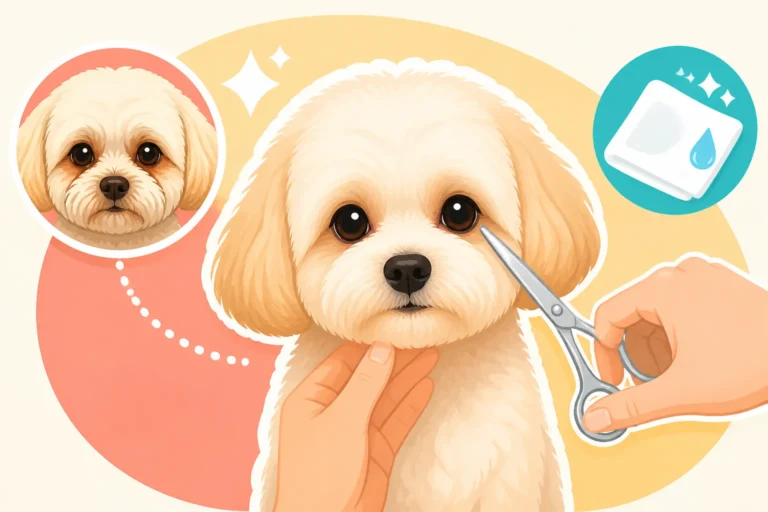
Once your Maltipoo is prepared, you can begin the trim. Here’s how to do it safely:
- Comb the Hair Up: Using your fine-toothed comb, gently brush the hair directly above and around the eyes upwards and outwards. This allows you to clearly see the length and identify any strands that are poking or covering the eyes.
- Hold the Muzzle: Gently but firmly hold your Maltipoo's muzzle with one hand. Your thumb should be on one side of their muzzle, and your fingers on the other, just below their eyes. This keeps their head still and prevents sudden lunges. Never put your fingers directly over their eyes.
- Trim Small Sections: With your blunt-nosed scissors, trim only a very small amount of hair at a time. The goal is to remove the hair that is falling into or over the eyes, not to give them a complete shave around the area. Always point the scissors away from the eye, angling them slightly downwards and outwards.
- Trim Against Gravity: Instead of cutting downwards, gently pull the hair upwards with your comb and then snip horizontally across, just above the eye line. For hair below the eye, comb it downwards and trim horizontally.
- Inner Corner First: Start with the hair at the inner corner of the eye (near the nose). This area often has the most problematic hair. Be extra cautious here. You can gently press down on the eyelid with your finger (from the top, not directly on the eyeball) to create a safer trimming space.
- Bridge of the Nose: Trim the hair on the bridge of the nose if it's growing long and interfering with their vision or acting as a wick for tears. A small pet trimmer can be particularly useful here.
- Check Your Work: After each small snip, comb the hair again and check for any missed spots. Step back and assess their vision. Can they see clearly? Are there any stray hairs poking them?
- Reward: Immediately after the trim, give your Maltipoo lots of praise and a special treat. You want them to associate this process with positive reinforcement.
Remember, slow and steady wins the race. It's better to do several small trims over time than one rushed, risky one.
Daily Cleaning and Maintenance
Trimming is a critical step, but it's only part of the solution. Daily cleaning and maintenance are equally important to keep your Maltipoo's eyes clear and prevent issues from recurring. Think of it as brushing your own teeth – a daily habit that prevents bigger problems down the line.
Every day, ideally in the morning and before bed, take a moment to inspect your Maltipoo's eyes. Look for any discharge, redness, or stray hairs that may have fallen. Use your pet-specific eye wipes or a cotton pad moistened with eye cleanser to gently wipe around the eyes. Always wipe away from the eye, starting from the inner corner and moving outwards. Use a fresh wipe or cotton pad for each eye to prevent spreading any potential infection.
Consistency with this daily routine is key to preventing tear stains from setting in and to keeping the skin around their eyes healthy. Regular wiping removes the moisture and bacteria that contribute to the reddish discoloration, especially for white or cream-colored Maltipoos. This isn't just about appearance; it's about comfort and hygiene. This daily attention is paramount for Keeping a Maltipoo's Face Trimmed and Clean.
Alternative and Supportive Solutions
While regular trimming and cleaning are the cornerstones of managing your Maltipoo's eye fringe, there are other strategies and considerations that can help. Sometimes, a combination of approaches works best, especially if your Maltipoo is particularly prone to excessive eye discharge or matting around the face.
Topknots and Hair Clips
For Maltipoos with longer hair that isn't regularly trimmed short, a topknot can be a fantastic way to keep the fringe out of their eyes. This involves gathering the hair on top of their head and securing it with a small, pet-safe elastic band or clip. It's not just adorable; it's highly functional!
To create a topknot, gently part the hair above the eyes, bringing it up towards the crown of their head. Use a fine-toothed comb to smooth it out and then gather it into a small ponytail. Secure it snugly but not too tightly, ensuring it's comfortable for your pup. You can also use small, non-slip barrettes or clips to sweep shorter strands away from the eyes. Be sure to use products specifically designed for pets, as human hair ties can pull and damage delicate fur. Always check the topknot daily to ensure it's not pulling, causing irritation, or getting matted. While it's a great temporary solution, a topknot still requires regular grooming to keep the hair clean and free of tangles.
Professional Grooming for the Face
Let's be real: not everyone feels comfortable wielding scissors near their beloved Maltipoo's eyes, and that's perfectly okay! Professional groomers are experts at this. They have specialized tools, experience, and techniques to safely and efficiently trim your Maltipoo's facial hair. If you're nervous or your Maltipoo is particularly squirmy, a professional groomer is an invaluable resource.
When you take your Maltipoo to the groomer, be very specific about what you want. Ask for a "face trim" or to have the hair around their eyes "scooped out" or "cleaned up." You might even show them pictures of how you'd like it to look. Regular visits, perhaps every 2-4 weeks specifically for a face trim if not a full groom, can keep their eyes consistently clear. This also provides an opportunity for the groomer to spot any developing issues you might miss. It's a great idea to start your Maltipoo with professional grooming early, as detailed in How Early a Maltipoo Should Meet a Groomer, to get them accustomed to the process.
Nutritional Support and Hydration
While trimming and cleaning are direct solutions, some underlying factors can contribute to excessive tearing and tear staining, and diet can play a role. Poor quality food, or food with artificial additives, can sometimes cause inflammation or allergic reactions that manifest as increased eye discharge. While it's not a magic bullet for stopping hair growth, a high-quality, balanced diet can support overall health, which may, in turn, reduce excess tearing.
Consider feeding a premium dog food that uses whole, recognizable ingredients. Some owners find that switching to a fresh food diet, like those offered by companies such as Ollie, can sometimes help reduce tear staining, though individual results vary greatly. Ensuring your Maltipoo always has access to fresh, clean water is also important for overall hydration and health. Sometimes, the minerals in tap water can exacerbate tear staining, so some owners opt for filtered water. It's not a direct fix for the fringe, but a healthy dog often has healthier eyes with less discharge.
Common Mistakes and How to Avoid Them
Even with the best intentions, it's easy to make mistakes when dealing with your Maltipoo's delicate eye area. Being aware of these common pitfalls can help you avoid them, ensuring a safer and more effective grooming routine for your furry friend.
Rushing and Using the Wrong Tools
One of the biggest mistakes owners make is rushing the process or using inappropriate tools. Trying to quickly snip away hair when your Maltipoo is squirming or distracted is a recipe for disaster. A sudden head movement can lead to a serious injury, as even blunt-nosed scissors can cause harm if used carelessly. Remember, patience is your most valuable tool. Take breaks if your Maltipoo gets agitated, and resume when they are calm again.
Equally important is avoiding the use of household scissors, human nail clippers (yes, some people try!), or oversized grooming scissors. These tools are not designed for the delicate task of trimming eye hair and significantly increase the risk of injury. Always invest in proper blunt-nosed grooming scissors or a small pet trimmer. Using the right tools makes the job easier, safer, and less stressful for both you and your Maltipoo.
Neglecting Daily Care
It's tempting to think that once you've done a good trim, you're set for a while. However, Maltipoo hair grows continuously, and that fringe will start creeping back towards their eyes surprisingly quickly. Neglecting daily care between trims is another common mistake. This includes skipping daily combing, wiping, and general inspection of the eye area.
When you neglect daily care, debris and discharge can accumulate, leading to matting, irritation, and accelerated tear staining. What might have been a minor issue of a few stray hairs can quickly escalate into a matted, sticky mess that requires more drastic intervention, like a full shave of the area. Establishing a routine, even a quick five-minute check and wipe each day, can prevent a lot of headaches and keep your Maltipoo much more comfortable. Think of it as part of The Daily Routine a Maltipoo Needs.
Ignoring Signs of Eye Irritation
Maltipoos are small and sometimes stoic, making it easy to miss subtle signs of discomfort. A common mistake is to overlook or dismiss signs of eye irritation, assuming it's "just allergies" or "normal tear stains." However, persistent squinting, excessive tearing, redness, pawing at the face, or discharge that changes in color or consistency (e.g., green or yellow discharge) are all red flags that warrant attention.
If you notice any of these symptoms, it's crucial to consult your veterinarian. Untreated eye irritation can lead to more severe conditions, such as corneal ulcers, infections, or chronic pain. While you can manage the fringe at home, you are not a veterinary ophthalmologist. Your vet can properly diagnose the cause of the irritation and recommend appropriate treatment, which might range from medicated eye drops to addressing underlying health issues. Regular veterinary checks, as discussed in The Yearly Checks a Maltipoo Should Get, are always a good idea to catch potential problems early.
Disclaimer
This article is for general informational purposes only and does not constitute professional advice. Laws, prices and regulations vary by location and change over time. Consult a qualified professional for guidance on your specific situation.