Seizures in a Maltipoo
It’s truly terrifying when your beloved Maltipoo suddenly starts shaking uncontrollably, collapses, or experiences strange, jerky movements. That moment, when your furry companion is no longer responsive and seems to be fighting an invisible battle, is one of the most frightening experiences a pet parent can face. We all want our little ones to be safe and healthy, and a seizure can feel like a profound violation of that trust. This guide is here to walk you through what seizures in Maltipoos look like, why they happen, and how you can manage them to give your cherished friend the best possible quality of life.
Understanding Maltipoo Seizures
Seeing your Maltipoo have a seizure can be incredibly distressing, and it’s completely natural to feel panicked. The first step to managing this condition effectively is to understand what's actually happening and how to recognize the different phases of a seizure. It’s not always the dramatic, thrashing event you might picture; sometimes, they can be much more subtle.
What a Seizure Looks Like in a Maltipoo
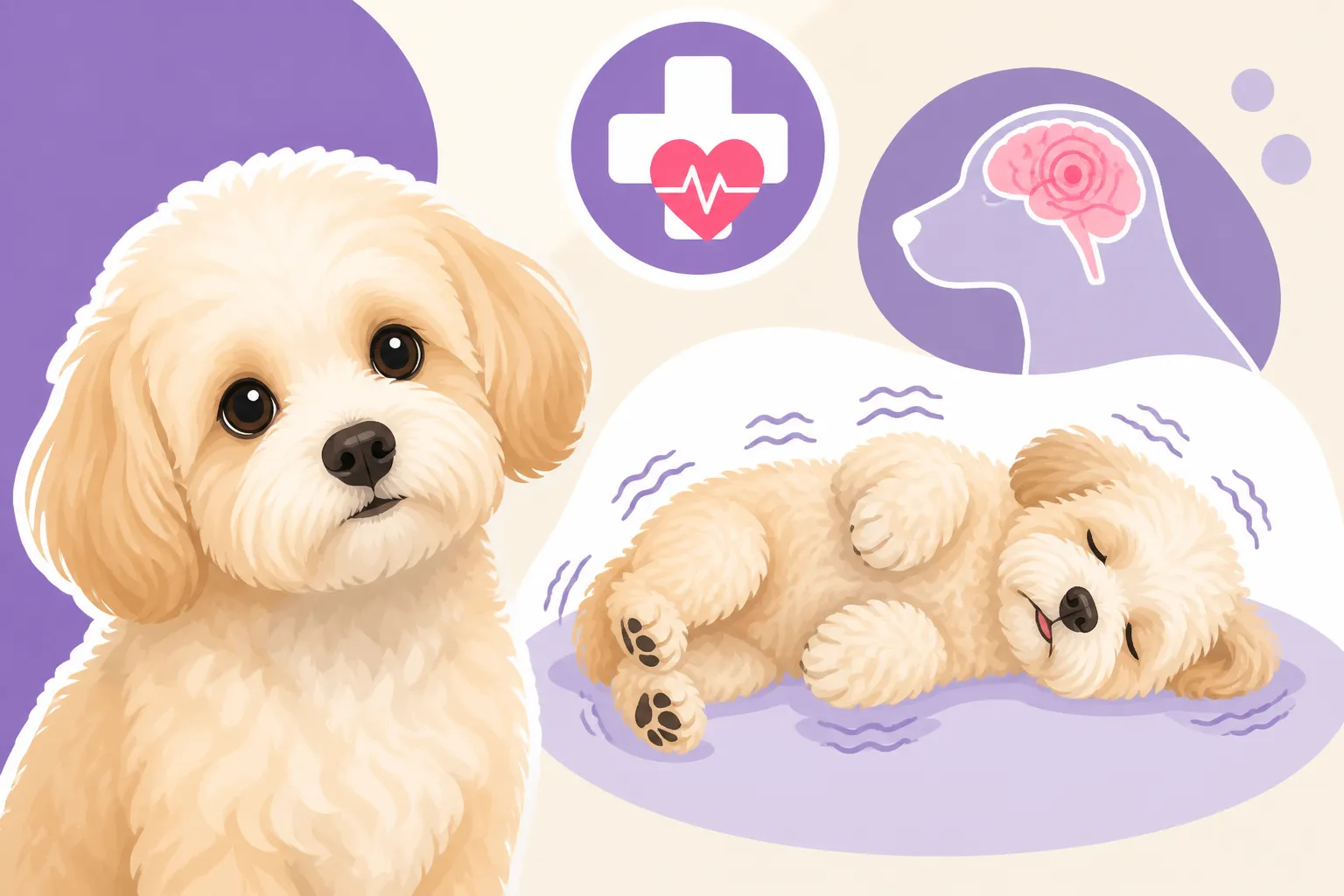
Seizures in Maltipoos, like in any dog, are caused by abnormal electrical activity in the brain. They can manifest in various ways, but generally fall into two main categories: generalized (grand mal) and focal (partial) seizures.
A generalized seizure is often what people imagine when they think of a seizure. Your Maltipoo might suddenly collapse, lose consciousness, and exhibit full-body convulsions. This can include rhythmic jerking of all four limbs, jaw chomping, excessive drooling, vocalizing (whimpering or crying out), and even loss of bladder or bowel control. Their eyes might be fixed or darting. These episodes are often quite dramatic and can last from a few seconds to a few minutes. It can feel like an eternity when it's happening. Many owners describe their Maltipoo seeming utterly absent, a vacant stare in their eyes just before the full-blown event, which can be an early warning sign. You might also notice a sudden stiffness before the jerking begins.
Focal seizures, on the other hand, can be much harder to spot and are often mistaken for behavioral quirks or minor muscle spasms. They affect only a localized part of the brain, leading to symptoms in just one part of the body. This could be twitching of a single limb, facial twitching, head bobbing, or even odd, repetitive behaviors like tail chasing, fly biting, or excessive licking. Your Maltipoo might remain conscious or have an altered awareness during these events. It’s easy to dismiss these as just "being weird," but if you notice any consistent, unusual, or repetitive movements or behaviors, it’s always worth noting them down and discussing them with your vet. Sometimes, owners describe their Maltipoo looking like it’s chasing an invisible bug, or repeatedly snapping at the air. It’s important to differentiate these from a playful moment, as the repetitive, involuntary nature is key.
The Post-Seizure State
Just as important as recognizing the seizure itself is understanding what happens afterward, known as the post-ictal phase. This period can be just as disorienting and frightening for your Maltipoo, and it’s critical to provide a safe and calm environment.
After a seizure, your Maltipoo might appear confused, disoriented, or even temporarily blind. They might wander aimlessly, bump into furniture, or struggle to recognize you. Some dogs become restless and pace, while others might seem exhausted and just want to sleep. You might also notice increased thirst and hunger. This post-ictal phase can last from a few minutes to several hours, and in some cases, even a day or two. It’s heartbreaking to see your usually bright and affectionate Maltipoo so utterly lost and vulnerable. During this time, it's vital to speak to them in a calm, reassuring voice, avoid startling them, and keep them away from stairs or other hazards. They are not intentionally ignoring you or being naughty; their brain is simply recovering. It's a good idea to keep a close eye on their temperature as well, as prolonged seizure activity can cause hyperthermia. Sometimes, after a particularly intense seizure, a Maltipoo might even exhibit temporary weakness or paralysis in one or more limbs, further adding to the owner's worry. This is usually transient, but always warrants a discussion with your veterinarian.
It’s often helpful to record the duration of the seizure and the post-ictal phase, along with any specific symptoms observed. This information will be invaluable to your veterinarian in diagnosing the cause and formulating a treatment plan.
Common Causes of Seizures in Maltipoos
Understanding the potential causes of seizures in Maltipoos is crucial for effective management. While the exact reason isn't always identified, knowing the common culprits helps your vet narrow down diagnostic pathways. It's not just about what you see on the outside; it's about what's going on deep inside their little bodies.
Idiopathic Epilepsy
Idiopathic epilepsy is perhaps the most common cause of recurrent seizures in dogs, and Maltipoos are no exception. The term "idiopathic" essentially means that there's no identifiable underlying cause for the seizures – the brain itself is structurally normal, and there are no other obvious health problems triggering the episodes. It's often considered a genetic predisposition, though the specific genes haven't been fully mapped for all breeds or mixes like the Maltipoo.
Typically, idiopathic epilepsy presents itself between six months and five years of age. Seizures can occur with varying frequency, from once every few months to several times a week. It’s a truly frustrating diagnosis for owners because it means there's no "fix" for the underlying issue, only management of the symptoms. While the Maltese and Poodle breeds, from which the Maltipoo descends, are generally not considered primary breeds for idiopathic epilepsy, individual genetic lines can certainly carry a predisposition. This is where it helps to have a good relationship with your breeder and understand the health history of the parent dogs, though unfortunately, many breeders of designer dogs don't track such information as diligently as purebred enthusiasts. If your Maltipoo is experiencing recurrent seizures and all other causes have been ruled out, idiopathic epilepsy is often the default diagnosis. This doesn't make it any less serious, but it guides the treatment plan towards seizure control medications.
Metabolic and Toxin-Related Seizures
Beyond idiopathic epilepsy, seizures can be a symptom of a wide range of other medical issues or exposure to toxins. These are often referred to as symptomatic seizures, meaning they are a symptom of another problem rather than the primary disease itself.
Metabolic conditions are a significant concern, especially for small breeds like Maltipoos. One of the most common metabolic causes, particularly in puppies, is Hypoglycemia and the Teacup Maltipoo Puppy. Low blood sugar can cause severe neurological symptoms, including weakness, disorientation, trembling, and ultimately, seizures. This is why What a Hypoglycemic Episode Looks Like in a Maltipoo is so important to recognize, and why quick action with something like Karo syrup can be life-saving. Other metabolic issues, such as severe liver disease, including a condition like The Liver Shunt a Maltipoo Can Inherit From the Maltese, can lead to a buildup of toxins in the bloodstream that affect brain function. Kidney failure can also cause toxin accumulation. Electrolyte imbalances, like abnormal calcium or sodium levels, can also trigger seizures.
Then there are toxins. Our homes are full of potential dangers for curious Maltipoos. Ingesting certain poisons, such as rodenticides, antifreeze, or even human medications (especially chocolate, xylitol found in sugar-free gum, or certain antidepressants), can lead to acute seizures. Even some flea and tick products, if not used correctly or if your Maltipoo is unusually sensitive, can cause neurological reactions. It’s a constant worry for pet owners, trying to puppy-proof every corner of the house. If you suspect your Maltipoo has ingested something harmful, seeking immediate veterinary attention is paramount.
Structural Brain Issues
Sometimes, seizures are a direct result of a physical problem within the brain itself. These structural abnormalities can be present from birth or develop later in life.
One concerning congenital condition that can lead to seizures is hydrocephalus, or "water on the brain." This is particularly relevant for toy breeds with domed heads, like the Maltese and Poodle, and by extension, the Maltipoo. If your Maltipoo has Whether a Maltipoo Gets Hydrocephalus, excess cerebrospinal fluid builds up in the brain, putting pressure on the brain tissue and causing various neurological signs, including seizures. Brain tumors, unfortunately, are another structural cause. They can grow slowly, causing subtle changes over time, or they can trigger sudden and severe seizures. While more common in older dogs, they can occur at any age. Trauma, such as a severe head injury from a fall or accident, can also lead to brain damage and subsequent seizure activity, either immediately or much later in life. It's a stark reminder of why it's so important to protect our little Maltipoos from accidental falls. Inflammatory conditions affecting the brain, such as encephalitis (inflammation of the brain) or meningitis (inflammation of the membranes surrounding the brain), can also be significant seizure triggers. These are often caused by infections (bacterial, viral, fungal, or parasitic) or sometimes immune-mediated diseases. Diagnosing these structural causes often requires advanced imaging like MRI, which can be a significant undertaking both emotionally and financially. This is where comprehensive pet insurance from providers like Healthy Paws can truly help alleviate the burden, covering a portion of these expensive diagnostic tests.
Diagnosing Seizures and Underlying Conditions
When your Maltipoo experiences a seizure, the primary goal of your veterinarian will be to determine the underlying cause. This process can be thorough and sometimes lengthy, involving a combination of observation, blood tests, and potentially advanced imaging. It's a journey of elimination, and patience on your part is key.
The Initial Vet Visit
Your first step after your Maltipoo has a seizure is to contact your veterinarian. Even if the seizure has passed and your Maltipoo seems to be recovering, a prompt evaluation is crucial. The more information you can provide, the better.
During the initial visit, your vet will conduct a comprehensive physical examination, including a neurological assessment. They'll be looking for any abnormalities that might point to a specific cause. They'll ask you a lot of questions, so be prepared to describe the seizure in as much detail as possible. This includes:
- When did it happen? The exact time and date.
- How long did it last? Timing the actual convulsive phase is very important.
- What did it look like? Did your Maltipoo lose consciousness? Were all limbs involved, or just one side? Was there paddling, drooling, vocalizing, or loss of bladder/bowel control?
- What happened before and after? Were there any warning signs (aura) leading up to it, and how did your Maltipoo behave during the post-ictal phase?
- Frequency: Is this the first seizure, or has your Maltipoo had others?
- Exposure: Have they been exposed to any toxins, new foods, or medications?
- Recent trauma or illness: Any falls, bumps to the head, or recent health issues?
It's helpful to keep a seizure diary or even take a video of an episode if it's safe and practical to do so, as this visual evidence can provide invaluable clues for your vet. Don’t worry if you didn’t get a video; your detailed description is still extremely helpful. This initial conversation helps your vet decide what the next diagnostic steps should be, ruling out the most common and easily treatable causes first.
Diagnostic Testing
Once your vet has a clear picture of the seizure event, they’ll recommend a series of diagnostic tests to investigate potential causes. This often starts with basic blood work and may escalate to more advanced procedures.
Standard blood tests are typically the first line of defense. A complete blood count (CBC) and biochemistry panel can reveal metabolic abnormalities such as hypoglycemia, liver disease (like those related to The Liver Shunt Test a Maltipoo Puppy Should Have), kidney disease, or electrolyte imbalances. These tests are relatively quick and can rule out many systemic causes of seizures. A urinalysis might also be performed. For younger Maltipoos, or if hypoglycemia is suspected, additional blood tests might be run to check specific hormone levels. It's also worth noting that distinguishing between conditions can be tricky; for instance, understanding Whether a Trembling Maltipoo Is Cold or Sick might involve some of these initial diagnostic steps.
If the initial blood work comes back normal, and the seizures are recurrent or severe, your vet might suggest more specialized tests. These could include:
- Bile Acid Testing: If liver shunt is a strong suspicion, a pre- and post-meal bile acid test provides a more definitive diagnosis.
- CSF Analysis: A sample of cerebrospinal fluid (CSF) can be taken to look for signs of inflammation, infection, or other abnormalities in the brain and spinal cord.
- Advanced Imaging (MRI/CT Scan): This is often considered the gold standard for ruling out structural brain lesions such as tumors, hydrocephalus, or inflammation. An MRI provides detailed images of the brain tissue and is crucial for diagnosing conditions like Whether a Maltipoo Gets Hydrocephalus. These procedures require general anesthesia and can be quite expensive, which is why having pet insurance, such as a plan from Healthy Paws, can be incredibly beneficial for covering these costs.
- EEG (Electroencephalogram): While less common in veterinary medicine than in human medicine, an EEG can sometimes be used to measure brain activity and help confirm a seizure disorder.
Only after a thorough diagnostic workup, and if all other causes have been ruled out, will a diagnosis of idiopathic epilepsy be made. It's a diagnosis of exclusion, meaning everything else has to be eliminated first.
Managing Seizures in Maltipoos
Once a diagnosis has been made, or if your Maltipoo is experiencing recurrent seizures without an identifiable cause (idiopathic epilepsy), the focus shifts to management. The goal is to reduce the frequency, severity, and duration of seizures, thereby improving your Maltipoo's quality of life and your peace of mind.
Anti-Epileptic Medications
For Maltipoos diagnosed with recurrent seizures, particularly idiopathic epilepsy, medication is usually the cornerstone of treatment. Anti-epileptic drugs (AEDs) work by stabilizing electrical activity in the brain.
The choice of medication will depend on several factors, including the frequency and severity of seizures, your Maltipoo's overall health, and potential side effects. The most commonly prescribed AEDs include phenobarbital, potassium bromide, levetiracetam (Keppra), and zonisamide. Often, treatment begins with a single drug, and if seizures are not adequately controlled, another medication might be added or the dosage adjusted. It's not uncommon for your Maltipoo to need a combination of drugs to achieve optimal seizure control.
It’s important to understand that AEDs don't "cure" epilepsy; they manage the symptoms. This means lifelong medication is often necessary. Consistency is absolutely critical: medications must be given exactly as prescribed, at the same time every day, to maintain stable drug levels in your Maltipoo's system. Missing doses can trigger breakthrough seizures. When it comes to managing conditions like Whether an Epileptic Maltipoo Can Be Managed, patience and adherence to the medication schedule are paramount.
Your vet will need to monitor your Maltipoo closely after starting medication. This includes regular blood tests to check drug levels, assess liver and kidney function (as some AEDs can affect these organs), and adjust dosages as needed. Side effects can occur, such as sedation, increased appetite, thirst, or changes in behavior. While these often lessen over time, it's vital to report any concerns to your vet. The aim is to find the lowest effective dose that controls seizures with the fewest side effects, allowing your Maltipoo to live a happy, functional life.
Emergency Protocols and What to Do
Despite being on medication, some Maltipoos may still experience breakthrough seizures. It's essential for owners to know how to react during and immediately after a seizure to ensure their pet's safety.
First and foremost, stay calm. Panicking won't help your Maltipoo. The most important thing to do during a seizure is to prevent injury. Move any furniture or objects your Maltipoo could hit their head on. Never put your hands in their mouth; they could accidentally bite you, not out of aggression, but due to involuntary jaw contractions. Your Maltipoo is not swallowing their tongue, so there's no need to interfere. Instead, try to cushion their head with a towel or blanket if possible. Keep noise and light to a minimum.
Time the seizure. Use a stopwatch or note the start and end times. This information is crucial for your vet. If a seizure lasts longer than five minutes, or if your Maltipoo has multiple seizures in a short period without fully recovering consciousness in between (known as cluster seizures), this is considered a medical emergency. These prolonged or cluster seizures can lead to overheating, brain damage, and other life-threatening complications. In such cases, you need to get your Maltipoo to an emergency veterinary clinic immediately. Your vet might prescribe an emergency rectal or intranasal medication (like diazepam or midazolam) for you to administer at home if a seizure goes on for too long, but this should only be used under their direct guidance.
After the seizure, during the post-ictal phase, your Maltipoo will be disoriented. Speak softly, reassure them, and keep them warm and quiet. Offer them fresh water once they are fully conscious and steady. Avoid sudden movements or loud noises that could startle them. Continue to monitor them closely and contact your vet to let them know a seizure occurred, even if it was short. They may want to adjust medication or bring your Maltipoo in for a check-up. The cost of an emergency visit for a prolonged seizure can be substantial, similar to What an Emergency Sugar Crash Costs a Maltipoo Owner, so being prepared for such expenses is wise.
Living with a Maltipoo with Seizures
Caring for a Maltipoo with seizures is a long-term commitment that involves careful management, a safe home environment, and a deep understanding of their unique needs. It’s about creating a supportive world for your special companion.
Creating a Safe Home Environment
Beyond medication, making your home a safe haven is critical for a Maltipoo prone to seizures. This involves proactively identifying and mitigating potential hazards.
During a seizure, your Maltipoo loses control of their body, making them vulnerable to injury from falls or collisions. The first step is to block access to stairs, especially if you have an older home with steep steps. Use baby gates or pet barriers to prevent accidental falls. Secure any loose rugs or runners that could cause them to trip during a post-ictal disorientation phase. Pad sharp corners on furniture with child-proofing guards if your Maltipoo tends to wander or bump into things after an episode.
It's also essential to be mindful of water hazards. If your Maltipoo is prone to seizures, it might be wise to put the toilet lid down or restrict access to bathrooms during unsupervised times to prevent accidental drowning. Similarly, if you have a pool, ensure it is securely fenced off. Any hard, elevated surfaces, like tables or chairs that your Maltipoo might try to jump onto or off of, should also be considered. If your Maltipoo frequently uses furniture like the sofa or bed, consider getting Whether a Maltipoo Should Use Steps to the Sofa to minimize jumping impact on their joints, and also reduce the risk of falling off while disoriented. This level of vigilance might seem like a lot of work, but it’s a small price to pay for your Maltipoo's safety.
Additionally, always ensure potential toxins are out of reach. This includes human medications, cleaning supplies, and toxic plants. Knowing that your Maltipoo is in a safe environment can provide immense peace of mind, especially when you can't be by their side every moment.
Long-Term Care and Quality of Life
Living with a Maltipoo with seizures requires ongoing vigilance, regular veterinary check-ups, and a commitment to maintaining their overall well-being. The goal is to ensure they can still enjoy a full, happy life despite their condition.
Routine veterinary care is paramount. Your Maltipoo will need regular check-ups to monitor their seizure activity, assess the effectiveness of medication, and screen for any side effects or changes in their overall health. This includes The Yearly Checks a Maltipoo Should Get, which will likely involve blood work to evaluate organ function, especially if they are on anti-epileptic drugs long-term. Your vet might adjust medication dosages based on seizure frequency, and this fine-tuning can take time. It's a partnership between you and your vet to find the best balance.
Beyond medication, a balanced diet and appropriate exercise contribute to overall health. While exercise is important, avoid over-exercising or situations that cause extreme stress or excitement, as these can sometimes be seizure triggers for some dogs. Understanding Whether Stress Triggers a Maltipoo's Sugar Crash can provide insight into how various factors can impact your Maltipoo's delicate system. Ensure your Maltipoo has a comfortable, quiet place to rest and recover after any physical activity.
Emotional support is also crucial. Your Maltipoo might be more sensitive or clingy, or simply need more reassurance. Positive reinforcement and a consistent routine can help reduce anxiety. While it can be tempting to treat your Maltipoo differently after a seizure diagnosis, striving for as normal a life as possible, within safe parameters, is best for their mental well-being. Many dogs with well-managed epilepsy lead long and happy lives. It's all about diligent care and understanding their individual needs. Don't let the diagnosis overshadow the joy and companionship your Maltipoo brings into your life.
The Role of Diet and Supplements
While diet and supplements typically don't cure seizures, they can play a supportive role in overall brain health and potentially help manage seizure activity in some Maltipoos. This is an area to discuss thoroughly with your veterinarian.
Some owners explore dietary changes, often in conjunction with medication. For instance, diets rich in medium-chain triglycerides (MCTs) have shown some promise in certain dogs with epilepsy. These diets, or specific MCT oil supplements, are thought to provide an alternative energy source for the brain, potentially reducing seizure activity. However, any significant dietary change should always be introduced gradually and under veterinary supervision, especially for small dogs like Maltipoos, whose digestive systems can be sensitive. It's not a one-size-fits-all solution, and what works for one dog might not work for another. Remember that proper nutrition is fundamental, and ensuring your Maltipoo is getting enough calories, as discussed in How Many Calories a Six Pound Maltipoo Needs, is always important, especially if they are highly active or recovering from a seizure.
Certain supplements are also sometimes considered. Omega-3 fatty acids, commonly found in fish oil, are known for their anti-inflammatory properties and support of neurological health. Antioxidants, like vitamins C and E, may help protect brain cells from damage. However, it's crucial to approach supplements with caution. The pet supplement market is largely unregulated, and not all products are created equal. Always choose high-quality brands recommended by your veterinarian and ensure they don't interact negatively with any prescribed medications. Never attempt to replace anti-epileptic medication with supplements alone, as this can lead to dangerous withdrawal seizures or loss of seizure control. These are complementary therapies, not standalone treatments, and should always be part of a comprehensive plan developed with your vet.
Here's a quick reference table summarizing common seizure types and what they might look like in your Maltipoo:
| Seizure Type | Key Characteristics | Maltipoo Presentation | Duration | Immediate Action |
|---|---|---|---|---|
| Generalized (Grand Mal) | Loss of consciousness, full-body convulsions (jerking, paddling), stiffness, drooling, vocalizing, loss of bladder/bowel control. | Collapse, rhythmic jerking of all limbs, fixed or darting eyes, champing jaw, loud cries. | Seconds to 5 mins | Protect from injury, time the seizure, stay calm. |
| Focal (Partial) | Twitching of one body part (limb, face), head bobbing, repetitive behaviors (fly biting, tail chasing), altered awareness. | Facial twitch, ear flapping, one leg jerking, seemingly "stuck" in a repetitive motion, staring. | Seconds to 1-2 mins | Observe carefully, note details, record if possible. |
| Cluster Seizures | Multiple seizures within 24 hours with incomplete recovery between episodes. | Multiple generalized or focal seizures in quick succession, dog remains disoriented. | Varies | EMERGENCY! Seek immediate veterinary care. |
| Status Epilepticus | A single seizure lasting longer than 5 minutes or multiple seizures without regaining consciousness. | Continuous seizure activity, often intense. | > 5 mins | CRITICAL EMERGENCY! Seek immediate veterinary care. |
Remember, any suspected seizure activity warrants a conversation with your veterinarian.
Disclaimer
The information provided in this guide about seizures in Maltipoos is intended for general informational purposes only and does not constitute veterinary medical advice. It is not a substitute for professional diagnosis, treatment, or care from a qualified veterinarian. Always seek the advice of your veterinarian or other qualified animal health provider with any questions you may have regarding a medical condition or treatment for your Maltipoo. Never disregard professional veterinary advice or delay in seeking it because of something you have read in this article.