Whether Both of a Maltipoo’s Knees Go
It's incredibly worrying when you notice your sweet Maltipoo skipping a step or holding up a leg, signaling a potential issue like a slipping kneecap. The first thing many owners ask, often with a knot of dread in their stomach, is if the other knee is destined to follow suit. This guide aims to shed light on the reality of patellar luxation in Maltipoos, addressing whether both knees typically go, what to expect, and how to best support your furry family member through it.
Understanding Patellar Luxation in Maltipoos
Patellar luxation, often simply called a "slipping kneecap," is a surprisingly common orthopedic issue in small breed dogs, and our beloved Maltipoos are unfortunately right in the thick of it. It’s a condition that can cause discomfort, pain, and eventually, arthritis if not managed properly.
What is Patellar Luxation?
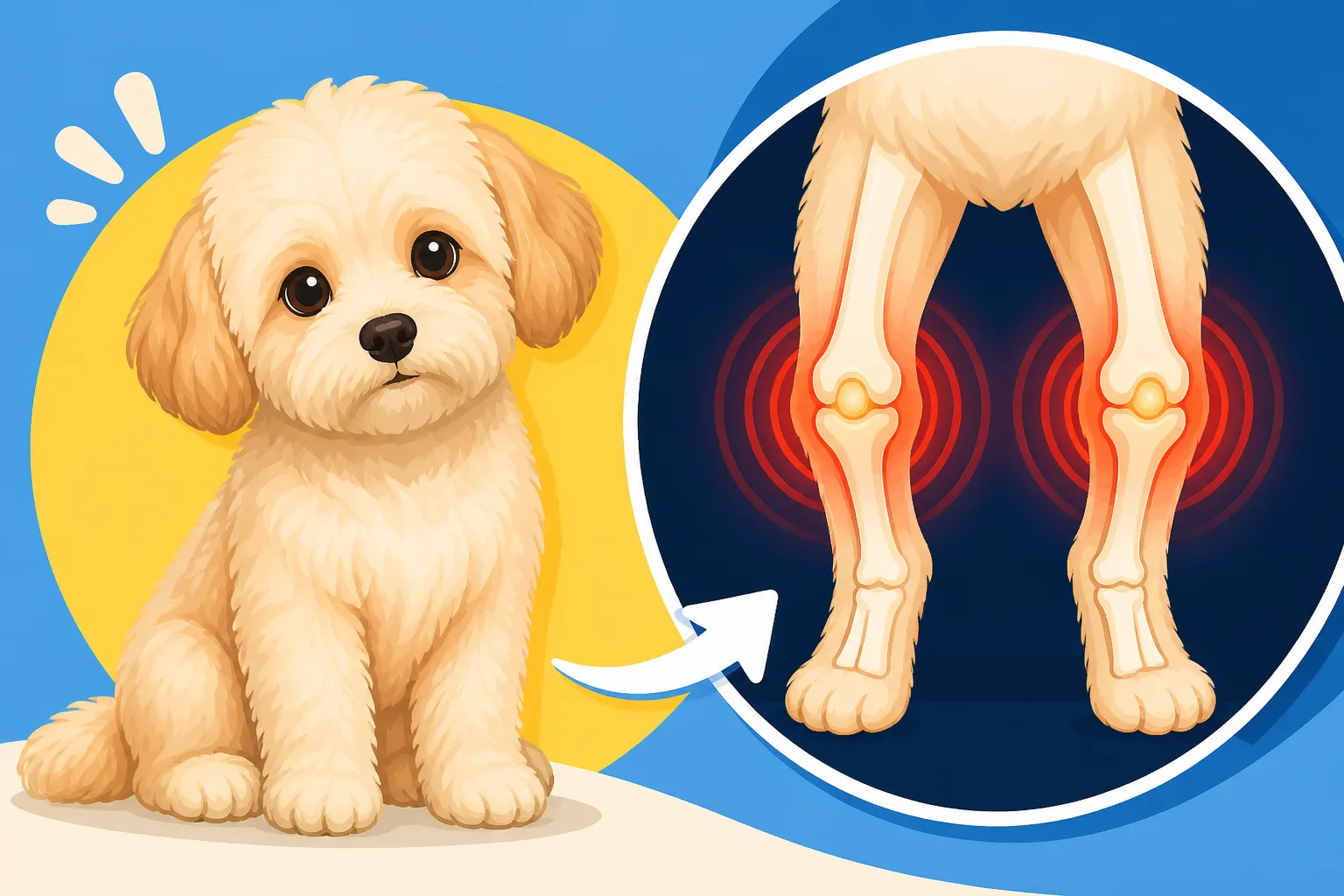
At its core, patellar luxation means that the kneecap (patella) dislocates or slips out of its normal groove on the thigh bone (femur). Imagine a train running off its track; that's essentially what happens with the patella. This groove, called the trochlear groove, is supposed to hold the patella snugly in place as the knee flexes and extends. When the patella slips, it can go inwards (medial luxation, which is more common in small dogs) or outwards (lateral luxation). This slippage causes varying degrees of lameness, from an occasional skip to severe, persistent pain and an inability to bear weight on the affected leg. You might notice your Maltipoo suddenly holding up a leg for a few steps, then putting it down as if nothing happened – that’s often the hallmark sign that the patella has popped out and then popped back in on its own.
Why Maltipoos are Prone to This Condition
Maltipoos inherit their charming personalities and luscious coats from their parent breeds, the Maltese and the Poodle. Unfortunately, they can also inherit a predisposition to certain health conditions, with patellar luxation being high on that list. Both Maltese and Poodles are known to be genetically susceptible to this condition, meaning a Maltipoo puppy often has a higher chance of developing it. Their small size and delicate bone structure contribute to this vulnerability. The angle of their leg bones, the depth of the trochlear groove, and the tension of the surrounding ligaments can all play a role. It’s not necessarily a sign of poor breeding in all cases, but rather an unfortunate reality of their genetic makeup. This is why understanding The Age a Maltipoo's Kneecap First Slips is so crucial, as early detection can make a big difference in management.
The Four Patella Grades
Veterinarians typically grade patellar luxation on a scale from 1 to 4, with Grade 1 being the mildest and Grade 4 the most severe. This grading system helps determine the best course of action and what you can expect in terms of symptoms and prognosis.
- Grade 1: This is the mildest form. The patella can be manually luxated (slipped out of place) by a vet, but it spontaneously reduces (slips back into place) when the manual pressure is released. Your Maltipoo might show minimal or no clinical signs, perhaps just an occasional skip.
- Grade 2: The patella luxates spontaneously or when the leg is flexed, and it can stay luxated for a longer period. It might slip back into place on its own with extension of the limb, or your vet might need to manually put it back. Dogs with Grade 2 luxation often exhibit more frequent skipping or lameness, especially after exercise. This is where you might first notice The Skip in a Maltipoo's Walk That Means a Patella.
- Grade 3: The patella is luxated most of the time. While it can be manually reduced, it will quickly reluxate once the manual pressure is released. Dogs with Grade 3 patellar luxation usually have a persistent lameness, and the leg might look bowed. They'll often try to avoid putting weight on the affected limb.
- Grade 4: This is the most severe grade. The patella is permanently luxated and cannot be manually reduced. The trochlear groove is often very shallow or non-existent, and the leg bones may be significantly deformed. Dogs with Grade 4 luxation are severely lame and often walk with a crouched gait, holding the affected leg up, or using it in an abnormal way.
Understanding The Four Patella Grades and Where a Maltipoo Lands can empower you to have a more informed discussion with your vet about treatment options.
The Likelihood of Bilateral Patellar Luxation
This is the big question for many Maltipoo owners. When one knee starts acting up, it’s natural to worry about the other. The unfortunate truth is that bilateral patellar luxation – where both knees are affected – is quite common in breeds predisposed to the condition.
Is It Common for Both Knees to Be Affected?
Yes, it is indeed common for both knees to be affected by patellar luxation in Maltipoos. Studies and clinical observations suggest that bilateral involvement can occur in a significant percentage of cases, sometimes as high as 50% or more in certain small breeds. Even if one knee seems perfectly fine initially, the genetic predisposition and the mechanics of how a dog uses its hind legs can put stress on both sides. If your Maltipoo is diagnosed with patellar luxation in one knee, your vet will almost certainly examine the other knee carefully, even if it appears symptom-free, because the chances of it developing later are substantial. It’s a bit like having a weak link in a chain; once one side shows strain, the other might not be far behind.
Factors Influencing Bilateral Development
Several factors can influence whether a Maltipoo develops patellar luxation in both knees:
- Genetics: This is arguably the most significant factor. If a Maltipoo inherits genes that lead to shallow trochlear grooves, malformed leg bones, or loose ligaments, both knees are likely to be structurally compromised from the start.
- Compensatory Stress: When one knee is affected, your Maltipoo will naturally try to compensate by putting more weight and stress on the "good" leg. This increased load can accelerate the development of luxation in the initially unaffected knee, especially if it already has a mild underlying predisposition.
- Trauma: While less common for bilateral development, a significant injury to one knee could potentially alter a dog's gait, leading to abnormal stress on the other. However, chronic genetic factors are usually more at play here.
- Activity Levels: While exercise is good, certain high-impact activities, especially jumping and quick turns, can put extra strain on the knee joints. If your Maltipoo's knees are already predisposed, these activities might exacerbate the issue on both sides. This is why many owners wonder Whether a Maltipoo Can Be Injured by a Fall or Whether Jumping Off a Bed Hurts a Maltipoo.
Recognizing Signs in the "Good" Knee
Even if one knee seems fine, it's vital to remain vigilant. The signs of patellar luxation can be subtle at first. Pay close attention to your Maltipoo's gait, especially after periods of rest or strenuous play.
Look for:
- Intermittent skipping: An occasional hop or skip that resolves quickly.
- Reluctance to jump: Hesitation before jumping onto furniture or even up to greet you.
- Stiffness: Especially in the morning or after naps.
- Odd sitting positions: Sitting with one leg splayed out to the side.
- Decreased activity: A general reduction in willingness to play or go for walks.
- Subtle lameness: A slight limp that isn't always present.
It’s always a good idea to have both knees thoroughly examined during your Maltipoo’s regular vet check-ups, even if only one is showing obvious symptoms. Early detection, even of a low-grade luxation, allows for proactive management to potentially slow progression or delay the need for surgery.
Managing Bilateral Patellar Luxation
Discovering that both of your Maltipoo's knees are affected can feel overwhelming, but many options exist to help them live a comfortable and happy life. Management often depends on the severity (grade) of the luxation and the dog's overall health and comfort.
Treatment Options for Both Knees
When both knees are involved, the treatment plan needs careful consideration. Options range from conservative management to surgical intervention.
Conservative Management:
For lower-grade luxations (Grade 1 or mild Grade 2) where the dog is not in significant pain or discomfort, conservative management might be recommended. This typically involves:
- Weight Management: Keeping your Maltipoo at a healthy weight is paramount. Excess weight puts additional strain on already compromised joints. Even a pound or two makes a difference for a small dog.
- Controlled Exercise: Low-impact exercises like short, regular walks on soft surfaces can help build muscle strength around the joint without excessive stress. Avoid activities involving jumping, twisting, or sudden stops and starts. Consider adding ramps or pet steps to furniture to prevent dangerous jumps, as discussed in Whether a Maltipoo Should Use Steps to the Sofa.
- Supplements: Joint supplements containing glucosamine, chondroitin, and MSM can help support cartilage health and reduce inflammation. Omega-3 fatty acids also have anti-inflammatory properties. While Whether Supplements Do Anything for a Maltipoo's Knees is a common question, many vets recommend them as part of a multi-modal approach.
- Anti-inflammatory Medication: Your vet might prescribe NSAIDs (non-steroidal anti-inflammatory drugs) during flare-ups of pain or to manage chronic discomfort.
Surgical Intervention:
For higher-grade luxations (Grade 2 with consistent symptoms, Grade 3, or Grade 4) or when conservative management fails to provide relief, surgery is often the most effective long-term solution. Surgical techniques aim to deepen the trochlear groove, realign the patella, and tighten joint capsules.
- Staging Surgery: If both knees require surgery, vets typically operate on one knee at a time. This allows the first surgical site to heal and the dog to regain full use of that leg before undergoing a second surgery. The more severely affected or painful knee is usually operated on first.
- Specific Procedures: What a Surgeon Does to a Maltipoo's Kneecap often involves procedures like trochleoplasty (deepening the groove), tibial tuberosity transposition (moving the attachment point of the patellar ligament), and capsular imbrication (tightening the joint capsule).
Navigating Surgery and Recovery
Undergoing surgery, especially twice, can be daunting for both your Maltipoo and you. However, with proper preparation and aftercare, the prognosis is generally very good.
Pre-Surgery:
Before surgery, your vet will perform a thorough examination, including blood work and potentially X-rays, to ensure your Maltipoo is a good candidate for anesthesia and surgery. Discuss the specific procedure, potential risks, and expected outcomes in detail. If you have pet insurance, this is the time to review your policy. Companies like Healthy Paws can be a lifesaver for unexpected surgical costs. Make sure you understand what Insuring a Maltipoo Before Its Knees Go means for pre-existing conditions.
Post-Surgery Recovery:
Recovery is a critical period that requires dedication.
- Rest and Restriction: Strict crate rest or confinement to a small, safe area is essential to prevent injury to the healing joint. This typically lasts for several weeks.
- Pain Management: Your vet will prescribe pain medication to keep your Maltipoo comfortable during recovery.
- Physical Therapy: This is crucial for optimal recovery. It might involve gentle range-of-motion exercises, passive flexion and extension, and eventually, controlled leash walks. Many owners find value in consulting a certified canine rehabilitation therapist. What Physiotherapy After Maltipoo Knee Surgery Costs can be a significant part of the overall expense, but it’s invaluable for restoring full function.
- Follow-up Appointments: Regular vet checks are needed to monitor healing and assess progress.
Many Maltipoos make a full recovery and regain excellent function after surgery. Whether a Maltipoo Recovers Fully From Knee Surgery largely depends on the initial grade, the surgical success, and diligent post-operative care.
Long-Term Care and Prevention Strategies
Even after successful treatment, long-term care is vital to maintain joint health and prevent further issues.
- Environmental Adjustments: Provide ramps or pet stairs for beds and sofas. Use non-slip mats on hardwood or tile floors to prevent slips and falls.
- Consistent Weight Management: Continue to monitor your Maltipoo's weight diligently. Even small fluctuations can impact joint health.
- Regular, Low-Impact Exercise: Daily, moderate walks are great. Avoid intense, high-impact activities that could stress the knees.
- Ongoing Joint Support: Continue with vet-recommended joint supplements.
- Routine Vet Checks: Regular examinations, typically twice a year, allow your vet to monitor both knees for any signs of recurrence or new problems. This proactive approach helps catch issues early.
- Consider Pet Insurance: For future issues, having a good pet insurance plan from a provider like Healthy Paws can offer peace of mind, covering a significant portion of unexpected veterinary bills, particularly for conditions like patellar luxation, which can recur or develop in the other knee. Remember, once a condition is diagnosed, it's often considered pre-existing, so it's always best to get coverage early.
The Emotional and Financial Toll on Owners
Dealing with any health issue in your beloved pet is tough, and bilateral patellar luxation can bring a unique set of challenges, both emotionally and financially. It’s okay to feel overwhelmed; you’re not alone.
The Stress of a Double Diagnosis
When you learn that not just one, but both of your Maltipoo’s knees are affected, it’s a heavy blow. The initial worry for one leg suddenly doubles, leading to concerns about prolonged recovery, repeated surgeries, and your dog’s overall comfort and happiness. It’s natural to feel anxious about how your small dog will cope with two significant procedures and the subsequent rehabilitation. You might find yourself constantly watching their gait, scrutinizing every tiny movement, and worrying about their future mobility. This emotional burden is real, and it’s important to acknowledge it. Giving your Maltipoo the best quality of life means making difficult decisions, and that can be incredibly stressful.
The Financial Reality of Bilateral Surgery
Let's not sugarcoat it: veterinary care, especially orthopedic surgery, can be expensive. When both knees require intervention, those costs can quickly add up. What Patella Surgery Costs on a Six Pound Maltipoo can range from a few thousand dollars per knee, often including diagnostics, surgery, anesthesia, hospitalization, medications, and crucial post-operative physical therapy. Having to potentially face this twice, potentially months apart, requires significant financial planning.
Here's a breakdown of potential costs to consider:
| Item | Estimated Cost Per Knee (USD) | Notes |
|---|---|---|
| Initial Vet Consult | $50 – $150 | Diagnosis, grading, initial discussion |
| X-rays/Imaging | $200 – $500 | To assess bone structure and severity |
| Pre-anesthetic Bloodwork | $100 – $300 | To ensure pet is healthy enough for anesthesia |
| Patella Surgery | $1,500 – $4,000+ | Varies widely by location, vet, and complexity of surgery |
| Post-Op Medications | $50 – $200 | Pain relief, anti-inflammatories, antibiotics |
| Post-Op Follow-ups | $50 – $150 per visit | Multiple visits usually required for suture removal, rechecks |
| Physical Therapy | $50 – $100 per session | Often 6-12+ sessions needed, crucial for recovery |
| Total Per Knee | $2,000 – $5,500+ | This doesn't include potential complications or specialized care. |
These numbers highlight why having a robust pet insurance plan, like those offered by Healthy Paws, is so valuable. Many owners wish they had invested in insurance earlier, before conditions like patellar luxation became "pre-existing." It provides a financial safety net, allowing you to make medical decisions based on what’s best for your Maltipoo, rather than solely on your wallet.
Quality of Life for a Maltipoo with Bilateral Issues
Despite the challenges, many Maltipoos with bilateral patellar luxation go on to live full, active, and pain-free lives, especially with surgical correction. The goal of treatment is always to restore function, alleviate pain, and prevent the progression of debilitating arthritis.
- Post-Surgery Outlook: Most dogs show significant improvement in lameness and comfort after successful surgery. While they might not be jumping hurdles, they can enjoy walks, play gently, and move freely.
- Long-Term Comfort: With consistent management – keeping them at a healthy weight, providing joint supplements, and modifying their environment – you can significantly improve their long-term comfort and mobility.
- Monitoring and Adjustment: Regular communication with your vet is key. If you notice any changes in their gait, increased pain, or reluctance to move, address it promptly. Adjustments to medication or activity levels can be made as needed.
Ultimately, your dedication and love, combined with professional veterinary care, are the biggest factors in ensuring your Maltipoo maintains a wonderful quality of life, even with the challenges of bilateral patellar luxation. They are resilient little dogs, and with your support, they can thrive.
Disclaimer
This article is intended for informational purposes only and is not a substitute for professional veterinary advice, diagnosis, or treatment. Always seek the advice of your veterinarian or other qualified animal health provider with any questions you may have regarding a medical condition. Never disregard professional veterinary advice or delay in seeking it because of something you have read in this article.