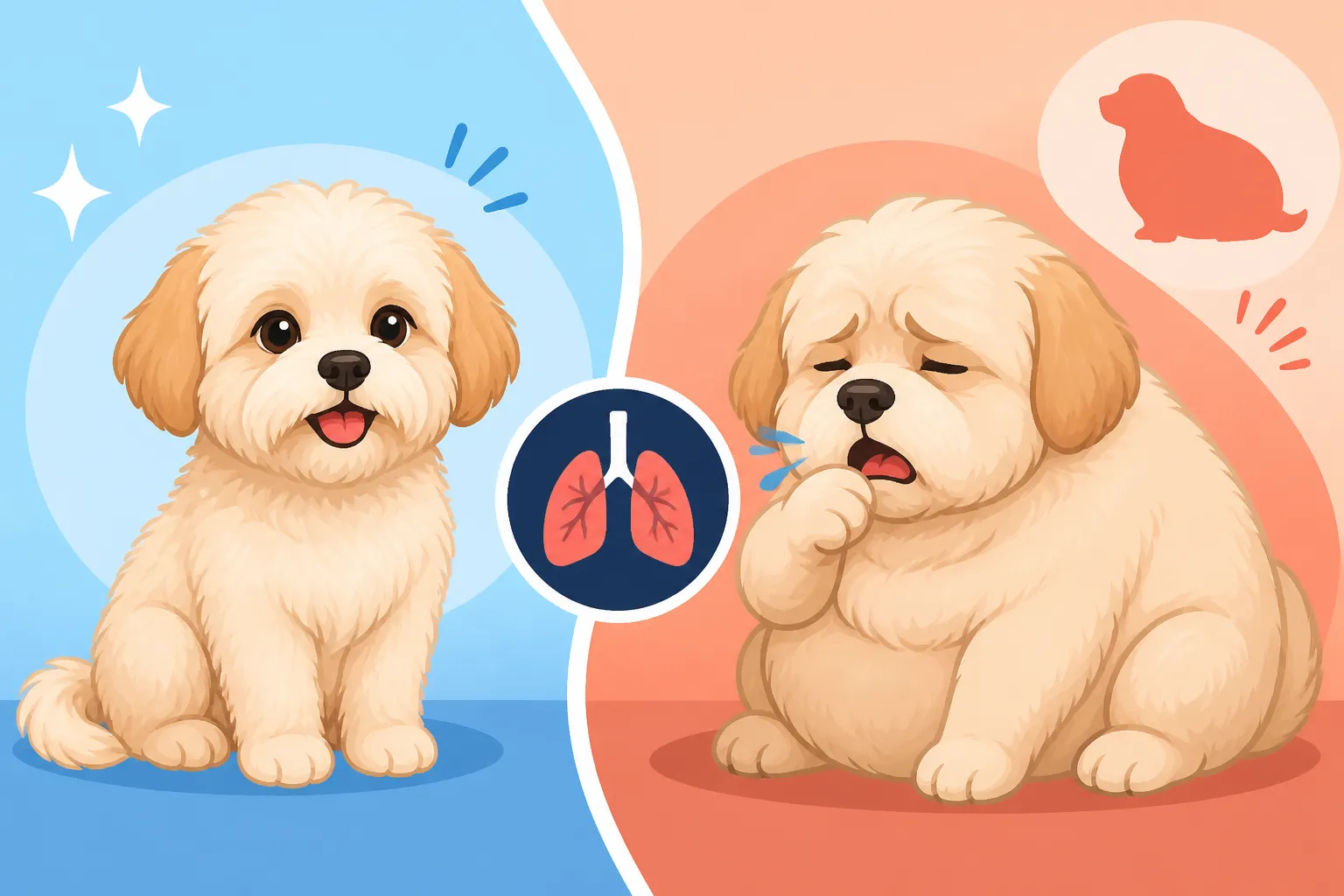
Whether an Overweight Maltipoo Coughs More
It's incredibly distressing to hear your precious Maltipoo coughing, isn't it? That little hacking sound can send any loving pet parent into a spiral of worry, wondering if it's just a fleeting irritation or something far more serious. When you combine that concern with the growing trend of our furry friends carrying a few extra pounds, it's natural to wonder if their weight could be directly contributing to those unsettling coughs. This comprehensive guide is here to unravel the complex relationship between your Maltipoo's weight and their respiratory health, helping you understand if an overweight Maltipoo coughs more and what proactive steps you can take to keep them breathing easy.
Understanding the Maltipoo Cough: More Than Just a Little Sound
Maltipoos, with their adorable size and charming personalities, often steal our hearts, but their delicate physiology can sometimes lead to unique health challenges, particularly concerning their respiratory system. A cough in a small dog like a Maltipoo isn't always as innocent as it might seem.
The Delicate Respiratory System of a Maltipoo
Maltipoos inherit traits from both their Maltese and Poodle parents, which, while giving them their irresistible looks and intelligence, can also predispose them to certain sensitivities. Their small stature means they have tiny, fragile airways. Imagine a straw versus a garden hose; the smaller the diameter, the more easily it can be obstructed or irritated. This inherent delicacy makes their windpipe, or trachea, particularly vulnerable.
You might hear a distinct "honking cough" from your Maltipoo, which is a classic indicator of irritation or collapse in the trachea. This isn't just a minor annoyance; it’s a sign that their airway isn't functioning optimally. The cartilage rings that normally hold the trachea open can weaken or flatten, especially in small breeds, leading to a condition known as Collapsing Trachea in a Maltipoo's Neck. When these rings give way, even slightly, it restricts airflow and triggers that tell-tale cough. Every breath becomes a little more labored, and any external pressure or internal inflammation can make it worse. This is why understanding the specific sounds your Maltipoo makes is crucial. Is it a wet cough, a dry hack, or that distinctive honking? Each can point to different underlying issues, and for Maltipoo owners, recognizing The Cough That Means a Maltipoo's Trachea Is Collapsing is incredibly important for early intervention.
Common Causes of Coughing in Maltipoos
While weight is a significant factor we'll delve into shortly, it's important to remember that a cough can stem from a variety of sources in a Maltipoo. It's not always a single cause, but often a combination of factors making their delicate system more prone to issues.
One of the most common, and often mistaken, respiratory events in Maltipoos is a reverse sneeze. This isn't a cough at all, but rather a sudden, rapid inhalation, almost like they're trying to suck something back into their throat. It sounds alarming, often like a snorting or gagging fit, but it's usually harmless and quickly passes. However, if you're not familiar with it, it can easily be confused with a severe cough. Allergies are another prevalent culprit, especially in a breed with sensitive skin and respiratory tracts. Just like us, Maltipoos can react to pollen, dust mites, certain foods, or even household chemicals, leading to irritation in their airways and a subsequent cough.
Of course, infectious diseases like kennel cough, a highly contagious respiratory infection, can also lead to a persistent, dry, hacking cough. While often self-limiting, it requires veterinary attention and rest. Beyond these, more serious conditions can manifest as a cough. Heart disease, for example, especially in older Maltipoos, can lead to fluid buildup in the lungs, triggering a soft, moist cough, often worse at night. If you're wondering Whether a Maltipoo Gets Heart Murmurs, it's worth noting that heart conditions are indeed a concern in small breeds. Furthermore, even dental disease can play a role; severe oral infections can sometimes spread bacteria to the sinuses and upper respiratory tract, contributing to coughing. It's a complex picture, and each potential cause warrants careful consideration by both you and your veterinarian.
The Direct Link Between Excess Weight and Respiratory Strain
Now, let's get to the heart of the matter: how those extra pounds can directly affect your Maltipoo's ability to breathe and potentially lead to more frequent or severe coughing. It's a connection that many owners overlook, but it's critically important for their long-term health.
How Extra Pounds Impact the Airway and Lungs
When a Maltipoo carries excess weight, it's not just visible on the outside. Those extra fat deposits accumulate everywhere, including around vital organs and within body cavities. Imagine having a tight belt cinched around your chest and abdomen all the time – that's somewhat what an overweight dog experiences. This internal fat puts pressure on the diaphragm, the primary muscle responsible for breathing, making it harder for the lungs to expand fully with each inhalation. Their lung capacity effectively shrinks because there's simply less room for them to inflate.
More critically for a small breed like the Maltipoo, fat also infiltrates the tissues surrounding the trachea, especially in the neck and chest area. This added weight and bulk can further narrow an already delicate windpipe. If your Maltipoo has a predisposition to a collapsing trachea, being overweight will undeniably exacerbate the condition. The extra fat acts like a constant squeeze on their airway, making it even more prone to collapsing. This leads to increased friction and irritation every time they breathe, triggering that familiar cough. Their body has to work harder to get enough oxygen, leading to more panting, more effort, and ultimately, more coughing as their irritated airways try to clear themselves. It's a vicious cycle where excess weight directly compromises their respiratory mechanics, turning simple breathing into a strenuous task.
Exacerbating Underlying Conditions
The impact of obesity extends far beyond just direct pressure on the airways. It acts as a powerful amplifier for many pre-existing health issues, turning minor concerns into significant problems, particularly concerning respiratory health.
For Maltipoos already prone to Collapsing Trachea in a Maltipoo's Neck, excess weight is like adding fuel to a fire. The increased pressure from fat deposits around the neck and chest makes the already weakened cartilage rings of the trachea even more likely to flatten or buckle. This means the severity and frequency of their "honking cough" will almost certainly increase. What might have been an occasional cough in a healthy-weight Maltipoo could become a chronic, distressing issue in an overweight one. The body's demand for oxygen also increases with more body mass, putting additional strain on a compromised respiratory system.
Beyond tracheal issues, obesity significantly elevates the risk and severity of heart disease. When a dog is overweight, their heart has to work much harder to pump blood to all that extra tissue. This persistent strain can lead to or worsen conditions like congestive heart failure. One of the classic symptoms of heart failure in dogs is a persistent cough, often due to fluid accumulating in the lungs. So, an overweight Maltipoo might cough more not just because of airway issues, but also because their cardiovascular system is under severe duress. Furthermore, being overweight makes it harder for small dogs to regulate their body temperature, especially in warmer weather or during even mild exercise. This can lead to increased panting and stress on their respiratory system, potentially triggering or worsening a cough. It's clear that maintaining a healthy weight is not just about aesthetics; it's a critical component of managing and preventing respiratory and other serious health problems in your beloved Maltipoo.
Recognizing and Addressing Weight-Related Coughing
It's easy for a Maltipoo to pack on a few extra pounds. Their small size means even a seemingly minor increase in food or treats can quickly lead to overweight status. But recognizing it, and then taking action, is key to mitigating health risks like increased coughing.
Spotting the Signs of an Overweight Maltipoo
Sometimes, we're so used to seeing our dogs a certain way that we don't notice the gradual accumulation of weight. However, there are clear, tell-tale signs that your Maltipoo might be carrying too much weight, beyond just seeing them look "chubby."
One of the most reliable methods is the "rib check." When you gently run your hands along your Maltipoo's sides, you should be able to easily feel their ribs, almost like feeling the knuckles on your hand. If you have to press hard to feel them, or if you can't feel them at all, your dog is likely overweight. Similarly, look for a visible waistline when viewed from above. A healthy Maltipoo should have a noticeable tuck-in behind their ribs. If they look more like a sausage or a straight line from their chest to their hips, they're carrying extra weight. From the side, their abdomen should also tuck up slightly, rather than hanging low or bulging. Many owners also observe a distinct fat pad at the base of the tail, where the tail meets the body, which can be another indicator.
Beyond physical checks, pay attention to their behavior. An overweight Maltipoo might become noticeably less energetic, reluctant to play or go for walks, or tire out much more quickly than before. You might notice increased panting, even after minimal exertion, as their body struggles to cool itself and supply oxygen. If you've also started noticing their cough becoming more frequent or severe, especially after activity, this could be a clear sign that their weight is compounding existing respiratory vulnerabilities. Learning Feeling for a Maltipoo's Ribs regularly is an excellent way to monitor their body condition between vet visits.
Strategies for Healthy Weight Management
Once you've identified that your Maltipoo is overweight, the good news is that you can take concrete steps to help them shed those extra pounds and improve their respiratory health. It primarily comes down to a balanced approach of diet and exercise.
First and foremost, diet is paramount. For a small dog like a Maltipoo, even a few extra kibbles can make a big difference. The most effective strategy is precise portion control. This means measuring your Maltipoo's food by weight, using a kitchen scale, rather than relying on measuring cups, which can be surprisingly inaccurate. Our guide on Feeding a Six Pound Maltipoo by the Ounce, Not the Scoop delves into this in detail. Consult your veterinarian to determine the ideal caloric intake for your Maltipoo's target weight. Remember that the recommended daily calories for a six-pound Maltipoo are far less than you might think. Generally, a small breed like a Maltipoo needs about 20-30 calories per pound of ideal body weight. So, if your Maltipoo should ideally be 6 pounds, they'd need roughly 120-180 calories per day, including treats. This is why our article on How Many Calories a Six Pound Maltipoo Needs is so important.
Next, choose a high-quality small-breed dog food that is appropriate for their age and activity level. Avoid "light" or "diet" foods unless specifically recommended by your vet, as some can be overly restrictive. Be mindful of treats, which are often calorie bombs for small dogs. Opt for Low Calorie Treats for a Maltipoo and use them sparingly. Exercise is the other half of the equation. While Maltipoos aren't marathon runners, regular, safe activity is vital. Gentle walks, indoor play sessions, and even short bursts of fetch can help. Always monitor their breathing and avoid overexertion, especially if they have a history of respiratory issues.
Finally, regular veterinary check-ups are essential. Your vet can accurately assess your Maltipoo's body condition score, recommend a personalized diet and exercise plan, and rule out any underlying medical conditions contributing to weight gain or coughing. They can also provide referrals for canine nutritionists if needed. Having pet insurance, like a comprehensive plan from Healthy Paws, can provide peace of mind during these vet visits, especially if a diet change or further diagnostics are required to get your Maltipoo back to their ideal weight and health.
When to Consult Your Veterinarian
While proactive weight management is a powerful tool, it's crucial to know when a cough, especially in an overweight Maltipoo, warrants immediate professional attention. Never hesitate to contact your vet if you're concerned.
If your Maltipoo's cough is persistent, worsening, or accompanied by other worrying symptoms, a vet visit is imperative. Signs like difficulty breathing (exaggerated effort, open-mouthed breathing, rapid breaths), blue or purple gums (a sign of dangerously low oxygen), extreme lethargy, loss of appetite, or sudden changes in behavior mean you need to get them to the vet without delay. Even if the cough seems mild, but doesn't resolve within a few days, it's worth getting it checked out. An overweight Maltipoo presenting with a cough should always be assessed to differentiate between a simple irritation and more serious underlying conditions exacerbated by their weight. Your vet will perform a thorough physical exam, listen to their heart and lungs, and may recommend diagnostics such as X-rays of the chest, blood tests, or even cardiac evaluations, especially if heart disease is suspected.
Remember, early diagnosis and intervention are critical, particularly for conditions like collapsing trachea or heart disease, which can be significantly impacted by weight. A delay in seeking professional advice could lead to more severe complications. Having pet insurance, such as Healthy Paws, can be incredibly helpful in these situations, covering a significant portion of unexpected diagnostic tests and treatments, allowing you to focus on your Maltipoo's recovery without the added financial stress. Your vet is your best partner in ensuring your Maltipoo's long-term health and well-being.
Preventing Respiratory Issues Through Proactive Care
Beyond reacting to problems, a proactive approach to your Maltipoo's care can significantly reduce their risk of developing or worsening respiratory issues, particularly those linked to weight. It's about building healthy habits for life.
The Role of Diet and Exercise in Lung Health
We've already touched on it, but it bears repeating: maintaining an ideal body condition through diligent diet and appropriate exercise is perhaps the single most impactful thing you can do for your Maltipoo's overall health, and especially for their delicate lung function. A Maltipoo at a healthy weight experiences less strain on their entire system. Their heart doesn't have to work as hard, their joints are under less pressure, and critically, their airways are less constricted by excess fat. This means easier, more efficient breathing and a reduced likelihood of developing or exacerbating conditions like collapsing trachea.
Consistent, gentle exercise helps strengthen their cardiovascular system and maintains muscle tone, which supports their skeletal structure and overall stamina. For a Maltipoo, this might mean a couple of short, brisk walks each day, interspersed with indoor play that encourages movement without high impact. But just as important as what they eat and how much they move, is how you equip them for exercise. For a breed so susceptible to tracheal collapse, using a harness instead of a traditional collar is non-negotiable. A collar places direct pressure on the throat, which can be incredibly damaging to their fragile windpipe, especially during a walk if they pull or lunge. Instead, a well-fitting harness distributes pressure across their chest and shoulders, safeguarding their delicate neck. This is why our post Why a Maltipoo Should Never Wear a Collar is such vital reading for all Maltipoo owners.
Environmental Considerations and Routine Check-ups
While diet and exercise are foundational, preventing respiratory issues in your Maltipoo also involves being mindful of their environment and sticking to a consistent schedule of routine veterinary care. These seemingly small details can make a significant difference.
Your Maltipoo's respiratory system is sensitive, meaning they can be easily irritated by airborne particles and strong scents in their immediate surroundings. Avoid exposing them to cigarette smoke, vaping, strong chemical cleaners, air fresheners, or excessive perfumes. Even dust and pollen can trigger allergies that manifest as coughing or sneezing, so maintaining a clean home environment and considering an air purifier can be beneficial. If your Maltipoo shows signs of seasonal allergies, discuss options with your vet, as managing these can prevent chronic airway irritation.
Beyond environmental factors, consistent dental care plays an often-overlooked role in respiratory health. Poor oral hygiene can lead to severe dental disease, where bacteria from infected gums and teeth can migrate into the bloodstream or spread to the respiratory tract, potentially causing infections that lead to coughing. Brushing your Maltipoo's teeth every single day is crucial for preventing this. Our guide on Brushing a Maltipoo's Teeth Every Single Day provides detailed steps to make this a manageable part of your daily routine.
Finally, and perhaps most importantly, never skip your Maltipoo's annual veterinary check-ups. These yearly visits are not just about vaccinations; they are comprehensive health assessments where your vet can catch potential issues early, monitor weight, assess heart and lung health, and discuss any changes you've observed. These regular check-ups, as detailed in The Yearly Checks a Maltipoo Should Get, are indispensable for proactive health management. They allow your vet to spot subtle changes in body condition or the onset of conditions like heart murmurs or early signs of tracheal weakness before they become severe. Investing in a robust pet insurance plan, like those offered by Healthy Paws, can help ensure that these crucial preventative care visits, and any follow-up treatments, are always within reach, allowing you to prioritize your Maltipoo's well-being without financial strain.
Weight and Coughing in Maltipoos: A Summary
| Characteristic | Healthy Weight Maltipoo | Overweight Maltipoo |
|---|---|---|
| Ribs | Easily felt with gentle pressure. | Difficult to feel or not felt at all. |
| Waistline (from above) | Clearly visible tuck behind the ribs. | Straight or bulging line from chest to hips. |
| Abdominal Tuck (from side) | Tucks up slightly after the rib cage. | Hangs low, no tuck-up. |
| Energy Levels | Active, playful, good stamina. | Lethargic, tires easily, reluctant to play. |
| Breathing | Smooth, effortless, minimal panting during rest. | Increased panting, often labored, more frequent coughing. |
| Cough Frequency | Occasional, brief coughs (if any), usually situational. | More frequent, sometimes persistent or honking coughs. |
| Tracheal Pressure | Minimal external pressure on the airway. | Increased fat deposits and pressure on the windpipe. |
| Joint Health | Less strain on delicate joints. | Increased strain, higher risk of joint issues. |
Disclaimer
The information provided in this article is for general informational purposes only and is not a substitute for professional veterinary advice. Always consult with a qualified veterinarian for any health concerns or before making any decisions related to your Maltipoo's health and treatment.