Whether a Maltipoo Needs Tracheal Surgery
That worrying honking cough or gasp from your precious Maltipoo can strike terror into your heart, immediately making you wonder if they're choking or if something much more serious is going on with their breathing. It’s a truly frightening sound, and it’s completely natural to fear the worst. This guide is here to walk you through everything you need to know about tracheal collapse in Maltipoos, including when and if surgery might become a necessary consideration for your beloved companion.
Understanding Tracheal Collapse in Maltipoos
Tracheal collapse is one of those conditions that often catches small breed owners off guard, yet it’s unfortunately common in dogs like our Maltipoos. It's a progressive respiratory disease that can significantly impact a dog's quality of life, and understanding its roots and how it progresses is the first step in managing it effectively.
The Anatomy of a Maltipoo's Trachea
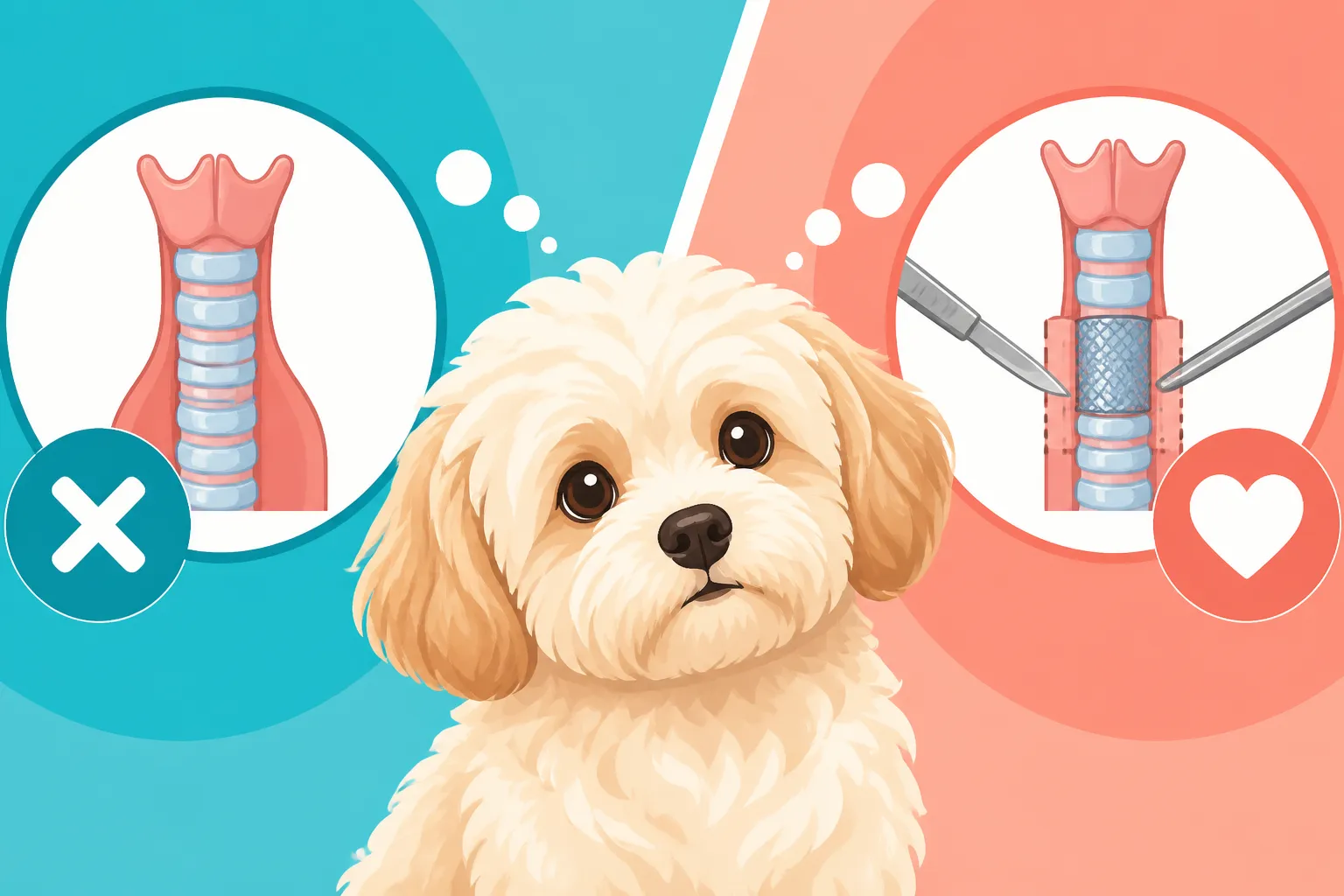
Think of your Maltipoo's trachea, or windpipe, as a flexible vacuum cleaner hose. It’s made up of C-shaped rings of cartilage that are meant to be firm and rigid, holding the airway open so air can pass freely to and from the lungs. These rings aren't complete circles; they're open at the top, where a band of muscle and connective tissue bridges the gap, forming the top of the "C." This structure allows for a bit of flexibility as your dog breathes, eats, and moves its neck.
However, in dogs prone to tracheal collapse, these cartilage rings aren't as strong as they should be. Instead of being firm, they become soft and weakened, losing their ability to maintain the tube's shape. This structural weakness means the trachea can flatten, especially when your Maltipoo breathes in rapidly or exerts themselves, leading to the airway narrowing and causing significant breathing difficulties.
Why Maltipoos are Prone to This Condition
Maltipoos, being a crossbreed of the Maltese and the Poodle, inherit genetic predispositions from both sides, and unfortunately, tracheal collapse is a common ailment in small and toy breeds. The exact cause is thought to be a combination of genetics and environmental factors, but the primary culprit is often a congenital defect in the cartilage rings themselves. Breeds like the Maltese and Toy Poodle, from which the Maltipoo descends, are frequently seen with this condition due to the inherent fragility of their tracheal cartilage.
It's not just genetics, though. Factors like obesity can significantly worsen the condition, as excess fat around the neck and chest puts additional pressure on an already compromised airway. Even something as seemingly innocent as a standard collar can contribute to the problem. If your Maltipoo is constantly pulling on a leash while wearing a collar, that repeated pressure on their delicate windpipe can exacerbate the weakening of the tracheal rings, leading to further collapse. This is one of the many reasons why you'll often hear advice about Why a Maltipoo Should Never Wear a Collar and instead opt for a harness.
The Progression of Tracheal Collapse
Tracheal collapse doesn't usually happen overnight; it’s typically a progressive condition that can worsen over time. It starts subtly, perhaps with an occasional cough that you might initially dismiss as a minor irritation. As the cartilage weakens further and the trachea flattens more severely, the coughs become more frequent, more intense, and take on that characteristic "honking" sound, often described as sounding like a goose. This is often The Cough That Means a Maltipoo's Trachea Is Collapsing.
Initially, the collapse might only occur during periods of excitement, exercise, or when pulling on a leash. But as the disease progresses, even routine activities like eating, drinking, or simply moving can trigger a coughing fit. In advanced stages, your Maltipoo might experience significant respiratory distress, struggling to breathe even at rest, with visible effort in their chest and abdomen. This progression highlights why early intervention and careful management are so crucial to maintain your Maltipoo's quality of life.
Diagnosing a Collapsing Trachea: What to Expect
When you bring your Maltipoo to the vet with concerns about their breathing or that distinct cough, the diagnostic process aims to not only confirm tracheal collapse but also to assess its severity and rule out other potential causes for their symptoms. It can be a bit nerve-wracking waiting for answers, but a thorough diagnosis is key to effective treatment.
Recognizing the Early Signs
Being a vigilant owner is your first line of defense. The earliest signs of tracheal collapse are often mild and intermittent, making them easy to miss if you're not paying close attention. You might notice your Maltipoo has a dry, hacking cough, particularly when they get excited, drink water, or are handled around their neck. It often sounds like a sudden, harsh "honk" or choke. This is distinct from The Snorting Fit a Maltipoo Owner Mistakes for Choking, which is usually a reverse sneeze and less concerning.
As the condition advances, these coughing fits become more frequent and prolonged. Exercise intolerance might develop, meaning your usually energetic Maltipoo tires out more quickly during walks or playtime. They might also exhibit labored breathing, panting excessively even when not hot or active, and you might even observe bluish gums or tongue in severe cases, indicating a lack of oxygen – a true emergency. If you've been monitoring The Daily Routine a Maltipoo Needs, any deviation from their usual energy levels and breathing patterns should raise a red flag.
Veterinary Diagnosis: X-rays, Fluoroscopy, and Endoscopy
Once you've described your Maltipoo's symptoms, your vet will perform a physical exam, which often includes gently palpating the trachea to see if a cough can be easily induced. After that, they’ll typically move on to more definitive diagnostic tools.
- X-rays (Radiographs): These are usually the first imaging technique employed. Lateral chest X-rays (taken from the side) can often show a narrowing of the trachea. However, the trachea collapses dynamically, meaning it might look normal on a static X-ray if the dog isn't actively collapsing their trachea at the exact moment the image is taken. Your vet might take X-rays during both inspiration (breathing in) and expiration (breathing out) to try and capture the collapse.
- Fluoroscopy: This is a much more dynamic and often preferred diagnostic tool. Fluoroscopy provides a real-time X-ray video of your Maltipoo's trachea as they breathe. This allows the vet to observe the full extent of the collapse and pinpoint exactly where and when the tracheal rings are weakening. It’s incredibly useful because it shows the motion of the trachea, making it much easier to detect intermittent or dynamic collapse that static X-rays might miss.
- Endoscopy (Tracheoscopy/Bronchoscopy): This is the most definitive diagnostic procedure, offering a direct visual examination of the trachea. Under general anesthesia, a tiny camera is inserted down your Maltipoo's windpipe. This allows the vet to directly see the inside of the trachea, assess the degree of collapse, evaluate the integrity of the cartilage rings, and check for any inflammation or other abnormalities. While it provides the clearest picture, it does require anesthesia, which always carries some risk, especially for smaller breeds. Speaking of anesthesia, if you're concerned about Whether a Maltipoo Under Four Pounds Survives Anesthesia, it's a valid concern to discuss thoroughly with your vet before any procedure.
Grading the Severity of Collapse
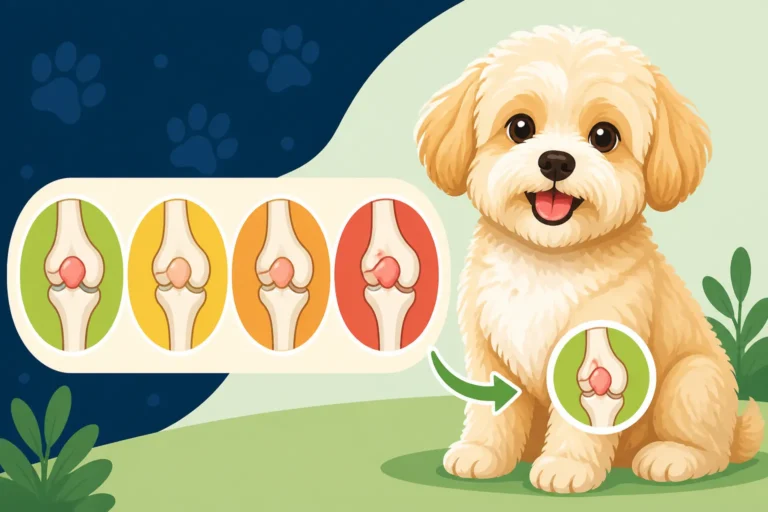
Veterinarians use a grading system to describe the severity of tracheal collapse, typically ranging from Grade I to Grade IV. This helps determine the best course of action, whether it's medical management or considering surgery.
| Grade | Description of Collapse | Symptoms | Treatment Approach (Initial) |
|---|---|---|---|
| I | Tracheal lumen reduced by approximately 25% | Mild, intermittent cough, often with excitement or exercise. | Lifestyle modification (harness, weight), mild medications. |
| II | Tracheal lumen reduced by approximately 50% | More frequent and pronounced cough, exercise intolerance, mild respiratory distress. | Medications (cough suppressants, anti-inflammatories), environmental changes. |
| III | Tracheal lumen reduced by approximately 75% | Chronic, severe "honking" cough, moderate to severe respiratory distress, potential bluish gums. | Aggressive medical management, oxygen therapy as needed, closer monitoring. |
| IV | Tracheal lumen reduced by 90-100%, nearly complete collapse | Severe, constant respiratory distress, gasping, inability to breathe, emergency situation. | Emergency intervention, potential for surgical consultation. |
This grading system is crucial because it helps you and your vet understand the extent of the problem and anticipate the future course of the disease. A Maltipoo with Grade I collapse might never need surgery, while a Grade III or IV case might find significant relief only through surgical intervention.
Non-Surgical Management and Prevention
For many Maltipoos diagnosed with tracheal collapse, especially in the earlier stages, surgery is not the first or even the second option. A comprehensive approach focusing on non-surgical management and preventative measures can often significantly improve their comfort and quality of life. This is where your commitment as an owner truly shines.
Environmental and Lifestyle Adjustments
Making changes to your Maltipoo's daily environment and routine can have a profound impact on managing tracheal collapse. One of the most critical adjustments is switching from a neck collar to a harness. A harness distributes pressure across your dog's chest and shoulders, completely eliminating any direct pressure on their delicate trachea. This simple change can dramatically reduce the frequency and severity of coughing fits caused by leash pulling. If you've been wondering Whether a Harness Protects a Maltipoo's Windpipe, the answer is a resounding yes!
Beyond the harness, controlling environmental irritants is vital. If anyone in your household smokes, it's paramount to ensure your Maltipoo is not exposed to secondhand smoke, which can severely irritate their respiratory system. Similarly, strong chemical odors from cleaning products, air fresheners, or even heavy perfumes can trigger coughing episodes. Aim for a clean, well-ventilated home environment. During periods of high pollen or air pollution, limiting outdoor exposure might also be beneficial. Managing their excitement levels can also help, as rapid breathing during play or greeting can exacerbate a cough. Teaching your Maltipoo basic obedience and impulse control, as covered in What a Maltipoo Should Know by Six Months, can indirectly support this by allowing you to manage their energy.
Medication and Supportive Care
When lifestyle changes aren't quite enough, your vet will likely prescribe medications to help manage your Maltipoo's symptoms. The specific cocktail of drugs will depend on the severity of the collapse and accompanying issues like inflammation or secondary infections.
- Cough Suppressants: These are often the cornerstone of medical management. Medications like hydrocodone or butorphanol can help reduce the frequency and intensity of coughing, giving your Maltipoo's irritated trachea a chance to rest and heal.
- Anti-inflammatories: Steroids (like prednisone) can be prescribed to reduce inflammation and swelling in the trachea, which often accompanies collapse. This helps to open up the airway and reduce irritation. Non-steroidal anti-inflammatory drugs (NSAIDs) may also be used in some cases, though less commonly for direct tracheal inflammation.
- Bronchodilators: While tracheal collapse is a structural problem, sometimes bronchodilators (like theophylline or terbutaline) are used to open up the smaller airways in the lungs, making breathing easier and complementing the primary treatment.
- Sedatives/Anti-anxiety Medications: For dogs who become very anxious or excited, which can worsen coughing, mild sedatives might be used on a short-term basis or as needed to help keep them calm.
- Antibiotics: If a secondary bacterial infection develops due to chronic irritation and coughing, antibiotics will be prescribed.
It's crucial to administer all medications exactly as prescribed by your veterinarian. You might also consider supplemental therapies, such as humidifiers to keep the air moist, which can sometimes soothe an irritated airway. Keep in mind that What Tracheal Treatment Costs a Maltipoo Owner can add up over time, so discussions about long-term care plans are important. Many owners find it beneficial to have pet insurance, with companies like Healthy Paws offering plans that can help offset these ongoing medical expenses.
Weight Management and Dental Health
Two often-overlooked but incredibly impactful factors in managing tracheal collapse are weight and dental health. Maintaining an ideal weight for your Maltipoo is paramount. Even a few extra pounds can significantly worsen tracheal collapse. Excess fat around the neck and chest puts additional pressure on the windpipe, making it harder for air to pass through. If your Maltipoo is overweight, your vet will help you develop a safe and effective weight loss plan. This often involves carefully monitoring food intake – Whether an Overweight Maltipoo Coughs More is a common concern, and the answer is usually yes, making weight loss a primary goal.
Good dental health might seem unrelated, but chronic dental disease can introduce bacteria into the bloodstream and respiratory tract, leading to inflammation and infection that can exacerbate respiratory issues. Regular dental care, including daily brushing at home and professional cleanings under anesthesia when necessary, is vital for your Maltipoo's overall health and can indirectly support better respiratory function. While it's not a direct fix for tracheal collapse, reducing systemic inflammation and potential sources of infection can contribute to a healthier respiratory system overall.
When Tracheal Surgery Becomes a Consideration
For some Maltipoos, despite diligent non-surgical management, their quality of life continues to decline due to severe or worsening tracheal collapse. This is when the difficult, but sometimes necessary, conversation about surgical intervention begins. It’s a significant decision, fraught with considerations about risks, costs, and potential outcomes.
Criteria for Surgical Intervention
Surgery for tracheal collapse is generally considered a last resort, recommended only when conservative medical management has failed to control symptoms and your Maltipoo's quality of life is severely compromised. This typically means:
- Severe Symptoms: Your Maltipoo experiences persistent, debilitating coughing, severe respiratory distress, and possibly even episodes of fainting or bluish gums despite being on a full regimen of appropriate medications.
- Progressive Disease: The collapse is worsening over time, moving from a lower grade to a higher one, and impacting their ability to live a normal, comfortable life.
- Impact on Daily Life: The condition prevents them from engaging in even mild activity, disrupts their sleep, or causes significant anxiety due to breathing difficulties.
Before recommending surgery, your vet will thoroughly re-evaluate your Maltipoo’s overall health, ensuring there are no other underlying conditions that might complicate surgery or recovery. This can involve extensive blood work, cardiac evaluations, and further imaging to ensure they are a good candidate. Understanding The Twelve to Fifteen Years a Maltipoo Lives helps put into perspective the long-term impact of such a decision.
Types of Tracheal Surgery
If surgery is deemed necessary, there are generally two main approaches:
- Extraluminal Stent Placement: This involves placing surgical rings or prosthetics around the outside of the collapsed portion of the trachea to hold it open. These rings are typically made of polypropylene or similar inert materials and are stitched into place. This method aims to provide external support, preventing the trachea from flattening. It's often used for collapse in the cervical (neck) region of the trachea. The recovery involves careful management to ensure the rings remain stable and the dog doesn't experience discomfort.
- Intraluminal Stent Placement: This is a newer, less invasive technique where a self-expanding mesh stent is placed inside the trachea, acting as an internal scaffold to hold the airway open. This procedure is typically performed using fluoroscopy, without the need for a major open-chest surgery. Intraluminal stents are often preferred for collapse in the intrathoracic (chest) region of the trachea, which is harder to access surgically. While less invasive, these stents can sometimes migrate, fracture, or irritate the tracheal lining, potentially leading to chronic coughing or scar tissue formation.
Both surgical options carry risks, including anesthesia complications, infection, damage to nerves or blood vessels, and potential recurrence of collapse. It's important to have a candid discussion with a board-certified veterinary surgeon about the pros and cons of each approach specific to your Maltipoo's condition.
Risks, Recovery, and Long-Term Outlook
Tracheal surgery is a major undertaking for any dog, especially a small breed like a Maltipoo. The risks associated with anesthesia are always a concern, as are potential complications during and after the procedure. Recovery involves a period of strict rest and careful monitoring. Your Maltipoo will likely need pain medication, anti-inflammatories, and potentially antibiotics for several weeks. Post-operative care will also typically include limiting excitement, ensuring they wear a harness exclusively, and potentially dietary modifications. Companies like Healthy Paws can be invaluable here, helping to cover the often substantial What an Emergency Sugar Crash Costs a Maltipoo Owner or the high What Patella Surgery Runs on a Maltipoo – costs which can easily extend to tracheal surgery, emphasizing the value of robust pet insurance.
The long-term outlook after tracheal surgery varies. While surgery can dramatically improve the quality of life for many dogs by resolving severe breathing difficulties, it is not a cure. Dogs may still have a residual cough, especially with excitement or exertion. For those with intraluminal stents, there's a risk of the stent fracturing, migrating, or scar tissue forming, which might necessitate further intervention. For those with extraluminal rings, continued degeneration of other parts of the trachea is a possibility.
Ultimately, the goal of tracheal surgery is to restore comfortable breathing and improve your Maltipoo's overall well-being. It requires a dedicated owner willing to commit to the intense post-operative care and ongoing management. A candid discussion with your veterinary team, including a specialist surgeon, is crucial to weigh the benefits against the risks for your individual Maltipoo.
Disclaimer
The information provided in this article is for general informational purposes only and does not constitute veterinary advice. Always consult with a qualified veterinarian for any health concerns or before making any decisions about your Maltipoo's care, diet, or treatment. Each dog is unique, and what works for one may not work for another.