Whether a Maltipoo Outlives a Maltese
One of the most common worries for any dog parent is how long their beloved companion will be by their side. When you bring a Maltipoo into your life, a hybrid of the Maltese and the Poodle, it's natural to wonder if this unique blend of genetics offers any advantages, especially regarding their overall health and lifespan compared to one of their purebred parents, like the Maltese. This guide will delve into the nuances of Maltipoo and Maltese longevity, exploring the factors that influence how many precious years you might share with your furry friend.
Understanding Lifespan: Maltipoos Versus Malteses
It's a really common question, and one that doesn't have a simple, straightforward "yes" or "no" answer. When we talk about how long a dog lives, we're not just pulling a number out of a hat. There are so many variables at play, from genetics to daily care, and even a little bit of luck. The average lifespan for a Maltese is typically around 12 to 15 years, sometimes even stretching to 18 years for particularly healthy individuals. For Maltipoos, you’ll often hear a similar range, generally between 12 and 15 years, with some living a bit longer.
Now, you might be thinking, "Well, that's almost the same!" And you'd be right to notice that. The real question isn't just about the number of years, but the quality of those years and the underlying factors that contribute to them. Many people come to hybrid breeds like the Maltipoo hoping for something called 'hybrid vigor,' believing it automatically grants a longer, healthier life. While there's certainly some truth to the concept, it's not a magic bullet, and understanding its limits is crucial for any responsible pet owner. We need to look at what each parent breed brings to the table and how those genetics interact.
The Theory of Hybrid Vigor and Its Real-World Application
Hybrid vigor, also known as heterosis, is a fascinating biological concept. In simple terms, it's the idea that when you breed two distinct purebred dogs, their offspring can sometimes be healthier and more robust than either parent breed. This often happens because the crossbreeding introduces greater genetic diversity. Purebred dogs, by their very nature, come from a more limited gene pool. Over generations, this selective breeding can inadvertently concentrate certain recessive genes that lead to breed-specific health problems. Think of it like this: if both parents carry a gene for a specific illness, there's a higher chance their purebred puppies will inherit two copies of that gene and develop the disease.
With a hybrid like the Maltipoo, you're blending the genes of a Maltese with those of a Poodle. If the genetic issues common in Malteses are different from those common in Poodles, then a Maltipoo might inherit only one copy of a problematic gene from each side. As long as the disease requires two copies of the problematic gene to manifest, the hybrid offspring could be protected. This doesn't mean they're immune to everything, of course, but it can potentially reduce the incidence of some breed-specific genetic conditions. However, it's not a guaranteed shield against all ailments. A Maltipoo can still inherit any health issue that is common to both the Maltese and the Poodle, or even problems that are general to small breed dogs.
Genetic Contributions from the Maltese and Poodle
To truly understand a Maltipoo's potential for longevity, we have to look at the genetic tapestry woven by its parents. The Maltese is renowned for its elegant, flowing white coat and its sweet, docile nature. However, like all purebreds, they come with a predisposition to certain health concerns. These can include patellar luxation (slipping kneecaps), portosystemic shunt (a liver condition), dental disease due to their small jaws, and certain eye conditions. You might be interested in delving deeper into The Liver Shunt a Maltipoo Can Inherit From the Maltese.
On the other side, we have the Poodle, a highly intelligent and active breed, known for its curly, non-shedding coat and keen trainability. Poodles also have their own set of health considerations, such as Addison's disease, epilepsy, hip dysplasia (though less common in toy and miniature poodles), progressive retinal atrophy (an eye disease), and again, patellar luxation. This overlap in patellar luxation is particularly noteworthy.
When these two breeds combine to create a Maltipoo, the offspring inherits a mix. If a health issue is common in both parent breeds, like patellar luxation or dental problems, then a Maltipoo isn't necessarily going to escape it through hybrid vigor. In fact, a Maltipoo's likelihood of inheriting Slipping Kneecaps in a Maltipoo remains quite significant, especially if the parent Poodle was a Toy or Miniature Poodle, which also commonly experience this condition. On the other hand, if one parent breed carries a specific genetic marker for a disease not found in the other, the Maltipoo might have a lower chance of developing that particular condition. It’s all about the specific genetic lottery played out in each individual puppy.
Common Health Challenges Affecting Both Breeds
While hybrid vigor can offer some protection, both Maltipoos and Malteses, by virtue of being small dog breeds, share a susceptibility to several common health issues. These aren't necessarily genetic in the sense of a single recessive gene, but rather physiological realities that come with their smaller stature. Understanding these shared challenges is key to proactively managing your dog's health and potentially extending their lifespan.
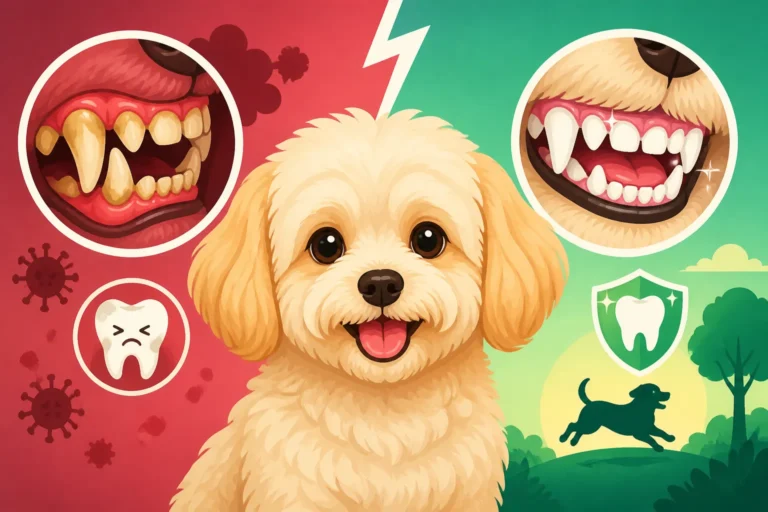
One of the most prevalent issues is dental disease. Small dogs often have mouths that are simply too small for their teeth. This leads to overcrowding, which traps food particles and makes them much more prone to plaque and tartar buildup. If left untreated, dental disease can lead to painful infections, tooth loss, and even systemic health problems affecting the heart, kidneys, and liver. It’s a silent killer that can definitely shorten a dog's life. This is why Brushing a Maltipoo's Teeth Every Single Day is non-negotiable, and understanding Whether Dental Disease Shortens a Maltipoo's Life is vital.
Another concern for both breeds is tracheal collapse, a condition where the windpipe weakens and flattens, causing a distinctive honking cough. Because of their delicate neck structures, both Malteses and many smaller Poodles are prone to this. You can learn more about Collapsing Trachea in a Maltipoo's Neck. Obesity is another silent threat, as extra weight puts undue strain on their small joints and organs, exacerbating conditions like patellar luxation and potentially leading to heart disease or diabetes.
Maltese-Specific Health Predispositions
The Maltese, while generally a robust little dog, does have a few hereditary quirks that dedicated breeders work hard to minimize. Beyond the aforementioned patellar luxation and liver shunts, they can also be prone to certain eye conditions like glaucoma and progressive retinal atrophy, though these are more common in Poodles. A unique concern for Malteses is "White Shaker Syndrome," a neurological condition causing full-body tremors, which can also appear in some Maltipoos. Another issue that can sometimes pop up is hypoglycemia, particularly in tiny puppies, which is why proper feeding is so critical for Why a Two Pound Maltipoo Cannot Skip a Meal.
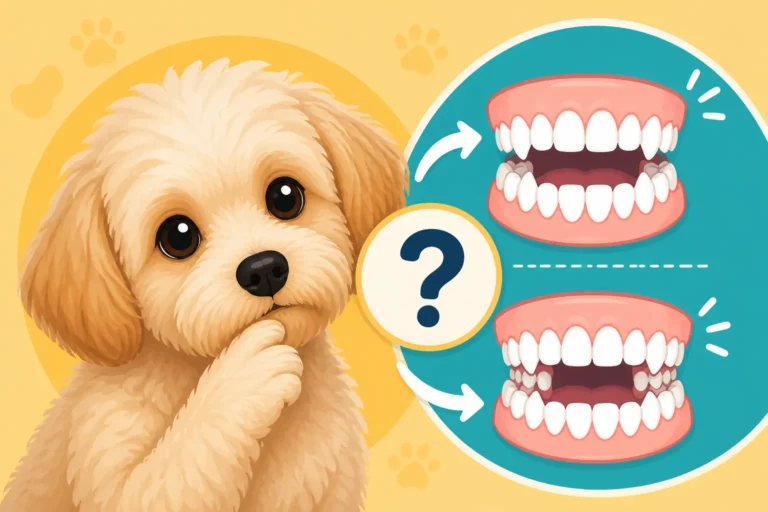
Their exquisite white coats, while beautiful, also highlight tear staining more readily, which while not directly life-threatening, can be a symptom of underlying eye or tear duct issues if severe. The small size of their jaw also makes them highly susceptible to The Forty Two Teeth Crowding a Maltipoo's Jaw, requiring diligent dental care from puppyhood.
Poodle-Specific Influences on Maltipoo Health
The Poodle half of the Maltipoo brings its own genetic tendencies. As mentioned, Poodles (especially miniatures and toys) can contribute to the likelihood of patellar luxation. They are also known for certain endocrine disorders like Addison's disease and Cushing's disease, which can significantly impact a dog's health and lifespan if not diagnosed and managed early. Epilepsy is another condition seen in Poodles that a Maltipoo could inherit.
Eye problems are also a concern in Poodles, including progressive retinal atrophy (PRA), which can lead to blindness. While hybrid vigor might lessen the chance of a Maltipoo inheriting all of these conditions, it certainly doesn't eliminate them. Reputable breeders will perform genetic testing on both parent Poodles to screen for these known issues, helping to ensure the healthiest possible Maltipoo puppies. This kind of proactive health screening is a huge factor in a long, healthy life, and it's why good pet insurance like Healthy Paws can be such a lifeline if these conditions do arise.
General Small Breed Health Challenges
Beyond the specific hereditary issues from each parent, both Maltipoos and Malteses face challenges common to many small breed dogs. These include:
- Hypoglycemia (low blood sugar): Especially prevalent in tiny puppies under six months, or "teacup" sized adults, who have trouble regulating their blood sugar. Strict feeding schedules, as discussed in Feeding a Six Pound Maltipoo by the Ounce, Not the Scoop, are crucial to prevent this.
- Temperature Regulation: Small dogs lose heat more quickly and can easily become chilled, especially if their coat is trimmed short. They also can overheat more easily in hot weather, as their surface area-to-volume ratio makes them less efficient at cooling down.
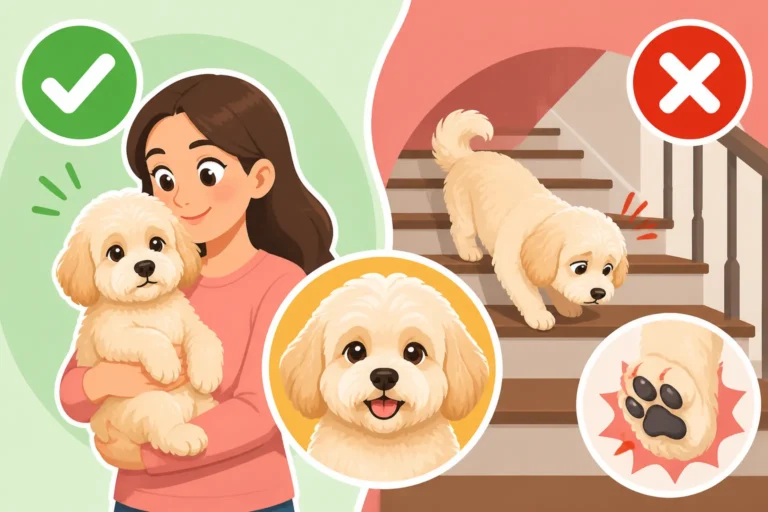
- Fragile Bones: While not necessarily "thinner" than larger breeds, their small size makes them more susceptible to injuries from falls or rough play. A jump off a sofa, which a larger dog would shrug off, could lead to a fracture in a tiny Maltipoo.
- Anesthesia Risk: Smaller dogs can have a harder time metabolizing anesthesia, requiring experienced veterinary staff and careful monitoring during any surgical procedure, including routine dental cleanings.
Here's a quick comparison of average lifespans and common health concerns:
| Breed | Average Lifespan | Common Health Concerns (Maltese) | Common Health Concerns (Poodle) | Common Health Concerns (Maltipoo) |
|---|---|---|---|---|
| Maltese | 12-15 years | Patellar Luxation, Portosystemic Shunt, Dental Disease, White Shaker Syndrome, Hypoglycemia | N/A | Patellar Luxation, Portosystemic Shunt (from Maltese), Dental Disease, White Shaker Syndrome, Hypoglycemia |
| Poodle | 12-15 years | N/A | Patellar Luxation, Addison's Disease, Epilepsy, Progressive Retinal Atrophy, Hypoglycemia | N/A |
| Maltipoo | 12-15 years | Patellar Luxation, Portosystemic Shunt (possible), Dental Disease, White Shaker Syndrome (possible), Hypoglycemia | Patellar Luxation, Addison's Disease (possible), Epilepsy (possible), Progressive Retinal Atrophy (possible), Hypoglycemia | Patellar Luxation, Dental Disease, Tracheal Collapse, Hypoglycemia, Eye Conditions, Endocrine issues |
As you can see, the Maltipoo really is a blend, inheriting potential predispositions from both sides.
How Owners Can Maximize Their Maltipoo's Lifespan
Ultimately, whether your Maltipoo outlives a Maltese, or vice versa, often comes down to the quality of care they receive throughout their lives. You, as their devoted owner, have an immense impact on their longevity. This isn't just about feeding them or giving them a warm bed; it's about a holistic approach to their health and well-being that starts the day they come home with you and continues every single day of their life.
From the food they eat to the environment they live in, every decision you make contributes to their overall health. It's a journey, not a sprint, and being proactive and attentive can make all the difference. Knowing what to look out for, establishing healthy routines, and having a strong partnership with your veterinarian are the cornerstones of ensuring your Maltipoo enjoys a long, vibrant life.
Optimal Nutrition and Weight Management
Proper nutrition is absolutely foundational to a long life. For a small breed like a Maltipoo, overfeeding, even by a tiny amount, can quickly lead to obesity. This is why you must pay close attention to How Many Calories a Six Pound Maltipoo Needs and ensure you are not using standard measuring cups but rather weighing out their food for accuracy. Obesity, even an extra pound or two on a small frame, significantly increases the risk of numerous health problems, including diabetes, joint issues (especially painful if they already have patellar luxation), heart disease, and a reduced lifespan.
Feeding a high-quality, small-breed specific dog food is generally recommended. These foods are formulated with appropriate nutrient levels and kibble sizes suitable for tiny mouths. It's also important to manage treats wisely; those little morsels add up quickly for a small dog! Consult with your vet to determine the best diet for your individual Maltipoo, considering their age, activity level, and any specific health concerns. Hydration is also key, so ensure they always have access to fresh, clean water.
Regular Veterinary Care and Preventative Measures
Preventative care is, without a doubt, one of the most powerful tools you have to extend your Maltipoo's life. This means more than just emergency visits; it's about a consistent schedule of wellness check-ups. The Yearly Checks a Maltipoo Should Get are critical. During these visits, your veterinarian will perform a thorough physical examination, check their weight, listen to their heart and lungs, and often recommend routine bloodwork, especially as they get older. These check-ups can catch potential health issues early, when they are much easier and less costly to treat.
Vaccinations, parasite control (fleas, ticks, heartworm, intestinal worms), and regular dental cleanings under anesthesia (as recommended by your vet, often yearly for small breeds) are non-negotiable. Don't wait until you notice a problem; many serious conditions develop silently in their early stages. Early intervention can make a monumental difference. Investing in pet insurance, like a comprehensive plan from Healthy Paws, can also provide immense peace of mind, ensuring you can always afford the best possible care, even for unexpected accidents or illnesses, without having to make heartbreaking financial decisions.
Daily Care and Enrichment
Beyond the medical and nutritional, a Maltipoo thrives on consistent daily care and a stimulating environment. Their emotional well-being is just as important as their physical health. Daily walks, appropriate for their size and energy levels, provide both physical exercise and mental stimulation. Even small dogs need to explore the world through their nose! A tired dog is a happy dog, and regular exercise helps maintain a healthy weight and muscle tone. You might wonder about The Walk a Six Pound Maltipoo Actually Needs – it's often more than you'd think!
Regular grooming is also essential, not just for aesthetics but for health. Their long, often curly coats can easily mat, leading to skin infections and discomfort. Consistent brushing and professional grooming appointments prevent this. Keeping their eyes and ears clean also prevents infections and tear staining. A comfortable, safe living environment, consistent training, and plenty of positive social interaction with people and other well-behaved animals contribute to a low-stress life, which in turn supports overall health. A happy, well-adjusted Maltipoo is more likely to be a healthy Maltipoo, enjoying their The Twelve to Fifteen Years a Maltipoo Lives to the fullest alongside you.
Disclaimer
This article is for general informational purposes only and does not constitute professional advice. Laws, prices and regulations vary by location and change over time. Consult a qualified professional for guidance on your specific situation.