Whether a Maltipoo Reverse Sneezes Every Day
That sudden, alarming honking sound coming from your sweet Maltipoo can be truly terrifying, making you wonder if they're choking or having a severe medical emergency. It's a common, yet often misunderstood, canine quirk that leaves many owners feeling helpless and anxious. This guide will walk you through what reverse sneezing is, why your Maltipoo might experience it, and when it’s something to be concerned about, especially if it feels like it's happening every single day.
What Exactly Is Reverse Sneezing in a Maltipoo?
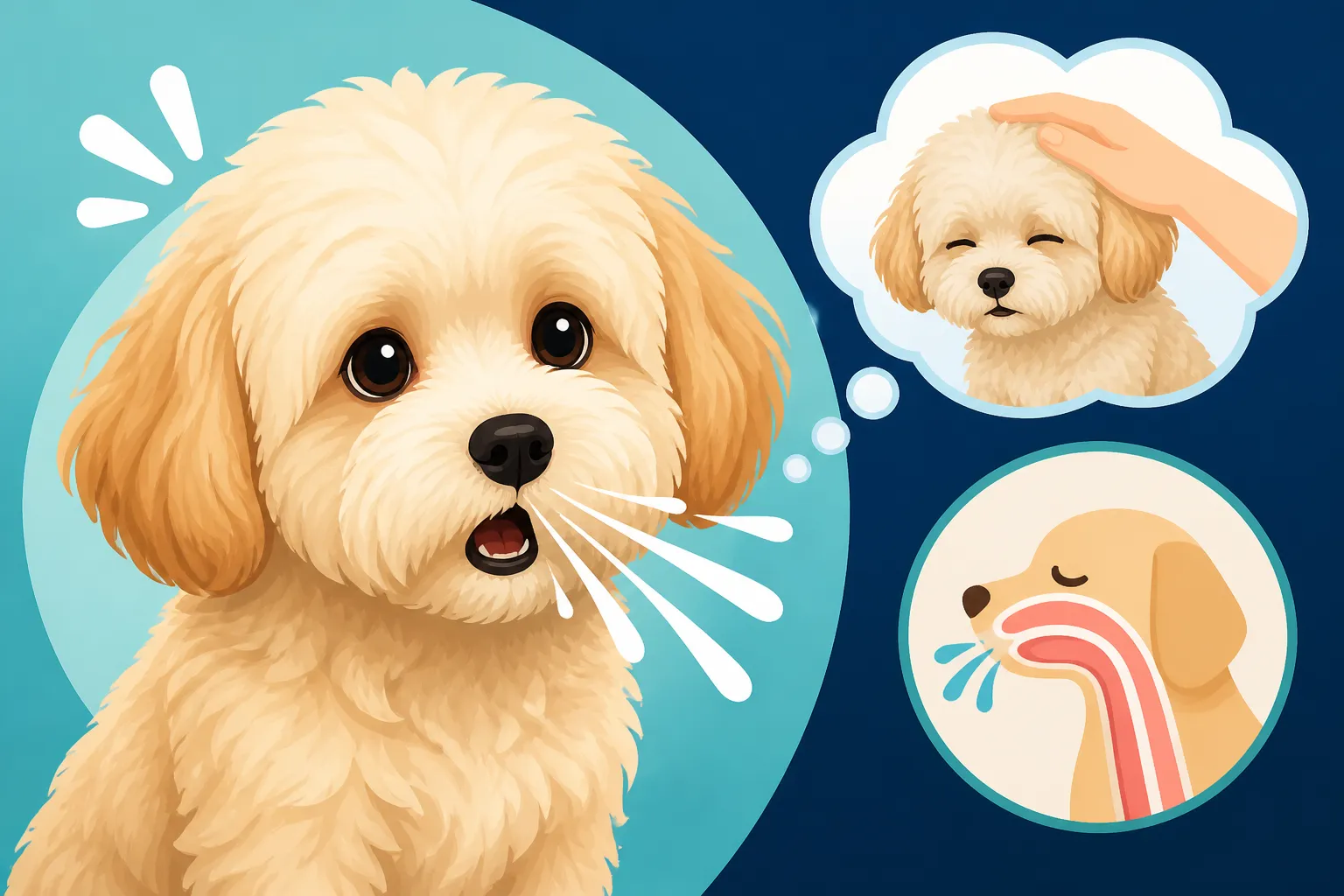
Reverse sneezing, medically known as paroxysmal respiration, is exactly what it sounds like – a sneeze in reverse. Instead of pushing air out through the nose, your Maltipoo rapidly pulls air in through their nose, usually accompanied by a snorting, gagging, or honking sound. It can be quite startling to witness, often leading owners to believe their beloved pet is choking or having an asthma attack. While it typically resolves on its own within a minute or two, understanding the mechanism behind it can bring a lot of peace of mind.
The Physiology Behind the Honk
To grasp what's happening during a reverse sneeze, picture the delicate structures inside your Maltipoo's throat and nasal passages. The soft palate, which is the fleshy part at the back of the roof of the mouth, can become irritated. When this irritation occurs, it spasms and drops down, briefly blocking the windpipe (trachea). In an effort to dislodge whatever is causing the irritation – be it mucus, dust, or an allergen – your Maltipoo instinctively tries to clear the passage by rapidly inhaling. This rapid, forced inhalation against a partially closed airway creates that distinctive, loud snorting or honking sound.
It's a reflex, much like a regular sneeze, designed to clear irritants. The small size of a Maltipoo, combined with the often shorter muzzles inherited from their Maltese lineage (though less pronounced than true brachycephalic breeds), can make them more prone to these types of anatomical sensitivities. Their airways are simply more compact and susceptible to minor irritations causing a more dramatic response.
Distinguishing It From Other Respiratory Issues
One of the biggest anxieties for Maltipoo owners is telling the difference between a harmless reverse sneeze and something more serious. It's crucial to observe your dog closely during these episodes. A classic reverse sneeze typically involves your Maltipoo standing still, head extended, and rapidly drawing air in. They might look a bit distressed, but their gums should remain a healthy pink, and they should not lose consciousness or collapse. The episode starts suddenly and ends just as suddenly, with your dog returning to normal behavior as if nothing happened.
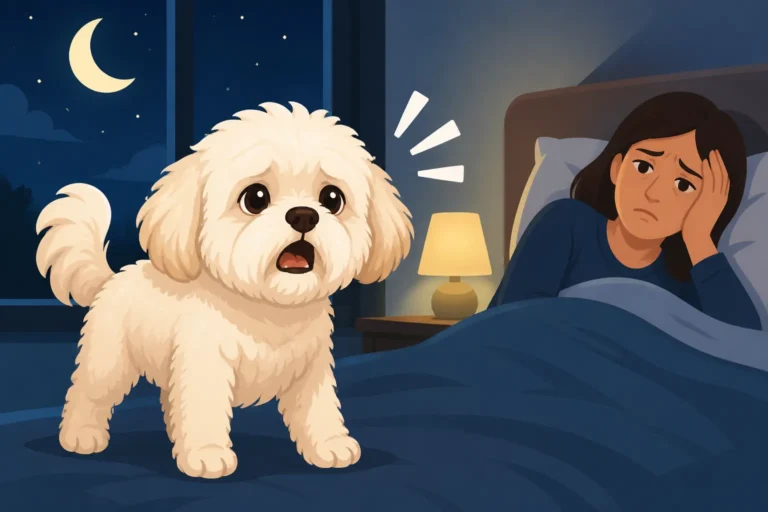
Compare this to other conditions. If your Maltipoo is truly choking, they would likely be pawing at their mouth, struggling to breathe, and might show signs of panic or bluish gums (cyanosis) due to lack of oxygen. This is a clear emergency. If you notice The Snorting Fit a Maltipoo Owner Mistakes for Choking, it's usually reverse sneezing, but persistent concerns always warrant a vet visit.
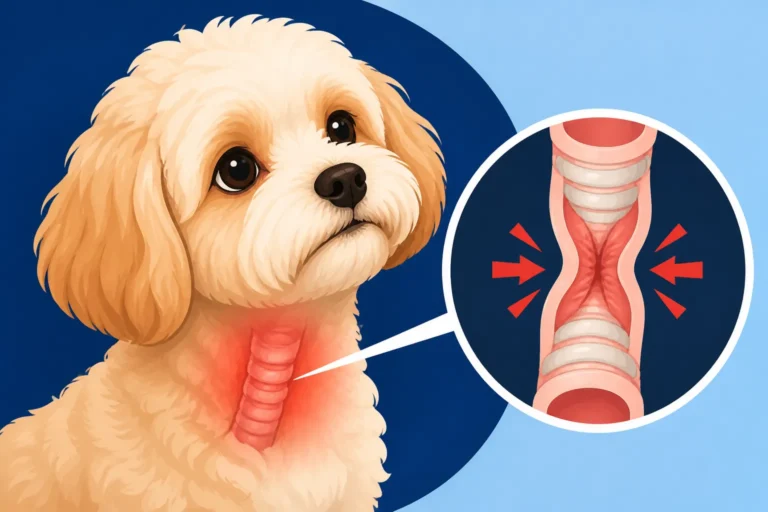
Another common concern is a collapsing trachea. Maltipoos, particularly the smaller ones, can be prone to this condition due to the Poodle's genetic predisposition. A collapsing trachea often presents as a harsh, dry, "goose-honk" cough, especially when excited, pulling on a leash, or after drinking water. While it can sound similar to a reverse sneeze, the mechanism is different – it’s the tracheal rings weakening and flattening, not a soft palate spasm. If you hear The Cough That Means a Maltipoo's Trachea Is Collapsing, you need to seek veterinary advice, as this is a progressive condition. Persistent coughing or wheezing, especially if accompanied by lethargy or difficulty breathing, also points away from simple reverse sneezing and towards a more serious respiratory or cardiac issue.
Here's a quick comparison table to help you differentiate:
| Symptom / Condition | Reverse Sneeze | Choking | Collapsing Trachea | Other Cough / Wheeze |
|---|---|---|---|---|
| Sound | Loud, rapid inward snorting/honking | Gagging, silent struggle, high-pitched whine | Dry, harsh "goose-honk" cough | Wet, deep, raspy, or hacking cough |
| Breathing | Rapid, forceful inward breaths through nose | Difficulty inhaling/exhaling, no air movement | Effortful breathing, panting | Labored, shallow, or rapid |
| Duration | Seconds to a couple of minutes | Urgent, continuous until obstruction cleared | Can be intermittent or prolonged | Varies, can be persistent |
| Body Language | Head extended, standing still, momentary distress | Pawing at mouth, panic, blue gums | Head extended, sometimes retching | Can vary, often lethargy, restless |
| Recovery | Abrupt return to normal | Requires intervention, immediate relief | Can recur, often needs medical management | May persist, improve with treatment |
| Emergency? | Usually no, unless prolonged or abnormal | YES, IMMEDIATE EMERGENCY | Potentially, depends on severity | Potentially, requires vet assessment |
Why Does My Maltipoo Reverse Sneeze So Often?
If your Maltipoo seems to be reverse sneezing every day, it's natural to feel worried. While it's generally harmless, frequent episodes can indicate consistent exposure to irritants or highlight certain anatomical predispositions that make them more susceptible. It's not uncommon for small breeds like Maltipoos to have these episodes more often than their larger counterparts.
Common Triggers for Small Breeds
Maltipoos, with their adorable, inquisitive noses, are often exposed to a myriad of airborne particles and environmental changes that can act as triggers. Think about it: they're closer to the ground, sniffing everything from pollen-dusted grass to spilled coffee.
One of the most frequent culprits is allergens. Just like humans, dogs can suffer from environmental allergies. Pollen, dust mites, mold spores, and even certain grasses can irritate the nasal passages and throat, leading to a reverse sneeze. If your Maltipoo starts having episodes during specific seasons, like springtime in a high-pollen area or when certain plants bloom, allergies might be a factor. Pet insurance providers like Healthy Paws often see claims related to allergies, which can manifest in various ways, including respiratory symptoms.
Irritants in the air are another big one. This includes strong perfumes, air fresheners, cleaning products, cigarette smoke, or even dust and dander from other pets. If you've just cleaned the house with a potent disinfectant, or if someone's been spritzing cologne, your Maltipoo might react. Sudden changes in temperature, moving from a warm house to cold outdoor air, can also be a trigger.
Beyond environmental factors, simple everyday activities can set off a reverse sneeze. Excitement can cause a Maltipoo to hyperventilate slightly, leading to irritation. This might happen during playtime, when greeting you at the door, or during a training session where they're particularly engaged. Eating or drinking too quickly, or pulling on a collar during a walk, can also irritate the soft palate and trigger an episode. This is why many owners opt for a harness over a collar for their Maltipoos to protect their delicate windpipe. Choosing a harness means you're not putting pressure directly on their neck, which is especially important for breeds prone to issues like a collapsing trachea. For this reason, many vets recommend owners reconsider Why a Maltipoo Should Never Wear a Collar.
Anatomical Predispositions in Maltipoos
While reverse sneezing can affect any dog, small breeds like Maltipoos have certain anatomical characteristics that make them particularly prone. The combination of the Maltese's dainty build and the Poodle's sometimes more compact facial structure (especially if bred with a Toy Poodle) can result in an elongated soft palate. This means the soft tissue at the back of the mouth is slightly too long for their oral cavity, causing it to occasionally get sucked into the larynx during inhalation, leading to that characteristic snorting sound.
Additionally, the overall smaller diameter of their trachea and nasal passages means that even minor inflammation or a small amount of mucus can cause a significant obstruction, triggering the reverse sneeze reflex. It’s not necessarily a sign of illness, but rather a structural sensitivity that’s part of being a small dog. Understanding What Breeding Smaller Costs a Maltipoo often includes awareness of these predispositions.
Environmental Factors at Play
Your home environment plays a significant role in how often your Maltipoo might reverse sneeze. As mentioned, airborne irritants are major culprits. Consider the following:
- Dust and Dander: If your home is prone to dust accumulation, or if you have other pets that shed, your Maltipoo is constantly inhaling these particles. Regular vacuuming with a HEPA filter and frequent washing of pet bedding can help.
- Household Chemicals: Be mindful of the cleaning products, air fresheners, and even scented candles you use. Opt for natural, unscented alternatives whenever possible.
- Smoke: Whether it's cigarette smoke, wood-burning fireplaces, or even cooking fumes, smoke can be highly irritating to a dog's respiratory system.
- Humidity Levels: Both very dry and very humid air can be problematic. In dry climates, a humidifier might help keep your Maltipoo's nasal passages moist. In very humid areas, good ventilation or a dehumidifier might be beneficial.
- Pollen and Outdoor Allergens: If your Maltipoo spends time outside, especially sniffing around plants, they're exposed to pollen. Wiping them down with a damp cloth after walks, especially their face and paws, can help remove allergens before they're inhaled indoors. For Maltipoos with Allergies Behind a Maltipoo's Itching, managing environmental allergens can be a dual benefit.
Keeping a log of when your Maltipoo reverse sneezes can help identify specific triggers. Note the time of day, what they were doing, and any recent changes in their environment. This information can be invaluable for your vet if you decide to seek professional advice.
When to Worry About Frequent Reverse Sneezing
While most reverse sneezing episodes are benign and resolve quickly, there are situations where frequent or changing patterns of reverse sneezing warrant a call to your veterinarian. It’s all about looking for changes and accompanying symptoms that might point to something more than just a typical reflex.
Signs It's More Than Just a Reverse Sneeze
The key to knowing when to worry lies in recognizing deviations from the usual reverse sneeze pattern. If your Maltipoo suddenly starts having these episodes much more frequently – say, several times a day when they used to have them only occasionally – it’s a good idea to check in with your vet.
Pay close attention to the nature of the episodes:
- Increased Intensity or Duration: If the reverse sneezes become more violent, last longer than a few minutes, or seem to genuinely distress your dog more than usual, it could be a sign.
- Changes in Breath or Discharge: Is there any nasal discharge during or after the episode? Is it clear, or is it discolored (yellow, green, bloody)? Is their breath suddenly foul-smelling? These can indicate infection or other issues.
- Lethargy or Behavioral Changes: If your Maltipoo is tired, less active, has a decreased appetite, or shows any other signs of being unwell in conjunction with the reverse sneezing, it's a red flag.
- Coughing or Wheezing: As discussed, a distinct, harsh cough could signal a collapsing trachea. Wheezing might indicate asthma or other respiratory distress.
- Blue-tinged Gums: This is a clear sign of oxygen deprivation and an immediate emergency.
If you observe any of these symptoms, don't hesitate to reach out to your vet. It's always better to be safe than sorry when it comes to your pet's health. Pet insurance from providers like Healthy Paws can offer peace of mind for unexpected vet visits and diagnostics.
Underlying Health Concerns to Rule Out
While reverse sneezing itself is often benign, persistent or severe episodes can sometimes be a symptom of an underlying medical condition that requires attention. Your vet will perform a thorough examination, including checking their mouth, throat, and listening to their lungs, and may recommend further diagnostics.
Some potential underlying issues include:
- Allergies: Chronic exposure to allergens can lead to persistent inflammation in the nasal passages, making reverse sneezing more common. Your vet might suggest allergy testing or trial medications to manage symptoms.
- Nasal Mites: These tiny parasites can live in a dog's nasal passages, causing intense irritation, sneezing, and reverse sneezing. They are treatable with specific medications.
- Foreign Bodies: Sometimes a piece of grass, a seed, or another small object can get lodged in the nasal passage or throat, causing ongoing irritation. This often requires endoscopic removal.
- Nasal Polyps or Tumors: Although less common, growths in the nasal passages or throat can cause obstruction and irritation, leading to frequent reverse sneezing.
- Dental Disease: Believe it or not, severe dental infections can sometimes affect the nasal passages due to the close proximity of the teeth to the nasal cavity. A severe tooth root abscess can even breach the nasal cavity, leading to discharge and irritation. It's another reason How Often a Maltipoo Needs a Dental is such an important topic. Maltipoos are prone to The Forty Two Teeth Crowding a Maltipoo's Jaw, which can lead to rapid onset of dental issues if not maintained daily.
- Collapsing Trachea: As mentioned, this condition can cause a cough that might be mistaken for a reverse sneeze or even trigger episodes. While a reverse sneeze is a soft palate issue, a collapsing trachea is a structural problem with the windpipe itself.
- Heart Disease: In some rare cases, an enlarged heart could press on the trachea, causing a cough or irritation that might be misinterpreted as a reverse sneeze. Regular The Yearly Checks a Maltipoo Should Get are vital for early detection of such issues.
The Importance of Veterinary Consultation
If you're noticing changes in your Maltipoo's reverse sneezing frequency, intensity, or if other symptoms are present, a vet visit is the most responsible course of action. Your veterinarian will be able to perform a complete physical examination, which often includes looking at the back of the throat, checking for nasal discharge, and listening to your dog's heart and lungs.
Don't downplay your concerns. Explain exactly what you've observed, how long it's been happening, and any potential triggers you've identified. It might even be helpful to record an episode on your phone if you can, as this can provide valuable information for the vet. They may recommend diagnostic tests such as X-rays, blood work, allergy testing, or even endoscopy to get a clearer picture of what might be going on. While the vast majority of reverse sneezes are harmless, ruling out underlying conditions is crucial for your Maltipoo's long-term health and your peace of mind.
Managing and Preventing Reverse Sneezing Episodes
While it's impossible to completely eliminate all instances of reverse sneezing, especially if your Maltipoo has certain anatomical predispositions, there are many steps you can take to manage episodes and potentially reduce their frequency. Proactive care and quick action during an episode can make a big difference in both your and your Maltipoo's comfort.
Immediate Action During an Episode
When your Maltipoo is in the midst of a reverse sneeze episode, it can be distressing for both of you. The most important thing is to remain calm. Your anxiety can easily transfer to your dog, making the situation worse.
Here are a few techniques that often help:
- Gently Massage Their Throat: Lightly stroke or rub their throat just under the jawline. This can encourage them to swallow, which helps to reset the soft palate and clear the irritation.
- Cover Their Nostrils Briefly: For a second or two, gently cover their nostrils with your fingers. This forces them to swallow, which can interrupt the spasm. Don't hold it for long, just enough to make them swallow.
- Offer a Drink of Water: If they're willing, a small sip of water can also help lubricate the throat and encourage swallowing.
- Try to Calm Them: Speak in a soothing voice. If excitement triggered the episode, bringing down their energy level can help it pass more quickly.
- Move Them to Fresh Air: If you suspect an irritant in the air, move your Maltipoo to a different room or step outside into clean, fresh air, if weather permits.
Most episodes will pass within seconds to a couple of minutes, and once it's over, your Maltipoo should return to normal.
Long-Term Environmental Management
Reducing exposure to triggers is one of the most effective ways to prevent frequent reverse sneezing. A little detective work and some household adjustments can go a long way.
- Air Quality: Invest in a good quality air purifier with a HEPA filter for the rooms your Maltipoo spends the most time in. This helps to remove dust, pollen, and other airborne allergens. Regularly clean and replace your home's HVAC filters.
- Dust Control: Dust frequently with a damp cloth, vacuum regularly, and wash pet bedding weekly. Consider dust mite covers for your own bedding if your Maltipoo sleeps with you.
- Avoid Irritants: Eliminate or minimize the use of strong chemical cleaners, aerosol sprays, air fresheners, and scented candles. If you must use them, do so when your Maltipoo is in another part of the house, and ensure the area is well-ventilated before they return. Avoid smoking near your dog.
- Humidifier/Dehumidifier: Assess your home's humidity. If it's too dry, a humidifier can prevent dry, irritated nasal passages. If too humid, a dehumidifier can prevent mold and mildew growth, which are common allergens.
- Grooming and Diet Adjustments: Keeping your Maltipoo well-groomed, especially around their face, can help reduce the amount of dust and pollen they carry. Additionally, some dogs with sensitivities might benefit from specific dietary changes if food allergies are suspected to contribute to overall inflammation. While not directly related to reverse sneezing, ensuring your Maltipoo's health overall, including their dental health, contributes to their well-being. Regular tooth brushing and dental checks can prevent issues that might impact respiratory comfort.
Lifestyle Adjustments and Preventative Care
Beyond environmental control, some simple lifestyle changes can help your Maltipoo breathe easier and reduce the likelihood of reverse sneezing.
- Harness Over Collar: This is a big one for Maltipoos and other small breeds. Using a harness distributes pressure across their chest and shoulders, rather than directly on their delicate throat and trachea. This significantly reduces the risk of irritating the windpipe, which can trigger both reverse sneezes and exacerbate conditions like Collapsing Trachea in a Maltipoo's Neck.
- Manage Excitement: While you don't want to stifle their joy, try to introduce calming routines before highly exciting events, like coming home or meal times. A brief calm-down period before offering food or engaging in energetic play can help.
- Slow Down Eating/Drinking: If your Maltipoo gulps food or water too quickly, consider using a slow feeder bowl or offering smaller, more frequent meals.
- Allergy Management: If allergies are suspected, your vet might recommend antihistamines, anti-inflammatory medications, or even allergy shots. Keep track of seasonal changes and potential outdoor triggers.
- Regular Veterinary Check-ups: Consistent vet visits ensure that any potential underlying issues are caught early. Your vet can advise on the best course of action for your individual Maltipoo, especially if they are prone to specific health issues. What an Emergency Sugar Crash Costs a Maltipoo Owner is an example of why proactive care and knowledge of your dog's specific needs are so important. These regular check-ups are also where you can discuss any new or worsening symptoms like frequent reverse sneezing.
By combining these strategies, you can provide a more comfortable and sneeze-free environment for your cherished Maltipoo, allowing them to enjoy their days without constant respiratory interruptions.
Disclaimer
The information provided in this article is for educational purposes only and is not intended to be a substitute for professional veterinary advice, diagnosis, or treatment. Always seek the advice of your veterinarian or other qualified animal health provider with any questions you may have regarding a medical condition.