Whether a Maltipoo Gets Dry Eye
It’s truly disheartening to see your sweet Maltipoo constantly squinting, rubbing their face, or sporting those tell-tale crusty eyes. Many of us worry about our furry family members’ comfort, and eye issues can be particularly distressing. This guide will meticulously explore the reality of dry eye in Maltipoos, covering everything from understanding its causes to recognizing symptoms and implementing effective, long-term care strategies to keep your beloved companion’s eyes healthy and bright.
Understanding Dry Eye in Maltipoos Keratoconjunctivitis Sicca
Dry eye, medically known as Keratoconjunctivitis Sicca (KCS), is a surprisingly common and uncomfortable condition that can affect many dog breeds, and unfortunately, Maltipoos are often among them. It’s not just about a lack of tears; it's about a fundamental breakdown in the quality and quantity of the tear film that protects and nourishes the eye. Ignoring it can lead to chronic pain, infections, and even vision loss over time, which is something no loving pet parent wants for their little one.
What Exactly is Dry Eye?
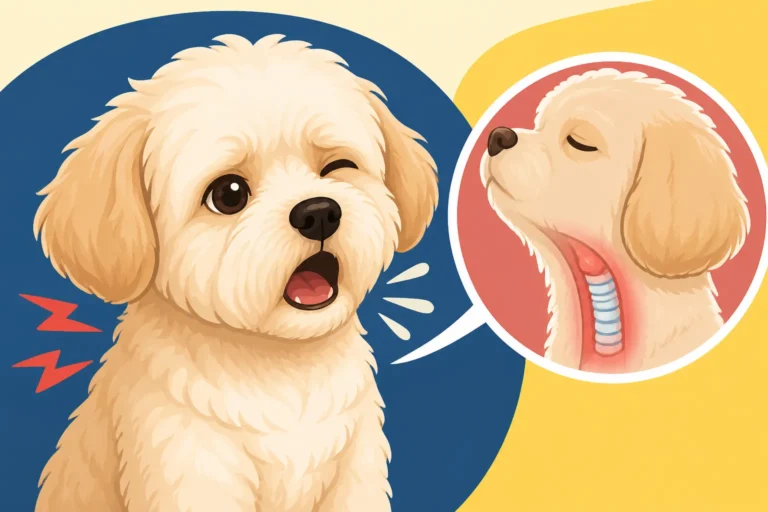
Imagine your eyes without proper lubrication – gritty, irritated, constantly burning. That's a bit what KCS feels like for a dog. Normally, a healthy eye is covered by a delicate three-layered tear film. There's the oily outer layer, which prevents rapid evaporation; the watery middle layer, which provides moisture and nutrients; and the mucous inner layer, which helps the tears adhere to the eye's surface. With KCS, there's a deficiency in the watery component, and sometimes the other layers are affected too. This means the eye doesn't get the lubrication it needs, leading to dryness, inflammation, and a host of other problems. The eyes become highly susceptible to damage from environmental factors like dust and wind, as well as bacterial infections. It's a persistent assault on the delicate eye surface that can significantly impact a dog's quality of life.
Why Maltipoos Are Susceptible
Maltipoos inherit traits from both their Maltese and Poodle parents, and unfortunately, both breeds have a known predisposition to dry eye. The Poodle, particularly the Miniature and Toy varieties, can pass down a genetic tendency for immune-mediated KCS, where the dog's own immune system attacks the tear glands. Similarly, the Maltese is also noted for its susceptibility to KCS, often linked to anatomical factors or genetic predispositions that affect tear production. This dual inheritance means your Maltipoo has a higher chance of developing the condition compared to some other breeds. It’s not a guarantee, of course, but it certainly puts them in a higher risk category. Factors like certain medications, distemper virus infections, and even chronic allergies can also contribute, but for many Maltipoos, the genetic component is the primary driver, making it a condition you should always be aware of from puppyhood.
The Impact of Chronic Dry Eye
Without adequate tears, the surface of your Maltipoo's eye, particularly the cornea and conjunctiva, becomes inflamed, dry, and vulnerable. This constant irritation can lead to painful corneal ulcers, which are open sores on the eye's surface that can be excruciating and incredibly difficult to heal. Chronic inflammation often results in pigmentary keratopathy, where dark pigment starts to spread across the cornea, gradually obstructing vision. Imagine looking through a cloudy, darkening window all the time. Moreover, the lack of protective tears allows bacteria to flourish, leading to recurrent eye infections that compound the discomfort and can further damage the eye. Over time, if left untreated, KCS can cause severe pain, permanent vision impairment, and in the worst cases, even blindness. This is why early detection and consistent management are absolutely crucial for your Maltipoo's long-term eye health and comfort.
Recognizing the Signs and Symptoms of Dry Eye
Catching dry eye early can make a world of difference in your Maltipoo's treatment and prognosis. Sometimes the signs are subtle, making them easy to dismiss as just "allergies" or "a bit of gunk." However, as the condition progresses, the symptoms become more pronounced and impossible to ignore. Paying close attention to your dog's eyes and their behavior is key to ensuring they get the help they need before the condition becomes severe.
Early Warning Signs You Might Miss
In the initial stages of dry eye, the symptoms can be quite mild and might even come and go. You might notice your Maltipoo blinking a bit more frequently than usual, almost as if they're trying to clear something from their eye. Their eyes might seem duller than their usual sparkling self, losing that healthy, moist sheen. You may also observe a very thin, watery discharge that dries to a slightly crusty consistency around the corners of their eyes. Sometimes, they might rub their face against furniture or paw at their eyes gently, a subtle indication of discomfort. If you pay close attention during your daily grooming routine, especially when cleaning around their eyes or checking for Whether Untrimmed Hair Scratches a Maltipoo's Cornea you might catch these early indicators. These slight changes are easy to overlook, but they are crucial signals that something isn't quite right with their tear production.
Obvious Indicators That Demand Attention
As KCS progresses, the signs become much harder to miss and much more indicative of significant discomfort. You'll likely see persistent redness in the whites of their eyes and around the eyelids, indicating severe inflammation. The discharge will become thicker, often yellow or greenish, and very tenacious, sticking to the fur around their eyes and hardening into crusts. This discharge isn't just cosmetic; it's a sign of bacterial overgrowth due to the lack of cleansing tears. Your Maltipoo might start squinting frequently, keeping their eyes partially closed to alleviate the pain. They may rub their eyes intensely with their paws or against surfaces, sometimes causing further irritation or injury. You might even notice changes in their cornea, such as cloudiness or a dull, opaque appearance. If your Maltipoo exhibits these more pronounced symptoms, it’s imperative to seek veterinary attention immediately, as the condition is likely causing significant pain and potential damage.
Differentiating Dry Eye from Other Eye Issues
It's easy to mistake dry eye symptoms for other common eye problems, which is why a proper veterinary diagnosis is so important. For example, a sudden onset of red, watery eyes might make you think of conjunctivitis, an inflammation of the conjunctiva, which can be caused by allergies, irritants, or infection. While KCS can lead to conjunctivitis, simple conjunctivitis often doesn't involve the thick, sticky discharge typical of advanced dry eye. Allergies, which can cause Allergies Behind a Maltipoo's Itching and watery, itchy eyes, usually present with a clear discharge, not the mucous-laden type seen in KCS. Similarly, if you notice excessive Tear Duct Problems in a Maltipoo staining, you might initially suspect blocked tear ducts, which causes tears to overflow. However, with KCS, the problem is underproduction of tears, though in some cases, the few tears produced might be of poor quality and still cause staining. Only a vet can perform the specific tests needed to definitively diagnose KCS and rule out other conditions like corneal ulcers, foreign bodies, or even glaucoma. Don't try to self-diagnose; always consult with a professional.
| Symptom / Condition | Dry Eye (KCS) | Allergic Conjunctivitis | Blocked Tear Duct |
|---|---|---|---|
| Tear Production | Low quantity / Poor quality | Normal to increased | Normal to increased (overflow) |
| Discharge Type | Thick, mucoid, yellow/green | Clear, watery | Watery, can stain |
| Eye Redness | Common, persistent | Common, can be episodic | Mild to moderate |
| Squinting/Pain | Common, moderate to severe | Mild to moderate itchiness | Mild irritation |
| Cornea Appearance | Dull, cloudy, pigmented over time | Clear, sometimes swollen | Clear |
| Frequency | Persistent, chronic | Seasonal or exposure-related | Persistent overflow |
Diagnosing and Treating Dry Eye in Your Maltipoo
Once you suspect your Maltipoo might be suffering from dry eye, the next crucial step is getting a professional diagnosis and starting an appropriate treatment plan. This isn't a condition that will simply resolve on its own; it requires dedicated veterinary care and consistent at-home management. A thorough examination by your vet is the only way to confirm KCS and set your furry friend on the path to comfort.
The Schirmer Tear Test: The Gold Standard
When you bring your Maltipoo to the vet with concerns about dry eye, the first and most critical diagnostic tool they'll use is the Schirmer Tear Test (STT). This simple, non-invasive test is the gold standard for measuring tear production. It involves gently placing a small strip of specialized filter paper under your Maltipoo's lower eyelid for exactly one minute. The paper has a millimeter scale, and as tears are produced, they wick up the strip. After one minute, the strip is removed, and the wetness is measured. A healthy dog typically produces 15 millimeters or more of tears in that minute. Readings between 10-14 mm usually indicate mild KCS, while anything below 10 mm points to moderate to severe dry eye. Results below 5 mm are considered very severe. It's a quick, accurate way to get a baseline measurement and monitor the effectiveness of treatment over time, which is essential given that The Yearly Checks a Maltipoo Should Get will often include this test if KCS is a known issue.
Medical Management: Medications and Long-Term Care
Once dry eye is diagnosed, your vet will likely prescribe a regimen of eye medications designed to both stimulate tear production and manage inflammation. The cornerstone of treatment often involves topical immunosuppressants like cyclosporine or tacrolimus, administered as eye drops or ointments. These medications work by suppressing the immune response that is attacking the tear glands, thereby allowing the glands to resume some level of tear production. It’s important to understand that these aren't a quick fix; they typically need to be applied two to three times a day, every day, for the rest of your Maltipoo's life. Consistency is absolutely vital for success.
In addition to these, your vet might also prescribe artificial tear drops or gels to provide immediate lubrication and comfort, especially in the initial stages or during flare-ups. Antibiotic eye drops may be used if a secondary bacterial infection is present. Remember, applying eye drops to a small, wiggling Maltipoo can be a challenge, but learning proper technique from your vet and making it a positive experience with treats can go a long way. This is truly a long-term commitment, much like managing The Forty Two Teeth Crowding a Maltipoo's Jaw requires daily attention to dental hygiene.
When Surgery is Considered
While medical management is the primary approach for most cases of KCS, there are instances where surgical intervention might be considered, particularly for dogs that don't respond adequately to medication or suffer from severe, irreversible tear gland damage. The most common surgical procedure for KCS is called parotid duct transposition. In this surgery, a salivary duct from the dog's mouth (the parotid duct) is rerouted to the eye, allowing saliva to provide lubrication instead of tears.
This is a complex procedure with its own set of potential complications, including issues with excess moisture (saliva is different from tears and can irritate the eye or spill onto the face), mineral deposits forming on the cornea, or the need for continued medical management of secondary issues. It's generally considered a last resort when all other medical options have been exhausted. Your veterinary ophthalmologist will thoroughly discuss the risks and benefits, as well as the What Patella Surgery Costs on a Six Pound Maltipoo for such a specialized procedure, before recommending it. For most Maltipoos, consistent and diligent medical treatment is usually sufficient to manage the condition effectively.
Living with a Maltipoo with Dry Eye: Management and Prevention
Caring for a Maltipoo with dry eye is a lifelong journey, but it doesn't have to be a burden. With a dedicated routine, regular veterinary support, and a little proactive planning, your beloved companion can live a comfortable, happy life despite their condition. It's all about making their daily environment and care regimen conducive to optimal eye health.
Creating a Supportive Environment
Managing your Maltipoo's dry eye extends beyond just administering drops; it also involves creating an environment that minimizes irritants and supports eye health. Pay attention to household irritants like dust, strong cleaning fumes, or even excessive pollen, especially if your Maltipoo is prone to Allergies Behind a Maltipoo's Itching. Running a humidifier in your home, particularly in dry climates or during winter months when indoor heating can dry the air, can add valuable moisture to the environment, helping to keep your dog's eyes (and your own!) more comfortable. Avoid directing fans or air conditioning vents directly at your Maltipoo's face, as this can exacerbate dryness. When traveling, protect their eyes from wind, perhaps by using a pet-safe car seat or carrier that shields them from direct airflow. Regularly cleaning their bedding and vacuuming can also help reduce airborne particles that might irritate their eyes.
The Importance of Regular Vet Check-ups
Even with consistent daily care, regular veterinary check-ups are absolutely non-negotiable for a Maltipoo with dry eye. These visits allow your vet to monitor the progression of the condition, adjust medication dosages as needed, and check for any secondary complications like infections or corneal ulcers. They will typically perform a Schirmer Tear Test at each visit to assess tear production and gauge the effectiveness of the treatment plan. It's also an opportunity to discuss any new symptoms or concerns you might have. Chronic conditions like dry eye can be financially taxing over your Maltipoo's lifetime, and this is where considering pet insurance can be incredibly beneficial. Plans from companies like Healthy Paws can help cover the ongoing costs of medication, specialist visits, and potential emergency care related to their condition, offering immense peace of mind. Discussing your options with a provider like Healthy Paws before your dog develops a condition can ensure better coverage for chronic issues. These regular check-ups are an essential part of the larger picture of The Yearly Checks a Maltipoo Should Get to ensure overall well-being.
Prevention Strategies and Genetic Screening
While many cases of KCS have a strong genetic component, especially in breeds like the Maltese and Poodle that contribute to the Maltipoo, responsible breeding practices can play a role in reducing the incidence. Reputable breeders should ideally screen their breeding stock for inherited eye conditions, including KCS, although specific genetic markers for this condition are not always universally available or clear-cut. As a prospective pet parent, asking breeders about the eye health history of the parent dogs, particularly if The Eyes a Maltipoo Gets From the Poodle are a concern, is a good step.
For current owners, prevention is more about diligent management once a predisposition is known. Regular eye cleaning to remove discharge, especially if you notice frequent How Often a Maltipoo's Eyes Need Cleared, helps prevent secondary infections. Protecting your Maltipoo from environmental irritants, ensuring they have fresh water, and promptly addressing any early signs of eye discomfort can help mitigate the severity and impact of dry eye. While you can't always prevent a genetic predisposition from manifesting, early detection and consistent care are your best defense.
Daily Care Routine for Eye Health
Establishing a consistent daily routine is crucial for managing your Maltipoo’s dry eye and promoting overall eye health. This routine should primarily involve the diligent application of any prescribed eye drops or ointments, exactly as directed by your veterinarian. Consistency is key; missing doses can set back progress and lead to flare-ups. Make it a calm, positive experience with praise and treats.
Beyond medication, gentle cleaning around the eyes is vital to remove any discharge or crusts. Use a soft, damp cloth or a veterinarian-approved eye wipe to carefully clean the area. This prevents buildup that can irritate the skin and harbor bacteria. Always wipe away from the eye, from the inner corner outwards. Be mindful of hair around the eyes; consider a regular, careful face trim, as Whether Untrimmed Hair Scratches a Maltipoo's Cornea is a genuine concern for dogs with long facial hair. Even if your Maltipoo doesn't have diagnosed dry eye, a proactive approach to eye hygiene, much like the commitment to brushing your Maltipoo's teeth daily to prevent Whether Dental Disease Shortens a Maltipoo's Life, can contribute significantly to their long-term comfort and health. Remember, a pet insurance policy from a provider like Healthy Paws can also support the ongoing costs of these crucial medications and regular vet visits.
Disclaimer
The information provided in this article is intended for general knowledge and informational purposes only, and does not constitute medical advice. Always consult with a qualified veterinarian or veterinary specialist for any health concerns or before making any decisions related to your pet's health or treatment.