Whether a Maltipoo Chews Its Feet Until They Stain
It's incredibly frustrating and often quite alarming when you notice your sweet Maltipoo constantly chewing, licking, or gnawing at their paws. Not only does it sound distressing, but then you see the tell-tale reddish-brown stains, especially noticeable on their light-colored fur, and you know something isn't right. This relentless paw attention isn't just a quirky habit; it's a clear sign your furry friend is experiencing discomfort, itchiness, or even pain. This guide will walk you through the common culprits behind this behavior, explain why those stains appear, and, most importantly, provide actionable steps to help your Maltipoo find relief and get those paws back to their pristine condition.
Understanding Why Your Maltipoo Chews Its Paws
When your Maltipoo constantly licks or chews their paws, it's their way of telling you something is bothering them. It's not a habit they pick up for no reason; there's always an underlying cause, and it’s usually related to discomfort. Pinpointing that exact reason can feel like detective work, but understanding the common culprits is the first step toward helping your little one.
Allergic Reactions and Irritants
One of the most frequent reasons Maltipoos develop an obsessive paw-licking habit is allergies. Just like us, dogs can suffer from environmental allergies, food sensitivities, or even contact dermatitis.
When it comes to environmental allergies, often called atopy, your Maltipoo might be reacting to pollen, dust mites, mold spores, or even certain grasses. These invisible triggers can cause widespread itchiness, but the paws are often a prime target because they come into direct contact with allergens when your dog walks outside. Imagine walking barefoot through a field of allergens; that's essentially what your Maltipoo is experiencing. The itch can be intense, leading to persistent licking, chewing, and biting as a desperate attempt to find relief. This is especially true for Maltipoos who love to roll around in the grass or spend a lot of time exploring outdoors. The constant exposure means a constant battle with the itch.
Food allergies or sensitivities are another major player. While less common than environmental allergies, they can cause systemic itchiness that often manifests vividly in the paws. Certain protein sources, grains, or even additives in their kibble can trigger an inflammatory response. This isn't usually an immediate reaction but rather a slow build-up of discomfort. You might notice other signs like gastrointestinal upset, ear infections, or generalized skin irritation, but the paw chewing is often one of the earliest and most persistent indicators. It’s a frustrating cycle because the more they chew, the more irritated the skin becomes, potentially leading to secondary infections. If you suspect food might be the issue, an elimination diet under veterinary guidance is usually the next step to uncover the culprit. For more on this, you might want to read about Whether a Maltipoo's Skin Reacts to Food.
Finally, contact irritants can play a role. Think about the chemicals used to treat your lawn, cleaning products on your floors, or even certain types of carpet fibers. Your Maltipoo's paws are constantly touching these surfaces, and if they contain irritating substances, it can cause localized inflammation and itchiness. It's often overlooked, but the everyday environment can be a minefield for sensitive paws. Identifying and removing these irritants can provide immediate relief, but it requires careful observation of where and when your Maltipoo's paw chewing tends to worsen.
Fungal and Yeast Infections
Beyond allergies, the damp, warm environment created by persistent licking makes the paws a perfect breeding ground for fungal and yeast infections. Yeast infections, primarily caused by Malassezia pachydermatis, are incredibly common on dog paws and are notoriously itchy.
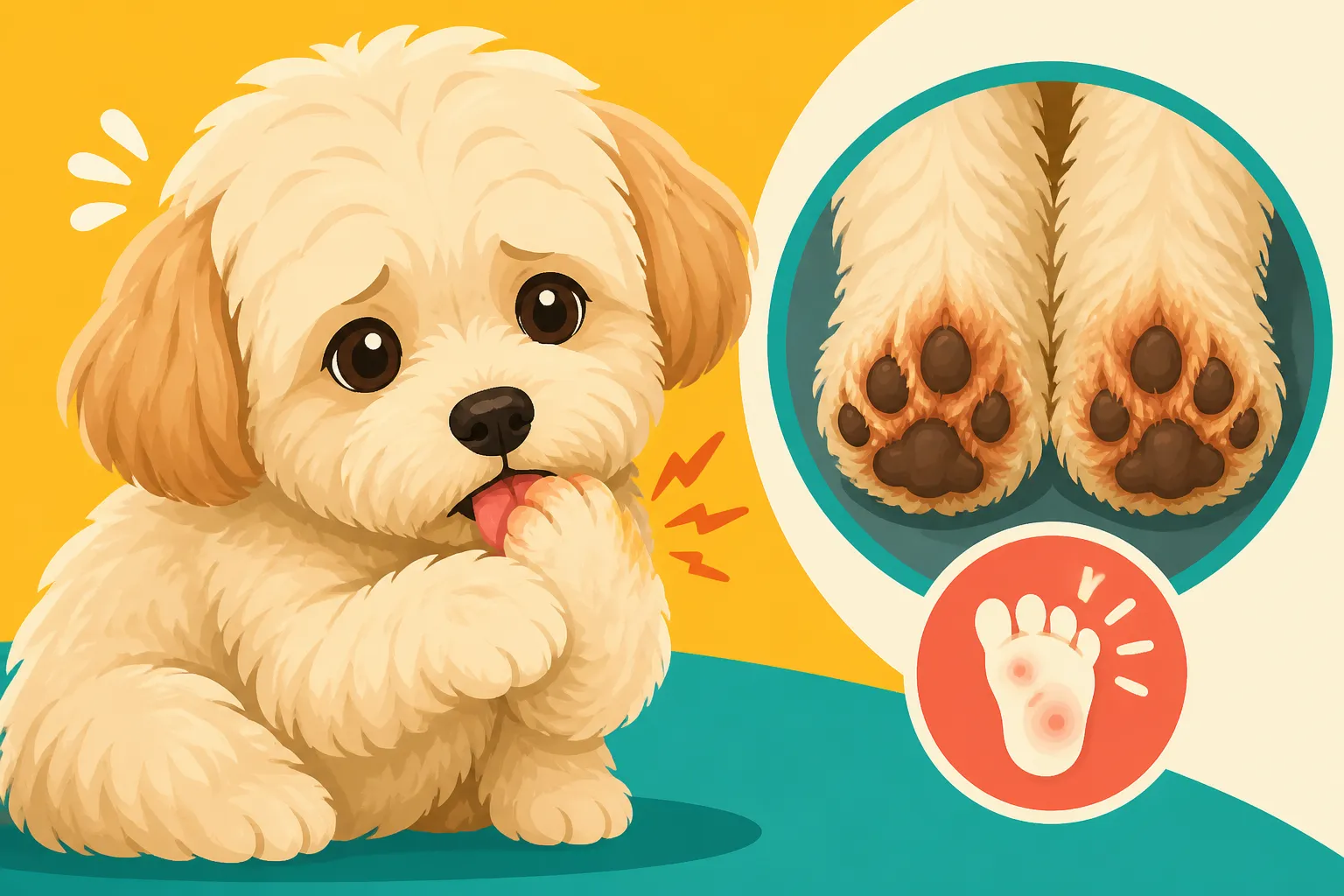
You might first notice a yeasty smell, often described as like corn chips or stale bread, emanating from their paws. The skin between their toes and on their paw pads might appear reddish, inflamed, and greasy. In lighter-colored Maltipoos, the fur around the infected areas can take on a rust-colored or reddish-brown hue due to the yeast itself, combined with saliva staining. This is a cycle of misery for your Maltipoo; the itch makes them lick, the licking creates moisture, and the moisture allows the yeast to flourish, intensifying the itch. It's a never-ending loop without intervention.
These infections aren't always visible in their early stages. Sometimes, the only clue is the incessant licking and chewing. If left untreated, yeast infections can become chronic, making your Maltipoo even more miserable and potentially leading to deeper skin issues. Regular grooming, especially keeping the fur between the paw pads neatly trimmed, can significantly help to reduce moisture and airflow, making it less hospitable for yeast to grow. But once an infection takes hold, it will likely need antifungal medication, either topical or oral, prescribed by your vet.
Bacterial Infections and Open Wounds
The constant licking, chewing, and biting at itchy or irritated paws can quickly break the skin barrier, creating tiny abrasions or even open wounds. Once the skin is compromised, it becomes an open invitation for bacteria to move in, leading to secondary bacterial infections (pyoderma).
These infections can manifest as red, swollen areas, pustules, scabs, or even oozing sores between the toes or on the paw pads. The pain and itch from a bacterial infection can be even more intense than the initial irritation, driving your Maltipoo to chew even more frantically, exacerbating the problem. You might notice your Maltipoo limping, refusing to put weight on a paw, or crying out when their paw is touched. The fur around these areas might be wet from licking, and you might even detect an unpleasant odor.
Without proper veterinary care, bacterial infections can spread, become deeper, and cause significant discomfort and potential systemic health issues. What might start as a simple allergy could quickly escalate into a serious infection requiring antibiotics. It's critical not to ignore persistent paw chewing, especially if you see any signs of broken skin, discharge, or severe inflammation. Early intervention is key to preventing a minor issue from becoming a major health concern. This is where understanding the importance of The Yearly Checks a Maltipoo Should Get comes into play, as routine vet visits can help catch issues early.
The Staining Phenomenon: Why Feet Turn Reddish-Brown
Once you've seen those reddish-brown stains on your Maltipoo's pristine white or cream paws, you can't unsee them. It's a tell-tale sign of prolonged licking and chewing, and it's a phenomenon that puzzles many owners. Understanding why the fur changes color helps reinforce just how much attention those paws are getting.
Porphyrins in Saliva
The primary culprit behind those reddish-brown stains is a substance called porphyrins. Porphyrins are iron-containing molecules that are naturally present in dog saliva, tears, and urine. When your Maltipoo constantly licks their paws, they are essentially coating the fur with their saliva.
While fresh saliva might not look particularly colored, when these porphyrins are exposed to light, particularly UV light from the sun, they oxidize. This oxidation process causes them to turn a reddish-brown color, which then dyes the fur. The more frequent and prolonged the licking, the more porphyrins are deposited, and the deeper the stain becomes. On a light-colored Maltipoo, like a pure white or cream one, these stains are incredibly prominent and can make the fur look quite unsightly, often leading owners to mistakenly believe it’s dirt.
It's similar to how tear stains appear around their eyes, or how their beard might stain if they drink from metal bowls or eat certain foods – it's all due to the porphyrin content. The staining itself isn't harmful, but it's a visible indicator of excessive licking, which is a sign of an underlying problem. If you notice these stains, it’s a clear signal that your Maltipoo has been consistently self-grooming that area beyond what is normal, and it's time to investigate why.
Yeast and Bacteria Pigmentation
While porphyrins from saliva are a major contributor, yeast and certain bacteria that thrive in moist environments can also add to the discoloration. As mentioned earlier, yeast infections on the paws are common. Certain species of yeast, like Malassezia, not only cause intense itching but can also produce a reddish-brown pigment that directly stains the fur.
This is why, in cases of severe yeast infections, the fur can appear almost rusty, even if the licking isn't constant. The yeast itself is coloring the hair shaft. Similarly, some types of bacteria, when present in large numbers or as part of an infection, can also contribute to pigmentation. When yeast, bacteria, and saliva porphyrins combine, the staining can become very dark and stubborn, clinging to the fur fibers.
This combined staining effect is particularly challenging for Maltipoo owners because their beautiful, often light-colored, coats show every little mark. The stains can be difficult to remove even with diligent cleaning, often requiring specific medicated shampoos or professional grooming to slowly diminish as the new, unstained fur grows in. Regular The Daily Face Wipe a Maltipoo Needs and careful attention to grooming, as well as addressing the root cause of the licking, are essential for managing both the underlying issue and the resulting cosmetic challenge.
Diagnosing the Root Cause of Paw Chewing
The moment you notice your Maltipoo chewing their paws, it’s natural to feel worried and want to fix it immediately. But just tackling the symptom (the chewing) without understanding the underlying cause is like putting a band-aid on a much larger wound. Effective diagnosis is paramount to providing lasting relief for your furry friend.
The Importance of a Veterinary Visit
While it's tempting to try at-home remedies or guess what might be wrong, self-diagnosis is truly risky when it comes to persistent paw chewing. There are so many potential causes, from simple irritants to complex medical conditions, and many of them require specific veterinary treatments. A professional diagnosis is critical for getting your Maltipoo on the right path to recovery.
When you bring your Maltipoo to the vet for paw chewing, expect a thorough examination. Your veterinarian will typically start with a detailed physical exam, checking all four paws, the areas between the toes, and the nail beds for any signs of redness, swelling, lesions, foreign objects (like a tiny burr or thorn that can cause immense irritation), or unusual odors. They'll also look for signs of generalized allergies, such as irritated skin elsewhere on the body, ear infections, or anal gland issues. Remember, Whether a Maltipoo Gets Ear Infections can often be linked to systemic allergies that also manifest in the paws.
Beyond a visual inspection, your vet will likely perform some diagnostic tests right there in the clinic. A common one is a skin scrape, where a small sample of skin is gently scraped to look for mites under a microscope. Cytology, which involves collecting cells from the skin surface with a piece of tape or a swab and examining them under a microscope, is invaluable for identifying yeast or bacterial overgrowth. This helps your vet determine if a fungal or bacterial infection is present and which type of medication would be most effective.
In more complex cases, especially if allergies are suspected, your vet might recommend more specialized tests. These could include blood tests or intradermal skin tests for environmental allergens, or a strict elimination diet to pinpoint food sensitivities. An elimination diet can be a lengthy process, often taking 8-12 weeks on a novel protein or hydrolyzed protein diet, where absolutely no other food or treats are allowed. It's a commitment, but it's often the most reliable way to identify food allergens. It's important to discuss all symptoms with your vet, even those you might not think are related, as they can paint a clearer picture of your Maltipoo's overall health.
At-Home Observation and Tracking
While your vet is the expert diagnostician, you, as your Maltipoo's owner, are an invaluable source of information. Your observations at home can provide crucial clues that help your vet narrow down the possibilities. Keeping a detailed log of your Maltipoo's paw chewing habits can be incredibly helpful.
Start by tracking the frequency and duration of the chewing. Does it happen more at certain times of day, like after a walk outside, or at night when they're settling down? Does it seem to worsen after they've been on the grass, or after you've used a specific cleaning product on the floor? Note the severity of the chewing—is it just a casual lick, or are they frantically gnawing at their paws until they're red and raw? These details can point towards environmental triggers or even anxiety-related behaviors.
Also, pay attention to any changes in your Maltipoo's diet, treats, or grooming products around the time the paw chewing started or worsened. Did you switch their kibble? Introduce a new chew toy? Even small changes can sometimes trigger a reaction. For example, if you're trying to figure out How Many Ounces a Four Pound Maltipoo Eats and experimenting with different foods, watch for reactions. Consider their overall demeanor: Are they more anxious than usual? Are they getting enough exercise and mental stimulation, or could boredom be playing a role?
Don't forget to perform a daily visual check of their paws. Gently spread their toes and examine the paw pads. Look for any foreign objects embedded in the fur or skin, like foxtails, splinters, or tiny pieces of debris. Check for redness, swelling, cracks, pustules, or any discharge. You might even discover a broken nail or an insect bite. Catching these issues early can prevent them from escalating and becoming more painful, which would, in turn, lead to more intense chewing. Your diligent observations can provide your vet with a valuable timeline and context, making the diagnostic process much more efficient and effective.
Effective Strategies to Stop Paw Chewing and Staining
Once you and your veterinarian have identified the underlying cause of your Maltipoo's paw chewing, the real work of implementing an effective treatment plan begins. This often involves a multi-faceted approach, combining medical interventions with diligent at-home care and environmental management.
Medical Treatments for Underlying Conditions
Depending on the diagnosis, your vet might prescribe a variety of medications to address the root cause of the itching and inflammation.
For allergies, antihistamines can sometimes provide mild relief, especially for environmental allergies. However, many dogs, particularly those with more severe allergic reactions, might require corticosteroids (like prednisone) to quickly reduce inflammation and intense itching. These are powerful medications and are usually prescribed for short-term relief, with the goal of finding a longer-term solution. Newer medications, such as Apoquel or Cytopoint, specifically target the itch pathway, offering more focused relief with fewer side effects than traditional steroids. These can be life-changers for Maltipoos suffering from chronic atopic dermatitis, allowing them to finally break the itch-scratch cycle.
If a bacterial infection is present, your Maltipoo will likely need a course of antibiotics. These can be oral medications or topical ointments, sometimes both, depending on the severity and location of the infection. It's crucial to complete the entire course of antibiotics, even if the symptoms improve quickly, to ensure the infection is fully eradicated and to prevent antibiotic resistance. For yeast infections, antifungal medications, either oral or topical, will be prescribed. Medicated paw soaks or shampoos containing ingredients like chlorhexidine or miconazole are often very effective for both bacterial and yeast infections on the paws, helping to cleanse the skin and deliver medication directly to the affected area.
Sometimes, for severe paw infections, your vet might also recommend protective cones (E-collars) or soft paw boots to prevent your Maltipoo from further irritating the area while the medications take effect. This can feel a little heartbreaking at first, but it's often a necessary step to allow the skin to heal.
Environmental Management and Hygiene
Beyond medical treatments, managing your Maltipoo's environment and maintaining excellent hygiene are critical for preventing recurrences and supporting overall paw health.
One of the most effective strategies is to thoroughly clean your Maltipoo's paws every time they come in from outside. This is particularly important if environmental allergies are suspected or if you live in an area where irritants like pesticides, road salt, or allergens are prevalent. A simple routine of wiping their paws with a damp cloth or a pet-safe hypoallergenic wipe can remove many of these irritants before they have a chance to cause a reaction. You can even use a small basin of lukewarm water with a bit of a gentle, medicated shampoo for a quick paw soak, ensuring you rinse thoroughly and dry them completely afterward.
Regular grooming also plays a significant role. Keeping the fur between your Maltipoo's paw pads neatly trimmed helps in several ways. First, it prevents debris, allergens, and moisture from getting trapped, which can otherwise create a breeding ground for yeast and bacteria. Second, it allows for better airflow, keeping the area drier and less hospitable for microbial growth. While The Fifty to Eighty Dollar Maltipoo Groom might seem like an indulgence, a professional groomer can perform this delicate trim safely and effectively. Between professional grooms, you can also gently trim the hair with blunt-nosed scissors yourself if you feel comfortable.
Consider the products you use in your home. Switching to pet-safe, hypoallergenic cleaning solutions can reduce exposure to harsh chemicals that might irritate sensitive paws. Using an air purifier can help reduce airborne allergens like dust mites and pollen indoors. Also, evaluate your yard. If you use chemical fertilizers or pesticides, these could be causing contact irritation. Opting for natural alternatives or designating a "potty area" that isn't chemically treated can make a big difference.
Dietary Adjustments and Supplements
What goes into your Maltipoo's body can profoundly affect their skin and paw health, especially if food sensitivities or systemic inflammation are at play.
If food allergies are identified or suspected, switching to a hypoallergenic or limited-ingredient diet is crucial. These diets typically use a novel protein source (one your dog hasn't eaten before, like duck, venison, or kangaroo) and a single carbohydrate source. Hydrolyzed protein diets, where the protein is broken down into tiny particles too small to trigger an immune response, are another excellent option, often recommended by vets. It’s important to introduce these diets gradually and stick to them strictly, avoiding all other treats, table scraps, or flavored medications during the trial period. This can be challenging, especially if Whether a Maltipoo Is a Fussy Eater is something you contend with, but consistency is key.
Beyond specific allergy management, certain nutritional supplements can support overall skin health and reduce inflammation. Omega-3 fatty acids, found in fish oil, are powerful anti-inflammatory agents that can improve skin barrier function and reduce itchiness. Look for supplements specifically formulated for dogs and consult your vet for the correct dosage for your Maltipoo's size. Probiotics can also be beneficial, as a healthy gut microbiome has been linked to a stronger immune system and reduced allergic responses. A robust gut can sometimes mean less reactive skin.
Always discuss any dietary changes or supplements with your veterinarian. They can help you choose the best options for your Maltipoo's specific needs and ensure you're providing a balanced and appropriate diet.
Behavioral Interventions and Enrichment
Sometimes, even after addressing medical and environmental factors, some paw licking can persist, especially if it has become a deeply ingrained habit or if anxiety is a contributing factor. This is where behavioral interventions and enrichment come into play.
For Maltipoos who are anxious, stressed, or bored, licking can become a self-soothing mechanism. If your Maltipoo is left alone for long periods or doesn't get enough mental and physical stimulation, they might turn to their paws out of habit. Increasing their exercise, engaging them in puzzle toys, or starting some basic training can help redirect their energy and focus. Consider activities like short sniffing games in the house or learning new tricks; Maltipoos are often quite intelligent thanks to their Poodle heritage and enjoy mental challenges.
Using deterrents can sometimes be helpful, but they should be used with caution and never as the sole solution. Bitter apple spray, for instance, can be applied to the paws to make them taste unpleasant, deterring licking. However, some dogs don't mind the taste, and if the underlying itch is still present, they might just find a new area to lick or become more stressed. It's more effective when the primary medical cause has been addressed, and you're just trying to break a lingering habit.
Providing alternative chewing outlets is also essential. Offer a variety of appropriate chew toys that are safe and stimulating for your Maltipoo's size. This can redirect their urge to chew from their paws to something acceptable. Ensure they are getting plenty of positive attention for engaging with their toys rather than their paws. Consistency and patience are key; breaking a long-standing habit can take time and requires a calm, positive approach.
Preventing Future Paw Issues in Your Maltipoo
After successfully treating your Maltipoo's paw chewing and staining, the goal becomes preventing a recurrence. This requires establishing a consistent routine of care, maintaining optimal health, and being prepared for any unexpected veterinary needs.
Establishing a Regular Paw Care Routine
Prevention truly begins with consistency. Establishing a daily or at least very regular paw care routine can make a world of difference in keeping your Maltipoo's paws healthy and free from irritation.
This routine should include a quick visual inspection of all four paws daily. Take a moment to gently check between their toes, examine their paw pads, and look at their nails. Are there any new cuts, redness, swelling, or foreign objects? Are their nails getting too long? Catching issues early means you can address them before they escalate into painful, chewing-inducing problems.
Regular paw cleaning after outdoor walks is also a non-negotiable step, especially if your Maltipoo is prone to environmental allergies or walks in areas with potential irritants. A simple wipe with a damp cloth or a dog-specific paw wipe can remove allergens, dirt, and chemicals. Make sure to dry their paws thoroughly afterward to prevent moisture-related issues like yeast infections. Consistent paw trims, keeping the hair between their pads short, will also reduce the chances of matting, trapped debris, and excessive moisture. This can be done as part of their regular Combing a Maltipoo Down to the Skin routine or by a professional groomer every few weeks.
The Role of Nutrition and Lifestyle
A healthy Maltipoo from the inside out is less prone to chronic skin and paw issues. Nutrition and overall lifestyle play a foundational role in their well-being.
Feeding a high-quality, balanced diet that meets your Maltipoo's specific nutritional needs is paramount. This supports a healthy immune system, strong skin barrier, and a shiny coat. If you've identified food sensitivities, maintaining a strict hypoallergenic diet is crucial. Even without specific allergies, a diet rich in essential fatty acids can contribute to resilient skin, making it less susceptible to irritation. Avoid feeding excessive table scraps, as these can upset their digestive system and potentially trigger sensitivities.
Beyond diet, ensuring your Maltipoo gets adequate exercise and mental stimulation is vital. A bored or anxious dog is more likely to develop behavioral issues, including excessive licking. Daily walks, playtime, and engaging puzzle toys can keep them happy, stimulated, and less prone to self-soothing behaviors. Remember, even small dogs need to burn energy and use their brains. A calm, well-exercised Maltipoo is generally a healthier Maltipoo. Managing stress in their environment, providing a comfortable den or crate, and maintaining a consistent routine can also contribute to their overall emotional and physical health.
Understanding Pet Insurance Benefits
Even with the most diligent care, sometimes unexpected health issues arise, or chronic conditions require ongoing management. This is where understanding the benefits of pet insurance can provide significant peace of mind.
Pet insurance, like a plan from Healthy Paws, can be a lifesaver when it comes to covering the costs associated with diagnosing and treating chronic conditions like severe allergies, recurrent infections, or unforeseen injuries that might lead to paw chewing. Diagnostic tests like skin scrapes, cytology, allergy testing, or even more extensive blood work can quickly add up. Long-term medications, specialized therapeutic shampoos, and regular veterinary check-ups for chronic issues can also become a substantial financial burden.
Having a good pet insurance policy in place means you can make decisions about your Maltipoo's care based on what's best for their health, rather than being limited by financial constraints. For instance, if your Maltipoo develops recurring yeast infections requiring specialized treatments or if an allergy management plan involves expensive monthly injections, pet insurance can cover a significant portion of those costs. It's an investment in your Maltipoo's long-term health and your own peace of mind, allowing you to provide the best possible care without added stress. Many owners consider getting pet insurance early, perhaps even when considering Insuring a Maltipoo Before Its Knees Go, to ensure pre-existing conditions don't become an exclusion later.
| Cause of Paw Chewing | Common Symptoms | Typical Treatments | Prevention Strategies |
|---|---|---|---|
| Allergies | Red, itchy paws; generalized body itch; ear infections; sometimes GI upset; paw licking/chewing. | Antihistamines; corticosteroids; Apoquel/Cytopoint; medicated shampoos; elimination diet (for food allergies); allergy shots/immunotherapy. | Regular paw wiping after walks; hypoallergenic diet; omega-3 supplements; environmental allergen control (air purifiers, dust mite covers). |
| Yeast Infections | Red, greasy skin; "corn chip" smell; rusty-brown staining; intense itchiness. | Topical antifungal creams/sprays; oral antifungal medications; medicated paw soaks/shampoos (e.g., miconazole, chlorhexidine). | Keep paw hair trimmed; thorough drying after baths/walks; manage underlying allergies; maintain good overall hygiene. |
| Bacterial Infections | Redness, swelling; pustules, scabs, oozing sores; pain; lameness; strong odor. | Oral antibiotics; topical antibiotic ointments; medicated shampoos/soaks (e.g., chlorhexidine); E-collar to prevent further licking. | Prompt treatment of any skin breaks; prevent excessive licking; good hygiene; address underlying issues that compromise skin (e.g., allergies). |
| Foreign Objects/Injury | Sudden onset of licking; limping; visible thorn, cut, or splinter; swelling in one paw. | Removal of foreign object; wound cleaning; pain medication; bandaging if needed; antibiotics if infection develops. | Daily paw checks; careful inspection after walks in rough terrain; keep nails trimmed (though not directly related to chewing from foreign objects). |
| Boredom/Anxiety | Licking often occurs when alone or inactive; no physical signs of irritation (initially); can lead to secondary issues. | Increased exercise and mental stimulation; puzzle toys; interactive play; calming supplements; behavior modification techniques; in severe cases, anti-anxiety medication. | Provide enriching environment; consistent routine; adequate exercise; positive reinforcement training; address separation anxiety if present. |
Disclaimer
The information provided in this article is for general informational purposes only and is not a substitute for professional veterinary advice. Always consult with a qualified veterinarian for any health concerns or before making any decisions related to your Maltipoo's health and treatment.