Whether Hair Grows Inside a Maltipoo’s Ear Canal
One of the most common worries Maltipoo owners face, especially when dealing with those adorable floppy ears, is figuring out what's really going on inside them. Many people struggle with persistent ear issues, from excessive wax to recurrent infections, and often, the root cause is something you might not even realize is there: hair growth deep within the ear canal. This guide is here to shed light on this specific challenge, explain why it's such a big deal for our furry friends, and equip you with the knowledge to keep your Maltipoo's ears healthy and happy.
The Unique Anatomy of a Maltipoo's Ear Canal
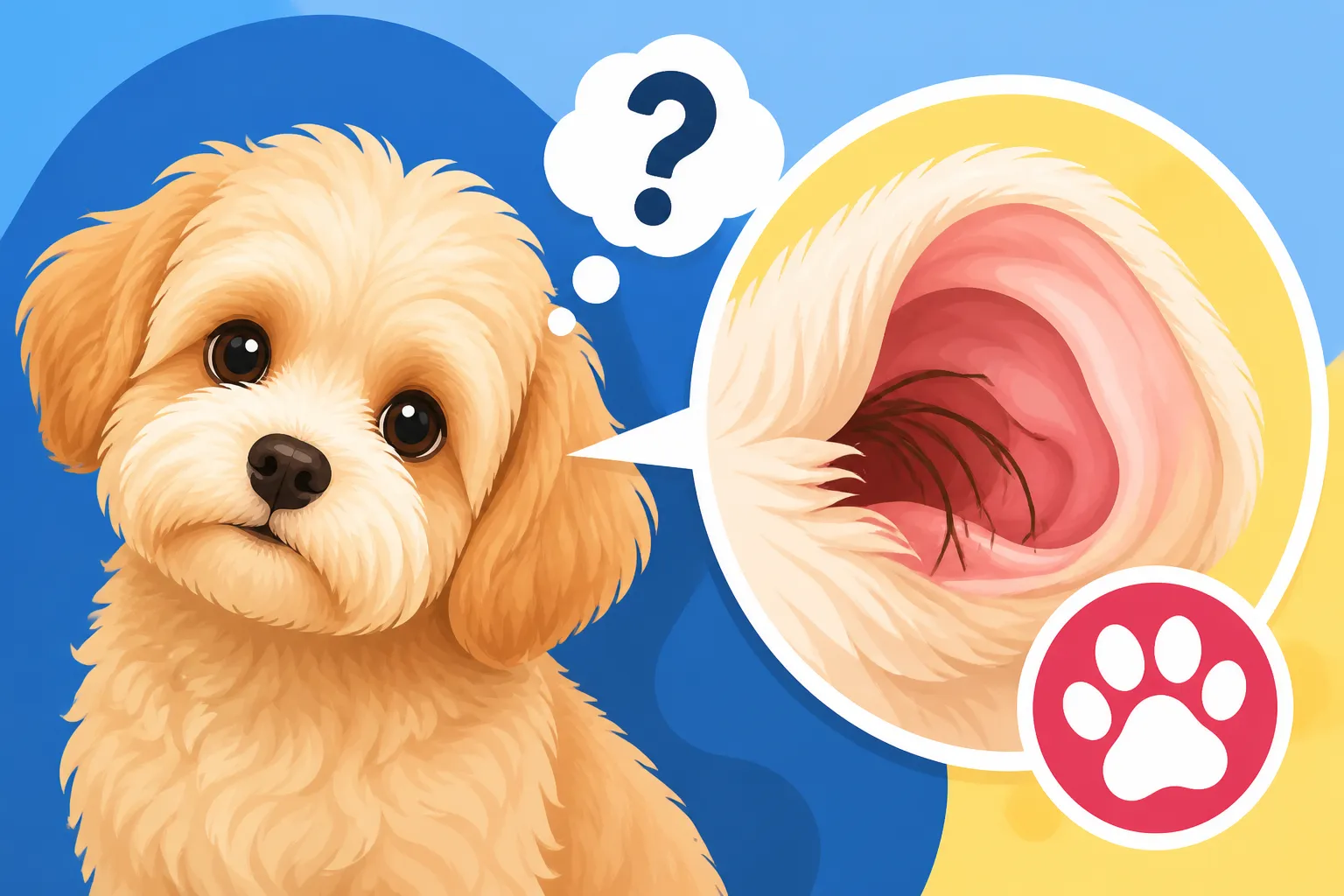
It’s easy to assume all dog ears are created equal, but when you bring a Maltipoo into your home, you quickly learn that their ears have a personality all their own – and a specific set of needs. The truth is, many Maltipoos do indeed have hair growing inside their ear canals, which sounds innocent enough but can be a real game-changer for their ear health. This isn't just a few stray strands; for some, it can be a dense mat of hair that truly impacts the ear's ability to breathe and stay clean.
Understanding the Poodle and Maltese Influence on Ear Hair
To understand why your Maltipoo might have so much hair in their ears, we need to look at their parent breeds. Both the Maltese and the Poodle are renowned for their luxurious, non-shedding coats. While this is wonderful for allergy sufferers and keeps our homes a bit cleaner, it comes with a trade-off, particularly when it comes to ear hygiene. Poodles, in particular, are known for having extensive hair growth not just on their bodies but also deep within their ear canals. This dense hair, coupled with their floppy ears, creates a warm, moist environment that is notoriously prone to problems.
When you mix the Maltese, a breed also celebrated for its long, flowing hair and often possessing plenty of inner ear fuzz, with a Poodle, you get a Maltipoo. This delightful combination often means your Maltipoo inherits this tendency for hair growth inside the ear canal. It's like a double-whammy: you get the best of both worlds in terms of a low-shedding coat, but you also inherit the genetic predisposition for those tricky ear hairs. This isn't a fault; it's just a characteristic of their lineage that requires attentive care.
Why Hair Inside the Ear Canal is a Specific Concern for Maltipoos
Now, why is this inner ear hair such a specific concern for Maltipoos? Think of it like this: your ear canal needs good airflow to stay dry and healthy. When there's a thick tuft of hair growing inside, it acts almost like a stopper. It physically blocks proper air circulation, turning the ear canal into a dark, warm, and humid cavern. For a dog with naturally floppy ears like a Maltipoo, this problem is compounded because the ear flap itself already reduces airflow compared to dogs with erect ears.
This trapped hair can quickly become a magnet for all sorts of undesirable things. Dust, debris, dead skin cells, and especially moisture from baths or damp weather easily get caught in the hair. Instead of these things naturally working their way out or drying, they become lodged, creating a fertile breeding ground for bacteria and yeast. It’s not just a matter of aesthetics; it’s a direct pathway to discomfort, itching, and potentially painful infections. Many owners find themselves asking Whether a Maltipoo Gets Ear Infections far too often, and inner ear hair is a frequent culprit.
The Challenges and Risks of Ear Hair in Maltipoos
Living with a Maltipoo means accepting that their gorgeous, low-shedding coats come with a commitment to diligent grooming, and nowhere is this more critical than their ears. The hair growth inside their ear canals isn't just a minor inconvenience; it poses significant health risks that can lead to chronic discomfort for your beloved companion. Understanding these challenges is the first step in preventative care.
Trapped Moisture and Debris
Imagine wearing earplugs made of soft, absorbent hair all day, every day. That's a bit like what happens inside a Maltipoo's ear. The hair in the canal acts like a sponge, soaking up any moisture it comes into contact with. This could be from a bath, a romp in dewy grass, or even just humidity in the air. Once that moisture is trapped by the hair and the natural flop of their ears, it doesn't evaporate easily. Instead, it sits there, creating a damp, warm environment that is absolutely ideal for the growth of bacteria and yeast.
Beyond moisture, these hairs also become adept at catching and holding onto all sorts of debris. Think about how much lint and dust can accumulate in your own hair; now imagine that happening in a dark, moist, enclosed space. Ear wax, dead skin cells, dirt, and even tiny plant matter can become entangled in the hair, preventing the ear's natural self-cleaning mechanisms from working effectively. This buildup only exacerbates the problem, creating a thick, gunky mess that further reduces airflow and increases the risk of serious issues. This is why learning to regularly perform Clearing Wax From a Maltipoo's Ear is so important.
Increased Risk of Ear Infections
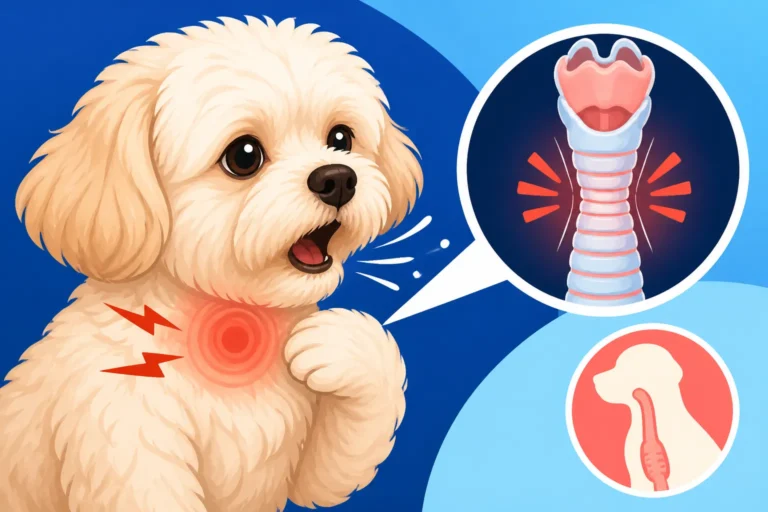
When you combine trapped moisture and accumulating debris with poor air circulation, you have a perfect storm for ear infections. Bacteria and yeast thrive in these conditions, multiplying rapidly and leading to inflammation, itching, and pain. These infections, known as otitis externa, are incredibly common in breeds like Maltipoos. A dog struggling with an ear infection can be truly miserable, constantly scratching at their ears, shaking their head, and often crying out when their ears are touched.
Left untreated, these infections can become chronic, deep-seated, and extremely difficult to resolve. They can lead to more serious conditions, including middle or inner ear infections, which can affect balance and even hearing. The cycle of infection, treatment, temporary relief, and then recurrence is frustrating for both you and your dog. It's also financially draining, with repeated vet visits, medications, and specialized cleanings. Having a robust pet insurance plan like those offered by Healthy Paws can certainly help mitigate the financial stress of dealing with chronic ear issues, allowing you to prioritize your Maltipoo's health without constantly worrying about the bill.
Recognizing the Signs of Ear Trouble
As a loving Maltipoo parent, being observant is key. Your dog can't tell you their ear hurts, so it's up to you to recognize the subtle, and not-so-subtle, signs of ear trouble. Early detection can prevent a minor irritation from escalating into a full-blown, painful infection.
Here's what to look out for:
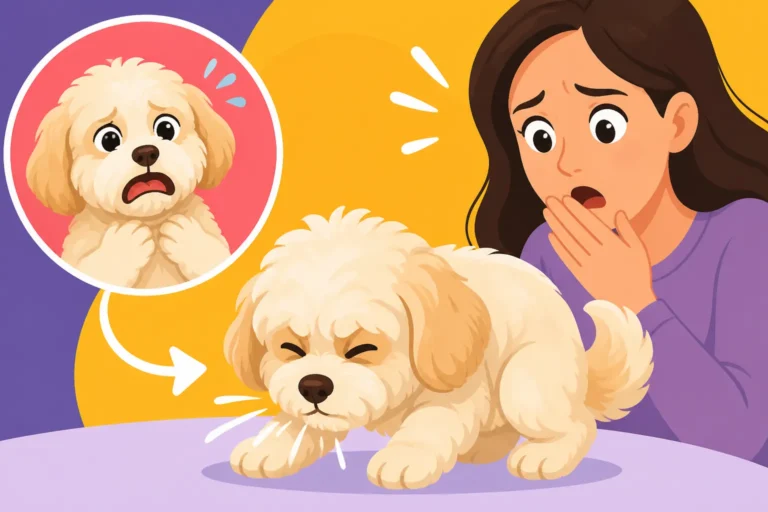
- Head Shaking: This is often one of the first and most obvious signs. If your Maltipoo is frequently shaking their head, especially with force, it's usually an attempt to dislodge something uncomfortable in their ears.
- Persistent Scratching: Watch for your dog pawing at their ears or rubbing them against furniture or the carpet. This intense itching is a clear indicator of irritation. Sometimes, this scratching can also be a sign of Allergies Behind a Maltipoo's Itching, which can manifest as ear problems.
- Odor: A healthy dog's ears should have a very faint, neutral smell, or no smell at all. If you detect a strong, yeasty, or foul odor emanating from your Maltipoo's ears, it's a definite red flag for infection.
- Discharge: Any discharge, whether it's dark brown, yellow, green, or waxy, is abnormal. The color and consistency can sometimes give your vet clues about the type of infection.
- Redness and Swelling: Gently lift your Maltipoo's ear flap and inspect the inner ear. If you notice redness, swelling, or crusting around the ear canal opening, these are signs of inflammation.
- Pain or Sensitivity: If your dog yelps, flinches, or pulls away when you try to touch their ears, they are likely experiencing pain. This is a crucial sign not to ignore.
Here's a quick comparison table to help you identify healthy vs. unhealthy ear signs:
| Feature | Healthy Maltipoo Ear | Unhealthy Maltipoo Ear (Infection/Irritation) |
|---|---|---|
| Appearance | Pale pink, clean, no redness or swelling | Red, swollen, crusty, visible debris |
| Odor | None or very faint, neutral | Strong, foul, yeasty, or sweet odor |
| Discharge | Minimal, light brown wax (normal) | Excessive dark brown, yellow, green, bloody, or waxy |
| Behavior | No head shaking, scratching, or pawing | Frequent head shaking, persistent scratching, rubbing |
| Sensitivity | Tolerates gentle touch and inspection | Yips, flinches, pulls away, shows pain when touched |
| Hair Growth | Some fine hair, good airflow | Matted hair, dense growth, blocking canal opening |
Essential Care and Maintenance for Your Maltipoo's Ears
The good news is that with proactive and consistent care, you can significantly reduce the risk of your Maltipoo developing chronic ear problems. It's all about understanding the unique needs of their ears and establishing a routine that keeps them clean, dry, and healthy. This takes dedication, but the comfort and well-being of your furry family member are absolutely worth it.
Professional Grooming vs. At-Home Care
When it comes to managing that pesky ear hair, you generally have two main approaches: relying on professional groomers or tackling some of the tasks yourself at home. Many professional groomers are highly skilled in plucking or trimming hair from the inner ear canal. They have the right tools, the experience to do it gently, and often a better understanding of how much hair needs to be removed without irritating the delicate skin. This is usually part of The Fifty to Eighty Dollar Maltipoo Groom and is a valuable service. They can assess the density of the hair and recommend whether plucking or simply trimming with small clippers is the best course of action for your particular Maltipoo. Often, owners ask Whether a Maltipoo's Ear Hair Should Be Plucked, and a groomer can advise if it's necessary for your dog.
However, even with regular professional grooming, daily or weekly at-home care is still crucial. You, as the owner, are on the front lines, and your consistent attention can make all the difference. While I don't recommend attempting deep plucking at home without proper training from a vet or groomer (you could cause pain or damage), you can certainly manage the cleanliness of the outer ear and the opening of the canal. This involves wiping away excess wax and debris, and using appropriate ear cleaning solutions. Learning to gently inspect and clean your Maltipoo's ears yourself will build trust and make professional visits less stressful. For more on this, you might find Teaching a Maltipoo to Accept Ear Cleaning helpful.
The Importance of Regular Ear Cleaning
Regular ear cleaning isn't just a suggestion; it's a non-negotiable part of owning a Maltipoo. The frequency will depend on your individual dog's ear hair growth, wax production, and activity level, but generally, checking them weekly and cleaning as needed (often every 1-2 weeks) is a good starting point. You can ask your vet How Often a Maltipoo's Ears Need Doing based on your dog's specific needs.
Here's a simple approach to at-home ear cleaning:
- Gather your supplies: You'll need a veterinarian-approved ear cleaning solution (never use alcohol or hydrogen peroxide!), cotton balls or gauze pads (avoid Q-tips, as they can push debris further into the canal), and plenty of treats for positive reinforcement.
- Choose a calm time: Make sure your Maltipoo is relaxed. A quiet spot after a walk or cuddle time can be ideal.
- Lift the ear flap: Gently hold your Maltipoo's ear flap up to expose the entrance to the ear canal.
- Apply cleaner: Carefully squirt the ear cleaning solution into the ear canal until it's full. Don't be shy; you need enough to loosen debris.
- Massage the base of the ear: Gently massage the base of your Maltipoo's ear for about 20-30 seconds. You should hear a squishing sound as the solution works its magic. This helps break up wax and debris.
- Let them shake it out: Allow your Maltipoo to shake their head. This is a natural way for them to expel the cleaner and loosened debris. Stand back, you might get a little wet!
- Wipe clean: Use a fresh cotton ball or gauze pad to gently wipe away any visible solution, wax, and debris from the outer ear and the folds of the ear flap. Continue wiping until no more dirt appears on the cotton. Never insert anything deep into the ear canal.
- Reward generously: Always finish with praise, pets, and plenty of treats to make it a positive experience.
Consistency is key. Establishing this routine from a young age can make ear cleaning a much less stressful event for both of you. Remember also, after Bathing and Drying a Six Pound Maltipoo, always ensure their ears are thoroughly dried to prevent moisture from getting trapped.
When to Seek Veterinary Advice
While regular home care is fantastic for prevention, there are times when you absolutely need to involve your veterinarian. If you notice any of the concerning signs of ear trouble – persistent head shaking, strong odor, discharge, redness, or pain – it's time to make an appointment. Don't try to self-diagnose or treat a suspected infection with home remedies; you could make the problem worse or mask symptoms that prevent proper diagnosis.
Your vet can accurately diagnose the type of infection (bacterial, yeast, or even mites) by taking a sample and examining it under a microscope. They can then prescribe the correct medication, whether it's topical drops, oral antibiotics, or anti-fungals. They can also check for foreign bodies, polyps, or other underlying issues that might be contributing to the problem. If your Maltipoo has a particularly severe or chronic infection, your vet might recommend a referral to a veterinary dermatologist or an internal medicine specialist for advanced diagnostics and treatment. Investing in good pet insurance, such as a plan from Healthy Paws, can provide significant peace of mind when these unexpected vet visits arise, ensuring you can always provide the best care for your Maltipoo without financial strain.
Even if you're doing everything right at home, some Maltipoos are just more prone to ear issues due to their genetics. A professional ear plucking every few weeks or months by a groomer or vet tech might be necessary to keep the hair growth under control. Always consult with your vet if you're unsure about any aspect of your Maltipoo's ear health or care.
Conclusion
Understanding the unique challenges presented by hair growth inside your Maltipoo's ear canal is fundamental to their overall well-being. While their fluffy, non-shedding coats are a joy, they demand a proactive and consistent approach to ear care. By recognizing the risks of trapped moisture and debris, diligently cleaning their ears, and knowing when to seek professional veterinary help, you can prevent many common and painful ear infections. Your dedication to their ear hygiene will ensure your Maltipoo remains comfortable, happy, and free from the discomfort that ear issues can bring.
Disclaimer
The information provided in this article is for general informational purposes only and is not a substitute for professional veterinary advice. Always consult with a qualified veterinarian for any health concerns or before making any decisions about your pet's medical care.