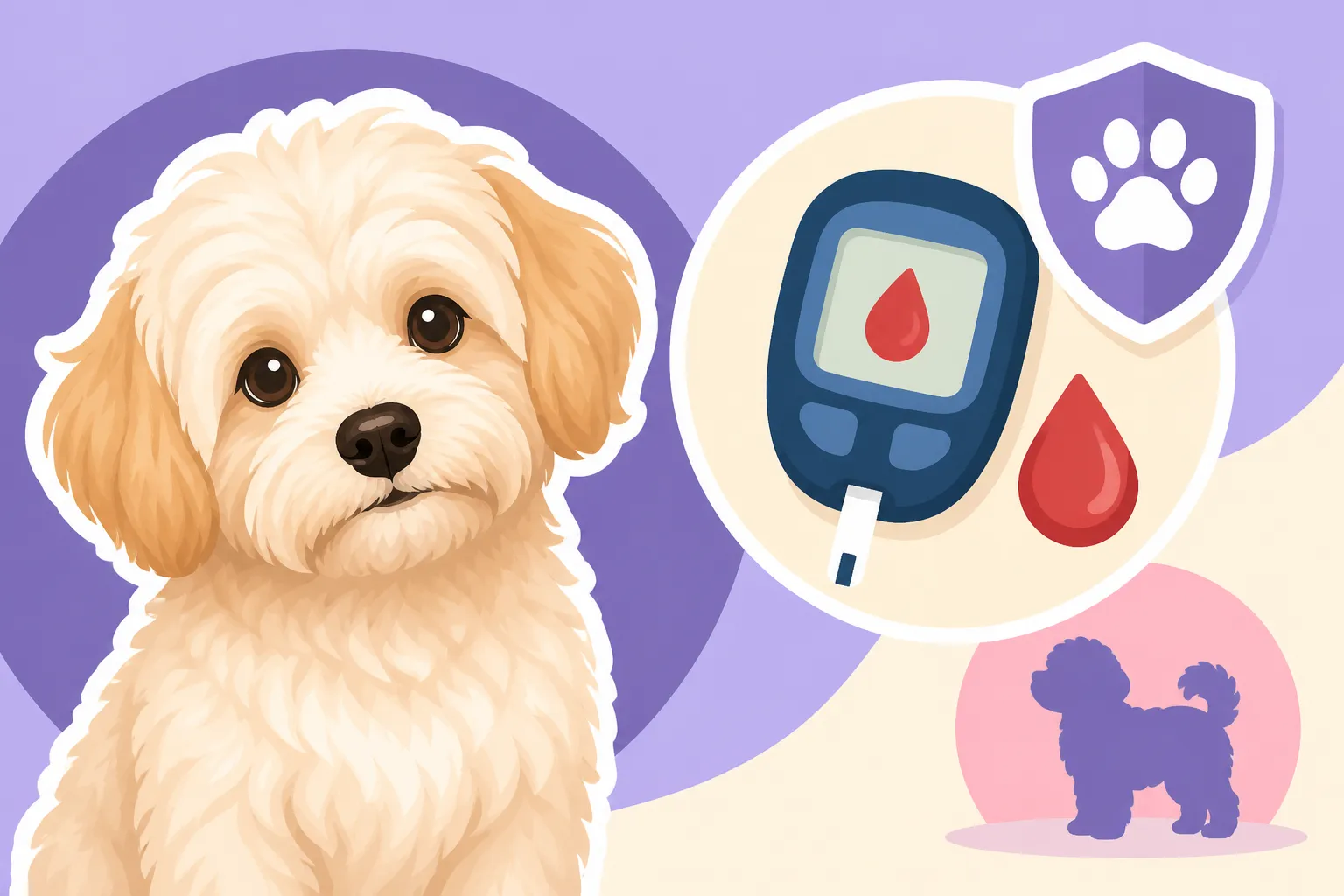
Whether Diabetes Shows Up in Maltipoo Lines
It's incredibly common for Maltipoo owners to become hyper-aware of their furry friend's health, especially when they hear about certain conditions like diabetes that can affect dogs. The worry is real – nobody wants to see their little companion struggle with a chronic illness. This guide aims to clear up concerns about whether diabetes shows up in Maltipoo lines, helping you understand the risks, spot the signs, and know what steps to take to keep your beloved Maltipoo healthy and happy.
Understanding Canine Diabetes Mellitus
Diabetes in dogs, much like in humans, is a condition where the body has trouble regulating its blood sugar (glucose) levels. This isn't just about avoiding sugary treats; it's a fundamental problem with how the body uses energy. Glucose is the primary fuel source for all the body's cells, and insulin, a hormone produced by the pancreas, is the key that unlocks those cells to let glucose in. When this system malfunctions, glucose builds up in the bloodstream, leading to a host of health issues if left unaddressed.
The Two Main Types of Canine Diabetes
While the term "diabetes" is often used broadly, there are distinct types that affect dogs, and understanding the difference is important for both diagnosis and treatment.
-
Insulin-Deficiency Diabetes (Type I): This is by far the most common type of diabetes seen in dogs, making up almost all reported cases. With Type I diabetes, your Maltipoo's pancreas either produces very little or no insulin at all. This often happens because the cells in the pancreas responsible for insulin production have been damaged or destroyed, sometimes due to an autoimmune reaction where the body mistakenly attacks its own healthy tissues. Dogs with Type I diabetes absolutely require daily insulin injections to survive. Their bodies cannot make the insulin they need, so it must be supplied externally, making it a lifelong, non-curable condition that requires consistent management.
-
Insulin-Resistance Diabetes (Type II): This type is quite prevalent in humans but is relatively rare in dogs. In Type II diabetes, the pancreas still produces insulin, but the body's cells don't respond to it effectively. It's like having a key that no longer fits the lock perfectly. This form is often associated with obesity and can sometimes be managed with significant dietary changes, weight loss, and exercise, or occasionally with oral medications. However, if not well-controlled, it can progress to the point where the pancreas becomes exhausted and stops producing insulin altogether, essentially becoming insulin-dependent Type I diabetes. Given that most canine diabetes is Type I, your vet will likely focus on an insulin-centric treatment plan right from the start.
The overarching problem with both types is chronic high blood sugar, which is detrimental to your Maltipoo's health. Over time, elevated glucose levels can wreak havoc on various organs, including the kidneys, eyes, nerves, and heart. This is why a prompt diagnosis and a diligent, consistent management plan are absolutely paramount for ensuring your Maltipoo maintains a good quality of life and lives as long and healthy as possible.
Maltipoos and Their Diabetes Risk Profile
When you own a Maltipoo, you're essentially getting a wonderful blend of two distinct breeds: the Maltese and the Poodle. This means their health profile is a mix of the genetic predispositions of both parents. While diabetes can strike any dog, certain breeds are indeed more prone, and unfortunately, both parent breeds of the Maltipoo carry some genetic baggage that can influence their offspring's risk of developing diabetes.
Genetic Predisposition from Parent Breeds
It's natural to wonder if your Maltipoo's specific lineage puts them at a higher risk. Let's look at what each parent breed brings to the table.
-
Poodle Influence: Poodles, particularly the Miniature and Toy Poodle varieties often used in Maltipoo breeding, are unfortunately among the breeds that show a higher incidence of insulin-deficiency diabetes (Type I). This means that a Maltipoo puppy inheriting more of its genetic blueprint from its Poodle side could have an elevated predisposition to this specific type of diabetes. It’s not a certainty, of course, but it's a known genetic factor. Poodles are also known for a range of other autoimmune conditions, and Type I diabetes is often considered an autoimmune disease, where the body's own immune system attacks the insulin-producing cells in the pancreas. This connection is why regular The Yearly Checks a Maltipoo Should Get are so important; early detection can truly make a difference.
-
Maltese Influence: The Maltese breed isn't typically singled out for a high diabetes risk in the same way Poodles are. However, they are a small breed, and small breeds in general can sometimes be more susceptible to various metabolic and endocrine issues. While not directly linked to diabetes, conditions like The Liver Shunt a Maltipoo Can Inherit From the Maltese highlight that inherited metabolic disorders can be a concern for Maltipoos. Understanding the broader health tendencies of both parent breeds gives you a more complete picture of what to watch out for.
Other Factors Contributing to Diabetes Risk in Maltipoos
Genetics are just one piece of the puzzle. Several other environmental and health factors can increase a Maltipoo's likelihood of developing diabetes.
-
Age and Sex: Canine diabetes is most commonly diagnosed in middle-aged to senior dogs, typically those between 7 and 10 years old. Interestingly, unspayed female dogs have a statistically higher incidence rate compared to males or spayed females. This is thought to be due to hormonal fluctuations, particularly progesterone, which can interfere with insulin's effectiveness. So, if you have an older, unspayed female Maltipoo, her risk profile is slightly elevated.
-
Obesity: This is a huge factor in many chronic diseases, and diabetes is no exception. While Type I diabetes in dogs has a strong genetic component, being overweight or obese can exacerbate insulin resistance and make the condition much harder to manage. Excess fat can even put extra strain on the pancreas over time. For a tiny Maltipoo, even a few extra ounces can push them into an unhealthy weight range, making advice like Feeding a Six Pound Maltipoo by the Ounce, Not the Scoop not just about weight, but about metabolic health. Keeping your Maltipoo at a healthy weight is one of the best preventative measures you can take for their overall health.
-
Pancreatitis: This condition involves inflammation of the pancreas, the organ responsible for producing insulin and digestive enzymes. Severe or recurrent bouts of pancreatitis can cause permanent damage to the insulin-producing cells, leading directly to insulin-deficiency diabetes. Many small dog breeds, including Maltipoos, can be prone to pancreatitis, often triggered by a high-fat meal or certain medications. If your Maltipoo has a history of pancreatitis, their risk for developing diabetes significantly increases.
-
Steroid Medications: Long-term use of certain corticosteroid medications, which are sometimes prescribed for conditions like allergies or inflammatory diseases, can induce insulin resistance. This means the body's cells become less responsive to insulin, leading to elevated blood sugar levels. If your Maltipoo needs to be on steroids for an extended period, your vet will closely monitor their blood glucose.
-
Other Endocrine Disorders: Conditions like Cushing's disease (hyperadrenocorticism), which involves an overproduction of cortisol by the adrenal glands, can also lead to insulin resistance and increase the risk of diabetes. These are complex illnesses, and your veterinarian will conduct thorough diagnostics to pinpoint the exact cause of your Maltipoo's symptoms.
While thinking about these risks can be unsettling, knowledge is truly your best tool. Regular veterinary check-ups allow for early detection of potential issues. If you have concerns about your Maltipoo's specific genetic background or lifestyle factors, have an open conversation with your vet. Many proactive pet owners choose to invest in pet insurance from providers like Healthy Paws. While chronic conditions often have waiting periods or specific exclusions if diagnosed before coverage, having a policy in place before any health issues arise can provide substantial financial relief for managing long-term conditions like diabetes.
Recognizing the Early Signs of Diabetes in Your Maltipoo
As devoted Maltipoo parents, we're often keenly attuned to our dog's subtle cues. This attentiveness is critical when it comes to detecting serious conditions like diabetes. Since our furry companions can't vocalize their discomfort, it's entirely up to us to recognize the changes in their behavior and physical well-being. The earliest signs of diabetes are often referred to as the "four Ps," and they should always prompt an immediate call to your veterinarian.
The Classic "Four P" Symptoms
These symptoms are the hallmark indicators of diabetes and stem from the body's desperate attempts to manage excess glucose and compensate for a lack of cellular energy.
- Polyuria (Increased Urination): You might suddenly notice your perfectly housetrained Maltipoo having "accidents" indoors, or needing to go outside much more frequently than usual. The volume of urine they produce might also seem greater. This happens because the kidneys are working overtime to flush out the excess sugar from the bloodstream, and this process pulls more water out of the body along with it.
- Polydipsia (Increased Thirst): To counteract the significant fluid loss from increased urination, your Maltipoo will become excessively thirsty. You'll likely find yourself refilling their water bowl multiple times a day, or you might even catch them drinking from unusual places, like puddles or the toilet.
- Polyphagia (Increased Appetite): This symptom can be confusing. Despite eating more, sometimes voraciously, your Maltipoo might still act constantly hungry. This is because their cells aren't effectively receiving glucose for energy, essentially tricking the body into a state of "starvation." You might notice them begging more persistently or showing unusual interest in food.
- Weight Loss (Despite Increased Appetite): This is often the most perplexing sign for owners. How can a dog eat more and still lose weight? Without insulin to transport glucose into their cells, the body resorts to breaking down its own fat and muscle stores for energy. This catabolic state leads to noticeable, often rapid, weight loss even though your Maltipoo is consuming more food. For a small breed like a Maltipoo, even a one or two-pound loss can be a significant indicator.
Other Important Indicators to Watch For
Beyond the classic four Ps, other symptoms can emerge, especially as diabetes progresses or affects other organ systems.
- Lethargy and Weakness: A lack of available cellular energy will naturally make your Maltipoo feel tired and weak. Your normally sprightly companion might become noticeably less active, preferring to rest rather than play or go for walks. While some lethargy can be attributed to aging, don't dismiss it, especially if other diabetic signs are present.
- Changes in Coat Condition: You might observe a dull, dry, or thinning coat, or perhaps flaky skin. Poor nutrient absorption and the overall metabolic stress of diabetes can negatively impact skin and coat health.
- Cloudy Eyes (Cataracts): Diabetes is a very common cause of cataracts in dogs, which can develop surprisingly quickly. You might notice a cloudy, bluish-white opacity forming in one or both of your Maltipoo's eyes. This occurs because high glucose levels damage the lens of the eye. If left untreated, cataracts can lead to blindness. Given that Poodles, one of the Maltipoo's parent breeds, are prone to certain eye issues, it's especially important to be vigilant about changes in your Maltipoo's vision or eye appearance. Early detection can help manage conditions like The Retinal Disease a Maltipoo Gets From the Poodle.
- Urinary Tract Infections (UTIs): The high sugar content in the urine of a diabetic dog creates a perfect breeding ground for bacteria. This makes diabetic dogs highly susceptible to recurrent urinary tract infections. Watch for signs like straining to urinate, frequent licking of the genital area, strong-smelling urine, or even blood in the urine.
- Sweet-Smelling Breath: In severe, uncontrolled diabetes, particularly in a life-threatening complication called diabetic ketoacidosis (DKA), the body produces ketones as it burns fat for energy. These ketones can give your Maltipoo's breath a distinctive sweet, fruity, or even chemical smell, sometimes described as similar to nail polish remover. This is a veterinary emergency.
If you observe any of these symptoms in your Maltipoo, especially a combination of them, it's crucial not to wait. Contact your veterinarian immediately. Early diagnosis and intervention are absolutely critical for a better prognosis and can significantly improve your Maltipoo's long-term health and prevent more serious, life-threatening complications.
Diagnosing and Managing Diabetes in Your Maltipoo
Receiving a diabetes diagnosis for your precious Maltipoo can feel like a punch to the gut. It's perfectly normal to feel overwhelmed, scared, or even guilty. But here's the good news: canine diabetes is a manageable condition, and with consistent care and dedication, your Maltipoo can still live a wonderful, full life. Your veterinarian will be your most important partner, guiding you through the diagnostic process, initial stabilization, and the long-term management plan.
The Diagnostic Process
When you bring your Maltipoo to the vet with suspected diabetes symptoms, the diagnostic process is usually quite straightforward, often involving a combination of tests.
- Physical Examination and History: The vet will start with a thorough physical exam, feeling for any abnormalities, checking their weight, and listening to their heart and lungs. They'll also ask you detailed questions about the symptoms you've observed, how long they've been occurring, and any changes in your Maltipoo's appetite, thirst, and urination habits.
- Blood Glucose Test: This is the primary diagnostic tool. A simple blood sample will be taken to measure the glucose level in your Maltipoo's blood. Persistently high blood glucose levels are a strong indicator of diabetes. However, stress can sometimes temporarily elevate blood sugar, so your vet might also run a fructosamine test. This test provides an average blood glucose level over the past one to two weeks, which helps confirm a chronic elevation rather than just a fleeting stress response.
- Urine Tests (Urinalysis): A urine sample will be collected and tested for the presence of glucose and ketones. Glucose in the urine is another clear sign of diabetes, as healthy kidneys typically don't allow sugar to pass into the urine. The presence of ketones indicates that the body is breaking down fat for energy, which is a red flag for more severe, uncontrolled diabetes. Your vet might also check for a urinary tract infection, as diabetic dogs are more prone to them.
- Additional Bloodwork: Depending on the initial findings, your vet might recommend a complete blood count (CBC) and a biochemical profile to assess overall organ function, including the kidneys and liver. This helps to rule out other underlying conditions or to identify any complications arising from diabetes, such as Whether a Maltipoo's Kidneys Fail With Age.
Long-Term Management Strategies
Once a diabetes diagnosis is confirmed, the focus shifts to careful, consistent management. The primary goal is to keep your Maltipoo's blood glucose levels as stable as possible, avoiding dangerous spikes (hyperglycemia) and drops (hypoglycemia), and to prevent or minimize long-term complications.
- Insulin Therapy: For the vast majority of diabetic Maltipoos (those with Type I diabetes), daily insulin injections are absolutely indispensable. Your veterinarian will determine the specific type and dosage of insulin your Maltipoo needs and will meticulously teach you how to administer the injections. It sounds daunting at first – sticking a needle into your little friend – but most owners become incredibly proficient very quickly. Consistency is paramount: insulin must be given at the same time each day, usually alongside meals, to effectively regulate blood sugar. Missing doses or administering at inconsistent times can lead to unstable glucose levels.
- Dietary Management: A well-structured diet is just as critical as insulin. Your vet will likely prescribe a specific therapeutic diet that is typically high in fiber and complex carbohydrates. This type of diet helps to slow down glucose absorption, leading to more stable blood sugar levels. It's crucial to feed your Maltipoo the same amount of food at the same time each day, usually twice daily in conjunction with their insulin injections. Resist the urge to give table scraps or make sudden changes to their food, as this can dramatically impact their blood sugar. Because Maltipoos are small, precise portion control is vital, and How Many Ounces a Four Pound Maltipoo Eats is important information to always have on hand.
- Exercise Routine: Regular, moderate exercise is highly beneficial for diabetic dogs. It helps their cells use glucose more efficiently and contributes to overall well-being. However, strenuous or unpredictable exercise can cause blood sugar levels to drop too low, which can be dangerous. A consistent routine of short, daily walks is generally ideal for a Maltipoo. Always monitor them closely during and after activity for any signs of weakness or disorientation, which could indicate Hypoglycemia and the Teacup Maltipoo Puppy (even in adult dogs on insulin).
- Blood Glucose Monitoring: This is an ongoing and essential part of managing diabetes. Your vet might train you to perform regular blood glucose curves at home using a pet-specific glucometer, or they may recommend periodic visits for in-clinic monitoring. This data is invaluable for helping your vet fine-tune insulin dosages and ensure the treatment plan is working effectively. While home monitoring can seem intimidating, it empowers you with vital information to ensure your Maltipoo's well-being.
- Regular Veterinary Check-ups: Consistent follow-up appointments with your veterinarian are non-negotiable. These visits allow your vet to monitor your Maltipoo's overall health, check for potential complications such as diabetic cataracts, urinary tract infections, or Whether a Maltipoo Gets Heart Disease, and adjust their insulin and diet as needed. These check-ups also provide you with an opportunity to discuss any concerns or challenges you might be experiencing.
Table: Key Components of Diabetes Management for Your Maltipoo
| Management Aspect | Description | Importance for Maltipoos |
|---|---|---|
| Insulin Injections | Administered daily, usually twice a day with meals. | Non-negotiable for Type I (most common); precise, consistent dosing is critical for small breeds to prevent dangerous highs and lows. |
| Consistent Diet | High-fiber, complex carbohydrate food, fed on a strict schedule. | Stabilizes blood sugar by slowing glucose absorption; accurate portion control is vital given their small metabolic needs. |
| Regular Exercise | Moderate, consistent daily physical activity. | Helps cells utilize glucose more efficiently; avoids sudden drops in blood sugar that can occur with erratic, intense exercise. |
| Blood Glucose Monitoring | Routine home testing with a glucometer or periodic vet-performed curves. | Essential for dosage adjustments, ensuring treatment efficacy, and preventing life-threatening complications like hypoglycemia. |
| Routine Vet Visits | Regular follow-up appointments for health assessments and treatment adjustments. | Facilitates early detection of complications (e.g., cataracts, UTIs) and ensures proper long-term care tailored to your Maltipoo. |
| Weight Management | Maintaining an ideal, healthy body weight. | Reduces insulin resistance, eases strain on the body, and improves overall health, critical for preventing or managing other health issues. |
Living with a diabetic Maltipoo does indeed mean a significant commitment of time and effort, but with proper care and a good partnership with your veterinary team, these wonderful dogs can absolutely continue to live happy, active, and fulfilling lives, potentially reaching The Twelve to Fifteen Years a Maltipoo Lives that is typical for the breed. Having a comprehensive pet insurance plan, such as one from Healthy Paws, can offer immense peace of mind. While most pet insurance policies have waiting periods and pre-existing condition clauses, having coverage in place before a diagnosis occurs can substantially help with the ongoing costs of insulin, specialized diets, veterinary visits, and any unforeseen complications. It's a journey, but you'll be well-equipped to navigate it with your beloved companion.
Disclaimer
The information provided in this article is for general informational purposes only and is not intended as a substitute for professional veterinary advice, diagnosis, or treatment. Always seek the advice of your veterinarian or other qualified health provider with any questions you may have regarding a medical condition for your Maltipoo. Never disregard professional veterinary advice or delay in seeking it because of something you have read here.