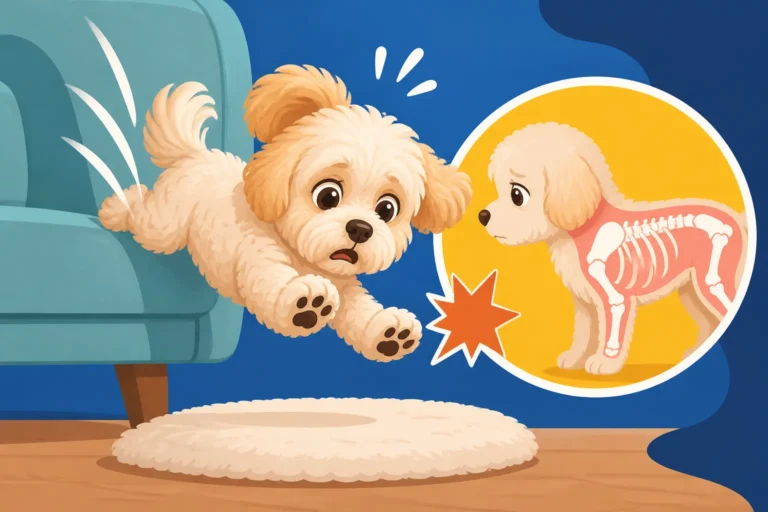
Whether a Maltipoo Ages Faster Than a Bigger Dog
It’s a common worry among many Maltipoo parents, isn't it? We look at our tiny, adorable companions and wonder if their small stature means they're on a fast track through life, aging at an alarming rate compared to their larger canine cousins. This concern often stems from a misunderstanding of how dog years really work, creating unnecessary anxiety about our furry friends' precious time with us. This guide will delve into the fascinating science behind canine aging, revealing the truth about Maltipoo lifespans and how their size actually plays a beneficial role in their journey through life.
Dispelling the Myth of Accelerated Aging in Small Dogs
The idea that small dogs like Maltipoos age at a dramatically faster rate than larger breeds is a pervasive misconception. It's not uncommon to hear people say, "Oh, they live so fast!" or assume that their small size means they zip through their developmental stages and into old age far sooner. While it's true that puppies mature quickly, the general rule of thumb for lifespan in dogs actually goes against this popular belief.
Understanding the "Dog Years" Fallacy
For generations, we've been told the simple equation: one human year equals seven dog years. It’s a catchy phrase, easy to remember, and has permeated our understanding of canine lifespans. However, this is a gross oversimplification and frankly, it's just not accurate. The actual rate at which a dog ages is far more complex and is heavily influenced by their breed size. For instance, a one-year-old Great Dane is a far more mature animal than a one-year-old Maltipoo, despite both being technically "one year old." The "seven-year" rule doesn't account for the vast differences in developmental timelines and physiological processes across the canine kingdom.
In reality, smaller breeds tend to live longer overall. The early years of a small dog's life, from puppyhood to young adulthood, do happen at a quicker pace compared to a human. They reach sexual maturity and their adult weight much faster. But once they hit that adult stage, their aging process actually slows down relative to giant breeds. This is why you often see small dogs living well into their teens, while many large breeds are considered seniors by age six or seven.
Why Small Dogs Typically Live Longer
It might seem counterintuitive at first glance. You'd think a bigger, more robust dog would have a stronger constitution and therefore a longer life. Yet, across the board, scientific studies and veterinary observations consistently show that smaller dogs generally enjoy a longer lifespan than their larger counterparts. For a Maltipoo, this means you can often expect them to be with you for The Twelve to Fifteen Years a Maltipoo Lives, sometimes even longer, which is a wonderful prospect.
The reasons behind this phenomenon are complex and not entirely understood, but several theories are widely accepted. One leading hypothesis points to the accelerated growth rate of large and giant breeds. These dogs grow at an astonishing speed, often reaching their adult size within 12-18 months. This rapid cell division and growth spurt may put a significant strain on their bodies, leading to a higher incidence of age-related diseases like cancer and orthopedic issues earlier in life. Think about it: a Newfoundland puppy grows from a tiny fluff ball to over 100 pounds in less than a year. That's an incredible amount of biological work. Small dogs, while they also mature quickly, don't undergo such extreme growth, which might lessen the cellular stress on their systems.
The Biological Realities of Canine Lifespan by Size
When we talk about how long a dog lives, it's never a simple, one-size-fits-all answer. The breed, genetics, diet, and overall care all play a huge role. But undeniably, size is one of the most significant predictors of a dog's general longevity. Understanding this can help Maltipoo owners appreciate the inherent advantages their petite pups often possess.
The Trade-Offs of Rapid Growth in Larger Breeds
The impressive size and strength of larger dog breeds come with a biological cost. Their rapid growth phases are metabolically demanding, requiring immense energy and rapid tissue development. This can predispose them to certain health conditions that are less common or appear later in smaller breeds. For example, large breed dogs are statistically more prone to certain types of cancer, like osteosarcoma (bone cancer), and severe orthopedic conditions such as hip and elbow dysplasia. These conditions, when they occur early in life, significantly impact their quality of life and overall lifespan.
Furthermore, the sheer size of a large dog means their organs work harder and under more stress over time. Their cardiovascular systems have a greater mass to support, and their joints bear more weight, leading to earlier onset of arthritis and other degenerative joint diseases. This isn't to say that larger dogs are inherently "unhealthy," but rather that their unique physiology often leads to a different aging trajectory compared to smaller breeds like the Maltipoo.
Maltipoos and Their Lifespan Advantage
Given their small size, Maltipoos generally fall into the category of dogs with longer average lifespans. While some individual Maltipoos may experience specific health challenges like The Liver Shunt a Maltipoo Can Inherit From the Maltese or Slipping Kneecaps in a Maltipoo, these are often manageable with early diagnosis and proper veterinary care. The average Maltipoo enjoys a good 12 to 15 years, and it's not unusual to hear of them living even longer, sometimes approaching 18 years or more with excellent care.
This extended lifespan is a huge benefit for owners who cherish every moment with their pets. It means more years of snuggles, playful antics, and unwavering companionship. Knowing this can help you focus on preventative care and enjoy the journey with your Maltipoo, rather than constantly worrying about them aging too quickly. Your small friend has a good chance of being with you for a significant chunk of your life, bringing joy every step of the way.
Here's a general overview of average lifespans based on dog size:
| Dog Size Category | Average Weight Range | Average Lifespan (Years) | Common Health Considerations |
|---|---|---|---|
| Toy/Small | Under 20 lbs | 12-18 | Dental disease, patellar luxation, hypoglycemia (puppies) |
| Medium | 20-50 lbs | 10-14 | Hip/elbow dysplasia, certain cancers |
| Large | 50-90 lbs | 8-12 | Bloat, arthritis, heart disease |
| Giant | 90+ lbs | 6-10 | Osteosarcoma, dilated cardiomyopathy, bloat |
As you can see, your Maltipoo, comfortably in the Toy/Small category, is set up for a wonderfully long life compared to their bigger cousins.
Key Health Considerations for Your Aging Maltipoo
While Maltipoos generally have a longer lifespan, they are not immune to the effects of aging or specific health challenges common to small breeds. Being proactive and understanding these can help ensure those extra years are filled with comfort and vitality. Recognizing signs of aging and addressing them promptly is key to their continued well-being.
Common Ailments in Senior Maltipoos
Just like humans, dogs experience changes as they get older. For Maltipoos, some common age-related issues include dental disease, which can become severe if not managed throughout their life. Their small mouths are prone to overcrowding, making them especially susceptible to plaque and tartar buildup. This is why Brushing a Maltipoo's Teeth Every Single Day is so crucial from an early age. Without diligent care, dental problems can lead to pain, infections, and even systemic health issues affecting the heart and kidneys.
Other concerns can include arthritis, although often less severe than in larger dogs due to less strain on joints. However, conditions like patellar luxation, which some Maltipoos inherit, can worsen with age. Vision and hearing loss are also common, making their world a little harder to navigate. You might notice your old Maltipoo slowing down, being less enthusiastic about walks, or even having trouble settling at night, which might indicate discomfort or cognitive decline. Understanding these possibilities allows you to adapt their environment and routines to keep them comfortable.
Early Detection and Preventative Care
The best defense against age-related health issues is early detection and consistent preventative care. Regular veterinary check-ups, ideally The Yearly Checks a Maltipoo Should Get, become even more critical as your Maltipoo matures. Your vet can perform comprehensive exams, including blood work and urinalysis, to catch underlying conditions before they become advanced. These checks might reveal early signs of kidney or liver issues, diabetes, or thyroid problems, which are all more common in older dogs.
Discussing your Maltipoo's diet and exercise with your vet is also important. As they age, their nutritional needs might change, and they might require joint supplements or a lower-calorie diet to maintain a healthy weight. Regular dental cleanings under anesthesia, as recommended by your vet, are also vital to combat dental disease. Having a good pet insurance plan like Healthy Paws throughout their life can also provide peace of mind, covering unexpected treatments or long-term care needs as they age.
Maximizing Your Maltipoo's Health and Longevity
Extending your Maltipoo's happy, healthy years isn't just about avoiding illness; it's about providing a holistic environment that supports their physical and mental well-being every single day. From the food they eat to the way they interact with their world, every aspect of their care contributes to their overall longevity.
Nutrition and Exercise for a Long Life
Proper nutrition is the cornerstone of good health at any age, but it becomes especially important as your Maltipoo gets older. Feeding a high-quality, balanced diet appropriate for their life stage and size is crucial. Avoid overfeeding, as obesity can exacerbate many health problems, including arthritis and heart disease, effectively shortening their lifespan. For many small dogs, their caloric needs are quite specific, and it's important to understand How Many Calories a Six Pound Maltipoo Needs. Using a kitchen scale to measure their food by weight rather than relying on scoops ensures accuracy.
Consistent, gentle exercise is also vital. While an old Maltipoo might not be up for long hikes, daily walks tailored to their ability, along with opportunities for safe indoor play, keep their muscles strong, their joints flexible, and their minds engaged. Activities like short sniffing walks or puzzle toys can provide mental stimulation, which is just as important as physical activity for Caring for a Maltipoo Past Ten.
Mental Enrichment and Emotional Well-being
A long life isn't just about physical health; it's about quality of life. Keeping your Maltipoo mentally stimulated and emotionally content is paramount. Dogs, especially intelligent breeds like the Poodle side of a Maltipoo, need to use their brains. Incorporate puzzle toys, short training sessions to learn new tricks or reinforce old ones, and plenty of social interaction. This can prevent cognitive decline and keep them engaged with their environment.
Emotional well-being is also critical. Maltipoos thrive on companionship and can be prone to separation anxiety if left alone for extended periods. Providing a consistent routine, a comfortable and safe home environment, and plenty of affection contributes significantly to their overall happiness and reduces stress, which can positively impact their health. Think about how much a stable, loving home can influence The Maltipoo That Was Never Taught to Be a Dog and turn them into a confident, happy companion. Regular playtime, cuddles, and even just quiet time together on the sofa all play a part in their emotional health. If you ever face unexpected vet bills or treatments for your beloved Maltipoo, having a reliable pet insurance provider like Healthy Paws can truly alleviate financial stress, allowing you to focus on their care.
Disclaimer
Please remember that the information provided in this article is for general educational purposes only and should not be considered a substitute for professional veterinary advice. Every Maltipoo is an individual, and health needs can vary. Always consult with a qualified veterinarian for any health concerns or before making any decisions about your pet's care.