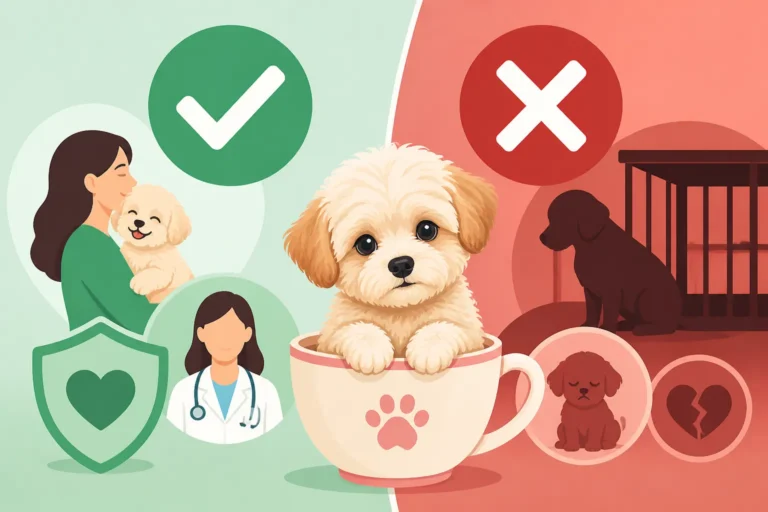
The Point a Maltipoo’s Owner Has to Decide
There comes a point in every Maltipoo owner's journey where the pure joy of companionship meets the undeniable reality of life's fragility. Whether it's a sudden, devastating diagnosis or the slow, heartbreaking decline that naturally comes with age, facing serious health decisions for your beloved furry family member is one of the hardest experiences imaginable. This guide is here to walk you through that incredibly difficult period, offering practical advice and much-needed emotional support as you navigate the choices ahead for your Maltipoo.
Recognizing the Signs That Something is Wrong
It can be incredibly tough to discern if your Maltipoo is just having an off day or if something more serious is at play. Our little ones, especially Maltipoos, are masters at hiding pain or discomfort, often because of their innate desire to please us or their inherent resilience. Learning to read their subtle cues is paramount, and it often requires an attentive eye and a deep understanding of your dog's normal behavior.
Subtle Behavioral Shifts to Watch For
A Maltipoo's behavior is usually quite consistent. They thrive on routine, and any significant deviation can be a red flag. Perhaps your usually enthusiastic greeter now barely lifts their head when you come home, or their once playful zoomies are replaced by quiet naps in a secluded corner. Changes in interaction are key indicators. Are they less interested in their favorite toys? Do they flinch when you try to pick them up, even if they used to love being held? A sudden aversion to being touched, especially around certain areas, might indicate pain that they're trying to conceal.
Consider their daily habits, too. Is their appetite dwindling, or are they suddenly turning their nose up at treats they once adored? Even a slight decrease in water intake could signal issues, particularly since a healthy Maltipoo needs to stay well-hydrated. Observe their sleeping patterns; if your Maltipoo is suddenly restless at night, pacing or struggling to find a comfortable position, it could be a sign of discomfort or even an underlying cognitive decline, similar to "An Old Maltipoo That Will Not Settle at Night." Conversely, an increase in lethargy or excessive sleeping beyond what's normal for their age could also be concerning. Don't dismiss these minor changes as just "getting old"; they often tell a bigger story.
Physical Symptoms That Demand Attention
While behavioral changes are often the first sign, physical symptoms are more concrete and typically warrant immediate veterinary attention. Keep a close watch on their mobility. Are they struggling to get up from a lying position, or do you notice a slight limp or a hesitant gait? Conditions like Slipping Kneecaps in a Maltipoo are common in smaller breeds, and early detection can make a significant difference in management and comfort. Pay attention to how they manage stairs or jump on and off furniture – behaviors they might suddenly avoid if they're in pain.
Digestive issues, such as chronic vomiting or diarrhea, are never normal for an extended period. Unexplained weight loss, even if their appetite seems normal, can point to serious metabolic problems. On the other hand, sudden weight gain might indicate fluid retention or other systemic issues. Take note of their breathing: labored breathing, a persistent cough that sounds like "The Honking Cough of a Maltipoo With a Bad Trachea", or any wheezing could suggest respiratory or cardiac problems. Their eyes and nose should be clear and free of excessive discharge. Any yellowing of the eyes or gums could be a sign of liver issues, which might prompt you to consider a test like The Liver Shunt Test a Maltipoo Puppy Should Have, even in an older dog if symptoms arise. Don't forget the importance of observing their waste; changes in urine color, frequency, or consistency of stools can provide crucial clues to their internal health.
Understanding Chronic Conditions and Their Progression
Many Maltipoos, like any small breed, are prone to certain chronic conditions that progress over time. Understanding the typical trajectory of these illnesses can help you anticipate challenges and make informed decisions. For instance, dental disease is incredibly prevalent in Maltipoos due to The Forty Two Teeth Crowding a Maltipoo's Jaw. Without consistent daily brushing, tartar buildup can lead to pain, infection, and even impact systemic health, potentially shortening their lifespan. Regular dental cleanings are often necessary, and as they age, the cumulative effect can become a significant concern.
Other common issues include heart conditions, like mitral valve disease, which may present as a cough or reduced exercise tolerance. Kidney disease is another silent assailant, often only showing noticeable symptoms when it's quite advanced. Observing "Whether a Maltipoo's Kidneys Fail With Age" is a crucial part of senior care. Joint problems, such as luxating patellas, can lead to arthritis and chronic pain. The progression of these conditions can be slow, with good days and bad days, making it particularly difficult to pinpoint "The Point a Maltipoo's Owner Has to Decide". Keeping a detailed log of symptoms, medication effectiveness, and general demeanor can be incredibly helpful for you and your vet in tracking the overall trend of their health.
Navigating Medical Options and Quality of Life
Once you've noticed the signs, the next step is often a whirlwind of vet visits, tests, and difficult conversations. This phase is less about if you should seek help and more about what kind of help is truly beneficial for your Maltipoo's long-term comfort and happiness. It’s a tightrope walk between fighting for every moment and ensuring their remaining time is filled with peace, not pain.
Consulting with Your Veterinarian
Your veterinarian is your most important partner during this time. Schedule a comprehensive exam, bringing all your observations and notes. Be prepared to discuss your Maltipoo's history, any current medications, and specific concerns. Don't hesitate to ask for clarity on diagnoses, prognosis, and treatment options. If your Maltipoo is suffering from a complex issue, a specialist consultation might be recommended. For example, if heart disease is suspected, a veterinary cardiologist can provide a more in-depth diagnosis and management plan.
It's vital to have an open and honest conversation about what to expect, both in terms of your Maltipoo's health trajectory and the financial implications. Treatments can range from palliative care to complex surgeries like those for Collapsing Trachea in a Maltipoo's Neck or patella repair, which can be significant expenses. This is where having pet insurance like Healthy Paws can truly alleviate some of the stress, allowing you to focus on your pet's care rather than worrying solely about the bill. Understanding the potential for side effects from medications or procedures is also crucial; sometimes, the cure can be almost as hard on them as the disease.
Evaluating Treatment Versus Comfort
This is often the hardest part: deciding when to pursue aggressive treatment and when to shift focus entirely to comfort and pain management. It's a deeply personal decision, and there's no single right answer. When faced with a serious diagnosis, the instinct is often to do everything possible. However, sometimes "everything possible" might involve invasive procedures, long hospital stays, or medications with debilitating side effects that ultimately diminish their quality of life, rather than enhance it.
Think about your Maltipoo's personality. Is your little companion naturally resilient and adaptable, or do they become incredibly stressed by vet visits and changes to their routine? A highly anxious Maltipoo might suffer immensely through extended treatments, even if the prognosis is good. On the other hand, a dog that handles stress well might bounce back quickly. The goal should always be to extend quality life, not just life at any cost. This means weighing the potential benefits of a treatment against the discomfort, pain, and stress it might cause. For example, knowing "Whether a Maltipoo Recovers Fully From Knee Surgery" can help inform the decision for or against an operation for luxating patella.
The Importance of a Quality of Life Scale
To help owners navigate this emotionally charged decision, veterinarians often recommend using a "Quality of Life Scale." This tool helps you objectively assess various aspects of your Maltipoo's daily life, providing a more holistic picture of their well-being. It typically involves rating different categories on a scale, often from 1 to 10 (1 being very poor, 10 being excellent).
Here’s a general example of categories you might consider:
| Category | Description | Score (1-10) |
|---|---|---|
| Hurt (Pain) | Is your Maltipoo experiencing chronic pain that isn't adequately managed by medication? Do they cry out, limp, or avoid movement? | |
| Hunger | Is your Maltipoo eating enough on their own? Do they need coaxing or hand-feeding? Are they losing weight despite efforts? | |
| Hydration | Is your Maltipoo drinking sufficient water? Are they dehydrated? Do they require subcutaneous fluids? | |
| Hygiene | Can your Maltipoo keep themselves clean? Are they having frequent accidents or sitting in their own waste? Are you able to keep them clean without causing stress? | |
| Happiness | Does your Maltipoo still show enjoyment? Do they wag their tail, respond to you, or have moments of joy? Are they depressed, withdrawn, or anxious? | |
| Mobility | Can your Maltipoo get up, move around, and navigate their environment with minimal pain or assistance? Do they struggle significantly? | |
| More Good Days Than Bad | Overall, are the good days outweighing the bad? Is there a noticeable trend towards more difficult days? | |
| Total Score | A lower score across categories often indicates a declining quality of life. Discuss this with your vet to interpret the results. |
Using this scale, perhaps every few days or weekly, can highlight trends you might miss in the daily grind. It creates a record that you can share with your vet, providing a clearer, more objective basis for discussing quality of life. This can be particularly helpful when dealing with progressive conditions like heart disease or advanced joint pain, where the decline can be so gradual it's hard to see day-to-day.
The Emotional Toll and Seeking Support
The decision-making process for a seriously ill or aging Maltipoo is not just medical; it's an intense emotional journey. The bond you share with your Maltipoo is profound, and contemplating their suffering or loss can feel overwhelming and isolating. It’s crucial to acknowledge these feelings and seek appropriate support.
Grief Before Goodbye: Anticipatory Grief
Many owners experience what's known as anticipatory grief – grieving the loss of your pet even before they are gone. This complex emotion often combines sadness, anxiety about the future, guilt over potential decisions, and even anger. It’s a very normal response to watching your beloved Maltipoo decline, especially when you know that "The Twelve to Fifteen Years a Maltipoo Lives" is a beautiful but finite gift. You might feel a profound sadness when they can no longer do things they once loved, or a pang of sorrow seeing them struggle with simple tasks.
This period can be exhausting. You might find yourself constantly monitoring their breathing, appetite, or comfort level. It’s a heavy weight to carry, and it's okay to feel overwhelmed. Give yourself permission to feel all these emotions without judgment. Recognize that anticipatory grief is a valid and necessary part of processing what's happening. Sharing these feelings with a trusted friend, family member, or even your vet can help lighten the load.
Talking to Loved Ones and Sharing the Burden
You don't have to go through this alone. Lean on your support network – family, friends, or other pet owners who understand the depth of the human-animal bond. Discussing your concerns, fears, and options with those close to you can provide different perspectives and emotional comfort. Sometimes, simply voicing your worries out loud can make them feel less burdensome.
However, be prepared that not everyone will understand the intensity of your grief, especially if they haven't experienced a deep connection with an animal. Try to seek out those who are empathetic and validating. If you have children, this can be an especially difficult conversation. It’s important to talk to them openly and honestly, in an age-appropriate way, about what's happening with their Maltipoo. Involving them in the comfort care, if appropriate, can help them process their own feelings and say goodbye.
Finding Professional Help and Pet Loss Support
If the emotional burden feels too heavy, or if you find yourself struggling with persistent guilt, anxiety, or depression, professional support can be incredibly beneficial. Many communities offer pet loss support groups, either in-person or online, where you can connect with others who are going through similar experiences. These groups provide a safe space to share your feelings, grieve, and realize you are not alone.
Some mental health professionals specialize in pet loss and can offer individual counseling. They can help you navigate the complex emotions, decision fatigue, and grief associated with your Maltipoo's illness and eventual passing. Websites like the Association for Pet Loss and Bereavement (APLB) offer resources and directories for support groups and counselors. Remember, seeking help is a sign of strength, not weakness, especially when facing one of the most heartbreaking decisions a pet owner can make.
Making the Final, Loving Decision
This is the hardest section to write, and undoubtedly, the hardest for any Maltipoo owner to face. The point where a Maltipoo's owner has to decide about euthanasia is the ultimate act of love and selflessness. It means prioritizing your pet's freedom from suffering above your own desire to keep them by your side.
Considering Euthanasia: A Peaceful Farewell
Euthanasia, meaning "good death," is a profound act of compassion. It's a decision made when all other avenues for improving your Maltipoo's quality of life have been exhausted, and their suffering has become unmanageable. It means accepting that you cannot fix everything and that holding on for your own sake might prolong their pain. This decision is not giving up; it is making the ultimate sacrifice for their peace.
The process of euthanasia is designed to be gentle and pain-free. Typically, your vet will administer a sedative first, allowing your Maltipoo to relax and drift into a peaceful sleep. Once they are calm and unconscious, a second injection is given, which quickly and painlessly stops their heart and breathing. Many owners choose to be present during this final moment, holding and comforting their Maltipoo, ensuring they are surrounded by love and warmth as they pass. This can be incredibly difficult, but for many, it provides a sense of peace, knowing they were there until the very end.
Planning for the End: At Home vs. Clinic
Deciding where your Maltipoo will spend their final moments is another important consideration. Both veterinary clinics and in-home euthanasia services offer different benefits, and the best choice depends on your Maltipoo's personality and your family's preferences.
At a Veterinary Clinic:
- Pros: Access to medical equipment, often a more controlled environment, and the familiarity of your trusted veterinary team. The clinic may have a dedicated quiet room for these appointments.
- Cons: The stress of travel for an already unwell pet, and the potentially anxiety-inducing environment of a clinic for some dogs.
- Consideration: Many clinics try to schedule these appointments during quieter times to ensure privacy and calm.
In-Home Euthanasia:
- Pros: Your Maltipoo can be in their most comfortable and familiar environment, surrounded by their loved ones, often curled up in their favorite bed or spot. This eliminates the stress of a car ride or being in an unfamiliar clinical setting. It offers immense privacy for you and your family to grieve without feeling rushed.
- Cons: Can be more expensive than clinic euthanasia. Not all areas have readily available in-home services.
- Consideration: For a Maltipoo that is particularly anxious or has difficulty with mobility, an at-home euthanasia can provide a truly peaceful transition, which is often a more gentle way for them to say goodbye. This option truly puts your pet's comfort first.
Regardless of the location, discuss post-euthanasia care options with your vet beforehand. You'll need to decide on cremation (private or communal) or burial. Pre-planning these details can help reduce stress on the day itself, allowing you to focus entirely on your Maltipoo.
Remembering Your Maltipoo: Honoring Their Memory
The grief that follows the loss of your Maltipoo is real, powerful, and unique to you. There is no right or wrong way to grieve, and the timeline is different for everyone. It's okay to feel profound sadness, emptiness, or even relief that their suffering has ended. Allow yourself to feel these emotions without judgment.
Many owners find comfort in memorializing their beloved pets. This could involve creating a photo album, planting a tree in their memory, commissioning a portrait, or keeping a special item like their favorite toy or collar. Some choose to get a piece of jewelry with their paw print. These acts can help you process your grief and keep the memory of your Maltipoo alive in a tangible way. Even considering something as practical as "What Grooming an Old Maltipoo" involved, or reminiscing about their specific quirks, can be part of the healing process.
Remember, the love you shared with your Maltipoo doesn't end with their physical presence. They leave paw prints on your heart that last a lifetime. Healing is a journey, and with time, the sharp edges of grief will soften, leaving behind the cherished memories of the joy and unconditional love your Maltipoo brought into your life.
Disclaimer
This article is intended for informational purposes only and does not constitute veterinary advice. Always consult with a qualified veterinarian for any health concerns or before making any decisions regarding your Maltipoo's care.