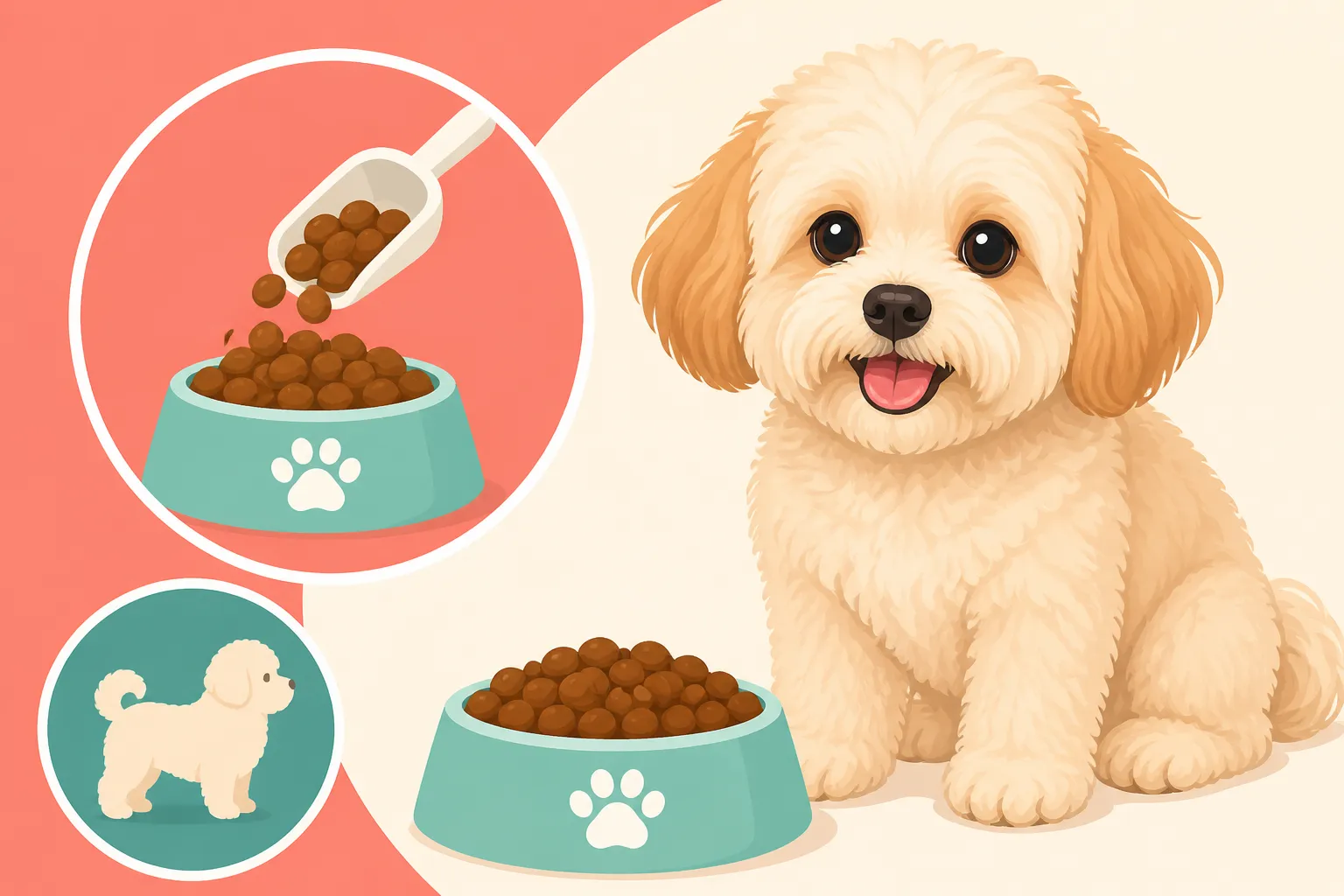
Feeding a Six Pound Maltipoo
One of the most common anxieties for any Maltipoo parent, especially those with a precious little six-pounder, is making sure they're eating properly. These tiny bundles of joy aren't just smaller versions of bigger dogs; they have unique metabolic needs, a sensitive digestive system, and a surprising capacity for fussiness that can turn mealtime into a real headache. This guide will walk you through everything you need to know about feeding your six-pound Maltipoo, ensuring they get the right nutrition to thrive.
Understanding Your Maltipoo's Unique Nutritional Needs
When you're dealing with a dog as small as a six-pound Maltipoo, you quickly realize that their dietary requirements are a world away from, say, a Labrador. It's not just about reducing portion sizes; it's about understanding their entire physiological makeup and how it impacts their need for fuel. Ignoring these differences can lead to serious health issues, particularly for such a delicate breed.
The Metabolism of a Small Dog
Tiny dogs like Maltipoos burn through calories at an incredibly fast rate. Think of them as little internal combustion engines running on high octane all the time. Their surface area to volume ratio means they lose heat quickly, requiring more energy to maintain body temperature. This accelerated metabolism also means their glucose stores can deplete alarmingly fast. A six-pound Maltipoo isn't designed to go long periods without food, unlike larger breeds that can handle a missed meal here and there. Their energy requirements, when measured per pound of body weight, are significantly higher than those of a larger dog. This is why you often see them darting around with endless energy, only to crash suddenly. It's a direct reflection of their high-speed metabolism. They need consistent, high-quality fuel to keep that tiny engine running smoothly.
The Critical Role of Blood Sugar Regulation
One of the most concerning health risks for small breed puppies, and sometimes even adult Maltipoos, is hypoglycemia, or dangerously low blood sugar. This is particularly true for very small puppies and those prone to stress. A six-pound Maltipoo is still on the smaller side, and while they might be past the most critical puppy stage, the risk isn't entirely gone, especially if they are particularly active, stressed, or if their meals are spaced too far apart. You can learn more about Hypoglycemia and the Teacup Maltipoo Puppy to understand the full spectrum of this condition.
Their small liver has limited glycogen reserves, which are the body's stored form of glucose. If a six-pound Maltipoo goes too long without eating, these reserves can be quickly exhausted, leading to a precipitous drop in blood sugar. This is why you often hear breeders and vets emphasizing that Why a Two Pound Maltipoo Cannot Skip a Meal, and the same principle applies, albeit with slightly less urgency, to a six-pounder. The signs can be subtle at first: lethargy, weakness, a dazed look, and eventually, if not addressed, can lead to seizures and collapse. It's a stark reminder that consistent feeding isn't just about weight management; it's about life-sustaining glucose delivery.
Calculating Calories and Portion Control for a Six-Pound Maltipoo
This is where many well-meaning pet parents often stumble. You might be used to eyeballing a scoop or filling a bowl, but with a six-pound Maltipoo, that approach can easily lead to over- or underfeeding, both of which have serious consequences. Precision is absolutely key when it comes to these little guys.
The Perils of Estimation: Why Weighing Matters
Let's be honest, those measuring scoops that come with kibble bags? They're often wildly inaccurate. Plus, different kibble brands have different densities, meaning a "cup" of one might have significantly more or fewer calories than a "cup" of another. For a dog that needs only a few ounces of food a day, being off by even half an ounce can represent a substantial percentage of their daily caloric intake. If you're consistently overfeeding, your Maltipoo will quickly pack on unhealthy pounds, putting strain on their tiny joints and organs. Conversely, underfeeding can lead to energy deficits and nutrient deficiencies, not to mention increasing the risk of hypoglycemia.
This is why precise measurement by weight, not volume, is so critical. Investing in a small kitchen scale that measures in grams or ounces is probably one of the best tools you can buy for your Maltipoo's long-term health. Forget the measuring cup; weighing their food ensures consistency and accuracy every single time. It truly makes a difference. As this guide on How Many Calories a Six Pound Maltipoo Needs goes into detail, guesswork just doesn't cut it.
Deciphering Calorie Requirements
So, how many calories does a six-pound Maltipoo actually need? This isn't a one-size-fits-all answer, as it depends on their age, activity level, and individual metabolism. However, veterinary guidelines provide a good starting point. On average, a healthy, adult six-pound Maltipoo typically requires around 200-250 calories per day. This is a rough estimate, and highly active dogs might need a bit more, while a very sedentary senior might need a bit less.
To figure out the exact amount for your chosen food, you'll need to check the "kcal/cup" or "kcal/kg" information on the food packaging. This number tells you the caloric density. From there, you can calculate how much dry kibble, in ounces or grams, provides the right amount of calories. It’s a bit of math, but it's vital.
For example, if your chosen food has 400 kcal per cup (which is about 3.7 oz or 105g of kibble) and your Maltipoo needs 200 calories per day, they would need half a cup of that food, or roughly 1.85 ounces (or about 52 grams). It sounds like a tiny amount, doesn't it? That's exactly why Why a Standard Scoop Overfeeds a Maltipoo is such a common pitfall. Always verify with your vet, especially if your Maltipoo has any underlying health conditions.
Here's a simplified table for estimating daily calorie needs for a 6-pound Maltipoo, based on activity level. Remember, these are general guidelines and your vet can provide personalized advice.
| Activity Level | Estimated Daily Calories (kcal) | Typical Daily Food Weight (Example: 400 kcal/cup kibble) |
|---|---|---|
| Sedentary | 180 – 200 | ~1.6 – 1.8 oz (45 – 50g) |
| Moderately Active | 200 – 250 | ~1.8 – 2.3 oz (50 – 65g) |
| Highly Active | 250 – 300+ | ~2.3 – 2.7+ oz (65 – 75+g) |
| Growing Puppy (up to 6 months) | 300 – 400+ | ~2.7 – 3.7+ oz (75 – 100+g) |
Choosing the Right Feeding Schedule
Given their fast metabolism and the risk of hypoglycemia, especially for puppies or very active adults, feeding a six-pound Maltipoo multiple small meals throughout the day is generally recommended. For puppies, this might mean three to four meals a day. As they mature, you might transition to two to three meals.
Imagine your Maltipoo, a vibrant little companion, zooming around your living room. If you only feed them once a day, their blood sugar will peak after that meal and then gradually drop throughout the day, potentially leading to sluggishness or even a sugar crash before their next meal. Spreading their caloric intake across several smaller meals helps maintain a more stable blood sugar level, ensuring a consistent energy supply and reducing the risk of a dangerous dip. Many owners find feeding at breakfast, lunchtime, and dinner works well, or even a smaller fourth meal before bed for younger or more delicate Maltipoos. This is particularly crucial for young pups; understanding How Often a Teacup Maltipoo Puppy Must Eat can prevent scary situations.
Selecting the Best Food for Your Pint-Sized Pal
The market is flooded with dog food options, and trying to choose the "best" one can feel overwhelming. For a six-pound Maltipoo, the quality of ingredients, the caloric density, and the size of the kibble all play significant roles in their overall health and enjoyment of mealtime.
Dry Kibble: Advantages and Considerations
Dry kibble is often the most convenient and cost-effective option for many dog owners. Good quality dry kibble is formulated to be nutritionally complete and balanced, providing all the vitamins, minerals, and macronutrients your Maltipoo needs. When choosing kibble for a small dog, there are a few key things to consider:
Firstly, kibble size. A Maltipoo's tiny mouth and jaw can struggle with large kibble pieces. Imagine trying to eat a giant cracker when your mouth is only big enough for a small cookie. It's not just uncomfortable; it can lead to dental issues or your dog simply refusing to eat if it's too much effort. Look for kibble specifically designed for "small breeds" or "toy breeds," which will have smaller, more manageable pieces. The health of The Forty Two Teeth Crowding a Maltipoo's Jaw is already a concern, so don't make it worse with oversized kibble.
Secondly, ingredient quality. Look for foods where a named meat source (chicken, lamb, salmon, etc.) is the first ingredient. Avoid foods with excessive fillers, artificial colors, flavors, or by-products. Companies like Chewy offer a wide variety of high-quality small breed kibbles from reputable brands, making it easier to compare ingredients and find something suitable. Remember, good nutrition starts with good ingredients.
Wet and Fresh Food Options
While dry kibble is popular, many Maltipoo owners opt for wet food, fresh food, or a combination. These options can be highly palatable, which is a huge bonus for notoriously picky eaters.
Wet food often has a higher moisture content, which can be beneficial for hydration and can make the food seem more appealing. It's often easier for smaller dogs to chew and digest. However, wet food is typically less calorically dense per volume than kibble, so you might need to feed a larger quantity to meet their caloric needs. It also tends to be more expensive.
Fresh food diets, often delivered subscription-based from companies like Ollie, have gained immense popularity. These are human-grade, gently cooked meals formulated by veterinary nutritionists. The benefits can include improved digestion, better coat health, and increased appetite, especially for a fussy eater. For a discerning Maltipoo, the aroma and texture of fresh food can be incredibly enticing. However, these diets are generally the most expensive option and require careful adherence to portioning to ensure they remain nutritionally balanced. If you choose this route, ensure the specific formula is appropriate for small breeds and has been vet-approved for completeness.
A mixed diet, combining a high-quality kibble with a spoonful of wet or fresh food as a topper, can offer the best of both worlds: the nutritional completeness and dental benefits of kibble, with the added palatability and hydration of wet/fresh food. Just remember to account for the calories from both components in your daily calculation!
Ingredient Quality and 'Small Breed' Formulas
When you pick up a bag of dog food labeled "small breed," it's not just about the kibble size. These formulas are often specifically designed to meet the higher metabolic demands of smaller dogs. This means they tend to be more calorically dense and may have slightly different protein and fat ratios compared to large breed formulas.
Beyond the "small breed" label, always scrutinize the ingredient list. The first few ingredients are the most important. You want to see whole food ingredients, primarily meat, followed by complex carbohydrates (like sweet potatoes or brown rice) and healthy fats. Avoid anything with "corn syrup," "meat by-products" as a primary ingredient, or artificial additives. A high-quality food will support their energy levels, maintain a healthy coat, and aid in good digestion. If your Maltipoo has any sensitivities or Allergies Behind a Maltipoo's Itching, a limited ingredient diet might be beneficial, and discussing this with your vet is crucial before making drastic changes.
The Importance of Treats and Snacks
Treats are an undeniable joy for both you and your Maltipoo. They're fantastic for bonding, training, and just showing a little extra love. However, for a small dog like a six-pound Maltipoo, treats can easily contribute a significant portion of their daily calories, leading to unintended weight gain if not managed carefully.
Calorie Count in Treats
It's easy to forget that those tiny treats add up. A treat that might be negligible for a large dog could be equivalent to a whole meal for your Maltipoo. Most veterinarians recommend that treats should not make up more than 10% of a dog's daily caloric intake. For a six-pound Maltipoo needing 200-250 calories per day, this means their total treat allowance is only 20-25 calories. That's not a lot!
Many commercial dog treats are surprisingly high in calories. A single bite-sized biscuit could contain 10-15 calories. If you give several of these throughout the day, suddenly you've exceeded their treat allowance, and possibly their overall daily calorie limit. This is a common way for small dogs to slowly put on weight, which then puts extra stress on their tiny joints, especially if they are prone to issues like Slipping Kneecaps in a Maltipoo. Always check the calorie content on treat packaging and factor it into their daily food calculations.
Healthy Treat Alternatives
To keep your Maltipoo happy without overfeeding, consider healthier, low-calorie alternatives. Many fresh fruits and vegetables make excellent treats. Think small pieces of:
- Carrot: Crunchy and good for teeth.
- Green beans: Low calorie and satisfying.
- Apple slices (no seeds): A sweet, crunchy option.
- Blueberries: A tiny burst of antioxidants.
- Cucumber: Mostly water, very refreshing.
Always introduce new foods slowly and in small quantities to avoid upsetting their delicate stomach. Remember, some human foods are toxic to dogs (onions, garlic, grapes, chocolate, etc.), so always double-check before offering anything new. You can also find low-calorie training treats specifically designed for small dogs at pet stores or from brands like Chewy, which often list the calorie count per treat, making it easier to manage.
Using Treats for Training Wisely
Treats are invaluable for positive reinforcement training, especially with intelligent breeds like Maltipoos who often inherit the Poodle's eagerness to learn. The key is to use very small, high-value treats and to reserve the best ones for truly challenging behaviors or new commands.
Break larger treats into tiny, pea-sized pieces. Your Maltipoo doesn't need a whole biscuit to understand they've done well; just a taste is often enough to reinforce the behavior. Rotate between different types of treats to keep them excited and engaged. Sometimes, praise, a favorite toy, or a quick game of fetch can be just as rewarding as a food treat, helping you conserve those precious calories. For a Maltipoo, consistent, positive training can bring out the best of their Poodle intelligence, so make sure your treat strategy supports that without leading to an expanding waistline.
Navigating Finicky Eaters and Food Aversions
Maltipoos, with their delicate dispositions and sometimes strong personalities, can be notorious for being picky eaters. It's incredibly frustrating when your beloved companion turns their nose up at a meal you've carefully prepared, leaving you worried about their nutrition. Understanding why they might be picky is the first step to finding a solution.
Understanding Picky Eating Behavior
Several factors can contribute to a Maltipoo's pickiness. Sometimes, it's a learned behavior. If you constantly offer new foods or add irresistible toppers every time they show disinterest, they quickly learn that holding out will get them something better. Other times, pickiness can stem from feeling unwell. A subtle upset stomach, a dental issue (which is common in small breeds due to The Forty Two Teeth Crowding a Maltipoo's Jaw), or even just general malaise can reduce appetite.
Environmental factors also play a role. A noisy feeding area, an uncomfortable bowl, or a stressful household can make a sensitive Maltipoo hesitant to eat. Furthermore, if you're feeding too many treats or table scraps between meals, your Maltipoo simply won't be hungry enough for their main meal. They're not being stubborn out of spite; they might genuinely not be feeling well, or they're just not that hungry because they've been snacking.
Strategies for Encouraging Appetite
Once you've ruled out any underlying health issues with your vet, there are several strategies you can employ to encourage your Maltipoo to eat consistently:
- Establish a Routine: Feed meals at the same time every day, in the same quiet location. Give them 15-20 minutes to eat, then pick up the bowl, whether they've finished or not. No more food until the next scheduled meal. This teaches them that food is available at specific times, and if they don't eat it, it's gone.
- Limit Treats and Table Scraps: Be incredibly strict with this. If they're holding out for tastier human food or constant treats, they won't eat their balanced diet. Remember that 10% rule for treats.
- Enhance Palatability: Sometimes, a little warmth can make a difference. Slightly warming wet food or adding a bit of warm water to kibble can release aromas that entice your Maltipoo. A tiny dash of low-sodium chicken or beef broth (check ingredients to ensure no onion/garlic) can also pique their interest. Companies like Chewy offer a variety of meal toppers that can add a burst of flavor without drastically altering their main diet.
- Consider Bowl Comfort: For a small dog, the size and depth of the bowl matter. Some Maltipoos prefer a shallow, wide bowl that doesn't put pressure on their whiskers. Elevated bowls can also sometimes help if they have neck or back issues, but this is less common for their size.
- Exercise Before Meals: A good walk or play session before mealtime can stimulate appetite. A tired, happy Maltipoo is often a hungry Maltipoo.
When to Consult Your Vet
While some pickiness is behavioral, a sudden loss of appetite, complete refusal to eat for more than 24 hours, or accompanying symptoms like vomiting, diarrhea, lethargy, or changes in behavior always warrant an immediate call to your veterinarian. For a small dog, even a short period of not eating can quickly lead to dehydration and hypoglycemia.
Your vet can rule out medical causes such as dental disease, gastrointestinal issues, or other underlying illnesses. They might also suggest specific prescription diets designed for sensitive stomachs or to encourage appetite. Never force-feed your Maltipoo or delay veterinary attention if you're concerned. Your vet is your best partner in ensuring your Maltipoo's health, and early intervention is always best for these little ones.
Hydration and Water Intake
Just as crucial as food is water. Proper hydration is vital for every bodily function, from digestion and nutrient absorption to temperature regulation and organ health. For a small dog like a six-pound Maltipoo, dehydration can set in quickly and become dangerous, so ensuring they have constant access to fresh, clean water is paramount.
Ensuring Adequate Water Consumption
On average, dogs need about one ounce of water per pound of body weight per day. For a six-pound Maltipoo, this means roughly six ounces of water daily. This might not sound like much, but it's important to monitor. Factors like activity level, ambient temperature, and diet (wet food contributes more moisture than dry kibble) can all influence their individual needs.
Here are some tips to encourage good hydration:
- Multiple Water Sources: Place several water bowls around your home, especially in areas where your Maltipoo spends a lot of time. This makes it convenient for them to take sips throughout the day.
- Fresh Water Daily: Change the water in their bowls at least once a day, and ideally, clean the bowls thoroughly to prevent bacterial buildup. Stale or dirty water is unappealing.
- Water Fountain: Some Maltipoos are enticed by moving water. A small pet fountain can be a great investment, as the running water encourages them to drink more.
- Wet Food: As mentioned before, if your Maltipoo is a reluctant drinker, incorporating some wet food or a fresh diet (like those from Ollie) can help increase their overall fluid intake.
- Ice Cubes: On a hot day or after a play session, a few ice cubes in their water bowl can make it more appealing and help them cool down.
Always be mindful if your Maltipoo is drinking significantly more or less than usual, as this can be a sign of an underlying health issue and should be discussed with your vet.
The Best Water Bowls for Small Dogs
While it might seem like a minor detail, the type of water bowl you choose can impact your Maltipoo's willingness to drink.
- Material: Stainless steel is generally recommended as it's durable, easy to clean, and doesn't harbor bacteria or leach chemicals like some plastics can. Ceramic bowls are also good but can chip.
- Size and Depth: Just like food bowls, water bowls shouldn't be too deep for a small Maltipoo. A shallow, wide bowl prevents their face and long ear hair from getting completely submerged, which many small dogs dislike. No one wants dripping wet ears!
- Stability: Choose a bowl with a non-slip base or one that's heavy enough not to be easily tipped over. A sudden spill can startle a sensitive Maltipoo and make them wary of the bowl.
- Hygiene: Regardless of the material, regular cleaning is paramount. Residue and slime can build up quickly, making the water unappetizing and potentially unhealthy.
Supplements and Special Dietary Considerations
The world of pet supplements can be a confusing maze, with promises of cure-alls and miraculous benefits. For most healthy Maltipoos on a high-quality, balanced diet, additional supplements aren't strictly necessary. However, there are situations and conditions where they can provide targeted support.
Common Supplements for Maltipoos
Before adding any supplement to your Maltipoo's diet, it's crucial to consult your veterinarian. They can assess your dog's individual needs and recommend appropriate products and dosages. Giving too much of certain supplements can be harmful.
Some commonly discussed supplements for small breeds like Maltipoos include:
- Joint Supplements (Glucosamine/Chondroitin): Given their predisposition to conditions like Slipping Kneecaps in a Maltipoo (patellar luxation), some vets might recommend joint supplements as a preventative measure or to support joint health in older dogs. These are believed to help maintain cartilage and reduce inflammation.
- Omega-3 Fatty Acids: Often sourced from fish oil, Omega-3s are excellent for skin and coat health, helping to keep that beautiful Maltipoo coat soft and shiny. They also have anti-inflammatory properties that can support joint health, heart health, and cognitive function.
- Probiotics: If your Maltipoo has a sensitive stomach, occasional digestive upset, or is recovering from antibiotics, probiotics can help restore a healthy balance of gut bacteria, aiding digestion and nutrient absorption.
- Multivitamins: Generally, if your Maltipoo is eating a complete and balanced commercial diet, a multivitamin isn't needed and could even lead to an overdose of certain vitamins. However, if your vet identifies a specific deficiency or your dog is on a home-cooked diet, a multivitamin might be recommended.
Remember, supplements are meant to supplement a healthy diet, not replace it. Always source supplements from reputable brands to ensure quality and efficacy.
Addressing Allergies and Sensitivities
Maltipoos can, unfortunately, be prone to allergies, which often manifest as skin issues (itching, redness, paw licking) or digestive upset (vomiting, diarrhea, gas). Identifying the specific allergen can be a challenge. If you suspect food allergies, your vet might recommend an elimination diet. This involves feeding a novel protein and carbohydrate source (one your dog has never eaten before) for several weeks to see if symptoms improve.
Common food allergens for dogs include beef, chicken, dairy, wheat, and soy. If a food allergy is diagnosed, you'll need to carefully select a diet free from the offending ingredients. Many specialized limited-ingredient or hypoallergenic diets are available on platforms like Chewy, making it easier to find appropriate options. For ongoing management of allergies, insurance providers like Healthy Paws can often help cover the costs of veterinary visits, diagnostics, and prescription foods that might be needed. Dealing with a Maltipoo's Allergies Behind a Maltipoo's Itching requires patience and veterinary guidance.
Managing Weight for Optimal Health
Maintaining a healthy weight is paramount for a six-pound Maltipoo. Being even a pound or two overweight can significantly impact their quality of life and exacerbate health issues. Extra weight puts undue strain on their tiny joints, worsens conditions like patellar luxation, increases the risk of heart disease, and can lead to a host of other metabolic problems. On the flip side, being underweight can leave them vulnerable to illness and energy deficits.
Regularly check your Maltipoo's body condition score. You should be able to easily feel their ribs without seeing them, and they should have a discernible waist when viewed from above. If you're struggling to feel their ribs or notice they're losing their waistline, it's time to consider a weight management plan.
This involves:
- Strict Portion Control: Re-evaluate and precisely measure all food and treats.
- Increased Exercise: Ensure they're getting adequate daily activity, suited to their age and physical condition.
- Weight Management Formulas: Your vet might recommend a specific "light" or "weight control" dog food, which is typically lower in calories but still nutritionally complete.
- Veterinary Guidance: Your vet can help you create a safe and effective weight loss plan, including determining their ideal weight and how to gradually reduce calories. They can also rule out any medical reasons for weight gain, such as hypothyroidism. Successfully Getting a Pound Off an Overweight Maltipoo can make a world of difference to their mobility and lifespan.
Feeding for Different Life Stages
A Maltipoo's nutritional needs aren't static; they evolve significantly from puppyhood through their adult and senior years. Adjusting their diet and feeding regimen according to their life stage is crucial for their health and well-being.
The Demands of a Growing Maltipoo Puppy
Maltipoo puppies are tiny dynamos, growing rapidly and burning through energy at an astonishing rate. Their caloric and nutrient needs are much higher than an adult dog's, relative to their size. They need specific puppy formulas that are higher in protein, fat, and essential nutrients like DHA for brain development.
- Frequent Meals: As discussed, young puppies, especially those under six months and those on the smaller end of the spectrum, require frequent, small meals to prevent hypoglycemia. This might mean feeding them three to four times a day. If you're bringing home a very young or small puppy, understanding The Weight at Which a Maltipoo Puppy Is at Risk is vital, as is having Nutri-Cal or Karo syrup on hand. You can read more about Keeping Nutri-Cal on Hand for a Maltipoo Puppy for emergencies.
- Small Breed Puppy Food: Choose a high-quality puppy food specifically formulated for small breeds. These foods have appropriate kibble sizes and nutrient profiles tailored for their rapid growth and delicate systems.
- Monitoring: Closely monitor your puppy's weight and energy levels. If they seem lethargic or are skipping meals, contact your vet immediately. The signs a Maltipoo puppy is crashing can be subtle at first, but escalate quickly.
As your Maltipoo puppy approaches adulthood (typically around 9-12 months for small breeds), you'll gradually transition them to an adult formula. This transition should be done slowly over 7-10 days to avoid digestive upset, mixing increasing amounts of the new food with decreasing amounts of the old.
Maintaining Health in Adult Years
Once your Maltipoo reaches their full adult size, their growth plateaus, and their metabolism will likely slow down a bit. This is the stage where maintaining a healthy weight becomes the primary dietary goal.
- Stable Feeding Schedule: Most adult Maltipoos thrive on two consistent meals a day, morning and evening. This helps regulate their digestion and maintains steady energy levels.
- High-Quality Adult Formula: Continue with a premium small-breed adult dog food. The focus here is on providing balanced nutrition for maintenance, energy, and overall health.
- Portion Control: Revisit your caloric calculations if you notice any weight fluctuations. It’s easy for a few extra treats or a slightly larger portion to lead to gradual weight gain over months or years. Weighing their food by the ounce is still the gold standard to prevent them from becoming overweight.
- Dental Health: Dental issues are incredibly prevalent in Maltipoos due to their small mouths. While diet alone won't prevent them, some kibble is designed to help scrape plaque. However, daily tooth brushing is your best defense. Read more about Brushing a Maltipoo's Teeth Every Single Day.
Senior Maltipoo Dietary Adjustments
As your Maltipoo ages, typically starting around 8-10 years old, their dietary needs will shift again. They might become less active, their metabolism can slow further, and they may develop age-related health issues.
- Calorie Reduction: Less activity often means fewer calories are needed. Feeding an old Maltipoo with less physical activity may require Cutting an Old Maltipoo's Portions as It Slows down to prevent weight gain. An overweight senior Maltipoo will put even more strain on aging joints.
- Senior Formulas: Many brands offer senior dog foods. These often have fewer calories, higher fiber for digestive health, and sometimes added joint-supporting ingredients like glucosamine and chondroitin.
- Digestive Sensitivity: Older dogs can develop more sensitive stomachs or have difficulty digesting certain nutrients. Easily digestible ingredients become even more important. Wet food or fresh food can sometimes be more palatable and easier on their digestive system if they have dental issues or a reduced appetite.
- Hydration: Ensuring adequate water intake remains critical. Older dogs can be more prone to dehydration.
- Addressing Specific Health Needs: If your senior Maltipoo develops conditions like kidney disease, diabetes, or heart disease, your vet will likely prescribe a specialized therapeutic diet to help manage the condition. These diets are carefully formulated to support organ function and improve quality of life. For instance, a Maltipoo with kidney issues would need a diet lower in phosphorus and protein.
Regular vet check-ups are essential for senior Maltipoos to catch any emerging health issues early and adjust their diet accordingly.
Disclaimer
Please note that the information provided in this article is for general educational purposes only and is not a substitute for professional veterinary advice. Every Maltipoo is an individual, and their specific dietary needs can vary based on age, activity level, health conditions, and metabolism. Always consult with your veterinarian before making significant changes to your dog's diet or introducing any supplements. They are the best resource for personalized guidance to ensure your Maltipoo's optimal health and well-being.