Restarting House Training With an Older Maltipoo
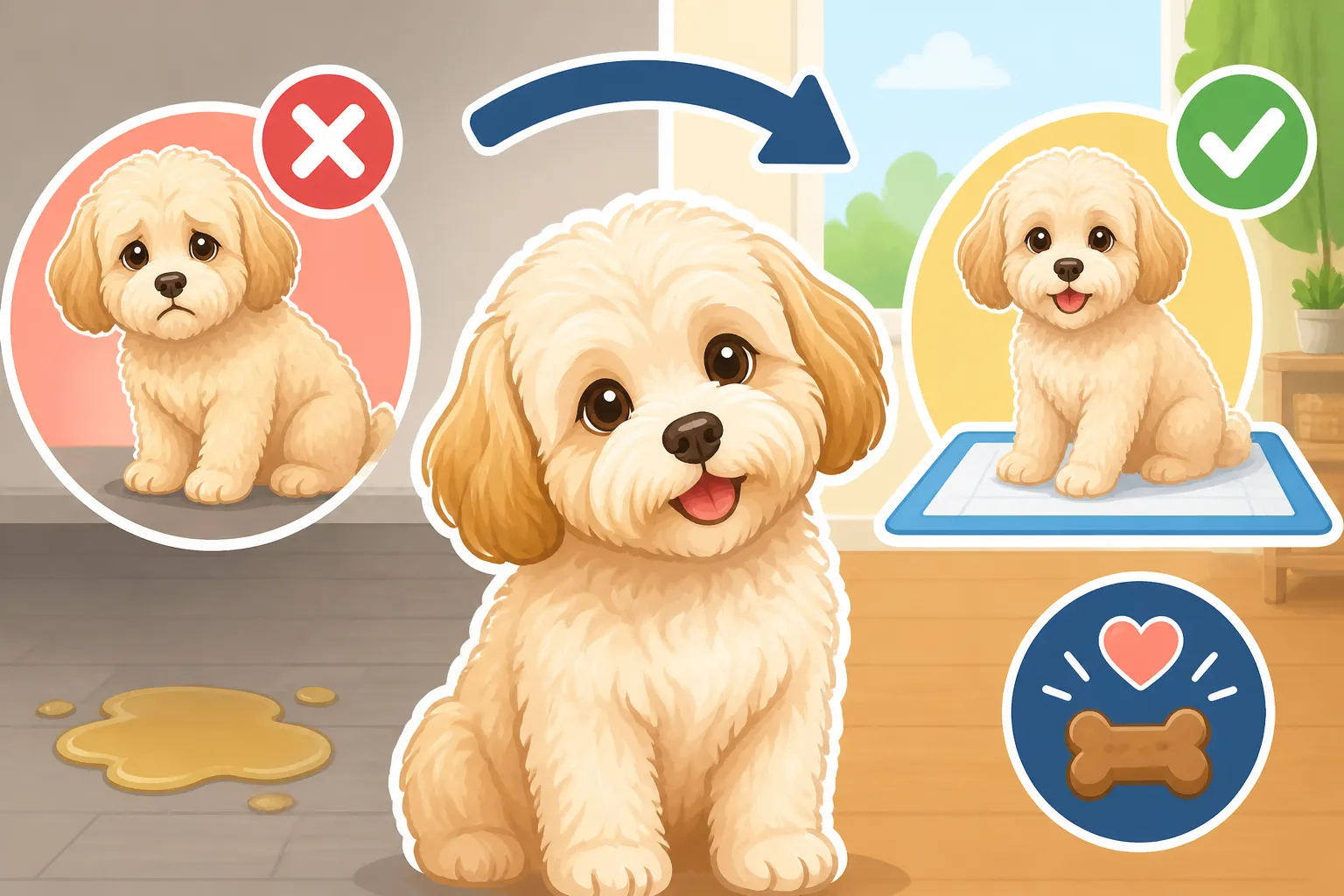
It's incredibly frustrating, isn't it? You've had your sweet Maltipoo for years, you thought the house training days were long behind you, and now suddenly, out of nowhere, they're having accidents indoors again. It can feel like you've gone backwards, questioning everything you thought you knew about your dog. This guide is here to help you understand why this might be happening and, more importantly, how to systematically restart and reinforce house training with your older Maltipoo, getting you both back to a clean and predictable routine.
Understanding Why House Training Breaks Down in Older Maltipoos
When an older Maltipoo starts having accidents inside, it's easy to jump to conclusions or even feel a bit betrayed. But it's crucial to approach this situation with empathy and a detective's mindset. There's almost always a reason behind a sudden change in established behavior, and it’s rarely out of spite. Your first step is to uncover that reason.
Ruling Out Medical Causes First
Before you even think about retraining, your very first port of call must be your veterinarian. I cannot stress this enough. So many behavioral changes in older dogs, especially those related to urination or defecation, have underlying medical causes. Skipping this step is like trying to fix a leaky faucet with a band-aid when the pipe itself is corroded.
Common culprits include urinary tract infections (UTIs), which can cause discomfort and a sudden, overwhelming urge to urinate. Kidney disease, more prevalent in older dogs, can lead to increased thirst and urination, making it harder for them to hold it. Conditions like diabetes can also cause excessive thirst and frequent urination. For senior Maltipoos, hormonal imbalances like Cushing's disease or even early stages of cognitive dysfunction syndrome (often called "doggy dementia") can manifest as house-soiling. They might simply forget their training, get disoriented, or lose control. Your vet can perform a thorough examination, including blood work and urinalysis, to pinpoint any health issues. Addressing these medical concerns might resolve the problem entirely, or at least significantly improve the situation before you begin any retraining efforts. This is a critical part of The Yearly Checks a Maltipoo Should Get.
Behavioral Regressions and Environmental Changes
Once medical issues are ruled out, you can start looking at behavioral and environmental factors. Dogs, especially sensitive breeds like Maltipoos, are creatures of habit and can be deeply affected by changes in their environment or routine. Think back over the last few weeks or months: has anything in your household shifted?
A new baby, a different work schedule, a family member moving in or out, or even a house move can trigger anxiety and lead to house-soiling. Your Maltipoo might feel stressed or insecure, and marking or urinating inside can be a way for them to cope or communicate distress. Loud noises, new furniture, or even a change in the type of cleaner you use on the floor can be enough to unsettle a sensitive dog. It’s also possible that, as they age, they might experience a decline in their ability to "hold it" for as long, or their signals for needing to go out become less obvious. Pay close attention to subtle shifts in their daily life. Remember, a major life change for us, like Whether a House Move Undoes a Maltipoo's Training, can be incredibly disorienting for your furry friend.
Submissive or Excitement Urination vs. True Accidents
It’s important to differentiate between actual house-soiling and other urination behaviors. Submissive urination, for example, often happens when a dog feels intimidated, overstimulated, or is greeting someone with extreme excitement. They might crouch, avert their gaze, and a small puddle appears. This isn't usually a conscious choice to "have an accident" but rather an involuntary physical response to an emotional state.
Excitement urination is similar, often occurring during enthusiastic greetings, play, or when you return home after an absence. Your Maltipoo might be so thrilled to see you that they just can't hold it. These types of urination are often characterized by small puddles, happening shortly after a specific trigger, and might resolve as your dog matures or becomes more confident. However, in older dogs, it can sometimes indicate a weakening bladder. A true accident, on the other hand, is when your dog genuinely needs to relieve themselves and either can't hold it, doesn't get outside in time, or simply forgets their training. Understanding the context of the urination is key to addressing it appropriately. Knowing Whether Excitement Wetting Passes in a Maltipoo can help you determine if it's a temporary phase or something more.
The Back-to-Basics Bootcamp: Treating Your Older Maltipoo Like a Puppy Again
Once you've ruled out medical causes and considered behavioral triggers, it's time to reset. The most effective way to address house-soiling in an older Maltipoo is often to go "back to basics" and treat them like a brand new puppy, re-establishing all the foundational house-training rules. This isn't a punishment; it's a structured way to help them succeed.
Re-establishing a Strict Potty Schedule
Consistency is absolutely paramount when restarting house training. Just like with a puppy, your older Maltipoo needs a strict, predictable schedule. This means taking them out frequently, even if you think they don't really need to go. Start by taking them out first thing in the morning, immediately after waking up. Then, take them out every 2-3 hours throughout the day. This schedule should also include trips immediately after eating, after playing, and right before bedtime.
When you take them out, always go to the same designated potty spot. Give them a consistent verbal cue like "Go potty" or "Outside time." When they do go, lavish them with enthusiastic praise and offer a high-value treat immediately. Don't wait until you're back inside. The praise and treat need to happen within seconds of them finishing their business, so they clearly associate the positive reward with the act of eliminating in the correct spot. If they don't go within 5-10 minutes, bring them back inside and keep a very close eye on them, then try again in 15-30 minutes. The idea is to prevent indoor accidents by giving them so many opportunities to succeed outside that they don't have a chance to fail inside. This intensive schedule might feel like a lot, but it’s crucial for resetting habits. For more on this, check out How Often a Maltipoo Puppy Needs Taking Out.
Here's a sample schedule you might adapt:
| Time | Activity |
|---|---|
| 6:00 AM | Wake up, immediate potty break |
| 6:15 AM | Breakfast |
| 6:30 AM | Potty break after eating |
| 8:00 AM | Scheduled potty break |
| 10:00 AM | Scheduled potty break / After a play session |
| 12:00 PM | Scheduled potty break |
| 2:00 PM | Scheduled potty break |
| 4:00 PM | Scheduled potty break |
| 5:00 PM | Dinner |
| 5:30 PM | Potty break after eating |
| 7:00 PM | Scheduled potty break |
| 9:00 PM | Scheduled potty break |
| 10:00 PM | Final potty break before bed |
Crate Training or Confinement for Success
The crate is not a punishment, but a powerful tool for house training, even with an older dog. Dogs are naturally clean animals and generally won't soil their sleeping area, especially if it's appropriately sized. If your Maltipoo was crate trained as a puppy but hasn't used it in a while, or if they've never been fond of it, you'll need to reintroduce it gently and positively.
The key is to ensure the crate is just large enough for them to stand up, turn around, and lie down comfortably. If it's too big, they might use one end as a bathroom. Place a comfy bed or blanket inside, and make it a positive space with toys or a puzzle feeder. Whenever you can't actively supervise your Maltipoo, they should either be in their crate or confined to a small, puppy-proofed area (like a kitchen with easy-to-clean floors) that they're unlikely to soil. This prevents "silent" accidents in other rooms and builds the habit of holding it. Remember that familiar question, What Size Crate Suits a Maltipoo Puppy? The answer is just as relevant for an older dog needing a refresher.
If your Maltipoo has developed an aversion to the crate, start by making it a positive place. Feed them meals inside, toss treats in, and never use it for punishment. Gradually increase the time they spend in it, always making it a comfortable and safe den. This confinement strategy helps reinforce their natural instinct to keep their living space clean, extending the intervals they can comfortably hold their bladder.
Supervised Freedom and Preventing "Invisible" Accidents
When your Maltipoo is not in their crate or confined space, they must be under your direct, active supervision. This means no wandering off into another room unattended, no sneaking behind the sofa for a quick pee. For the initial phase of retraining, consider keeping your Maltipoo on a leash and tethered to you, or at least keep them in the same room where you can watch them constantly.
The moment you see them sniffing around, circling, or showing any signs of needing to go, immediately scoop them up (if small enough) or lead them outside to their designated potty spot. The goal is to interrupt potential accidents before they happen and redirect the behavior to the appropriate location. This vigilant supervision prevents the establishment of new indoor potty habits. It's about proactive intervention rather than reactive cleaning. Any accidents that occur unnoticed only reinforce the bad habit and make your job harder. This level of supervision needs to be consistent, meaning every family member understands and participates in the "no unsupervised freedom" rule until your Maltipoo's house training is back on solid ground.
Addressing Specific Challenges with Older Maltipoos
House training an older Maltipoo often comes with unique hurdles that differ from those encountered with a young puppy. Recognizing and specifically addressing these challenges will be crucial for your success.
Dealing with Marking Behavior
Marking is a distinct behavior from general house-soiling. While both involve urination inside the home, marking is typically done by intact (unneutered) males, but sometimes by females too, to "claim" territory. It's often small amounts of urine, usually on vertical surfaces like furniture legs, walls, or even your favorite new Amazon package. If your older Maltipoo has started marking, especially if they haven't before, and medical causes are ruled out, it often points to a stressor or a feeling of insecurity.
If your male Maltipoo isn't neutered, discussing neutering with your vet can significantly reduce marking behavior. While not a guaranteed fix, it often helps. For both males and females, a belly band (for males) or a dog diaper (for females) worn indoors can be a lifesaver. These aren't intended to replace training but serve as a management tool. They catch any marking or accidents, preventing damage to your home and, importantly, stopping your dog from reinforcing the habit of marking inside. You can find many options on Amazon that are washable and comfortable for your Maltipoo. However, the bands are only effective if they’re paired with a renewed commitment to the potty schedule and supervision. The moment your Maltipoo soils the belly band, take them outside immediately, clean the band, and reinforce appropriate outdoor potty behavior. For more on this, read Whether Neutering Stops a Maltipoo Marking.
The Weather-Resistant Maltipoo: Training for All Conditions
Many Maltipoos, given their small size and often delicate nature, develop a strong aversion to going outside in inclement weather. Rain, snow, cold, or even strong winds can turn a routine potty break into a battle of wills. They'll stand at the door, peer out, shiver dramatically, and then bolt back inside, only to have an accident on your rug five minutes later.
To combat this, you need to make the outdoor potty experience as appealing as possible, regardless of the weather. Invest in a cute, warm, and waterproof coat or sweater for your Maltipoo. A pair of doggie boots can also protect their paws from cold, salt, or hot pavement. When you take them out in bad weather, go with them, stand under an umbrella, and make it a quick, positive experience. Don't linger. Consider creating a designated, covered potty area in your yard or on a porch. This could be a small awning, a pop-up canopy, or even a covered litter box for dogs, providing a sheltered spot where they can do their business without getting soaked or frozen. This takes away their excuse and increases their likelihood of success. Don't let your Maltipoo's pickiness with the elements derail your progress; check out Whether a Maltipoo Refuses Wet Grass for more ideas.
Managing Nighttime Accidents
Nighttime accidents can be particularly frustrating because they disrupt sleep and are often discovered after the fact, making immediate correction impossible. If your older Maltipoo is having accidents overnight, it requires a careful re-evaluation of their evening routine and management strategies.
Firstly, ensure their last meal is several hours before bedtime, typically 3-4 hours prior. This allows enough time for digestion and for them to have a solid potty break before settling down for the night. Limit water intake in the hour or two leading up to bedtime, but never restrict water entirely, especially if they have medical conditions. Always give them a thorough, last-thing-before-bed potty break. This means taking them out, waiting for them to fully empty their bladder and bowels, and praising them generously.
For nighttime management, using a crate (as discussed earlier) is often the most effective solution. A properly sized crate helps your Maltipoo hold it, as they won't want to soil their sleeping space. If they are accustomed to sleeping in your bed or freely roaming, this might be a temporary adjustment. If they whine or stir in the night, take them out immediately, quietly, and with minimal fuss. No play, no treats, just business, then back to bed. This teaches them that alerting you leads to an outdoor trip, not playtime. Understanding How Long a Maltipoo Puppy Holds It Overnight can give you a benchmark for what's reasonable to expect from an older dog too.
Tools and Techniques to Support Your Training
Successful house training, whether with a puppy or an older Maltipoo, isn't just about scheduling and supervision; it's also about using the right tools and techniques to reinforce good habits and eliminate bad ones.
The Power of Thorough Cleaning
This is perhaps one of the most underestimated aspects of house training. When your Maltipoo has an accident indoors, merely wiping it up with a standard household cleaner isn't enough. Dogs are guided by their sense of smell, and even if you can't smell residual urine, your Maltipoo certainly can. That lingering scent acts like a giant "potty here!" sign, encouraging them to return to the same spot again and again.
You absolutely need to use an enzymatic cleaner. These specialized cleaners, widely available on Amazon or at your local pet store, don't just mask odors; they break down the uric acid crystals in urine, completely neutralizing the scent. Without that powerful olfactory signal, your Maltipoo is far less likely to revisit an old accident spot. Be generous with the cleaner, letting it soak into carpets or flooring as directed by the product instructions. Clean every single spot where an accident has occurred, thoroughly and consistently. This step is non-negotiable for breaking the cycle of repeat accidents indoors. For more detailed advice, read Cleaning Up So a Maltipoo Does Not Return to the Spot.
Rewards, Praise, and Positive Reinforcement
Punishment, scolding, or rubbing your Maltipoo's nose in an accident are not only ineffective but can actually be detrimental to house training. These methods teach your dog to fear you, hide their accidents, or even become reluctant to eliminate in your presence, making it harder for you to catch and redirect them. Instead, focus entirely on positive reinforcement.
Every time your Maltipoo eliminates in the appropriate outdoor spot, make it a celebration! Offer immediate, enthusiastic verbal praise ("Good potty! Yes!"), followed by a high-value treat that they absolutely adore. This could be a tiny piece of cooked chicken, cheese, or a special training treat. The reward needs to be given within seconds of the act so that your Maltipoo clearly understands what they are being rewarded for. This positive association builds a strong preference for going potty outside. If they get a delicious reward every single time they go outside, and no fanfare (or consequence) for accidents inside (because you're preventing them through supervision), they will quickly learn where their efforts are most handsomely compensated.
Professional Help and Online Resources
Sometimes, despite your best efforts, you might find yourself struggling to make progress. This is perfectly normal, and it's okay to ask for help. House training regression in an older dog can be complex, especially if there are underlying anxiety issues or deeply ingrained habits. Don't feel like a failure if you need to call in the cavalry.
A certified professional dog trainer or a veterinary behaviorist can provide invaluable guidance. They can observe your Maltipoo, assess your household dynamics, and help you identify subtle triggers or training gaps you might be missing. They can also tailor a personalized training plan to your specific situation, offering hands-on advice and support. If in-person training isn't feasible, many excellent online resources and programs are available. For example, platforms like BAXTER & Bella offer comprehensive online puppy training programs that can be easily adapted for older dogs needing a house-training refresh. These programs often include video tutorials, live Q&A sessions, and personalized coaching that can be done from the comfort of your home. Sometimes, an objective expert eye is exactly what you need to break through a plateau and get your Maltipoo back on track. For guidance on when to seek help, consider Whether a Maltipoo Owner Can Do It Without a Trainer. You might also explore options for Whether a Maltipoo Can Use Both Indoors and Out if certain situations make outdoor-only challenging. Just remember, consistency and patience are your best friends in this journey, and help is always available if you need it.
Disclaimer
This article is for general informational purposes only and does not constitute professional advice. Laws, prices and regulations vary by location and change over time. Consult a qualified professional for guidance on your specific situation.