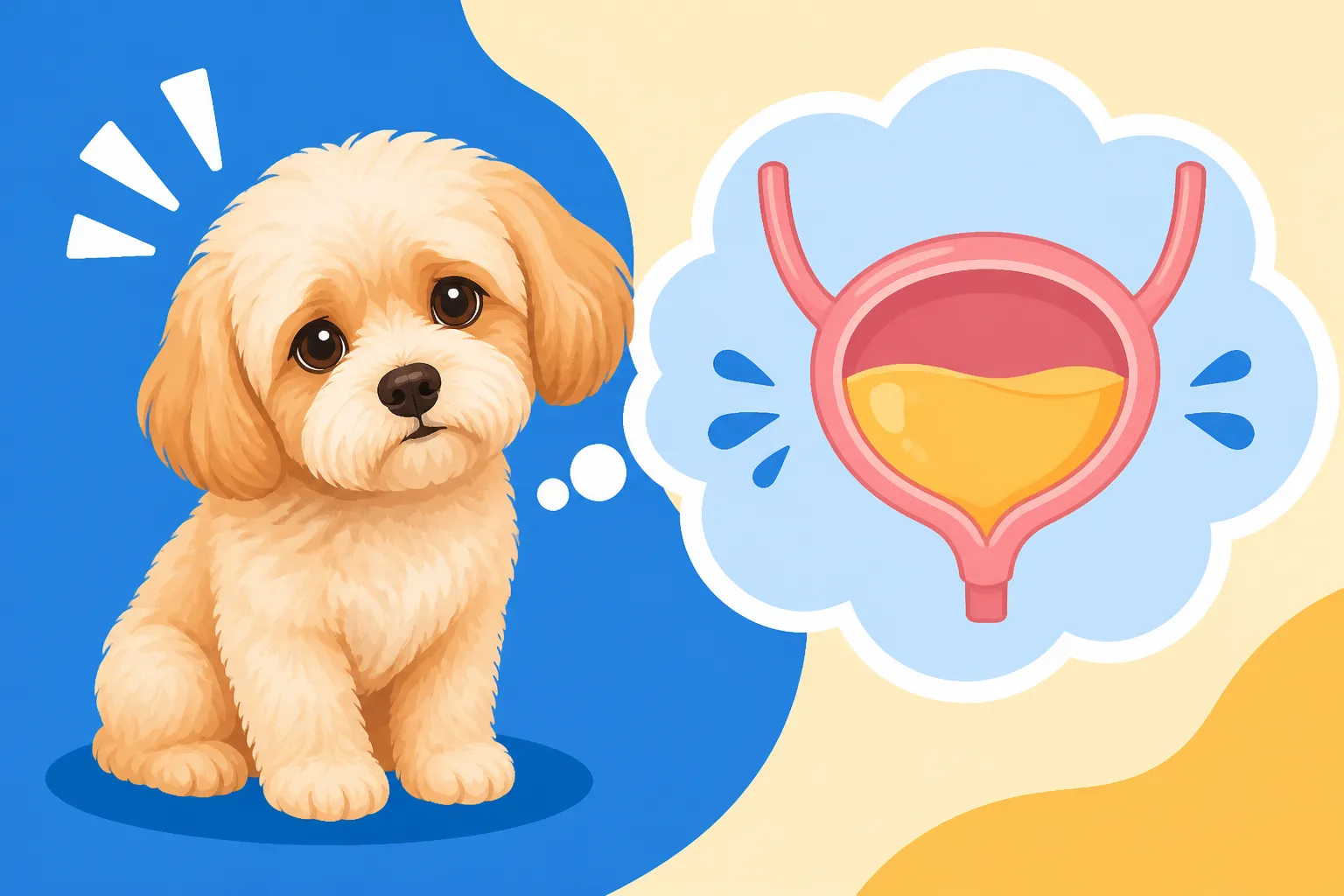
Whether a Maltipoo’s Bladder Is Simply Too Small
One of the most common refrains I hear from new Maltipoo owners, often whispered with a mix of love and sheer exasperation, is, "Does my Maltipoo have the world's tiniest bladder, or what?!" It’s a completely understandable frustration when you're trying your best to housetrain, and it feels like your little companion needs to go out every ten minutes. This guide is here to shed some light on the reality of a Maltipoo's bladder, separate fact from fiction, and offer practical, empathetic advice to help you navigate those sometimes-damp puppy days and beyond.
The Anatomy of a Small Dog Bladder: Myth vs. Reality
It’s easy to look at your tiny Maltipoo, especially a little teacup weighing just a few pounds, and assume their bladder must be proportionally microscopic. While it's true their bladders are smaller in absolute terms than a Golden Retriever's, the question of whether they are "too small" for effective housetraining is a bit more nuanced.
What "Too Small" Really Means for a Maltipoo
Let’s be honest, a Maltipoo's bladder is not going to hold as much as a dog four or five times their size. That's just simple biology. However, the term "too small" often implies a biological flaw that makes housetraining almost impossible, and that's generally not the case. A healthy Maltipoo's bladder, relative to their body, is usually perfectly capable of holding urine for reasonable periods, especially as they mature. The real challenge often comes down to their high metabolism, their early learning stages, and our expectations as owners.
Think about it this way: a human toddler has a smaller bladder than an adult, right? But they learn to hold it for longer periods as they grow and are trained. The same principle applies to your Maltipoo. Their tiny size does mean less volume, but it doesn't automatically mean a faulty system. It simply means that for a young puppy, those periods between potty breaks need to be much shorter than you might instinctively think. A tiny Maltipoo puppy might only be able to hold it for an hour or two at a very young age, especially right after waking, eating, or playing.
Metabolism, Water Intake, and Bladder Frequency
Here's where the "small dog" factor really comes into play. Maltipoos, like many small breeds, often have a faster metabolism than larger dogs. This means they process food and water more quickly. More water processed means more urine produced, and more frequently. Combine this with their generally active nature, and you have a dog that genuinely needs to pee more often than a larger, more placid breed might.
Consider their daily routine:
- Frequent meals: Many Maltipoo puppies, especially those at risk of hypoglycemia, are fed three to four times a day, or even more for very tiny ones. Each meal means digestion, and digestion leads to waste elimination, including urine. Why a Two Pound Maltipoo Cannot Skip a Meal is something we've discussed before, and frequent feeding is a part of that care.
- Constant hydration: Small dogs can get dehydrated quickly, so ensuring they have constant access to fresh water is crucial. But naturally, more water intake means more output.
- High energy: Even though they're small, Maltipoos can be quite energetic. Play sessions, zoomies around the house, and general excitement can all stimulate the bladder.
It’s not just about the size of the bladder, but how quickly that bladder fills due to their little internal engines running at a higher speed. This is a critical factor in understanding why you feel like you're constantly taking them outside.
Comparing Maltipoo Bladder Size to Other Breeds
When we talk about bladder size, it's really about capacity relative to the dog's overall system. A Maltipoo's bladder is smaller than, say, a Labrador's, just as a Maltipoo is smaller than a Labrador. However, the common perception that their bladder is disproportionately small, making housetraining uniquely difficult, often stems from other factors.
Let's look at a simple comparison:
| Breed Type | Average Weight (approx.) | Perceived Bladder Capacity | Common Housetraining Challenges |
|---|---|---|---|
| Maltipoo | 5-15 pounds | Often "too small" | High metabolism, small capacity in puppies, owner expectations |
| Labrador | 50-80 pounds | Adequate | Large volume, strong urges, sometimes slow to mature |
| Corgi | 20-30 pounds | Adequate | Can be stubborn, territorial marking |
| Chihuahua | 2-6 pounds | Often "too small" | Very small capacity, prone to fear-related accidents |
The table illustrates that smaller dogs, in general, are perceived to have more bladder issues. This isn't usually because of a defect, but because their physical capacity is low and their needs are frequent, especially when young. It takes time and consistent effort to stretch those intervals. When you think about it, a Maltipoo is effectively learning to hold tiny amounts of liquid for what feels like an eternity to their small system.
Beyond Bladder Size: Other Factors at Play in Housetraining Struggles
While bladder size and metabolism certainly play a role, many other factors contribute to the perceived difficulty of housetraining a Maltipoo. Often, these behavioral and environmental elements are far more significant than the physical size of their bladder.
The Learning Curve: Why Small Dogs Take Longer
It’s a common lament: Why Housetraining a Maltipoo Takes Longer Than You Expect. And it's true for several reasons that often get overlooked.
- Subtle Signals: A small Maltipoo puppy's signals that they need to go can be incredibly subtle. A slight shift in posture, a tiny whine, or a brief pause might be all you get before they're already squatting. Owners often miss these cues simply because they're not as obvious as a larger dog pawing at the door.
- Consistency is Key, But Hard: Housetraining relies on immaculate consistency – taking them out at the right times, every time, and rewarding heavily. With a Maltipoo puppy needing to go out so frequently (every 30-60 minutes for very young pups, especially after eating or waking), maintaining that perfect schedule is a full-time job. It’s easy for even the most dedicated owner to slip up, and each missed opportunity is a chance for an accident to reinforce the wrong behavior indoors.
- Developmental Stages: Just like children, puppies go through different developmental stages. Their ability to physically "hold it" matures over time. A very young Maltipoo simply doesn't have the muscle control or cognitive understanding to hold it for long periods. You can't rush this biological clock. How Many Months Before a Maltipoo Stops Having Accidents is a question many owners ask, and the answer is usually "longer than you think!"
Environmental and Behavioral Influences
Our homes and routines can inadvertently make housetraining harder, regardless of bladder size.
- Potty Pad Confusion: While convenient in the short term, potty pads can really hinder progress. They teach a dog that it's okay to relieve themselves inside the house, on a specific surface. This can make the transition to going only outside incredibly challenging. Your Maltipoo might think, "Okay, the pad is for pee, the carpet is for pee… what's the difference?" This can lead to your Maltipoo literally choosing between an indoor pad and the outdoors, especially if the weather is unpleasant.
- Weather Aversion: Maltipoos, especially those with a fine coat, can be quite sensitive to cold, wet, or snowy weather. The Maltipoo That Refuses to Go Outside in the Wet is a classic scenario. They step out, feel the damp chill, and immediately want to turn back inside, preferring the comfort of your rug. This isn't a bladder issue; it's a comfort and preference issue.
- Fear and Anxiety: Loud noises, being startled while outside, or simply a nervous disposition can cause a Maltipoo to "hold it" outdoors and then have an accident indoors where they feel safer. Submissive urination due to fear or excitement can also occur, which isn't a bladder size problem but a behavioral one.
- Marking Behavior: Even small male Maltipoos, especially if unneutered, can develop marking behaviors indoors. Some females will also mark, particularly if there are other dogs in the house or during their heat cycles. This is about communication and territory, not necessarily a full bladder.
Online training resources, like those offered by BAXTER & Bella, often address these specific behavioral nuances, providing structured approaches to overcome common hurdles and build good habits from the ground up.
Health Concerns Mimicking Small Bladder Issues
Before you entirely blame a "small bladder" or even training setbacks, it’s crucial to rule out underlying health issues. Sometimes, what looks like a training problem is actually a medical one.
- Urinary Tract Infections (UTIs): These are surprisingly common in small dogs and can cause frequent, urgent urination, sometimes with straining or blood. A UTI makes even a "normal" bladder feel like it's constantly full and irritating. Whether a Urinary Infection Explains a Maltipoo's Accidents is a vital question to ask your vet.
- Bladder Stones: Similar to UTIs, bladder stones can cause irritation, frequent urination, and even blockages.
- Diabetes: Increased thirst and urination are classic symptoms of diabetes in dogs. If your Maltipoo is suddenly drinking and peeing more, a vet check is essential.
- Kidney Disease: Impaired kidney function can lead to increased water consumption and urination.
- Anxiety or Stress: As mentioned, stress can manifest as accidents. A dog experiencing separation anxiety, for example, might urinate when left alone, not because their bladder is too small, but due to emotional distress.
- Congenital Issues: While rare, some puppies can have congenital abnormalities of the urinary tract.
This is why a trip to the veterinarian for What a Maltipoo's First Vet Visit Should Include is so important, and any persistent or sudden change in potty habits warrants another visit.
Practical Strategies for Housetraining Success (Despite a Small Bladder)
Okay, so we've established that while a Maltipoo's bladder is indeed small, it's often other factors contributing to housetraining woes. The good news is that with consistency, patience, and the right strategies, you can absolutely achieve success.
Establishing a Strict Potty Schedule
This is the cornerstone of housetraining any dog, but especially a small breed with a fast metabolism.
- "Take Them Out Constantly" Isn't Just a Saying: For a young Maltipoo puppy, "often" means very often. Think every 20-30 minutes when they are awake and active. Immediately after waking up (from naps or overnight sleep), within 5-10 minutes of eating or drinking, and after any significant play session. This gives them no chance to have an accident indoors. How Often a Maltipoo Puppy Needs Taking Out is more frequently than most first-time owners realize.
- Set an Alarm: Seriously, use a timer! It’s easy to get absorbed in what you’re doing and forget the clock. An alarm reminding you to take your Maltipoo out every hour or two (depending on age and bladder control) can be a lifesaver.
- Overnight Routines: For very young puppies, you might need to Whether a Maltipoo Should Be Woken to Go Out overnight. Gradually, as they grow, they should be able to hold it longer. Limiting water intake an hour or two before bedtime can help, but always ensure they have access to water throughout the day.
- Structured Feeding: Maintaining a consistent feeding schedule helps predict potty times. If your Maltipoo eats at the same times each day, you'll know when to expect them to need to go out shortly after. Building a Toilet Schedule Around a Maltipoo's Bladder revolves heavily around meal times.
Effective Training Techniques and Tools
Positive reinforcement is your best friend when housetraining a Maltipoo. They are often sensitive souls and respond much better to praise and treats than harsh correction.
- Reward, Reward, Reward: Every single time your Maltipoo eliminates outside, celebrate! Give them a high-value treat and enthusiastic praise. Make it the best thing ever. This teaches them that going potty outside is incredibly rewarding.
- Crate Training: A properly sized crate can be an invaluable tool. Dogs instinctively don't want to soil their sleeping area. So, a crate that's just big enough for them to stand up, turn around, and lie down comfortably (no extra space) can help them learn to hold their bladder. What Size Crate Suits a Maltipoo Puppy is crucial – too big, and they'll just use one end as a bathroom. Whether Crate Training Speeds a Maltipoo Up is often yes, but it must be used correctly and never as punishment.
- Leash to the Spot: Even if you have a fenced yard, it's often best to take your Maltipoo out on a leash to their designated potty spot. This keeps them focused on the task and prevents them from getting distracted by sights and smells, then forgetting why they're out there.
- Enzymatic Cleaners: Accidents will happen. It’s inevitable. But it's vital to clean them thoroughly with an enzymatic cleaner (you can find many effective options on Amazon). Regular cleaners might mask the smell to us, but a dog's keen nose can still detect it, marking it as an acceptable spot for future accidents. Cleaning Up So a Maltipoo Does Not Return to the Spot is a key step in preventing repeat offenses.
- Online Programs: If you're feeling overwhelmed, structured online programs like those from BAXTER & Bella can provide step-by-step guidance, video tutorials, and even personalized coaching to help you implement these techniques effectively. They often cover everything from basic potty training to more advanced behavioral challenges.
Managing Overnight and Long Periods Alone
These are often the most challenging times for owners, especially those who work full-time.
- Overnight: As your Maltipoo gets a bit older (around 4-6 months, though this varies), they should be able to hold it for 6-8 hours overnight. If they're still having accidents, ensure they're crated, have had their last potty break right before bed, and consider if they're waking you up to go out (and you're missing the cues). Limit water an hour or two before bed, but ensure they can drink plenty during the day.
- Daytime Solutions: If you work long hours, leaving a young Maltipoo alone for 8+ hours without a potty break is simply not fair or feasible. Consider:
- Dog Walker/Pet Sitter: Hiring someone to come in mid-day for a potty break and some playtime is ideal.
- Doggy Daycare: For socialized Maltipoos, a few days a week at daycare can provide mental stimulation and plenty of potty opportunities.
- Containment Area: If a crate for extended hours is too restrictive, a larger playpen with a designated potty area (like a pee pad or indoor grass patch) can be a temporary solution, but remember the potential for pad confusion. It's a compromise to keep them clean, but the goal is always outside.
When to Seek Professional Help (and a Vet Check)
Sometimes, despite your best efforts, the housetraining struggles persist. It's important to know when to escalate your concerns beyond standard training advice.
Recognizing When It's More Than Just Training
If your Maltipoo's accidents are:
- Sudden and Frequent: An adult Maltipoo who was previously reliably housetrained suddenly starts having accidents, especially if they are very frequent or urgent.
- Accompanied by Other Symptoms: Drinking excessively, straining to urinate, blood in the urine, lethargy, loss of appetite, or pain when peeing.
- Despite Perfect Consistency: You've followed every piece of advice to the letter – strict schedule, positive reinforcement, no pads, thorough cleaning – and there's still no progress after a reasonable amount of time (e.g., several weeks or a couple of months for a young puppy).
- Beyond Your Control: The accidents seem to happen at unpredictable times or in response to specific triggers (like loud noises, specific people, or when left alone).
These situations point to something more than just a "small bladder" or a stubborn puppy.
Consulting Your Veterinarian
Your first stop for any persistent housetraining issues that seem unusual or are accompanied by other symptoms should always be your veterinarian. They can:
- Rule Out Medical Conditions: A full physical exam, urinalysis, and possibly blood work can identify or rule out UTIs, bladder stones, diabetes, kidney issues, or other health problems.
- Discuss Medications: In some cases, if anxiety is a significant factor, your vet might discuss medications or supplements to help manage it.
- Provide Diet Advice: Sometimes, diet can influence urination. Your vet can advise on whether changes might be beneficial.
Don't ever feel like you're bothering your vet with "just a potty problem." It's a quality-of-life issue for both you and your Maltipoo, and ruling out medical causes is paramount.
Working with a Professional Dog Trainer
If your vet has given your Maltipoo a clean bill of health, but the housetraining challenges continue, it might be time to bring in a professional dog trainer or a canine behaviorist.
- Objective Eye: A professional trainer can observe your Maltipoo, your home environment, and your interactions to pinpoint subtle issues you might be missing. They see countless dogs and can often spot patterns that are invisible to a loving but frustrated owner.
- Tailored Plan: They can develop a customized training plan that addresses your specific Maltipoo's personality, your lifestyle, and the unique challenges you're facing. This often involves more intensive, one-on-one coaching.
- Behavioral Expertise: For issues like anxiety-related accidents, marking, or extreme weather aversion, a behaviorist has specialized knowledge to tackle the root cause of the problem, rather than just the symptom. They might introduce specific desensitization techniques or management strategies to help your Maltipoo feel more comfortable eliminating outside.
Ultimately, while a Maltipoo's bladder is small, it's rarely the sole villain in the housetraining saga. With a deep understanding of their unique needs, unwavering patience, and a consistent, positive approach, you and your tiny companion can absolutely achieve housetraining success.
Disclaimer
This article is for general informational purposes only and does not constitute professional advice. Laws, prices and regulations vary by location and change over time. Consult a qualified professional for guidance on your specific situation.