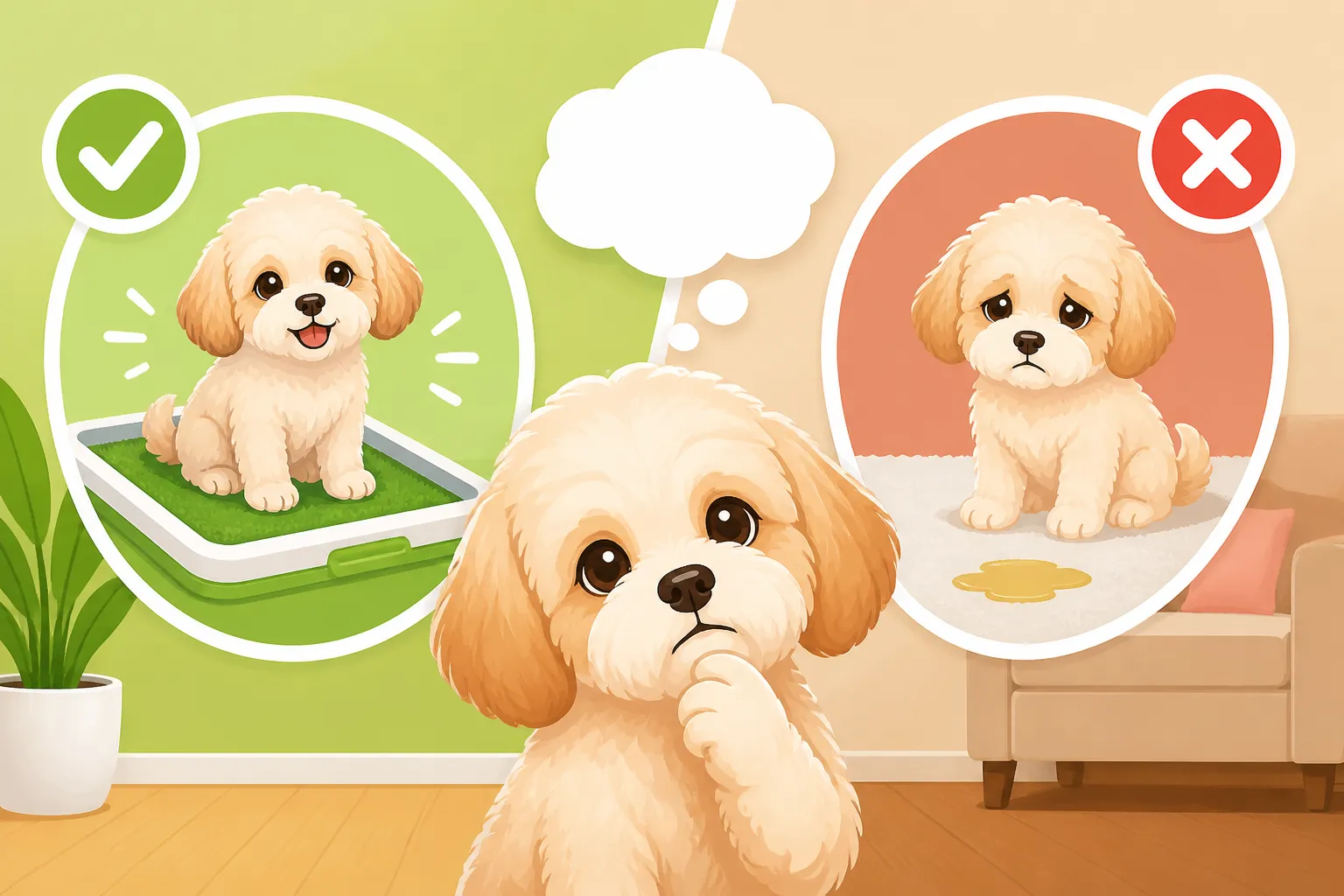
Whether a Maltipoo Should Use an Indoor Toilet
It’s a tale as old as time for many small dog owners: you bring home your adorable Maltipoo puppy, full of dreams of easy house training, only to discover that their tiny bladder and delicate sensibilities make traditional outdoor potty breaks a real challenge. Whether it’s relentless rain, scorching pavement, or just the sheer inconvenience of constant trips downstairs in an apartment building, the thought of an indoor toilet can feel like a genuine lifesaver. This guide is here to help you navigate the tricky world of indoor toileting for your Maltipoo, exploring whether it's a viable option, the different types available, and how to make it work (or transition away from it) without creating more headaches than you solve.
The Appeal and Challenges of Indoor Toileting for Maltipoos
Let's be honest, the idea of an indoor toilet for your Maltipoo can be incredibly appealing. Life with a tiny canine companion comes with its own unique set of considerations, and sometimes, the traditional house-training methods just don't seem to fit. However, it's also important to understand that while convenient, indoor options aren't without their own set of potential problems.
Why Indoor Toilets Seem Like a Good Idea
For many Maltipoo owners, the reasoning behind considering an indoor toilet is rooted in very real, very common frustrations. First off, there's the weather. Anyone who has tried to get a small dog to do their business in a torrential downpour, a blizzard, or even just on a freezing cold morning knows the struggle. Maltipoos, especially the smaller ones, genuinely feel the cold and wet much more intensely than larger breeds. Their fine coats and delicate paws aren't built for harsh elements, leading to a puppy who might just hold it in rather than face the discomfort, only to relieve themselves the moment they're back on your warm, dry rug. You can read more about Whether a Maltipoo Gets Cold Easily to understand their sensitivity.
Then there's the bladder capacity. A Maltipoo puppy, particularly a tiny one, has a bladder that's about the size of a thimble. This means they need to go constantly. Expecting them to hold it for long stretches, or to wait for you to bundle up and go outside every hour, especially during those crucial early weeks, is often unrealistic. For those living in apartments or homes with many stairs, the sheer logistics of frequent outdoor trips can become a full-time job. Imagine sprinting down three flights of stairs in the middle of the night, only to have your puppy decide they don't really need to go once they're outside. An indoor option offers immediate relief and can prevent accidents borne purely out of necessity.
Finally, there are the safety concerns. For very tiny Maltipoos, the outside world can be a big, overwhelming, and sometimes dangerous place. From larger dogs at the park to fast-moving cars or even just navigating uneven terrain, some owners prefer a controlled indoor environment for initial potty training. This can be particularly true for those who have a Teacup Maltipoo at Two to Five Pounds, where their fragility is a constant worry. For elderly or less mobile owners, stepping outside multiple times a day, especially in icy conditions, might not be safe for them, let alone their pup. An indoor option ensures consistency and safety for everyone involved.
The Potential Pitfalls of Relying Solely on Indoor Options
While the benefits are clear, it's crucial to acknowledge the downsides before fully committing to an indoor toilet system for your Maltipoo. The biggest hurdle often boils down to confusion. When a puppy is taught to relieve themselves inside, even on a designated pad or patch of grass, they might struggle to differentiate between that special spot and other soft, absorbent surfaces in your home – like your carpet, bath mats, or even a pile of laundry. This can lead to a prolonged and frustrating house-training process, where your Maltipoo never quite grasps that "outside" is the ultimate goal. You might find yourself asking Whether Pads Confuse a Maltipoo Permanently as you grapple with ongoing accidents.
Another significant drawback is the potential for hygiene and odor issues. Even with the most absorbent pads or meticulously cleaned artificial grass, there's a certain level of odor that can permeate your living space. Small dogs may have small outputs, but those can accumulate, and if not managed perfectly, your home can start to smell like a kennel. Furthermore, tracking accidents can happen. A Maltipoo stepping in their own mess or tracking urine from a pad can spread bacteria and odors throughout your house, necessitating more frequent cleaning and sanitizing than you might anticipate.
Lastly, relying solely on indoor options can delay or even prevent your Maltipoo from ever truly becoming reliably house-trained for outdoor excursions. If they never learn the cues of going outside, the sensation of grass under their paws, or the routine of outdoor potty breaks, they may become incredibly resistant when you eventually try to introduce it. This can become a significant problem if you ever need to travel, board them, or if you simply decide you prefer them to do their business outdoors. It's a tricky balance to strike between convenience and fostering good habits for the long term.
Types of Indoor Toilets and How to Introduce Them
If you're considering an indoor toilet for your Maltipoo, you'll find there are a few main options available, each with its own advantages and disadvantages. Choosing the right one and introducing it correctly can make all the difference in your success.
Puppy Pads: Pros, Cons, and Best Practices
Puppy pads, also known as "pee pads" or "wee-wee pads," are perhaps the most common indoor toileting solution. They consist of absorbent layers designed to soak up urine and often have an attractant scent to encourage your dog to use them.
Pros:
- Ease of Access: Puppy pads are readily available at almost any pet store or online retailer like Amazon. You can buy them in bulk, and they're relatively inexpensive.
- Disposable: When soiled, you simply pick them up, bag them, and dispose of them, making cleanup straightforward.
- Temporary Solution: They are excellent for young puppies with extremely small bladders who cannot hold it for very long, or for temporary situations like post-surgery recovery. For more on puppy needs, see How Often a Maltipoo Puppy Needs Taking Out.
- Initial Training Aid: They can serve as a stepping stone to outdoor training, especially if you live in a high-rise apartment and can't get your tiny pup downstairs fast enough.
Cons:
- Confusion: As mentioned, the biggest con is that pads can confuse your Maltipoo, making it harder for them to understand that outside is the ultimate potty spot. They might associate all soft surfaces with a toilet.
- Odor: Despite absorbency claims, odors can linger, especially if pads aren't changed immediately after use.
- Mess: A Maltipoo might miss the pad, or step in their urine and track it around. Some puppies also develop a habit of tearing up the pads, creating a whole new kind of mess.
- Regression: It can be very difficult to transition a Maltipoo who has become accustomed to pads to outdoor-only toileting. This can feel like you're taking two steps forward and one step back, leading to questions like Whether Pads Slow a Maltipoo Down.
Best Practices for Introducing Puppy Pads:
- Placement: Place pads in a consistent, low-traffic area away from their food, water, and sleeping area. Start with a larger area of pads initially and gradually reduce the space as your Maltipoo gets the idea.
- Supervision: Watch your Maltipoo like a hawk, especially after waking up, eating, drinking, or playing. These are prime potty times.
- Prompting: When you see signs of needing to go (sniffing, circling, squatting), immediately guide or carry your Maltipoo to the pad. Use a verbal cue like "potty" or "go pee."
- Reward: The moment they finish on the pad, praise them enthusiastically and give a high-value treat. This positive reinforcement is key.
- Clean Accidents Thoroughly: If accidents happen off the pad, clean them immediately and thoroughly with an enzymatic cleaner to remove all scent traces. This prevents your Maltipoo from returning to the same spot.
Artificial Grass Patches and Litter Boxes
For those seeking an indoor solution that feels a bit more "natural" or permanent, artificial grass patches and specialized litter boxes for dogs offer alternatives to traditional puppy pads.
Artificial Grass Patches: These systems typically consist of a layered tray with an artificial grass mat on top. The urine drains through the grass into a collection tray below, mimicking the feel of real grass.
Pros:
- Realistic Feel: The texture of artificial grass can help bridge the gap between indoor and outdoor toileting, as it more closely resembles what they'll encounter outside. This can potentially reduce confusion when transitioning to outdoor grass.
- Odor Control: Many systems come with absorbent pads in the collection tray or are designed for easy cleaning, which can help with odor control compared to flat pads. Some systems even incorporate antimicrobial properties.
- Durability: Unlike disposable pads, these are reusable and can last a long time with proper care, potentially saving money in the long run. You can find many options for these on Amazon.
- Cleaner Paws: The grass texture allows urine to drain, keeping your Maltipoo's paws drier and reducing the chance of tracking.
Cons:
- Maintenance: They require regular cleaning of the grass mat and the collection tray to prevent strong odors and bacterial buildup. This isn't a "set it and forget it" solution.
- Cost: The initial investment can be higher than a pack of puppy pads.
- Acceptance: Not all Maltipoos will take to artificial grass immediately, especially if they've been pad trained.
Dog Litter Boxes: Similar in concept to cat litter boxes but often larger and with lower entry points, these contain special dog litter (which can be anything from recycled paper pellets to silica gel crystals) that absorbs urine and controls odor.
Pros:
- Containment: The enclosed nature of a litter box can help contain messes and odors more effectively than open pads or grass patches.
- Odor Absorption: Dog-specific litter is designed for superior odor absorption.
- Familiarity (for some): If your Maltipoo has been exposed to a litter box environment before (perhaps at a breeder's), they might take to it quickly.
Cons:
- Bulkiness: Litter boxes can be larger and more obtrusive in a home than a discreet pad.
- Litter Tracking: Despite efforts, litter can still be tracked out of the box, requiring more frequent vacuuming or sweeping.
- Acceptance: Similar to grass patches, some Maltipoos may be hesitant to use a litter box, especially if the texture of the litter is unfamiliar or uncomfortable.
- Cost of Litter: Ongoing costs for specialized dog litter can add up.
Introducing Artificial Grass Patches or Litter Boxes:
The introduction strategy is similar to puppy pads: place it in a consistent spot, supervise closely, bring your Maltipoo to the area during prime potty times, and reward lavishly for success. If your Maltipoo is already pad-trained, you can try placing the grass patch or litter box directly over or next to their current pad, slowly moving the pad away once they're consistently using the new indoor toilet.
Integrating Indoor Toileting with Outdoor Training (The Hybrid Approach)
For many Maltipoo owners, the most practical solution isn't an all-or-nothing approach, but rather a hybrid system that leverages the convenience of indoor options while still prioritizing outdoor training. This way, you get the best of both worlds, adapting to your lifestyle and your Maltipoo's unique needs.
Making the Transition: From Indoor to Outdoor
The ultimate goal for most dog owners is for their Maltipoo to be reliably house-trained outdoors. If you've started with indoor pads or grass patches, transitioning to outdoor-only can feel like a daunting task, but it's absolutely achievable with patience and consistency. The key here is gradualism and positive association.
Start by establishing a consistent outdoor potty schedule. This means taking your Maltipoo out first thing in the morning, after every nap, after meals and water, before bed, and periodically throughout the day. The more often you offer the opportunity, the better. When you go outside, take them to the same designated potty spot each time. This helps them associate that specific area with relieving themselves. Use your verbal cue ("potty," "go pee") consistently.
While you're working on outdoor training, you can begin to make the indoor toilet less accessible or less appealing. For instance, if you're using puppy pads, try moving the pad closer to the door over several days or even weeks. Then, move it just outside the door, then a little further away each time. The idea is to slowly guide them toward the preferred outdoor spot. If you're using an artificial grass patch, you might consider moving it to an outdoor patio or balcony if you have one, further reinforcing the "outdoor" concept.
Positive reinforcement is paramount during this transition. Every single time your Maltipoo successfully eliminates outside, make it a huge celebration! Offer high-value treats (something they absolutely adore but don't get often), enthusiastic praise, and maybe even a quick game of fetch if they're up for it. The goal is to make going potty outside the most rewarding experience possible. If they have an accident indoors, don't punish them. Simply clean it up thoroughly and redouble your efforts with the outdoor schedule and positive reinforcement. You might find some helpful advice in Whether a Maltipoo Can Use Both Indoors and Out for balancing both.
When a Hybrid System Works Best for Your Maltipoo
A hybrid system – using both indoor and outdoor options – isn't just a temporary stepping stone for many Maltipoos; it can be a perfectly viable long-term solution for specific situations and owners.
- Apartment Living/High-Rise Dwellers: For those living on upper floors, especially if elevators are slow or stairs are plentiful, a hybrid system can prevent unnecessary accidents and stress. An indoor grass patch for quick relief between scheduled outdoor walks can be a lifesaver, especially during workdays.
- Extreme Weather Conditions: As we discussed, Maltipoos are sensitive to extreme temperatures. On days with scorching heat, icy conditions, heavy rain, or blizzards, an indoor toilet provides a safe and comfortable alternative, ensuring your Maltipoo doesn't have to suffer through uncomfortable potty breaks.
- Elderly or Less Mobile Owners: If an owner has mobility challenges, frequent trips outside can be difficult or even dangerous. A well-placed indoor toilet ensures their Maltipoo can relieve themselves when needed, maintaining both the dog's comfort and the owner's safety.
- Long Workdays: If you have to be away from home for an extended period, even with a dog walker, an indoor option offers a backup for your Maltipoo's small bladder. This ensures they aren't forced to hold it for an uncomfortably long time, which can lead to accidents or even health issues.
- Special Needs Maltipoos: Maltipoos with certain health conditions, such as Collapsing Trachea in a Maltipoo's Neck or severe anxiety, might benefit from the reduced physical exertion or stress of an indoor toilet. An older Maltipoo who is starting to lose bladder control might also find immense relief in having an indoor option available. An Old Maltipoo That Will Not Settle at Night might also benefit from an indoor option so they don't have to disturb their owner for an outdoor trip.
The key to a successful hybrid system is clear communication with your Maltipoo. They need to understand that both places are acceptable, but ideally, you'll still encourage and reward outdoor elimination as the primary method whenever feasible. This prevents them from becoming too reliant on only the indoor space.
Training Tips for Success with Any Toilet System
No matter which toilet system you choose for your Maltipoo – purely outdoor, purely indoor, or a hybrid – the fundamental principles of successful house training remain the same. It boils down to consistency, routine, and making the right choices irresistible for your furry friend.
Consistency, Routine, and Positive Reinforcement
These three pillars are the bedrock of effective house training for any dog, and especially for a small, sensitive Maltipoo. Without them, you'll find yourself battling an uphill struggle, constantly cleaning up messes and feeling frustrated.
Consistency: Your Maltipoo thrives on predictability. This means taking them to their designated potty area (whether it's an outdoor spot, an indoor pad, or both) at the same times every single day. First thing in the morning, after every meal, after waking from naps, after playtime, and right before bed. Don't skip these scheduled trips, even if you think they "just went." You might be surprised. The more consistent you are, the faster your Maltipoo will understand what's expected of them. If you allow them to go in random spots sometimes and on the pad others, it sends a mixed message that will only prolong the training process.
Routine: A strict routine goes hand-in-hand with consistency. Your Maltipoo's internal clock will adapt to your schedule, and they'll start to anticipate when it's potty time. This is why it’s critical to understand How Often a Maltipoo Puppy Needs Taking Out. Beyond potty breaks, a consistent feeding schedule is also vital. Feeding at the same times each day makes their bowel movements more predictable, helping you schedule potty breaks more accurately. If you free-feed, it's much harder to predict when they'll need to go. Remember that even the smallest deviation can confuse a sensitive pup.
Positive Reinforcement: This cannot be stressed enough. When your Maltipoo uses the correct potty spot, whether it’s a specific patch of grass or an indoor pad, you need to make it the most exciting moment of their day! Immediately after they finish, praise them effusively with a happy, high-pitched voice, give them a super tasty, high-value treat (something they only get for potty success), and maybe even a quick, gentle play session. The treat should be given within 1-2 seconds of them finishing to create a strong association between the action (pottying in the right spot) and the reward. Avoid praising or treating before they go, as this can distract them. The goal is to make them think, "Wow, going here is awesome!"
Consider incorporating crate training as well. A dog's natural instinct is not to soil their sleeping area. A properly sized crate (just large enough for them to stand up, turn around, and lie down comfortably – not so big that they can potty in one corner and sleep in another) can be an invaluable tool. They'll learn to hold it for short periods in their crate and will be eager to relieve themselves when you take them out. Read What Size Crate Suits a Maltipoo Puppy for guidance.
Avoiding Common Mistakes and Setbacks
Even with the best intentions, house training can have its fair share of hiccups. Understanding common pitfalls can help you avoid them and get back on track quickly.
Punishment: This is perhaps the biggest mistake owners make. Never punish your Maltipoo for an indoor accident. This includes yelling, rubbing their nose in it, or physical correction. Maltipoos are incredibly sensitive, and punishment will only teach them to fear you or to hide their accidents, making them less likely to go in front of you, even in the correct spot. It can also lead to submissive urination or anxiety-related accidents. As covered in Whether a Maltipoo Is Too Soft for Correction, harsh methods are counterproductive. If you catch them in the act, a quick, sharp "No!" or clap, followed by immediately carrying them to their designated spot, is the most effective intervention. If they finish there, praise them. If not, just clean up the mess and try again soon.
Inadequate Cleaning: Urine and feces leave behind scent markers that can attract your Maltipoo back to the same spot for future accidents. It's not enough to just wipe it up. You must use an enzymatic cleaner specifically designed to break down and eliminate pet odors. Regular household cleaners might mask the smell for humans, but your Maltipoo's powerful nose will still detect it. Skipping this step is a sure way to perpetuate indoor accidents.
Not Enough Potty Breaks: Remember that tiny bladder! If your Maltipoo is having frequent accidents, you are probably not taking them out often enough. It’s better to take them out too often and have them do nothing than not often enough and have an accident. As they grow, their bladder control will improve, but until then, err on the side of caution. Similarly, don't confuse excitement peeing or submissive peeing with a lack of house training; these are behavioral issues that require a different approach.
Giving Too Much Freedom Too Soon: A common mistake is allowing a puppy full run of the house before they are reliably house-trained. This sets them up for failure. Until your Maltipoo is consistently going in the right spot, keep them confined to a small, safe area (like a playpen, a tethered spot near you, or their crate) when you can't actively supervise. Gradually increase their freedom as they prove their reliability. You might find a playpen useful, especially for very young pups; explore Whether a Playpen Beats a Crate for a Maltipoo.
For additional support with training, consider online programs like those offered by BAXTER & Bella. They provide comprehensive resources and guidance that can be incredibly helpful for new puppy owners, covering everything from house training to basic commands. A structured program can give you the tools and confidence to navigate these early stages successfully.
| Indoor Toilet Option | Pros | Cons | Best For |
|---|---|---|---|
| Puppy Pads | Disposable, widely available, low initial cost. | Can confuse dogs, may not contain odors well, puppies may shred them, difficult to transition away from. | Very young puppies, temporary solutions (travel, recovery), small apartments with frequent trips not feasible. |
| Artificial Grass | Realistic feel, better odor containment (with proper cleaning), cleaner paws, durable. | Higher initial cost, requires regular cleaning, some dogs may be hesitant to use, can be bulky. | Owners wanting a more "natural" indoor option, those transitioning to outdoor grass, specific scenarios like balconies or patios, reducing tracking. |
| Dog Litter Box | Good containment, excellent odor absorption (with right litter), cleaner than open pads. | Bulky, requires specific dog litter (ongoing cost), some dogs may not like the texture, potential for litter tracking. | Dogs accustomed to a litter-like texture, owners prioritizing mess and odor containment, small spaces where other options might spread messes more easily. |
| Hybrid System | Flexibility, adaptability to weather/lifestyle, gradual transition. | Requires consistent effort for both indoor and outdoor training, potential for confusion if not managed well. | Most Maltipoo owners, especially in apartments or areas with varied weather, owners with long workdays, elderly owners, or dogs with certain health needs. |
Disclaimer
This article is for general informational purposes only and does not constitute professional advice. Laws, prices and regulations vary by location and change over time. Consult a qualified professional for guidance on your specific situation.