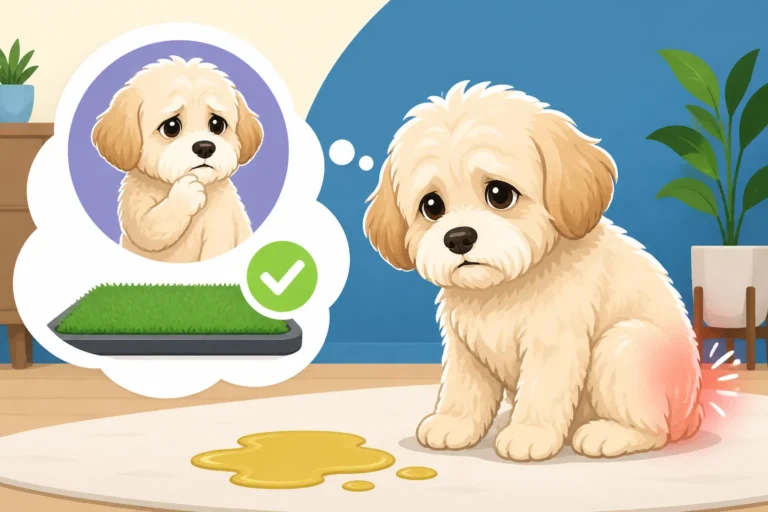
Whether Pads Slow a Maltipoo Down
One of the most common dilemmas Maltipoo owners face, especially when bringing home a tiny puppy, is how to approach housetraining. Many of us start with good intentions, using potty pads indoors for convenience, only to find ourselves wondering if we're actually making the process harder in the long run. It's a frustrating tightrope walk between practicality and effective training, and this guide is here to shed light on whether those pads are truly slowing your Maltipoo down and what you can do about it.
The Potty Pad Paradox: A Double-Edged Sword for Maltipoo Owners
Potty pads, often marketed as a simple solution for puppy training, can feel like a godsend for new Maltipoo parents. You bring home this tiny, adorable fluffball, and the thought of rushing them outside every thirty minutes, especially if you live in an apartment or face inclement weather, can be overwhelming. Yet, as the weeks turn into months, many owners find their Maltipoo is still relying heavily on those pads, and the dream of a fully outdoor-trained dog feels further away than ever. This isn't your fault; it's a common challenge inherent in the conflicting messages pads send.
The Appeal of Indoor Potty Solutions
Let's be real: Maltipoos are small dogs, and their bladders are even smaller. A young Maltipoo puppy, especially one at The Weight at Which a Maltipoo Puppy Is at Risk, might need to go potty every hour or two. If you live on the fifth floor of an apartment building, or if it's pouring rain, snowing, or scorching hot outside, the idea of quickly popping them onto a pad indoors is incredibly appealing. It offers convenience, protects your floors, and seems like a humane way to manage their frequent needs without exposing them to harsh elements or a lengthy trek.
Many owners also appreciate the safety aspect. A tiny Maltipoo outside in a busy urban environment, or even just a large suburban yard, can feel vulnerable. Pads offer a controlled, safe space for them to relieve themselves without risk. It feels like a logical first step, a way to build good habits inside before tackling the big, wide world. You're trying to do your best, and these products are designed to make you feel like you're succeeding.
The Core Problem: Conflicting Messages for Your Maltipoo
Here's where the paradox truly hits: while potty pads offer immediate solutions, they inadvertently create confusion for your Maltipoo. Dogs learn through association and consistency. When you encourage your puppy to eliminate on a pad inside your home, you are, in essence, teaching them that it is acceptable and even desirable to potty indoors. They don't understand that the pad is the designated spot, only that this type of surface in this indoor environment is where they go.
The moment you then try to transition them to going outside, you're asking them to unlearn that deeply ingrained habit and replace it with a new one. It's like teaching a child that it's okay to draw on a specific piece of paper, and then suddenly telling them they can only draw outside on the sidewalk. For a dog, especially a creature of habit like a Maltipoo, this shift can be incredibly disorienting and frustrating for everyone involved. The fundamental message becomes muddled: "Sometimes I go inside, sometimes I go outside, I guess?" This lack of clear, consistent instruction is precisely what can prolong the housetraining process.
How Potty Pads Can Indeed "Slow Down" Your Maltipoo's Training
It’s not just a feeling; there are very real, behavioral reasons why potty pads can hinder your Maltipoo’s progress toward being reliably housetrained outdoors. Understanding these mechanisms can help you adjust your strategy and provide clearer guidance for your furry friend.
Delaying Outdoor Association
The primary goal of housetraining is to teach your Maltipoo that the only acceptable place to relieve themselves is outside. This requires forming a strong, positive association between going outdoors, finding an appropriate spot (like grass or dirt), eliminating, and then receiving praise and rewards. When potty pads are consistently available indoors, this crucial association with the outdoor environment is severely delayed, if not entirely undermined.
Imagine a puppy who has spent weeks, or even months, using pads. Their brain has wired itself to recognize the soft, absorbent texture of the pad, perhaps even its specific scent, as the "right" place to go. Then, you take them outside. The grass feels different, the ground is cold or wet, there are new smells and sounds. It's an unfamiliar experience, and because they've never needed to go outside to relieve themselves, they might hold it in, feeling confused or even anxious. Many owners report taking their Maltipoo outside for twenty minutes, only for the dog to come back inside and immediately use the pad or have an accident on the carpet. This isn't defiance; it's a direct result of delaying that critical outdoor association. The indoor option has become the default, and shifting that paradigm takes considerable effort. Why Housetraining a Maltipoo Takes Longer Than You Expect is a complex topic, and potty pads can certainly contribute to the extended timeline.
Reinforcing Indoor Elimination
Every time your Maltipoo successfully uses a potty pad, you, directly or indirectly, reinforce the act of eliminating inside the house. You might offer praise, a treat, or simply the satisfaction of having avoided an accident on your floor. While this reinforcement feels positive in the moment, it solidifies the unwanted behavior from an outdoor training perspective. Your Maltipoo is learning that eliminating inside is a good thing, provided it's on the designated pad.
This creates a significant hurdle when you eventually decide to phase out the pads. You're essentially asking your dog to stop doing something they've been consistently rewarded for. It's far more challenging to unlearn an established behavior than it is to teach a new one from scratch. The longer your Maltipoo uses pads, the more entrenched this indoor elimination habit becomes, making the transition to outdoor-only pottying a battle against well-established neural pathways and positive associations your dog has formed. It's not that your Maltipoo is trying to be difficult, but rather that you've inadvertently taught them a rule that you now need to change.
The Comfort Zone Dilemma
Dogs, like people, often prefer the path of least resistance and what feels safe and familiar. For a small Maltipoo, the world outside can be a big, overwhelming place, especially if they haven't been properly socialized to it. The noise of traffic, the presence of other dogs or people, unfamiliar smells, or even just the feeling of wet grass can be intimidating. A potty pad, on the other hand, represents a predictable, safe, and easily accessible "bathroom" within the comfort and security of their home.
This "comfort zone" dilemma means your Maltipoo might actively resist going outside to potty, even when they physically need to go. They've learned that relief is readily available indoors, on that soft pad, without the perceived threats or discomforts of the outdoors. Overcoming this preference requires immense patience and consistent positive reinforcement. You have to make the outdoor experience so overwhelmingly positive and rewarding that it outweighs the established comfort and convenience of the indoor pad. Without intentional effort to make the outdoor experience superior, the pad remains the easy, preferred choice, significantly slowing down progress. This struggle is real for many Maltipoo that Refuses to Go Outside in the Wet.
When Potty Pads Can Be a Necessary (Temporary) Tool
Despite the potential drawbacks, there are certainly situations where potty pads aren't just convenient but are genuinely necessary. It's about understanding when to use them and having a clear plan for transitioning away from them when the time is right.
Tiny Puppies and Frequent Potty Breaks
Let's face it: a tiny Maltipoo puppy, especially one under 12 weeks old, has a bladder the size of a thimble. They need to pee constantly. Expecting them to hold it for long periods, or even to make it all the way outside every 30-60 minutes, is often unrealistic, especially during those critical first few weeks. For very small puppies, there's also the serious concern of hypoglycemia, or low blood sugar, which can be exacerbated by stress or skipping meals, which can sometimes happen if they are outside too long or get too cold. Why a Two Pound Maltipoo Cannot Skip a Meal is a real concern, and a prolonged potty trip in cold weather could become dangerous.
In these early stages, potty pads can serve as a vital management tool. They allow your puppy to relieve themselves frequently without constant outdoor excursions, reducing the risk of accidents and giving you a much-needed break. The key here is "management." You're not necessarily training them for life on pads, but rather using them to survive the initial puppy phase while simultaneously working on outdoor training as much as possible. Think of them as a stop-gap measure, not the end goal. A structured approach means knowing How Often a Maltipoo Puppy Needs Taking Out, and pads can ease the pressure.
Apartment Living and Accessibility Challenges
For many Maltipoo owners, apartment living presents unique housetraining hurdles. If you live on a high floor, getting your tiny puppy down multiple flights of stairs or waiting for an elevator every hour can be a logistical nightmare. This is even more challenging for owners with mobility issues or those who live in areas with extreme weather conditions – think scorching summers, freezing winters, or heavy rainstorms. Expecting a small, delicate Maltipoo to brave a blizzard for a potty break just isn't practical or humane.
In these scenarios, potty pads or alternative indoor grass systems (which we’ll discuss later) can be a sensible solution. They provide a safe, accessible indoor spot for your Maltipoo to relieve themselves, ensuring their comfort and well-being. The strategy here often shifts from strict outdoor-only training to a hybrid approach, where outdoor potty breaks are prioritized when feasible, but an indoor option is available for necessity. It acknowledges the realities of modern living and prioritizes the dog's comfort and the owner's practicality.
Illness, Injury, or Senior Maltipoos
Life happens, and sometimes your Maltipoo's health or age dictates a different approach to potty training. An injured Maltipoo recovering from surgery, an elderly dog with incontinence, or a dog suffering from a chronic illness might simply not be able to make it outside consistently or comfortably. For instance, if your Maltipoo is recovering from patella surgery, What a Surgeon Does to a Maltipoo's Kneecap, minimizing movement and avoiding stairs or uneven ground is critical for healing.
In such cases, potty pads offer a compassionate way to maintain hygiene and dignity for your dog. They allow your Maltipoo to relieve themselves without pain, discomfort, or the added stress of an outdoor trip. This isn't about training; it's about care and accommodation. For older Maltipoos, whether an old Maltipoo starts having accidents is a common concern, and pads can offer a solution that reduces stress for both dog and owner. They are a tool to enhance their quality of life during challenging periods, demonstrating empathy and adaptability as a responsible owner.
Strategies for Transitioning Your Maltipoo from Pads to Outdoor Pottying
So, you've used potty pads, and now you're ready to make the switch to outdoor-only pottying. It's not always easy, but with patience, consistency, and the right techniques, your Maltipoo can absolutely learn to go outside.
Gradual Pad Relocation and Outdoor Reinforcement
This is where the "slow down" aspect of pads can be leveraged into a gradual transition. The core idea is to move the potty pad, little by little, closer to the door your Maltipoo will use to go outside. Start by moving it a few inches each day, then a few feet. The goal is to make the outdoor location the only option.
Once the pad is near the door, place it just outside the door. If your Maltipoo uses it there, great! Lavish them with praise and high-value treats. Slowly, you can even begin to cut down the size of the pad, or replace it with a patch of real grass in a tray. The key is that you are actively encouraging them to associate the act of eliminating with being outside. Every time you take your Maltipoo out, make it a dedicated potty trip. Don't just let them wander. Go to a specific spot, wait patiently, and as soon as they go, celebrate like they've won the lottery. This immediate, enthusiastic reinforcement for outdoor elimination is crucial. Consistency in this process will help with Moving a Maltipoo From Pads to the Yard.
Strict Scheduling and Supervision
One of the most powerful tools in any housetraining endeavor is a rigid schedule. Maltipoos thrive on routine. Set predictable times for potty breaks: first thing in the morning, after every meal, after waking from a nap, after a play session, and right before bed. Stick to this schedule religiously, even on weekends. For a Maltipoo puppy, this might mean taking them out every 1-2 hours initially. Building a Toilet Schedule Around a Maltipoo's Bladder is fundamental.
When your Maltipoo is indoors, keep a close eye on them. If they start sniffing around, circling, or acting restless, immediately pick them up (if small enough) or leash them and take them outside to their designated potty spot. Use a consistent phrase like "Let's go potty!" every single time. If they go, reward them handsomely. If they don't, bring them back inside and try again in 10-15 minutes, keeping them closely supervised during the interim, perhaps even on a leash attached to you. This prevents accidents and teaches them that the opportunity to relieve themselves comes with going outside. Remember, What a Maltipoo Picks Up in Seven Days can be astounding with focused attention.
Cleaning Up Accidents Effectively
Accidents will happen, especially during a transition period. It's important not to get angry or punish your Maltipoo, as this can make them fearful of going potty in front of you, which will only make training harder. Instead, focus on cleaning up the accident thoroughly. Dogs are guided by scent, and if they can smell residual urine or feces, they are more likely to return to that spot to relieve themselves again.
Use an enzymatic cleaner designed to break down pet odors at a molecular level. Products available on platforms like Amazon often specify "enzymatic cleaner" on their labels. Simply wiping it up with regular household cleaners won't cut it. Spray the affected area liberally, let it sit according to the product's instructions, and then blot it dry. Removing all traces of scent is a vital step in preventing future indoor accidents and reinforcing that inside is not a toilet zone. This thorough cleaning is essential for Cleaning Up So a Maltipoo Does Not Return to the Spot.
Alternative Indoor Solutions and Training Aids
While traditional potty pads can pose challenges, there are other tools and methods that can either serve as a better bridge to outdoor training or simply manage the indoor potty situation more effectively for specific circumstances.
Grass Patch Systems
For apartment dwellers or those facing extreme weather, a grass patch system can be a fantastic alternative to traditional potty pads. These systems typically consist of a tray with a layer of real or artificial grass. The benefit of real grass is that it mimics the outdoor environment, helping your Maltipoo make the connection between grass and elimination. Artificial grass versions are easier to clean and maintain but might not provide the same sensory cue.
The advantage here is that you're still providing an indoor option, but one that feels more like an outdoor potty spot. It helps to differentiate this designated area from your carpet or other indoor surfaces. Your Maltipoo learns that this specific patch of grass is the place to go, rather than just any indoor surface. You can place these systems on a balcony, patio, or in a specific room, then gradually move them closer to your exit door over time, just like with potty pads, for a smoother transition to fully outdoor pottying.
Crate Training for Bladder Control
Crate training is one of the most effective tools for housetraining any dog, including a Maltipoo. Dogs naturally have a denning instinct and are generally reluctant to soil their sleeping area. By providing a properly sized crate – one where your Maltipoo can stand up, turn around, and lie down comfortably, but not large enough to use one end as a bathroom – you leverage this natural inclination.
When your Maltipoo is in their crate, they will typically try to hold their bladder and bowels. This helps them develop better bladder control over time. The routine involves taking them directly from their crate outside to their designated potty spot. If they go, they get praise and a treat, and then some supervised playtime. If they don't, back into the crate they go for a short period before trying again. This cycle teaches them that going outside is how they earn their freedom. It also prevents accidents indoors when you can't actively supervise them. For more on this, check out Whether Crate Training Speeds a Maltipoo Up.
Professional Guidance and Online Resources
Sometimes, despite your best efforts, housetraining can feel like an uphill battle. This is especially true if you've been struggling for a while or if your Maltipoo has developed strong indoor elimination habits. Don't be afraid to seek professional help! A certified professional dog trainer can assess your specific situation, identify any underlying issues, and develop a customized training plan tailored to your Maltipoo's needs and your lifestyle. They can also teach you effective communication techniques and provide invaluable support and encouragement.
There are also excellent online resources and programs available that offer structured guidance. For example, some platforms like BAXTER & Bella provide comprehensive online puppy training programs that cover housetraining extensively, offering step-by-step instructions and support. Utilizing such resources can provide the clear, consistent methodology that might be missing, helping you and your Maltipoo navigate the complexities of housetraining with greater success. A well-structured training program can make all the difference in achieving reliable outdoor potty habits.
Pros and Cons of Potty Pads for Maltipoos
To summarize the intricate relationship between Maltipoos and potty pads, here's a quick overview of the advantages and disadvantages. This can help you decide if and how to incorporate them into your training strategy.
| Feature | Pros | Cons |
|---|---|---|
| Convenience | Easy indoor option, especially for tiny puppies or busy owners. | Can delay outdoor training, leading to longer housetraining times. |
| Accessibility | Ideal for apartment dwellers, extreme weather, or owners with mobility issues. | Reinforces indoor elimination, making transition harder. |
| Hygiene | Protects floors from accidents, can contain messes. | Can lead to confusion if indoor/outdoor rules aren't clear. |
| Safety | Provides a safe potty spot away from outdoor hazards. | May foster a preference for indoor relief over outdoor exploration. |
| Early Stages | Useful for puppies with small bladders, prevents frequent outdoor trips. | Establishes a habit that's difficult to unlearn later. |
| Health Issues | Essential for ill, injured, or senior dogs with limited mobility. | Not a permanent solution for a healthy, fully mobile Maltipoo. |
In essence, while potty pads offer immediate relief and convenience, their long-term use can indeed slow down the process of teaching your Maltipoo to consistently relieve themselves outdoors. They create a "comfort zone" that can be hard to break, as the dog learns that indoor elimination is acceptable. The best approach often involves using them judiciously and temporarily, with a strong, consistent plan to transition to outdoor pottying as early as possible. Remember, consistency and clear communication are always your best tools in housetraining your clever little Maltipoo. How Long House Training a Maltipoo Actually Takes can vary widely, but setting clear boundaries from the start will always help.
Disclaimer
This article is for general informational purposes only and does not constitute professional advice. Laws, prices and regulations vary by location and change over time. Consult a qualified professional for guidance on your specific situation.