Whether a Maltipoo Scoots
It can be quite alarming, and honestly, a little gross, when you see your sweet Maltipoo dragging their bum across your nice clean carpet or the fresh green lawn. Many owners initially shrug it off, thinking it's just a quirky or funny thing their dog does, but this behavior, often called "scooting," is almost always a sign that something isn't quite right. This comprehensive guide will delve into why your Maltipoo might be scooting, what those symptoms mean, and how you can get to the bottom of the problem to bring your furry friend relief.
Understanding the Act of Scooting in Maltipoos
Scooting isn't just a random act; it's a dog's natural, albeit rather undignified, attempt to relieve irritation, itchiness, or discomfort in their anal area. Because Maltipoos are often a smaller breed, any minor issue in this sensitive region can feel magnified, leading to persistent scooting. It's their way of saying, "Hey, something's bothering me back here!"
What Scooting Actually Looks Like
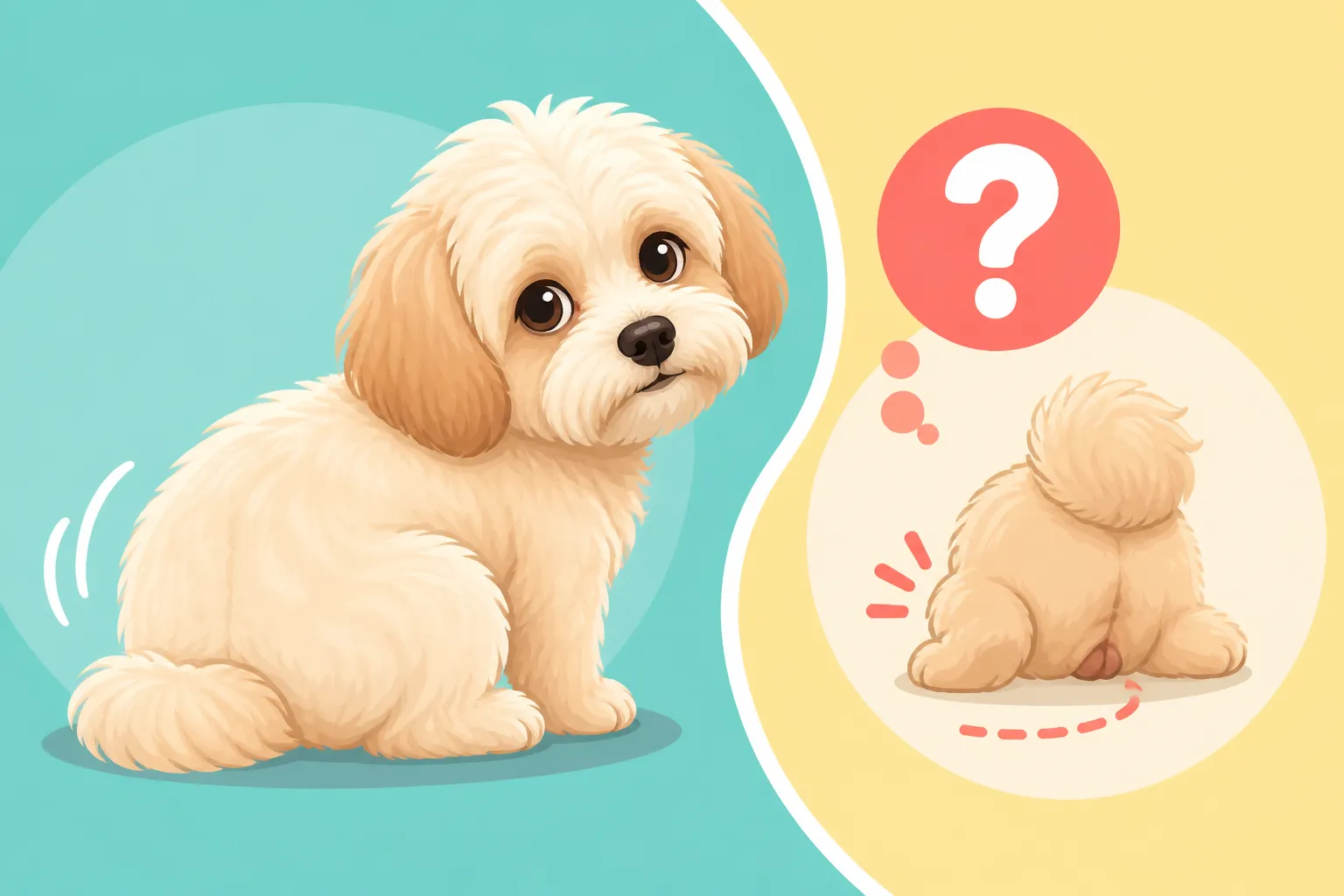
When we talk about scooting, we're picturing a very specific action. Your Maltipoo will typically sit down with their rear end on the ground and then use their front paws to drag themselves forward, pushing their hindquarters along the surface. They might lift their hind legs slightly, or keep them down, but the key is that their bottom is making direct contact with the ground as they move. This usually happens in short bursts, sometimes after they've just gone to the bathroom, or even randomly throughout the day when an itch or discomfort becomes too much to bear.
You might observe your Maltipoo scooting across various surfaces – the living room carpet, a kitchen rug, the grass in the backyard, or even rougher textures like concrete if they're particularly bothered. While it might look funny, it’s a clear signal that something needs attention. It’s also important to differentiate scooting from general butt-wiggling or rubbing, which is more common in playful dogs. Scooting is a deliberate, ground-contact dragging motion.
Why Scooting Is a Red Flag, Not Just a Funny Habit
As tempting as it might be to laugh it off or dismiss it as "just how my dog is," scooting is rarely a benign behavior. In fact, it almost always points to an underlying medical issue that needs to be addressed. Ignoring it won't make it go away, and in many cases, the problem can worsen, leading to more significant discomfort, pain, or even infection for your Maltipoo. Think of it this way: if you had a persistent itch or pain you couldn't reach, you'd try everything to get relief, and your Maltipoo is doing the same.
Persistent scooting can also damage the skin around their anus, leading to raw spots, inflammation, or secondary infections. The area can become inflamed, painful to touch, and even bleed if the scooting is severe or prolonged. This is particularly concerning for a small dog like a Maltipoo, where their delicate skin is more prone to irritation. Early detection and intervention are key to resolving the issue quickly and preventing further complications.
The Most Common Culprit Behind Maltipoo Scooting: Anal Glands
Without a doubt, the most frequent reason a Maltipoo starts scooting is related to issues with their anal glands. This is a topic many new pet owners might not be familiar with, but it's crucial for the health and comfort of small breeds like Maltipoos.
How Anal Glands Work or Don't Work
Every dog has two small anal glands (sometimes called anal sacs) located just inside their anus, around the 4 and 8 o’clock positions. These glands produce a strong-smelling, oily liquid that is naturally expressed when your dog has a bowel movement. This fluid serves as a unique scent marker, like a dog's personal calling card, for other dogs. Think of it as their signature smell, used to communicate and mark territory.
Ideally, when your Maltipoo passes firm stool, the pressure helps to naturally empty these glands. However, several factors can disrupt this process. If your Maltipoo has soft stools, diarrhea, or isn't having regular bowel movements, the glands might not get the necessary pressure to express properly. This can lead to the fluid building up, becoming impacted, or even infected. When these glands become full, inflamed, or blocked, they cause significant discomfort and pressure, prompting your Maltipoo to scoot in an attempt to relieve the pressure or itchiness.
Symptoms Beyond Just Scooting
While scooting is the most obvious sign of anal gland issues, it’s often accompanied by other symptoms that can help you confirm your suspicions. Keep an eye out for:
- Excessive licking or biting at the rear end: Your Maltipoo might be constantly grooming or gnawing at their backend, trying to get to the source of the irritation. This can sometimes lead to raw skin or hot spots.
- Strong, foul odor: The fluid from impacted or infected anal glands can have a very strong, unpleasant, fishy smell. You might notice this odor particularly after they scoot or if they've been licking the area.
- Difficulty defecating or pain when pooping: If the glands are very inflamed, it can be painful for your Maltipoo to pass stool, leading to straining or yelping during bowel movements.
- Redness or swelling around the anus: Visibly checking the area might reveal inflammation, redness, or even a small lump if the gland is significantly impacted or abscessed.
- Reluctance to sit: Due to the discomfort, your Maltipoo might avoid sitting down normally or seem restless when trying to get comfortable.
- Chasing their tail: In some cases, the intense irritation can cause them to spin around and chase their tail in frustration.
If you notice these signs in conjunction with scooting, anal gland problems are very likely the culprit. For more general health concerns, it's always good to be proactive. Consider regular check-ups that include monitoring conditions like The Forty Two Teeth Crowding a Maltipoo's Jaw or understanding Whether a Maltipoo Gets Bladder Stones.
What to Do When Anal Glands are the Problem
If you suspect anal gland issues, the first and most crucial step is to consult your veterinarian. Please resist the urge to try and express your Maltipoo's glands yourself based on online videos or advice. Improper expression can cause pain, trauma, and even rupture the glands, leading to more severe problems and infections. A professional vet or a certified groomer is trained to perform this procedure safely and effectively.
Your vet will examine your Maltipoo, confirm if the glands are full or impacted, and express them manually. If there's an infection or abscess, they might prescribe antibiotics, pain medication, or recommend warm compresses.
Beyond professional expression, there are long-term strategies to help prevent recurrence:
- Dietary Adjustments: Often, the root cause is soft stools. Discuss with your vet whether increasing fiber in your Maltipoo's diet could help. Adding a tablespoon of plain canned pumpkin (not pie filling), specific fiber supplements, or switching to a higher-fiber dog food can promote firmer stools, which naturally aids in gland expression.
- Regular Exercise: Consistent exercise helps maintain regular bowel movements and overall digestive health.
- Weight Management: An overweight Maltipoo can have more difficulty with natural anal gland expression. Ensuring your Maltipoo maintains a healthy weight is vital.
- Scheduled Expressions: For some Maltipoos, particularly those with chronic issues, regular manual expression by a vet or groomer might be necessary every 4-8 weeks.
Thinking about potential vet costs for these procedures, it's wise to consider options like pet insurance. Providers like Healthy Paws can offer coverage for unexpected issues like anal gland infections or other medical treatments.
Other Reasons Your Maltipoo Might Be Scooting
While anal gland problems are the leading cause, it's important to remember they're not the only reason your Maltipoo might be scooting. A good vet will always consider the full picture.
Intestinal Parasites and Worms
Oh, the dreaded worms! It's an unpleasant thought, but intestinal parasites are a common cause of anal itching and irritation in dogs, including Maltipoos. Worms like tapeworms or roundworms can cause intense itching around the anus, especially as segments of tapeworms might be visible, resembling tiny grains of rice. These segments can wriggle out, leading to significant discomfort.
If your Maltipoo has worms, they might also exhibit other symptoms such as:
- Changes in appetite (increased or decreased)
- Weight loss despite eating normally
- Dull coat
- Pot-bellied appearance (especially in puppies)
- Vomiting or diarrhea
- Visible worms or worm segments in their stool or around their anus
Regular deworming, especially for puppies or dogs with a history of exposure, is crucial. Your vet can perform a fecal test to identify the specific type of parasite and prescribe the appropriate deworming medication. Maintaining good hygiene and prompt disposal of waste can also help prevent reinfection.
Allergies and Skin Irritation
Just like people, Maltipoos can suffer from allergies that manifest as itchy skin, and the area around their rear end is no exception. Environmental allergens (like pollen, dust mites, or mold) or food allergies can cause widespread itching, leading your Maltipoo to seek relief by scooting. If the scooting is part of a larger pattern of scratching, licking, or chewing other parts of their body, allergies might be at play.
Symptoms of allergies can include:
- Red, inflamed skin anywhere on the body, not just the rear
- Constant licking, chewing, or scratching
- Ear infections or yeasty smell from the ears (a common allergy symptom in dogs)
- Hair loss or thinning coat in affected areas
- Hot spots (raw, weeping lesions)
- Tear staining (sometimes a sign of food sensitivities, especially in light-colored Maltipoos)
Addressing allergies often involves identifying and avoiding the allergen, if possible. This might mean dietary changes for food allergies or environmental controls for environmental sensitivities. Your vet might also prescribe antihistamines, steroids, or specialized shampoos to manage the symptoms. Diving deeper into such issues, you might find our guide on Allergies Behind a Maltipoo's Itching particularly helpful.
Matted Fur or Fecal Matter
Maltipoos have beautiful, often curly or wavy, non-shedding coats that require consistent grooming. However, this dense fur can easily become matted, especially around their rear end. If not regularly brushed and trimmed, fecal matter can get caught in the fur around the anus, creating a sticky, irritating mess. This can be incredibly uncomfortable, pulling at the skin and causing an intense urge to scratch or scoot.
This issue is entirely preventable with proper grooming. Regular bathing, thorough brushing down to the skin, and timely trims around the sanitary area are essential. You might even need to schedule a The Two Week Face Trim a Maltipoo Needs and other body trims more frequently than you'd expect to keep them clean and mat-free. If you're tackling mats, be extremely gentle or seek professional help, as the skin underneath can be very sensitive. Sometimes, if the matting is severe, a trip to the groomer for a "sanitary trim" or even a full shave-down might be necessary to provide immediate relief and prevent future discomfort.
Urinary Tract Infections (UTIs)
While less common as a direct cause of scooting, a urinary tract infection (UTI) can sometimes lead to general discomfort in the pelvic area, which a dog might try to relieve by scooting. UTIs cause inflammation and irritation in the bladder and urethra.
Signs of a UTI in your Maltipoo could include:
- Frequent urination, often passing only small amounts
- Straining or pain during urination
- Urinating in inappropriate places
- Licking at the urinary opening excessively
- Bloody or cloudy urine
- Strong odor to the urine
If you suspect a UTI, a vet visit is imperative. They will typically collect a urine sample for analysis and prescribe antibiotics if a bacterial infection is detected. Ignoring a UTI can lead to more serious kidney infections, so prompt treatment is key.
Behavioral Causes and Anxiety
In rare cases, scooting might have a behavioral component, especially if all medical causes have been ruled out. Dogs, like people, can develop compulsive behaviors when stressed or anxious. If your Maltipoo is exhibiting other signs of anxiety – like excessive licking, pacing, destructive behavior, or changes in appetite – and no physical reason for scooting can be found, it might be worth exploring behavioral avenues with your vet or a certified dog behaviorist. However, always ensure a thorough medical workup is done first, as behavioral scooting is truly an exception, not the rule.
When to Call the Vet for Maltipoo Scooting
Knowing when to transition from at-home observation and potential solutions to a professional veterinary visit is crucial for your Maltipoo's well-being. Don't hesitate if you're unsure; a quick phone call to your vet clinic can often put your mind at ease.
Signs Your Maltipoo Needs Professional Help
While a single instance of scooting might not warrant an emergency trip, certain signs indicate that your Maltipoo definitely needs to see a vet without delay:
- Persistent or Frequent Scooting: If your Maltipoo is scooting multiple times a day, every day, for more than a couple of days, it's time to get it checked out. Chronic irritation needs professional attention.
- Pain or Discomfort: If your Maltipoo cries out, yelps, flinches, or shows aggression when you try to examine their rear end, they are in pain. This could indicate an infection, abscess, or severe impaction.
- Visible Swelling, Redness, or Discharge: Any obvious signs of inflammation, pus, or bleeding around the anus are serious and require immediate veterinary care. An untreated anal gland abscess can rupture, leading to a much more complicated and painful situation.
- Foul Odor: A strong, fishy, or putrid smell coming from the rear end, especially after scooting or licking, points to an infected or impacted anal gland.
- Lethargy or Loss of Appetite: If your Maltipoo is not acting like themselves, seems tired, isn't eating, or has a fever, the underlying cause of their scooting might be making them generally unwell.
- Blood in Stool or Urine: This is a clear indicator of a more serious issue that needs prompt veterinary diagnosis and treatment.
- Difficulty Defecating: If your Maltipoo is straining excessively to poop or seems constipated, especially with scooting, it could be related to severe anal gland discomfort.
Even if you're not seeing these severe symptoms, but the scooting simply isn't resolving with basic at-home attention (like ensuring good grooming and consistent bowel movements), a vet visit is still the best course of action. It's always better to be safe than sorry, and getting to the bottom of the issue quickly will save your Maltipoo from prolonged discomfort. This ties into the importance of regular care, such as knowing How Often a Maltipoo Needs a Dental, which can often reveal other underlying health issues.
Preparing for Your Vet Visit
To make your vet visit as productive as possible, gather some information beforehand:
- When did the scooting start? Note the date you first observed the behavior.
- How often does it happen? Is it once a day, several times, or seemingly constant?
- What surfaces do they scoot on? Carpet, grass, hard floors?
- Are there other symptoms? Licking, biting, changes in stool, appetite, energy levels, unusual odors, or visible abnormalities.
- What is your Maltipoo's current diet? Include brand, type of food, and any treats.
- When was their last deworming? If you keep records, bring them.
- Recent changes: Have there been any recent changes in their environment, diet, or routine that might be causing stress or allergies?
This information will help your vet narrow down the possibilities and get to a diagnosis more quickly. Remember, your vet is your best partner in ensuring your Maltipoo lives a long, healthy, and comfortable life. They can provide targeted advice and treatment plans, ensuring your beloved pet gets the care they need. Companies like Healthy Paws can assist with the financial aspects of these vet visits, helping you focus on your Maltipoo's recovery.
Here's a quick reference table to help you understand potential causes and what steps to take:
| Symptom / Behavior | Potential Causes | What to Look For | Recommended Action |
|---|---|---|---|
| Scooting | Anal Gland Issues | Licking, strong odor, redness, straining to poop | Vet visit for expression, dietary fiber, consider pet insurance like Healthy Paws for costs. |
| Scooting & visible worms | Intestinal Parasites | Rice-like segments, pot-belly, dull coat, vomiting | Vet visit for fecal test and deworming. |
| Scooting & general itchiness | Allergies | Red skin, excessive licking/scratching elsewhere, ear infections | Vet visit for diagnosis (food vs. environmental), medication, diet change. Refer to Allergies Behind a Maltipoo's Itching. |
| Scooting & dirty rear | Matted Fur / Fecal Matter | Feces stuck in fur, visible mats around the anus | Professional grooming, sanitary trim, regular brushing. |
| Scooting & frequent urination | Urinary Tract Infection (UTI) | Straining, inappropriate urination, bloody/cloudy urine | Vet visit for urine test and antibiotics. Consult Whether a Maltipoo Gets Bladder Stones. |
| Scooting & anxiety | Behavioral / Anxiety | Pacing, destructive behavior, no other physical symptoms | Vet rules out medical causes, then consider behaviorist. |
Disclaimer
The information provided in this article is for general informational purposes only and is not a substitute for professional veterinary advice. Always consult with a qualified veterinarian for any health concerns or before making any decisions related to your Maltipoo's care.