Whether Cold Weather Sets a Maltipoo Back
Many Maltipoo owners find themselves scratching their heads when the temperatures drop. Your sweet, typically cooperative little companion might suddenly seem to forget all their housetraining, or simply refuse to step foot outside when it’s chilly. This guide will explore exactly why cold weather can feel like a major setback for your Maltipoo's training, particularly when it comes to potty habits, and provide realistic strategies to navigate the colder months successfully.
Understanding Your Maltipoo's Vulnerability to Cold
It’s easy to look at a Maltipoo with their fluffy coat and assume they're naturally equipped to handle a bit of a chill. But beneath that adorable fluff, these little dogs are far more sensitive to cold than many larger, sturdier breeds. Their small size and unique physical characteristics mean they lose body heat rapidly, making even mildly cool weather feel genuinely uncomfortable, if not downright painful, for them.
Why Maltipoos Get Colder Than You Think
First, consider their size. A Maltipoo typically weighs anywhere from two to twenty pounds, with many falling into the toy or teacup categories, meaning they are very small dogs. Their small body mass means there's less tissue and fat to insulate them against the cold, and a much larger surface area to volume ratio compared to a bigger dog. This physical reality makes them less efficient at regulating their body temperature. Imagine trying to stay warm when you're tiny, and every gust of wind feels like a gale force. For a Maltipoo, that's often their reality outdoors when the mercury drops. You might be surprised to learn how quickly they can start to shiver, even indoors, if there's a draft or the heating isn't quite up to scratch. Whether a Maltipoo shivers indoors is a common concern among owners for this very reason.
Furthermore, while their fluffy coats look warm, the type of coat can vary. Some Maltipoos inherit more of the Maltese's single layer coat, which isn't designed for extreme cold, while others get a thicker, curlier Poodle-like coat. Even with a dense coat, if it gets wet, it loses its insulating properties quickly, making the dog even colder. Their short legs also mean their bellies are closer to the cold ground, picking up cold, dampness, and even road salt directly. This combination of factors makes them highly susceptible to feeling the cold intensely, far more than their size and fluff might lead you to believe. It's a fundamental biological reality: Why a Small Maltipoo Loses Heat Fast is something every Maltipoo owner needs to understand and prepare for.
Recognizing the Signs of a Cold Maltipoo
Your Maltipoo can't tell you in words that they're cold, but they certainly communicate it through their behavior. The most obvious sign is shivering or trembling, which can start even at temperatures that feel comfortable to you. They might huddle close to you, burrow under blankets, or seek out warm spots in the house, like sunbeams or next to a heat vent. When outside, they might lift their paws, hold them up, or even refuse to walk, desperately trying to minimize contact with the cold ground.
Beyond these physical cues, you might notice behavioral changes specifically related to outdoor activities. A cold Maltipoo might become unusually resistant to going out for a potty break, even if it's their usual time. They might dash out, quickly do their business (or try to), and then bolt back inside as fast as possible, often cutting short their usual sniffing and exploring time. If they do go out, they might move slowly, stiffly, or seem generally miserable. Their ears might feel cold to the touch, and their movements might be less enthusiastic than usual. These aren't signs of disobedience; they're clear indicators that your little one is genuinely uncomfortable and trying to tell you, "I'm freezing, please let's go back inside!"
The Impact of Cold Weather on Housetraining Progress
This innate sensitivity to cold weather can have a profoundly frustrating effect on housetraining, often leading owners to believe their Maltipoo is purposefully being difficult. In reality, their reluctance to brave the elements is usually a direct, instinctual response to discomfort, not defiance. It's a common scenario that can feel like a significant step backward in their training journey.
Reluctance to Go Outside
One of the most common ways cold weather impacts housetraining is the sheer reluctance your Maltipoo develops towards going outdoors. Picture this: you've established a consistent potty schedule, your Maltipoo is doing wonderfully, and then winter hits. You open the door, and instead of eagerly trotting out, your little one might put on the brakes, maybe even back away, give you a pleading look, or try to hide. This isn't them being stubborn for the sake of it; they are legitimately uncomfortable with the cold. They associate the outdoor potty spot with unpleasant sensations—cold paws, damp fur, biting wind—and their instinct tells them to avoid it. For many Maltipoos, the idea of stepping onto wet grass or cold pavement is enough to make them decide it's simply not worth it.
This reluctance can be especially pronounced in areas with snow, ice, or heavy rain. A Maltipoo, with its delicate paws and low-slung body, experiences these conditions much more intensely than a larger dog. Walking through snow can be like wading through deep water for them, and icy patches can be truly frightening. It’s no wonder that a Maltipoo might become highly resistant to going out at all, especially if they haven't been properly acclimated or equipped for such conditions. A Maltipoo That Will Not Toilet in the Rain is a very similar situation; the aversion isn't about the act of toileting, but the unpleasant environment.
Regressions and Accidents Indoors
The natural consequence of this outdoor aversion is an increase in indoor accidents, which can feel like a significant regression in housetraining. Your Maltipoo, feeling the urgent need to relieve themselves but unwilling to face the cold outside, will seek the next best option: an indoor spot. This could be on a rug, in a less-trafficked corner, or even right in front of you if their need is great and their outdoor option seems too daunting. This isn't necessarily a sign that they've forgotten their training; it's a desperate measure born of discomfort and a lack of a readily available, comfortable alternative. It’s important not to punish them for these accidents, as that only teaches them to hide their elimination, making future training harder.
These regressions are particularly disheartening after you've put so much effort into consistent training. You might wonder if you ever truly housetrained them at all. However, it's crucial to remember that a change in environment often requires a temporary adjustment in training expectations and strategies. What worked perfectly in warm, sunny weather might not be effective when it's freezing outside. Understanding this can help you approach the situation with empathy and develop solutions rather than becoming frustrated. Many owners experience similar challenges, and sometimes it can feel like Why Housetraining a Maltipoo Takes Longer Than You Expect is a constant struggle, especially through seasonal changes.
Practical Strategies for Winter Training Success
Successfully navigating housetraining and outdoor activities with your Maltipoo during cold weather requires proactive planning and a good deal of empathy. The goal is to make the outdoor experience as comfortable and appealing as possible, or to provide suitable indoor alternatives that don't undermine their established training.
Creating a Cozy Outdoor Potty Zone
One of the most effective strategies is to create a more sheltered and comfortable outdoor potty area. If you have a backyard, consider a designated spot that is protected from wind and snow. This could be a small, covered area under an awning or a sturdy overhang. Some owners even invest in a small, pop-up tent or a covered dog run that provides a barrier against the elements. The key is to make this spot feel less exposed and more inviting.
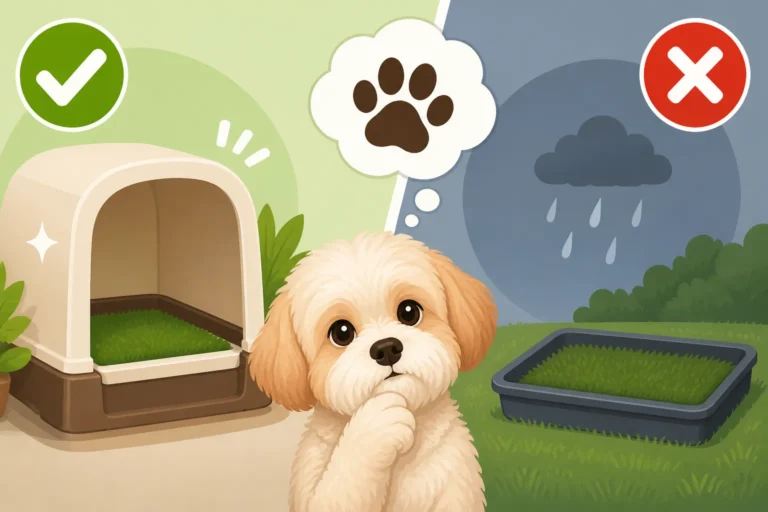
Another great tip is to keep the designated potty spot clear of snow. Shoveling a path and a small patch for them to use can make a huge difference. You can also lay down a patch of artificial turf or even straw over a portion of their potty area. This provides a softer, slightly warmer surface than cold, wet ground or snow. Just be sure to clean it regularly. Having a clear, dry space can significantly reduce their reluctance. For consistent training, try to take them to this specific spot every time, using the same command words. This consistency helps reinforce that this is still their "bathroom," even if the conditions are different. Whether a Covered Potty Spot Helps a Maltipoo is a question many owners ponder, and the answer is a resounding yes!
Indoor Alternatives and Enrichment
Despite your best efforts to make outside appealing, some days are just too harsh, especially for very small or elderly Maltipoos. Having a reliable indoor potty alternative is vital. Potty pads are a classic choice, but you need to introduce them carefully so your Maltipoo understands they are an alternative and not an excuse to relieve themselves anywhere inside. Place the pad in a consistent, out-of-the-way spot, perhaps in a playpen area or laundry room. If you've used pads before and transitioned away, you might need to reintroduce them temporarily, associating them with positive reinforcement.
You can also look into indoor grass patches, which can feel more natural to a dog than a simple pad. Brands available on Amazon offer various options, from synthetic turf to real grass subscription services. These can be particularly helpful for Maltipoos who prefer the feel of grass under their paws. When they use the indoor spot, praise them enthusiastically and give them a treat, just as you would for outdoor success. The key is to manage expectations and provide consistent guidance. Don’t let them roam freely when using indoor options, supervising them to ensure they use the correct spot. This is especially true for young puppies, where How Often a Maltipoo Puppy Needs Taking Out is paramount, regardless of weather.
For those extremely cold days, don't forget the importance of indoor enrichment. Just because they can't have a long outdoor walk doesn't mean their minds and bodies don't need stimulation. Puzzle toys, interactive games, and short indoor training sessions can burn energy and keep them mentally engaged. You can use this time to teach new tricks or reinforce commands. A bored Maltipoo is more likely to get into mischief or become anxious, which can exacerbate any housetraining challenges. This is also where resources from companies like BAXTER & Bella can come in handy, offering structured online training programs with ideas for indoor activities that keep your Maltipoo sharp and happy, even when it's too cold to venture out for extended periods.
Gear and Grooming for Cold Weather
Equipping your Maltipoo with appropriate cold-weather gear is non-negotiable. A warm dog coat or sweater is essential for any outdoor excursions. Look for options that cover their belly to protect them from cold and wet ground contact. Many options are readily available on Amazon, with various styles and materials suitable for different levels of cold. Remember, Whether a Maltipoo Needs a Coat Outdoors is not just about fashion; it's about essential protection.
| Item Type | Purpose | Key Features for Maltipoos | When to Use |
|---|---|---|---|
| Dog Coat | Full body warmth, wind/water protection | Waterproof/resistant exterior, fleece lining, belly coverage, reflective strips | Below 45°F (7°C), windy, rainy, snowy days |
| Sweater | Light to moderate warmth, indoor comfort | Soft, breathable fabric, snug fit, non-restrictive | Indoors if chilly, mild outdoor temps (above 45°F) |
| Booties | Paw protection from cold, ice, salt | Flexible sole, adjustable straps, good grip, waterproof | Ice, snow, road salt, very cold pavement |
| Harness | Safe leash attachment, avoids trachea strain | Padded, comfortable fit, front-clip option | Always, to avoid stress on their delicate neck Why a Maltipoo Should Never Wear a Collar |
Paw protection is equally important. Dog booties can protect their sensitive paw pads from extreme cold, ice, and harsh chemicals like road salt. If booties aren't an option, consider using a paw balm or wax (like Musher's Secret) before and after walks to create a protective barrier and moisturize their pads. After any outdoor trip, especially in snow or ice, it's crucial to thoroughly wipe their paws to remove any ice, snow, or salt that could irritate or harm them. Washing Road Salt Off a Maltipoo's Feet is a small but important step to prevent serious paw issues.
Lastly, proper grooming can play a role. While a longer coat offers some insulation, it can also get matted, wet, and hold snowballs between their toes. During colder months, you might opt for a slightly longer cut than a very short summer trim, but ensure it's still manageable and free of mats. Pay special attention to the hair between their paw pads, keeping it trimmed short to prevent ice balls from forming and causing discomfort. A well-groomed coat, even if longer, is more effective at insulating than a matted one.
By understanding your Maltipoo's unique vulnerabilities and implementing these practical strategies, you can minimize setbacks and ensure that housetraining and daily routines remain positive experiences, even when the weather outside is frightful.
Disclaimer
This article is for general informational purposes only and does not constitute professional advice. Laws, prices and regulations vary by location and change over time. Consult a qualified professional for guidance on your specific situation.