Cleaning Up So a Maltipoo Does Not Return to the Spot
It's incredibly frustrating when you feel like you've thoroughly cleaned up a "spot" your Maltipoo had an accident on, only to find them returning to that exact same place for their next potty break. You scrub, you spray, and you think it's gone, but your little companion seems to have an uncanny ability to sniff out their old haunts. This guide is here to walk you through exactly why this happens and, more importantly, how to completely eliminate the scent and break that frustrating cycle for good, so your Maltipoo can learn to do their business where they're supposed to.
Understanding Why Your Maltipoo Returns to the "Scene of the Crime"
You’ve probably asked yourself a hundred times, "Why that spot again?" It feels personal, almost like they're doing it on purpose to test your patience. But the truth is, your Maltipoo isn't being spiteful. They're simply responding to powerful instincts and cues that, while invisible to you, are screaming loud and clear to them. Understanding these root causes is the first step to truly tackling the problem.
The Olfactory Anchor: Why Their Nose Knows
This is probably the biggest reason your Maltipoo keeps going back to the same indoor spot. Dogs possess an incredibly powerful sense of smell, far superior to ours. What might smell "clean" to your human nose, even after a rigorous scrubbing, still holds a microscopic residue of urine or feces scent for your dog. Think of it like a giant, neon "restroom here" sign flashing brightly just for them.
Even the most common household cleaners, while effective at removing visible stains and providing a pleasant human-friendly aroma, often only mask or dilute the biological markers. They don't actually break down the uric acid crystals in urine, for instance, which are the real culprits for lingering odors. For your Maltipoo, that faint, almost undetectable scent serves as a powerful reminder of where they’ve relieved themselves before, triggering an instinctual desire to go there again. It's an ingrained behavior: if they've soiled a spot and found it to be a satisfactory place to go, they'll likely revisit it. This is particularly true for puppies still solidifying their housetraining habits, but it can persist into adulthood if not properly addressed.
Anxiety, Stress, and Submissive Urination Factors
While scent is a huge driver, sometimes repeat accidents in the same spot are rooted in emotional or behavioral issues rather than just residual odor. Maltipoos, despite their small size, can be quite sensitive creatures. Whether a Maltipoo Is Too Soft for Correction often comes into play here, as harsh training methods can actually worsen anxiety. Stress, anxiety, or even over-excitement can lead to what's known as "inappropriate urination" or defecation, and if one particular spot has been used during a stressful episode, it can become associated with that feeling.
For instance, if your Maltipoo is prone to separation anxiety, they might have accidents in the same spot near the door or window when you leave, not just because of lingering scent, but because that's where their anxiety manifests. Similarly, submissive urination, often seen in puppies or shy Maltipoos, can occur when they feel intimidated or overly excited, sometimes in the same "safe" corner. Whether a Maltipoo Submissively Urinates is a common concern for owners. If your Maltipoo is exhibiting behaviors like trembling, hiding, excessive licking, or changes in appetite along with repeat accidents, it's crucial to consider the emotional component. These aren't intentional acts of defiance; they are often distress signals that need a compassionate and understanding response, alongside impeccable cleaning.
The Essential Toolkit for Eradicating Odor and Stains
To truly break the cycle of repeat accidents, you need to go beyond surface cleaning. This means having the right tools in your arsenal, specifically designed to tackle pet waste at a molecular level. Forget the generic spray cleaners for a moment; we're talking about specialized products that neutralize, rather than just mask, the offending odors that draw your Maltipoo back to the same spot.
Enzymatic Cleaners: Your Best Defense
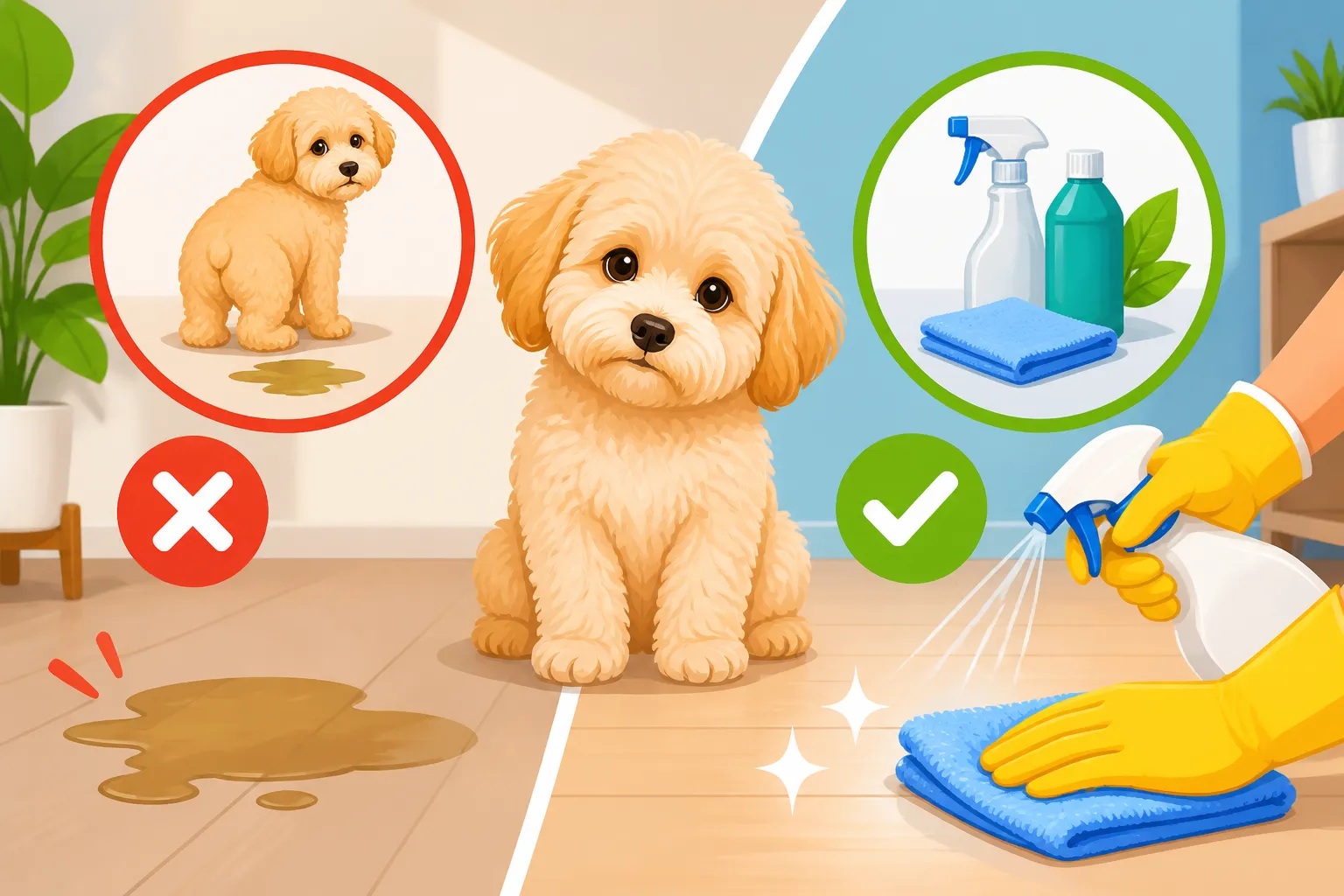
When it comes to pet accidents, enzymatic cleaners are your absolute superpower. These aren't just fancy sprays; they contain beneficial bacteria and enzymes that literally "eat" the organic matter in urine, feces, and vomit. This process breaks down the odor-causing molecules and uric acid crystals that typical household cleaners leave behind. Without these enzymes, the scent remains locked into the fibers of your carpet or the grout of your tile, acting as that irresistible beacon for your Maltipoo.
When you use an enzymatic cleaner, the key is to be generous and patient. You need to saturate the soiled area, often going beyond what you can see, because urine can spread outward and downward. Then, you let the product dwell for the recommended time – sometimes 10-15 minutes, sometimes longer – to allow those enzymes to do their work. Blot, don't scrub, the excess, and allow the area to air dry completely. Many fantastic enzymatic cleaners are readily available from online retailers like Amazon, making them easy to stock up on. Always spot-test in an inconspicuous area first, especially on delicate carpets or fabrics, to ensure colorfastness. This thorough process ensures that what smells clean to you also registers as truly clean and unsoiled to your Maltipoo’s incredibly sensitive nose.
The Power of UV Blacklights and Odor Neutralizers
Sometimes, you know your Maltipoo had an accident somewhere, but you just can't pinpoint the exact spot, or you might have cleaned an area only for the odor to persist subtly. This is where a UV blacklight, also known as a "pet urine detector," becomes an invaluable tool. In a darkened room, a good quality UV light will make urine stains glow, even those that are old, dried, and invisible to the naked eye. This allows you to precisely target every single area that needs enzymatic treatment, ensuring no hidden "scent flags" are left behind. You can find excellent, affordable blacklights on Amazon.
Beyond enzymatic cleaners, specific odor neutralizers can also play a role, though it's important to understand their difference. While enzymatic cleaners destroy the odor source, some odor neutralizers work by absorbing or chemically altering the odor molecules. They can be helpful for general room freshening or for tackling very faint, ambient smells after the primary enzymatic treatment. However, they should never be used instead of an enzymatic cleaner for direct accident spots. Use them as a supplemental tool, perhaps sprayed lightly over an area after it has been fully cleaned and dried with an enzymatic solution. For persistent, deep-set odors, you might even consider specialized odor neutralizer products designed for carpet padding or subflooring if the issue is severe and long-standing.
Deep Cleaning Methods for Different Surfaces
The type of surface your Maltipoo has soiled will dictate the best deep cleaning approach. Ignoring surface specifics can lead to permanent damage or ineffective odor removal.
- Carpets: For carpet, after blotting up as much liquid as possible and applying an enzymatic cleaner, you might need more. If the problem is recurrent and the pad underneath is likely saturated, renting a carpet cleaner or hiring a professional service is often the best route. Many carpet cleaning solutions are pet-safe and work to further break down embedded odors. Be cautious with steam cleaners on fresh urine; the heat can actually set the proteins and make the smell harder to remove. Always opt for cold or lukewarm water when possible for initial cleaning.
- Hardwood and Laminate: These surfaces can be tricky because urine can seep into seams, cracks, or even under the finish. For surface accidents, clean immediately with an enzymatic cleaner, ensuring you don't leave excess liquid to soak. For older stains that have penetrated, you might need to consult a flooring specialist. In some cases, the only way to truly remove the odor is to sand and refinish the affected area, or even replace damaged planks. Ensure your hardwood floors are properly sealed to prevent deep penetration in the first place.
- Tile and Grout: While tile itself is non-porous, grout lines are highly absorbent and can trap urine odors. Use an enzymatic cleaner and a scrub brush to work it into the grout. For very stubborn cases, a steam cleaner can help open the pores of the grout to allow the enzymatic solution to penetrate more deeply, followed by a thorough cleaning. Once clean, consider having your grout sealed to make future accidents easier to clean.
- Upholstery: Sofas, chairs, and even dog beds can become favorite accident spots. Always test any cleaner on an inconspicuous area first. Blot, apply enzymatic cleaner, and allow it to dwell. For washable covers, pre-treat with enzymatic cleaner before laundering. For non-washable items, repeated enzymatic application and thorough air drying are essential. Sometimes, for heavily soiled items, professional upholstery cleaning or replacement might be necessary.
Implementing a Strategy to Break the Habit
Cleaning alone, while critical, isn't always enough. You need to combine superior cleaning with smart behavioral strategies to truly prevent your Maltipoo from returning to those tempting spots. This involves meticulous protocols after an accident, reinforcing good habits, and creating clear boundaries.
Thorough Cleaning Protocols After Every Accident
Consistency is paramount when it comes to cleaning up pet accidents. Every single time your Maltipoo has an accident indoors, you need to follow a strict protocol to ensure no trace is left behind.
- Act Immediately: The sooner you get to the mess, the better. Fresh urine and feces are easier to remove and haven't had time to soak deeply into surfaces.
- Blot, Don't Rub: For liquid accidents, place several layers of paper towels or an old cloth over the wet spot and press firmly to absorb as much as possible. Repeat until no more liquid comes up. Rubbing can spread the stain and push the urine deeper into carpet fibers. For solid waste, remove it carefully with a paper towel, then proceed to blot any residue.
- Apply Enzymatic Cleaner: Liberally spray or pour your chosen enzymatic cleaner over the entire soiled area. Extend the application beyond the visible edges of the stain, as urine often spreads wider than you think. Follow the product's instructions for dwell time – this is crucial for the enzymes to work their magic.
- Allow to Air Dry: After the dwell time, gently blot any remaining liquid. Do not rinse the area unless specifically instructed by the product. Allow the spot to air dry completely. This can take several hours, or even a day, depending on the humidity and the saturation level. During this drying period, it’s a good idea to prevent your Maltipoo from accessing the area, perhaps by placing a laundry basket or a piece of furniture over it.
- Re-check with a UV Light (Optional but Recommended): Once the area is dry, a quick check with a UV blacklight can confirm that all traces of the urine have been neutralized. If you see glowing spots, repeat the enzymatic cleaning process.
By diligently following this protocol every time, you systematically remove the olfactory cues that encourage repeat accidents, making it less likely your Maltipoo will be drawn back to that specific indoor spot.
Re-establishing a Solid Potty Schedule and Routine
A consistent and predictable potty schedule is the bedrock of successful housetraining for any dog, especially a small breed like a Maltipoo. Their bladders are tiny, so they simply cannot hold it as long as a larger dog. If your Maltipoo is repeatedly having accidents, it's a good time to revisit and tighten up their potty schedule. Building a Toilet Schedule Around a Maltipoo's Bladder is essential.
Take your Maltipoo out frequently: first thing in the morning, after every meal, after waking from a nap, after playtime, and right before bed. For puppies, this might mean every 1-2 hours. For adult Maltipoos, it could be every 3-4 hours, with adequate access during the day. Don't assume they'll let you know; proactively take them out. Always go to the same designated potty spot outside, and reward them immediately with praise, a small treat, and maybe some quiet affection when they relieve themselves. This positive reinforcement helps them associate outdoor elimination with good things. Platforms like BAXTER & Bella offer excellent structured online training programs that can help you establish these routines, making housetraining clearer for both you and your Maltipoo. Also consider practicalities like The Maltipoo That Refuses to Go Outside in the Wet – sometimes a covered outdoor area or a doggy umbrella can make a huge difference in consistency.
Creating a "No-Go Zone" for the Problem Area
While you're working on thorough cleaning and refining the potty schedule, it's crucial to make the formerly problematic spots completely inaccessible or undesirable to your Maltipoo. This is a temporary measure designed to break the psychological habit of returning to that location.
- Physical Barriers: Use baby gates, exercise pens, or even strategically placed furniture to block off the area entirely. If the spot is a rug, roll it up and put it away for a few weeks. If it's a piece of furniture, cover it with a plastic sheet or put it in a room your Maltipoo can't access.
- Deterrents: Make the spot unpleasant. You can try placing an upside-down carpet protector mat (the kind with nubs) on the spot. Dogs dislike walking on these. Aluminum foil, crinkled up, can also be a deterrent due to the noise and texture. Some people use double-sided sticky tape on hard surfaces to make them unappealing. Commercial pet deterrent sprays, which have a scent unpleasant to dogs but not usually to humans, are also an option, though their effectiveness varies.
- Change the Association: For a few weeks, try placing their food bowl, a favorite toy, or even their bed on the previously soiled spot (after it's been enzymatically cleaned, of course!). Dogs are usually reluctant to soil areas where they eat or sleep. This can help reframe the area in their mind from a "toilet" to a "living space." This strategy, combined with strict potty breaks and positive reinforcement, helps to permanently reprogram your Maltipoo's habits around that specific location.
Addressing Underlying Issues and Preventing Future Relapses
Sometimes, even with the best cleaning and training strategies, a Maltipoo might continue to have accidents. When this happens, it's vital to look beyond surface-level solutions and consider potential underlying health or deeper behavioral issues. This comprehensive approach is key to long-term success and your Maltipoo's overall well-being.
Rule Out Medical Conditions with Your Vet
A sudden change in housetraining habits, or persistent accidents despite consistent training, should always prompt a visit to your veterinarian. There are numerous medical conditions that can cause a dog to lose bladder or bowel control, and your Maltipoo won't be able to tell you they're feeling unwell.
Common culprits include urinary tract infections (UTIs), bladder stones, or even kidney issues. Whether a Urinary Infection Explains a Maltipoo's Accidents is a question many owners face. Diabetes can lead to increased thirst and urination, making accidents more likely. In older Maltipoos, cognitive dysfunction (similar to canine dementia) can cause a breakdown in previously learned behaviors, including housetraining. Hormonal imbalances, especially in spayed females, can sometimes lead to incontinence. Your vet can perform a physical exam, urinalysis, blood work, and possibly other diagnostic tests to rule out or identify any medical reasons for the accidents. Addressing these health issues is often the quickest way to resolve the housetraining problem.
Stress, Anxiety, and Behavioral Intervention
If medical issues have been ruled out, then behavioral or psychological factors are the next area to explore. Small dogs, including Maltipoos, can be surprisingly prone to anxiety, and this stress can manifest as house soiling.
Consider recent changes in your household: a new pet, a new baby, a change in your work schedule, or even moving to a new home like when A House Move Undoes a Maltipoo's Training. Loud noises, separation anxiety (your Maltipoo might have accidents when left alone), or fear-based responses can all contribute. If you suspect anxiety is at play, it's often beneficial to seek guidance from a certified professional dog trainer or a veterinary behaviorist. These experts can help identify the triggers for your Maltipoo's anxiety and develop a tailored behavior modification plan. This might involve counter-conditioning, desensitization, or environmental enrichment to build your dog's confidence and comfort. Resources from organizations like BAXTER & Bella can also provide excellent foundational training principles that foster a secure environment, helping to reduce stress-related accidents. Avoid punishment, as Whether Punishment Sets a Maltipoo Back is a real concern and can exacerbate anxiety and lead to your Maltipoo trying to hide accidents, making the problem harder to address.
Consistency, Patience, and Positive Reinforcement
Ultimately, overcoming repeated accidents, especially in a specific spot, requires a generous helping of consistency, endless patience, and unwavering positive reinforcement. Maltipoos, like all dogs, thrive on routine and clear communication. It's easy to get frustrated when you feel like you're constantly cleaning, but remember that your Maltipoo isn't trying to be difficult.
Every time they successfully go potty outside, make it a celebration! Enthusiastic praise, a high-value treat, and perhaps a quick game of fetch will reinforce that this is the desired behavior. If you catch them in the act of having an accident indoors, a quick, firm "No!" or "Outside!" followed by immediately scooping them up and taking them to their designated potty spot can be effective. If they finish outside, reward them. If not, don't punish them, just bring them back inside and try again soon.
Housetraining, especially for small dogs, can sometimes take Why Housetraining a Maltipoo Takes Longer Than You Expect and more time than anticipated. Factors like How Often a Maltipoo Puppy Needs Taking Out and Whether a Maltipoo Puppy Should Be Fed Overnight are important considerations in puppyhood. With dedication, the right cleaning tools, a solid routine, and a focus on positive interactions, you can successfully break the cycle of accidents and foster a happier, cleaner home for you and your beloved Maltipoo.
Disclaimer
This article is for general informational purposes only and does not constitute professional advice. Laws, prices and regulations vary by location and change over time. Consult a qualified professional for guidance on your specific situation.