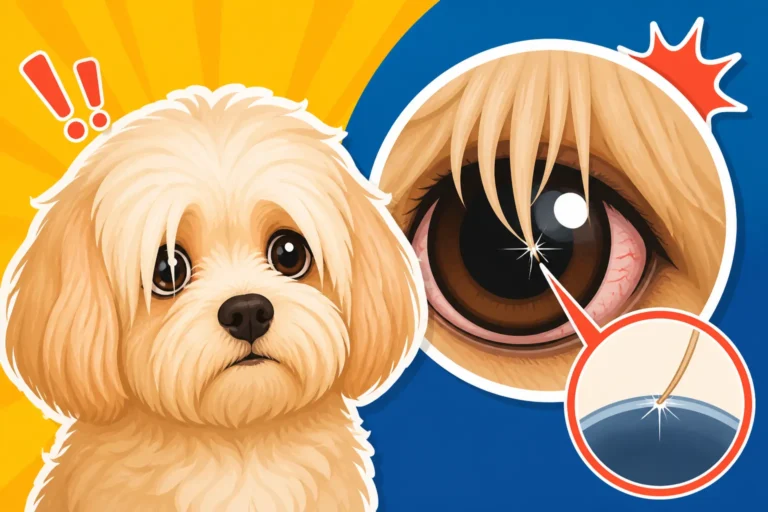
Whether a Maltipoo Should Walk in Winter
Oh, the winter chill! If you're a Maltipoo parent, you know that a drop in temperature brings a whole new set of worries. That adorable, fluffy coat might look warm, but for a tiny creature like a Maltipoo, winter walks aren't just a matter of bundling up; they're a careful consideration of safety, comfort, and their delicate physiology. This guide will walk you through everything you need to know about navigating those frosty months, ensuring your beloved companion stays happy and healthy, even when the snow falls.
Why Winter Walks Are Different for Maltipoos
It’s easy to look at a Maltipoo’s fluffy coat and assume they're all set for colder weather. After all, they’re basically a walking cloud, right? But the reality is, their small stature and specific genetic makeup mean winter walks pose unique challenges that owners of larger, hardier breeds just don't typically face. Understanding these differences is the first step to keeping your little one safe and comfortable.
Their Small Size and Heat Loss
Think about it: a larger dog has more body mass relative to its surface area, which means it retains heat more efficiently. Your tiny Maltipoo, however, is essentially a miniature radiator with a huge surface area for its size. This means they lose body heat incredibly quickly, especially when exposed to cold air, wind, or wet conditions. A brisk 20-minute walk that feels invigorating to you or a Labrador might be profoundly chilling, even dangerous, for a two-pound Maltipoo. Their little bodies just aren't equipped to regulate temperature in the same way, putting them at a higher risk for hypothermia if not properly protected. It’s a genuine concern, not just an owner being overly cautious.
This rapid heat loss is compounded by the fact that many Maltipoos, particularly the "teacup" varieties, can have a lower metabolic rate or less fat reserves to burn for warmth. What feels like a "cool" day to you can be genuinely cold for them, and a truly cold day can quickly become an emergency. You might find yourself asking Whether a Maltipoo Gets Cold Easily or The Temperature a Maltipoo Starts Shivering At, and the answer is often "yes" and "sooner than you think." Their smaller blood volume also means their extremities, like their paws and ears, are particularly vulnerable to frostbite, even in temperatures that don't seem extreme to us.
Thin Coats vs. Thick Winter Fur
While a Maltipoo's coat is often dense and curly, mimicking a Poodle's, it's not the same as the thick double coat that some Nordic breeds or even larger, cold-weather dogs possess. Many Maltipoos, especially those leaning more towards their Maltese heritage, have a single layer of fine hair that, while beautiful and non-shedding, doesn't offer the insulating power of a true winter undercoat. This means that direct exposure to cold, damp air or snow can quickly penetrate their fur and chill them to the bone.
Even the curliest Maltipoo coats, which might seem to trap air for warmth, can become matted and less effective insulators if they get wet and then freeze. Imagine trying to stay warm in a wet sweater – it's just not going to happen. This is why simply having "a lot of hair" isn't enough; the type of hair and how well it insulates against moisture and wind are crucial. Owners often face the dilemma of keeping their Maltipoo’s coat long for warmth versus keeping it trimmed short to prevent matting from snow and wet, requiring careful grooming routines even in winter. The Coat a Maltipoo Gets From Two Non Shedding Parents can sometimes lead to assumptions about its insulating properties that aren't entirely accurate.
Delicate Paws on Harsh Surfaces
A Maltipoo's paws are tiny and delicate, not built for navigating icy sidewalks, crunchy snow, or the chemical minefield of road salt and de-icers. These surfaces can be incredibly painful, abrasive, and even toxic. The pads can crack, bleed, or suffer from frostbite, while the spaces between their toes can collect ice balls that pull and tear at their sensitive skin. Road salt and other de-icing agents are not only irritating but can also be toxic if ingested when your Maltipoo licks their paws after a walk.
Even if they don't ingest chemicals, the sheer discomfort of walking on cold, rough, or wet surfaces can make a Maltipoo refuse to walk or even injure themselves. The risk of slipping on ice and causing a sprain or even a fracture, especially for a breed prone to conditions like Slipping Kneecaps in a Maltipoo or Legg Calve Perthes in a Maltipoo, is a very real and frightening possibility. Their small size makes them much more vulnerable to impact injuries from even minor falls compared to larger dogs.
Recognizing When It's Too Cold or Dangerous
You might be tempted to just take your Maltipoo out for a quick potty break, but it's vital to be vigilant. Your dog can't tell you in words when they're uncomfortable or in danger. It's up to you, their loving owner, to read their subtle cues and understand the environmental risks. Ignoring these signs can quickly turn a routine outing into a serious health concern.
Shivering and Other Cold Signals
The most obvious sign your Maltipoo is too cold is shivering. This isn't just a little tremble; it can be pronounced and persistent. But beyond the shake, watch for other indicators:
- Hunching or Curling Up: If they immediately try to ball up or tuck their tail, they're attempting to conserve heat.
- Lifting Paws: This is a clear sign their feet are too cold, or they’re reacting to painful surfaces like ice or salt.
- Reluctance to Move: If they stop walking, try to turn back, or resist leaving the warmth of the house, they're telling you something isn't right.
- Whining or Crying: Some Maltipoos will vocalize their discomfort.
- Lethargy or Sluggishness: This is a more serious sign of hypothermia setting in. If your Maltipoo becomes unusually quiet, unresponsive, or seems disoriented, get them inside immediately and begin warming them up gently. What to Do When a Maltipoo Goes Limp is a crucial piece of knowledge for any small dog owner, especially in cold weather.
It's also important to remember that some Maltipoos naturally shiver more than others, even when not cold, due to excitement or anxiety. However, when combined with cold outdoor temperatures, any shivering should be taken as a serious warning sign. If you notice persistent shivering indoors, it might be worth investigating other causes.
The Dangers of Ice, Snow, and Salt
Beyond the cold itself, the actual ground conditions in winter present a host of hazards for your Maltipoo. Slippery ice is a huge concern, not just for you but for your dog. A fall on ice can lead to sprains, fractures, or even more serious internal injuries for a dog of their size and delicate bone structure. Imagine their tiny legs trying to gain purchase on a frozen patch – it's a recipe for disaster. This risk is particularly high for dogs with predispositions like The Four Patella Grades and Where a Maltipoo Lands.
Snow, while beautiful, can also be problematic. Deep snow can completely engulf a small Maltipoo, making it hard for them to move, navigate, or even find a spot to relieve themselves. Wet snow can quickly mat their fur, leading to severe matting that causes skin irritation and loss of insulation. And then there's the infamous road salt and de-icers. These chemicals are harsh, burning sensitive paw pads on contact, and can be highly toxic if ingested when your dog licks their paws. Even after a short walk, these chemicals can linger, necessitating diligent paw cleaning. Without proper protection, your Maltipoo's paws are incredibly vulnerable to these environmental threats.
When to Opt for Indoor Exercise
There will be days when it's simply too cold, too icy, or too stormy to safely take your Maltipoo outside for a walk. Don't feel guilty about this! Their safety and well-being are paramount. Extreme wind chills, heavy snowfall, freezing rain, or temperatures dipping below freezing (especially with added wind) are all good reasons to keep your dog indoors. For a tiny Maltipoo, anything below about 20-25°F (-6°C) can start to be risky, and lower than 0°F (-18°C) is generally considered dangerous for any dog, let alone a small one.
On these days, shift your focus to indoor exercise and mental stimulation. Play fetch in the hallway, engage them with puzzle toys, or practice new tricks in the living room. Even short bursts of indoor play can help burn off energy and keep them happy. Remember, a bored Maltipoo is often a mischievous Maltipoo! Using puppy pads or an indoor potty area can be a lifesaver for those quick relief breaks when the weather is truly uncooperative. Your dog relies on you to make these judgment calls, even if it means sacrificing an outdoor stroll.
Essential Winter Gear for Your Maltipoo
Once you've decided an outdoor adventure is safe enough, equipping your Maltipoo with the right winter gear is non-negotiable. This isn't about fashion; it's about providing the necessary protection against the elements, acting as a crucial barrier between their delicate body and the harsh winter world.
The Importance of a Well-Fitting Coat or Sweater
A good quality coat or sweater is the single most important piece of winter gear for your Maltipoo. It acts as an extra layer of insulation, significantly reducing heat loss from their core. But it's not just any coat; fit is absolutely critical. A coat that's too loose will allow cold air to seep in, while one that's too tight will restrict movement and potentially rub uncomfortably. Look for coats that cover the back and belly, are waterproof or water-resistant, and have a soft, warm lining. Many excellent options are available from retailers like Chewy or on Amazon.
When selecting a coat, consider the specific weather conditions you'll be facing. For light chills, a fleece sweater might suffice. For truly cold, wet, or snowy conditions, a padded, waterproof jacket is essential. Ensure it allows for full range of motion for their legs and doesn't interfere with their ability to go potty. Remember, even if you keep your Maltipoo’s coat long, it needs that extra layer. Whether a Maltipoo Needs a Sweater Indoors is another key question, and often, the answer is yes, particularly for very small or senior dogs, to maintain a comfortable body temperature.
Paw Protection: Boots and Balms
Protecting your Maltipoo's paws is paramount during winter walks. Dog boots are the most effective solution against ice, snow, salt, and freezing temperatures. It might take some patience to get your Maltipoo accustomed to wearing them, but the benefits far outweigh the initial training effort. Look for boots that are flexible, waterproof, offer good traction, and have a secure fastening system to prevent them from falling off. Brands available on Chewy and Amazon often have options specifically designed for smaller paws.
If boots aren't an option or for milder conditions, a high-quality paw balm can provide a protective barrier against cold and irritants, while also moisturizing the pads. Apply it before the walk and clean their paws thoroughly afterward. Even with boots, it's wise to have balm on hand for extra protection and to soothe any dryness. Remember, Ice Balls Between a Maltipoo's Toes are a real problem that can be avoided with good paw protection, as is the burning sensation from road salt.
Harnesses Over Collars in Winter
While a harness is generally recommended for Maltipoos year-round to protect their delicate trachea from collar-related injuries, it becomes even more critical in winter. When dogs pull on a collar in cold weather, the sudden pressure on their throat can exacerbate existing conditions like Collapsing Trachea in a Maltipoo or simply cause discomfort. A harness distributes pressure evenly across their chest and shoulders, preventing strain on their neck.
Ensure the harness fits snugly over their winter coat without being too tight. A well-fitting harness prevents chafing and ensures they can move freely and comfortably. Many winter coats come with an integrated harness attachment point, or you can find harnesses designed to be worn over clothing. Prioritizing a harness means you're protecting their respiratory system, which can be more vulnerable in cold, dry air. You can explore various harness options and What a Maltipoo's Harness, Bed and Carrier Cost to find one that suits your dog perfectly.
Preparing for and Executing Safe Winter Walks
Once you have the right gear, it's about smart planning and execution. A winter walk with a Maltipoo isn't a spontaneous dash out the door; it's a calculated outing designed to minimize risks and maximize comfort.
Pre-Walk Checks: Weather and Gear
Before you even think about opening the door, do a quick but thorough check. First, check the actual temperature and "feels like" temperature (wind chill) for your area. If it's too low, reconsider the walk entirely. Next, look outside. Is it icy? Deep snow? Has salt been laid down? These ground conditions are just as important as the air temperature.
Then, inspect your Maltipoo's gear. Is their coat dry and securely fastened? Are their boots on correctly and snugly? Have you applied paw balm if not using boots? Ensure their harness is properly fitted over their clothing. A quick trip outside only to realize a boot has slipped off or their coat isn't quite right wastes precious minutes and exposes them to the cold unnecessarily. This brief pre-walk routine could save them from discomfort or even harm.
Short, Frequent Walks vs. Long Exposure
The golden rule for winter walks with a Maltipoo is "short and frequent." Forget those long, leisurely strolls you might enjoy in warmer months. A Maltipoo's small body simply cannot handle prolonged exposure to cold. Aim for multiple short potty breaks throughout the day, perhaps 5-10 minutes each, rather than one long 30-minute excursion. This allows them to do their business, get a little fresh air, and then quickly retreat to warmth.
Pay close attention to your dog during the walk. Are they lifting their paws? Shivering? Slowing down? These are all signals to cut the walk short immediately. It’s better to have several very brief, comfortable outings than one extended, miserable, or dangerous one. Remember that How Far a Maltipoo Can Walk Before It Stops will be significantly shorter in cold weather than in mild conditions, so adjust your expectations accordingly.
Post-Walk Care and Cleaning
The moment you step back inside, your job isn't over. Post-walk care is crucial, especially for preventing issues related to paw contact with snow, ice, and chemicals. Immediately after returning indoors, gently wipe down your Maltipoo's paws and lower legs. This removes any snow, ice, dirt, or potentially harmful de-icing chemicals. Use a warm, damp cloth, paying close attention to the spaces between their paw pads.
If you used paw balm, a simple wipe might suffice. If they wore boots, check their paws for any rubbing or irritation. For areas that got wet or snowy, gently towel-dry their fur to prevent matting and prolonged chill. Washing Road Salt Off a Maltipoo's Feet isn't just about cleanliness; it's a health imperative. Neglecting this step can lead to cracked paw pads, chemical burns, or illness if they lick their contaminated paws. A quick brush might also be needed if their coat picked up any debris or started to mat.
Alternatives to Outdoor Walks in Harsh Weather
There will undoubtedly be days when even the shortest outdoor venture is too risky. On those truly brutal winter days, your Maltipoo still needs to burn energy and stay mentally stimulated. Thankfully, there are plenty of excellent indoor alternatives to keep them happy and healthy.
Indoor Play and Mental Stimulation
When outdoor walks are out of the question, redirect your Maltipoo's energy indoors. Engage them in games of fetch down a hallway or across a large room. Use interactive puzzle toys (many of which are available on Amazon or Chewy) that challenge their minds and reward them with treats. Hide-and-seek with you or their favorite toys can be a fantastic way to encourage movement and engagement. Even practicing tricks they already know, or teaching new ones, provides mental and physical exercise.
Remember, a Maltipoo's small size means that even a limited amount of space can provide enough room for effective play. A few rounds of tug-of-war with a soft toy, or a short game of chase, can go a long way in burning off pent-up energy. The goal is to keep them active and prevent boredom-induced behaviors, while also strengthening your bond through interactive play.
Treadmill Training (with caution)
For some highly energetic Maltipoos, or those needing consistent exercise regardless of weather, a dog-specific treadmill can be an option, but this must be approached with extreme caution and professional guidance. Never force your Maltipoo onto a treadmill, and always start with very slow speeds for short durations. The goal is to make it a positive experience, using treats and praise.
Supervision is absolute. Never leave your Maltipoo unattended on a treadmill, even for a second. Ensure it has safety features like an emergency stop and side rails. For a small dog like a Maltipoo, a treadmill might be more about controlled exercise or rehabilitation than a replacement for outdoor exploration and sniffing. Always consult your veterinarian before starting any treadmill regimen, especially if your Maltipoo has any joint issues like Whether a Maltipoo's Kneecap Needs Operating.
Puppy Pads and Indoor Potty Solutions
For essential relief breaks on days when venturing outside is unsafe, having a reliable indoor potty solution is invaluable. Puppy pads, grass patches (real or artificial), or even a designated litter box for dogs can provide your Maltipoo with a safe and accessible place to relieve themselves without exposing them to dangerous elements. This is especially helpful for puppies or older dogs who might have less bladder control.
If your Maltipoo is already house-trained to go outside, it might take a little patience to introduce them to an indoor alternative. Start by placing the pad or patch near the door you usually use, and gradually move it to a less conspicuous spot. Use positive reinforcement when they successfully use the indoor option. This ensures they can take care of their business comfortably and safely, reducing stress for both of you on those truly nasty winter days.
Winter Gear Comparison Table
To help you make informed decisions about protecting your Maltipoo, here's a comparison of common winter gear options:
| Gear Item | Primary Benefit | Key Considerations | Brands/Where to Find (Examples) |
|---|---|---|---|
| Winter Coat/Jacket | Core body warmth, wind and water protection | Fit (snug but not restrictive), waterproof/resistant, coverage | Chewy, Amazon, Hurtta, Ruffwear |
| Sweater/Fleece | Light insulation, indoor warmth | Breathability, comfort, less weather-resistant than a coat | Chewy, Amazon, Gooby, Kuoser |
| Dog Boots | Paw protection from ice, salt, cold, abrasions | Fit (secure, non-slip), durability, training may be required | Chewy, Amazon, Pawz, Muttluks |
| Paw Balm/Wax | Protective barrier, moisturizing, prevents cracking | Requires reapplication, less protection than boots | Chewy, Amazon, Musher's Secret, Natural Dog Company |
| Harness | Neck/trachea protection, better control | Proper fit (over clothing), comfortable material | Chewy, Amazon, Kurgo, Puppia |
Disclaimer
This article is for general informational purposes only and does not constitute professional advice. Laws, prices and regulations vary by location and change over time. Consult a qualified professional for guidance on your specific situation.