Getting a Picky Maltipoo to Eat
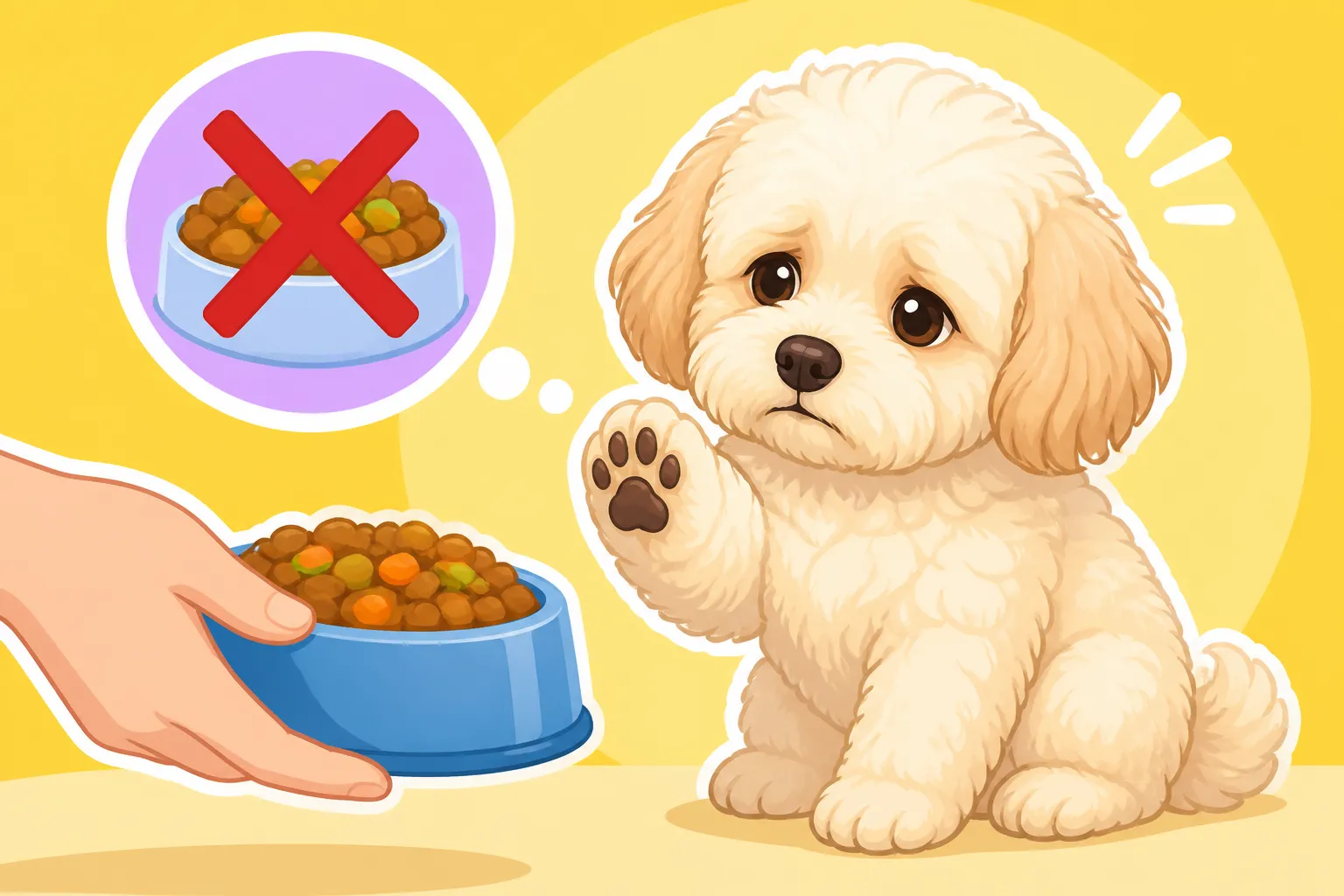
Oh, the picky eater! It's a common refrain from Maltipoo parents, and let me tell you, it can be one of the most frustrating challenges in dog ownership. You pour your heart into finding the perfect kibble, only for your little fluffball to turn their nose up, giving you that look that says, "Is this really all there is?" This guide is for every Maltipoo owner who has wondered if their beloved pup will ever eat a full meal without a dramatic sigh or a hunger strike, offering practical solutions and insights into why your Maltipoo might be so particular.
Understanding Why Your Maltipoo is a Picky Eater
It’s easy to feel like your Maltipoo is just being stubborn, but often, their pickiness stems from a combination of factors related to their unique physiology, breed traits, and even the loving environment we create for them. It’s rarely just about them being "difficult"; there's usually a reason simmering under the surface.
Is it Their Size or Their Breed?
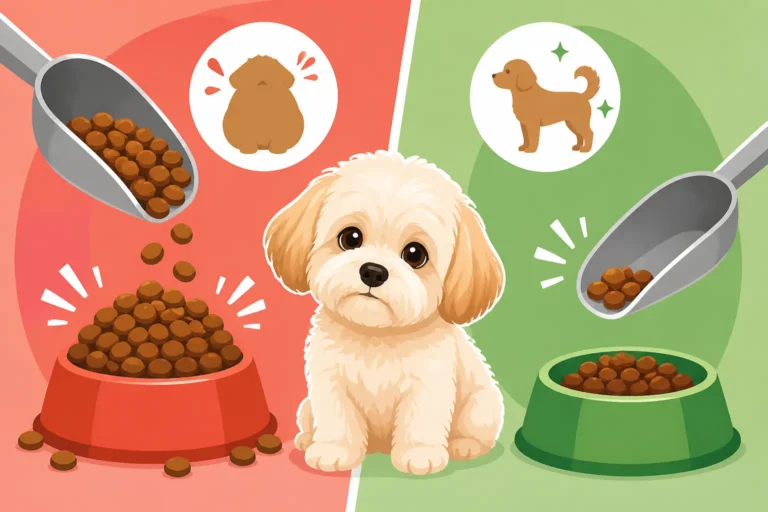
Maltipoos are small dogs, and their size inherently plays a role in their eating habits. A tiny stomach means they fill up faster and might not have the capacity for large meals, even if they look like they're barely touching their food. They simply don't need the same volume of food as a larger dog. Think about it: a few kibbles for a Maltipoo is proportionally more than for a Golden Retriever. However, this small size can also make them susceptible to conditions like hypoglycemia, particularly as puppies, meaning skipping meals isn't just annoying, it can be dangerous.
Beyond size, their parent breeds – the Maltese and the Poodle – bring their own quirks to the dining table. The Maltese are often known for being a bit on the dainty side when it comes to eating, sometimes even finicky or prone to being easily distracted from their bowl. On the other hand, Poodles, especially toy or miniature poodles, are generally quite food-motivated and intelligent, making them amenable to training. The mix in your Maltipoo can be a real "coin flip" (as we often say about their temperament!), so you might have a pup with the delicate appetite of a Maltese or the eager-to-please nature of a Poodle. Sometimes, this inherent preference or disinterest is simply part of their genetic makeup. You might find that your Maltipoo inherits Whether a Maltipoo Is a Fussy Eater from their Maltese lineage, for example.
The Role of Health and Dental Issues
Before you label your Maltipoo as merely "picky," it's crucial to rule out any underlying health issues. A sudden change in appetite or persistent refusal to eat is often the first sign that something isn't quite right. Just like with people, if a dog isn't feeling well, food is often the last thing on their mind. This could be anything from a minor upset stomach, which is surprisingly common in small breeds, to more serious conditions like pancreatitis or even inherited issues such as The Liver Shunt a Maltipoo Can Inherit From the Maltese. Regular vet check-ups are vital to catch these things early.
Dental health is another huge, often overlooked, culprit for picky eating in Maltipoos. These little dogs often have The Forty Two Teeth Crowding a Maltipoo's Jaw, which means their small mouths can become incredibly crowded. This crowding, along with a tendency to accumulate plaque and tartar, can lead to painful dental disease. Imagine trying to eat your favorite meal when every chew sends a sharp pain through your gums or teeth. It's miserable! If your Maltipoo shows any signs of discomfort around their mouth, such as pawing at their face, dropping food, or bad breath (which could indicate Whether a Maltipoo's Breath Means Dental Disease), a vet visit for a thorough dental check is non-negotiable. Even a tiny, retained baby tooth causing discomfort can make a huge difference to their willingness to eat.
Behavioral Habits and Spoiling
Sometimes, a Maltipoo's pickiness is a learned behavior, inadvertently encouraged by their well-meaning human parents. We love our Maltipoos so much that when they refuse their food, our natural instinct is to try anything to get them to eat. This often means offering endless variations of food, adding enticing toppers, or even hand-feeding. While done out of love, this can quickly teach your clever Maltipoo that if they just hold out long enough, something better (and often tastier) will come along. They learn that refusing their regular meal is the key to unlocking gourmet options.
This cycle can lead to your Maltipoo playing games with their food, waiting you out, or only eating when you make a huge fuss. It's a classic case of positive reinforcement for undesirable behavior. If you’ve found yourself cooking chicken just for your pup every night because they won’t touch their kibble, you’re not alone! It's easy to fall into this trap, especially with such adorable, manipulative little faces. But understanding that you might be contributing to the pickiness is the first step in breaking the cycle. Over time, this can lead to Whether a Maltipoo Refuses Food Out of Habit, making it harder to get them back on a consistent diet.
Strategies to Encourage Your Maltipoo to Eat
Once you've ruled out any medical reasons for your Maltipoo's pickiness, it's time to implement some strategic changes to their feeding routine and food presentation. Patience and consistency are your best friends here. Remember, you're retraining both your Maltipoo and yourself!
Establishing a Consistent Feeding Routine
One of the most effective ways to combat picky eating is to establish a strict and consistent feeding schedule. Forget free-feeding; it often leads to grazing and a lack of urgency around meals. Instead, offer meals at specific times, typically two or three times a day for adult Maltipoos, and more frequently for younger puppies who are still at risk for Hypoglycemia and the Teacup Maltipoo Puppy. For example, 7 AM, 12 PM, and 5 PM. Place the food down, give your Maltipoo 15-20 minutes to eat, and then pick it up, regardless of how much (or how little) they've consumed. Don't offer any other food, treats, or snacks until the next scheduled mealtime.
It sounds harsh, I know. It feels counterintuitive to withhold food from a small dog you adore. But here's why it works: your Maltipoo will learn that mealtime is a limited opportunity. If they don't eat now, they'll have to wait. This creates a healthy sense of hunger and urgency. Resist the urge to give in if they skip a meal; a healthy dog will not starve themselves. They will eat when they are hungry enough. It might take a few days of them being a little grumpy or ignoring their food, but consistency will eventually pay off. This also helps you figure out How Much a Maltipoo Puppy Eats at Twelve Weeks or any age, by observing how much they actually consume within the allotted time.
Making Food More Appealing and Tempting
Sometimes, the simplest changes can make a big difference in how appealing food appears to your Maltipoo. Dogs, much like us, enjoy variety and stimulation for their senses.
Here are a few tricks:
- Warm it up: Just a tiny bit of warm water or low-sodium chicken broth mixed into kibble can release aromas, making it much more enticing. Think about how much more appetizing warm food smells to you! Just be sure it's not too hot.
- Add a topper: A small amount of something irresistible can often spark interest. This could be a sprinkle of nutritional yeast, a teaspoon of plain canned pumpkin, a dash of plain cooked chicken, or even a dollop of plain yogurt. You can find many healthy toppers available on sites like Chewy. The key is small amounts – you don't want to create a situation where they only eat the topper and leave the rest.
- Use a puzzle feeder or slow feeder: Some Maltipoos find mealtime boring. A puzzle feeder can turn eating into a fun game, engaging their Poodle intelligence. The mental stimulation can sometimes make the food more desirable. This also prevents them from inhaling their food too quickly, which can cause digestive upset.
- Change the bowl: Sometimes, a dog might dislike their bowl. It might be too deep for their little muzzle, it might be made of a material that creates a strange smell or taste, or it might clang against the floor. Experiment with different bowl types – ceramic, stainless steel, or even a flat plate.
Exploring Different Food Types and Textures
If your Maltipoo consistently turns their nose up at kibble, it might be time to explore other food formats. There's a wide world of dog food out there, and what works for one Maltipoo might not work for another.
Consider these options:
- Wet food: Many dogs find wet food significantly more palatable due to its stronger aroma and softer texture. It can be a great option for a picky eater, though it's often more expensive. Look for high-quality wet food formulations designed for small breeds. This can be particularly useful if your Maltipoo has any dental sensitivity, as Whether Wet Food Suits a Maltipoo is often linked to ease of chewing.
- Fresh food/Lightly cooked diets: Services like Ollie deliver freshly prepared, human-grade meals directly to your door. These diets are often highly appealing to picky eaters because they smell and taste more like real food. They can be a fantastic option, though they do come at a higher price point. If you’re curious about whether a Maltipoo does better on fresh food, this could be an avenue to explore.
- Dehydrated or freeze-dried raw: These foods offer many of the benefits of raw feeding in a more convenient, shelf-stable form. You typically rehydrate them with water, and they become a very aromatic and tempting meal. They can be a good bridge between kibble and fresh food.
- Kibble size and shape: Sometimes, it's not the taste, but the texture or size of the kibble. Your Maltipoo might prefer tiny, softer kibble over larger, harder pieces. You can find a huge selection of small-breed kibbles on Amazon or Chewy, allowing you to experiment.
Table: Food Types for Picky Maltipoos
| Food Type | Palatability for Picky Eaters | Pros | Cons |
|---|---|---|---|
| Dry Kibble | Moderate to Low | Cost-effective, convenient, good for dental health (some brands) | Can be boring, less aromatic, harder to chew for some |
| Wet/Canned Food | High | Highly aromatic, soft texture, good for hydration, often very palatable | More expensive, can contribute to dental issues if not brushed regularly |
| Fresh/Lightly Cooked | Very High | Closest to human food, highly palatable, often made with quality ingredients | Most expensive, requires refrigeration, can have shorter shelf life |
| Dehydrated/Freeze-Dried | High | Aromatic, rehydrates to a tempting texture, convenient to store | More expensive than kibble, requires rehydration time |
When switching foods, do so gradually over several days to avoid digestive upset. Mix a small amount of the new food with their current food, slowly increasing the proportion of the new food over a week or more.
When to Seek Veterinary Advice for a Picky Eater
While many cases of picky eating are behavioral or preference-based, it is absolutely vital to know when your Maltipoo's refusal to eat signals something more serious. Never hesitate to contact your veterinarian if you have concerns, especially with small breeds that can dehydrate or become lethargic quickly.
Recognizing Red Flags Beyond Pickiness
Picky eating can transition from a minor annoyance to a serious health concern if it's accompanied by other symptoms. These are the red flags that warrant an immediate call to your vet:
- Complete refusal to eat for more than 24 hours: While a healthy dog can skip a meal or two, a full day without eating for a small Maltipoo is worrying.
- Lethargy or weakness: If your Maltipoo is not only refusing food but also seems unusually tired, sleepy, or lacks their usual energy, this is a significant concern.
- Vomiting or diarrhea: Any digestive upset accompanying the lack of appetite should be investigated.
- Weight loss: If your Maltipoo is visibly losing weight, or you can feel their ribs more prominently, this is a clear sign that their caloric intake is insufficient. This is why it’s a good idea to monitor your Maltipoo's weight regularly.
- Changes in drinking habits: Drinking significantly more or less water can indicate underlying health problems.
- Pain or discomfort: Whining, limping, hunched posture, or reluctance to be touched can all suggest they are in pain, which would naturally suppress appetite.
- Excessive drooling or pawing at the mouth: As mentioned earlier, this strongly points to dental pain.
These symptoms, especially in combination, indicate that your Maltipoo's "pickiness" is likely a symptom of a deeper medical issue that needs professional diagnosis and treatment. Early intervention is always best for these sensitive little dogs. Getting The Yearly Checks a Maltipoo Should Get will also help catch issues before they escalate.
Diagnostic Steps Your Vet Might Take
When you bring a picky Maltipoo to the vet with concerning symptoms, your veterinarian will conduct a thorough examination to pinpoint the cause. They won't just brush it off as your dog being "fussy."
Here's what you can expect:
- Physical examination: This will include checking their weight, listening to their heart and lungs, feeling their abdomen, and a thorough oral exam to check for dental disease.
- Blood work: A complete blood count (CBC) and a biochemistry panel can reveal a wealth of information about your Maltipoo's internal organ function, checking for infections, inflammation, kidney disease, liver issues, and more.
- Urinalysis: A urine sample can check for urinary tract infections, kidney function, and other metabolic issues.
- Fecal exam: To rule out intestinal parasites.
- Imaging (X-rays or ultrasound): If internal issues are suspected, your vet might recommend imaging to look at organs like the stomach, intestines, liver, or kidneys. This could help detect something like a foreign body or chronic inflammation.
- Specific tests: Depending on initial findings, your vet might suggest more specific tests, such as a bile acid test for liver function if a shunt is suspected, or an endoscopy for persistent gastrointestinal issues.
It’s important to be completely honest with your vet about your Maltipoo's eating habits, how long the pickiness has been going on, any other symptoms you've noticed, and what you've tried to get them to eat. This information is crucial for an accurate diagnosis and effective treatment plan, helping your beloved Maltipoo get back to being their happy, hungry self.
Disclaimer
This article is for general informational purposes only and does not constitute professional advice. Laws, prices and regulations vary by location and change over time. Consult a qualified professional for guidance on your specific situation.