Whether a Toothless Maltipoo Needs Soft Food
It's heartbreaking to see our beloved Maltipoos struggling with something as fundamental as eating, especially when age or health issues rob them of their teeth. Many owners worry deeply about how their furry family members will get the nutrition they need, wondering if a completely toothless dog can thrive. This guide will walk you through everything you need to know about feeding a Maltipoo who has lost some or all of their teeth, ensuring they remain happy, healthy, and well-nourished.
Understanding Why a Maltipoo Might Lose Teeth
Losing teeth can be a gradual process that catches many owners by surprise, or it can be a sudden event due to injury or extraction. Understanding the underlying causes is the first step toward preventive care and adapting to your Maltipoo's changing needs.
The Common Culprits: Dental Disease and Age
For most Maltipoos, the primary reason for tooth loss is unfortunately periodontal disease. These sweet little dogs are particularly prone to dental issues because they inherit a genetic predisposition from both their Maltese and Poodle parentage. Their small jaws are often simply too crowded for all forty-two teeth, leading to misalignment and tight spaces where food particles and bacteria love to hide. This crowding makes them especially susceptible to plaque and tartar buildup.
Without consistent daily dental care, plaque hardens into tartar, pushing gums away from the teeth and creating pockets that become breeding grounds for infection. This infection, known as periodontal disease, gradually erodes the bone and supporting structures around the teeth, eventually leading to loosening and loss. Many Maltipoos, even those just a few years old, can start to show significant signs of dental disease. It's a silent battle that often goes unnoticed until the damage is extensive. You might want to read more about Whether Dental Disease Shortens a Maltipoo's Life to understand the broader implications.
As Maltipoos age, this natural wear and tear, coupled with years of potential dental disease, further weakens their teeth. Even with the best care, some senior Maltipoos will experience tooth loss simply due to their advanced years and the cumulative effects of a lifetime of chewing and processing food. It's a tough reality for many owners, as dental issues can feel overwhelming.
Other Reasons for Tooth Loss
While periodontal disease is by far the most common reason, it's not the only one. Sometimes, a Maltipoo might lose teeth due to a traumatic injury. A fall, an impact with a hard object, or even rough play can fracture teeth or dislodge them entirely. Given their delicate build, these types of accidents are always a concern. For instance, you might wonder Whether a Maltipoo Can Be Injured by a Fall.
Another less common, but serious, cause can be certain medical conditions or even sometimes, complications from veterinary procedures. For example, if a severe infection takes hold in the mouth, a vet might recommend extracting multiple teeth to preserve the dog's overall health and prevent the infection from spreading to other organs. Some Maltipoos may also experience issues with their baby teeth not falling out, leading to retained deciduous teeth that can cause permanent teeth to erupt incorrectly or lead to early decay and eventual loss. We often discuss Whether a Maltipoo's Jaw Is Too Small for Its Teeth and the issues that stem from that.
In rarer cases, some systemic diseases can manifest with dental complications, indirectly contributing to tooth loss. It’s always important to address any signs of pain or discomfort in your Maltipoo’s mouth with your veterinarian promptly to identify the root cause and prevent further problems.
The Nutritional Needs of a Toothless Maltipoo
Once your Maltipoo starts losing teeth, or if you've adopted an older dog who is already toothless, their dietary needs shift dramatically. It's not just about making food easier to eat; it's about ensuring they still get all the essential nutrients without compromising their digestive system or overall health.
Transitioning to Softer Foods: Why and How
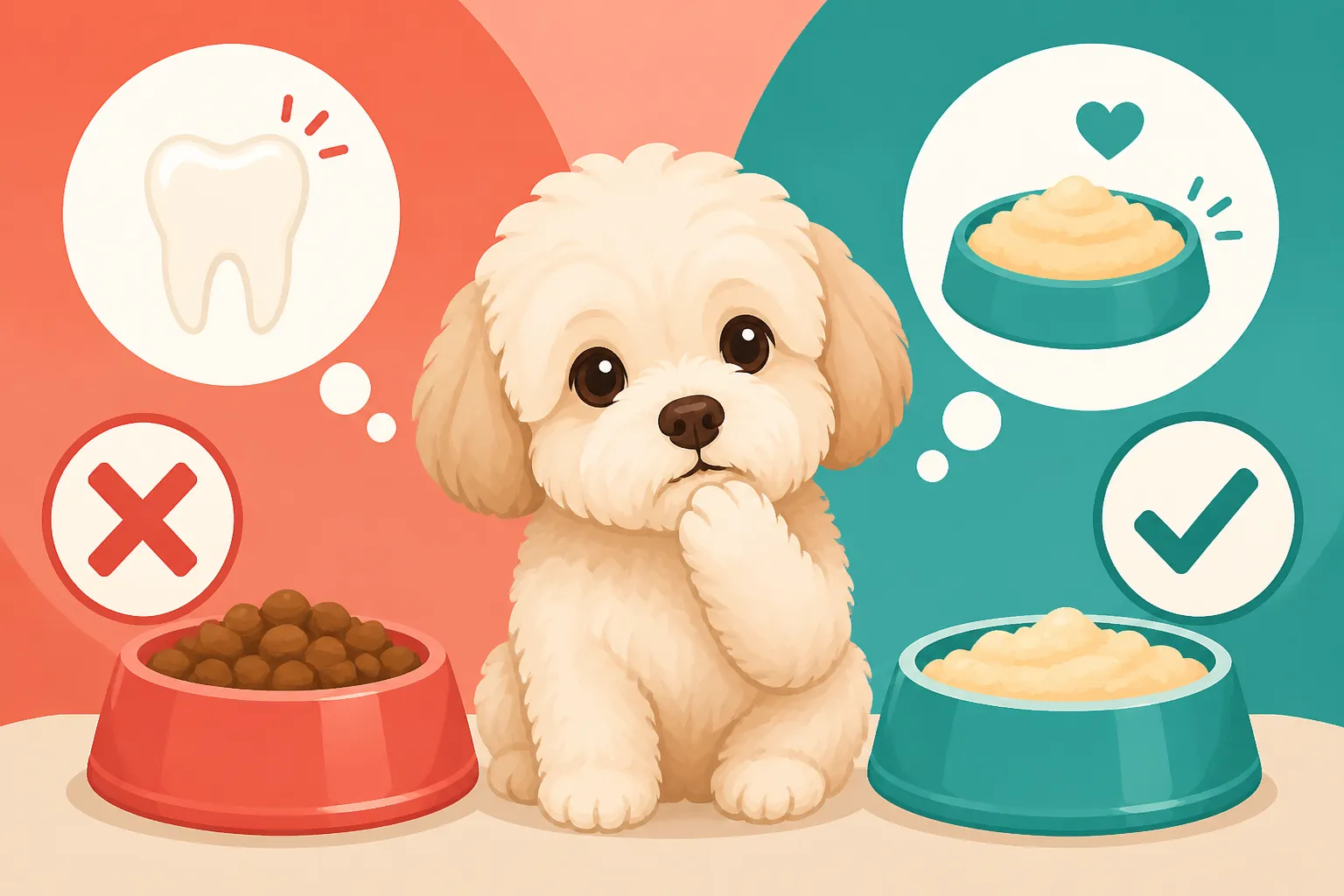
The most obvious reason for switching to softer foods is comfort and accessibility. Imagine trying to chew hard kibble with no teeth – it's impossible and painful. For a toothless Maltipoo, dry kibble becomes a choking hazard and a source of extreme frustration. They might try to swallow pieces whole, which can lead to digestive upset or, worse, blockages. Softer foods eliminate the need for chewing, making mealtime a much more pleasant and efficient experience.
Transitioning needs to be gradual, just like with any dietary change, unless it's an emergency situation where immediate soft food is required (e.g., after extensive dental extractions). Start by mixing a small amount of the new soft food with their old kibble, gradually increasing the soft food and decreasing the kibble over several days to a week. For a Maltipoo that's fully toothless, the 'kibble' part of that transition will likely involve simply wetting their current kibble down to a mush, or moving straight to a fully soft diet.
During this transition, pay close attention to their stool and energy levels. Any signs of stomach upset, like diarrhea or vomiting, mean you're going too fast. Remember, a Maltipoo's digestive system can be sensitive, so patience is key. It's also worth noting that some Maltipoos can be quite picky, and this change might require some extra coaxing. If you have a choosy eater, you might find some tips in Getting a Picky Maltipoo to Eat helpful.
Ensuring Balanced Nutrition
The biggest pitfall when switching to soft foods is often accidentally compromising nutritional balance. Not all soft foods are created equal, and simply offering canned food or homemade concoctions without proper planning can lead to deficiencies or excessive calories. For a small dog like a Maltipoo, every calorie and nutrient counts. You need to ensure the soft food provides a complete and balanced diet appropriate for their life stage (puppy, adult, senior) and activity level.
Look for high-quality commercial soft foods specifically formulated as complete and balanced meals. These will have the right blend of proteins, fats, carbohydrates, vitamins, and minerals. If you're considering a homemade diet, it is absolutely crucial to consult with a veterinary nutritionist to ensure it's balanced. Without expert guidance, you risk causing serious health problems down the line. Don't just assume chicken and rice is enough – it's not.
Remember that a six-pound Maltipoo has very specific caloric needs, and it's easy to overfeed or underfeed them, especially with richer, softer foods. Regularly weighing your Maltipoo and their food portions is essential. If you're wondering How Many Calories a Six Pound Maltipoo Needs, it's important to be precise.
Practical Solutions for Feeding a Maltipoo Without Teeth
Once you've decided on the "why," the "how" of feeding a toothless Maltipoo comes into play. It's about finding the right foods and making mealtime a comfortable, stress-free experience for your furry friend.
Exploring Soft Food Options
There's a wider world of soft food options than you might initially think. Here are some of the most common and effective choices:
- Wet Canned Food: This is often the go-to for many owners. Look for reputable brands that offer complete and balanced diets. The texture varies from pate to chunky stews, so you might need to try a few to see what your Maltipoo prefers. Many brands available from retailers like Chewy or Amazon offer excellent options.
- Rehydrated Dry Kibble: If your Maltipoo is still fond of their current kibble, or if you want to maintain some consistency, you can simply soak their regular dry food in warm water or low-sodium chicken broth until it's soft and mushy. Let it sit for about 10-15 minutes, then mash it up. This ensures they still get the familiar taste and nutrients from their trusted food, just in an easier-to-eat form.
- Fresh or Gently Cooked Diets: Brands like Ollie specialize in fresh, human-grade dog food that is inherently soft and easy to eat. These often come in pre-portioned meals, which can take the guesswork out of balanced nutrition. You can also prepare gently cooked meals at home (again, with veterinary nutritionist guidance) using ingredients like lean ground meats, cooked sweet potatoes, and soft, steamed vegetables.
- Raw Diets (with caution): Some owners opt for a raw diet, which can be very soft if prepared correctly (e.g., ground meats, pureed vegetables). However, raw feeding requires extensive knowledge to be balanced and safe, especially for a compromised dog. It's not something to undertake without significant research and professional veterinary consultation due to the risks of bacterial contamination and nutritional imbalances.
Here's a quick comparison of common soft food types:
| Food Type | Pros | Cons | Considerations |
|---|---|---|---|
| Wet Canned Food | Highly palatable, nutritionally complete, convenient | Can be more expensive, some lower-quality brands exist | Check ingredients for fillers; many varieties to choose from |
| Rehydrated Kibble | Utilizes existing food, cost-effective, familiar | Requires prep time, might not be palatable if kibble is low-quality | Use warm water/broth; ensure it's fully softened to prevent choking |
| Fresh/Gently Cooked | Highly palatable, easily digestible, good moisture | More expensive, can be inconvenient for home prep | Consult nutritionist for homemade; commercial options offer convenience |
| Raw (Ground/Pureed) | Highly digestible, can be very palatable | High risk of imbalance/bacteria, significant research needed | ONLY with vet nutritionist guidance; strict hygiene required |
Tips for Making Mealtime Stress-Free
Eating should be a comforting experience, not a challenge. Here are some pointers:
- Warm the Food Slightly: Just like for us, slightly warmed food often smells more appealing and can be more palatable. Make sure it’s not hot, just lukewarm.
- Use a Shallow Bowl: A flat plate or a very shallow bowl can make it easier for a toothless Maltipoo to access their food without digging their nose into a deep dish. This is especially helpful if they have a flat face.
- Elevated Bowls: For some older Maltipoos, an elevated food bowl can ease strain on their neck and joints, making eating more comfortable.
- Quiet Feeding Area: Create a calm, quiet space for them to eat, away from household commotion or other pets. This helps reduce stress and allows them to focus on their meal.
- Hand Feeding: If your Maltipoo is struggling or becomes hesitant, gently hand-feeding small amounts can build their confidence and ensure they get enough to eat. Sometimes, just feeling your presence and support makes all the difference.
Monitoring and Adjusting Their Diet
Once you've settled on a soft food diet, your job isn't over. Regular monitoring is crucial. Keep an eye on your Maltipoo's weight – are they gaining, losing, or maintaining? Adjust portion sizes as needed. Their energy levels, coat condition, and stool quality are all indicators of how well their new diet is working.
If you notice any significant changes, such as a dull coat, lethargy, or persistent digestive issues, it's time to re-evaluate the food with your vet. Sometimes, what works initially might need tweaking down the road. An older Maltipoo's metabolism can change, requiring adjustments to calorie intake, as discussed in Cutting an Old Maltipoo's Portions as It Slows. Remember, their needs evolve, and staying attuned to these changes will help you provide the best care.
Beyond the Bowl: Other Considerations for Toothless Maltipoos
Feeding is a major part of caring for a toothless Maltipoo, but it's not the only consideration. Their overall health and comfort are paramount, and that includes continued attention to their oral health, even if they have no teeth, and regular veterinary check-ups.
Oral Hygiene (Even Without Teeth!)
It might sound counterintuitive to think about oral hygiene for a toothless dog, but it's actually incredibly important. Even without teeth, bacteria can still accumulate in their mouth, on their gums, and on their tongue. This can lead to bad breath, gum inflammation, and provide a breeding ground for systemic infections. The good news is, it's much simpler than brushing teeth!
- Gentle Gum Wipes: Use a soft gauze pad or a specially designed dental wipe (available from places like Chewy or Amazon) to gently wipe down your Maltipoo's gums daily. This helps remove bacteria and food debris.
- Oral Rinses: Your vet might recommend a pet-safe oral rinse. These can help control bacteria and keep their mouth fresh.
- Regular Mouth Checks: Make it a habit to regularly inspect your Maltipoo's mouth. Look for any signs of redness, swelling, sores, or unusual odors. Catching issues early can prevent more serious problems.
Maintaining oral hygiene, even without teeth, contributes to their overall well-being and prevents secondary health issues that can arise from unchecked oral bacteria.
Regular Vet Check-ups are Crucial
For any Maltipoo, but especially one with a history of dental problems or who is aging, regular veterinary check-ups are non-negotiable. These check-ups allow your vet to monitor their overall health, assess their nutritional status, and perform thorough oral examinations. Even if they have no teeth, the vet will check their gums for any issues, examine their tongue, and ensure there are no hidden infections or growths.
During these visits, you can discuss any concerns you have about their diet, weight, or general well-being. Your vet can recommend specific food brands, advise on supplements, or suggest strategies to address any emerging health problems. They can also help you understand What a Maltipoo's Yearly Vet Bill Comes To and plan for potential costs associated with ongoing care for a senior or toothless dog.
Remember, a toothless Maltipoo can still live a full, happy, and comfortable life with the right care and attention. It just requires a little extra thought and effort from their devoted human companions. Caring for a senior dog often means adapting to new needs, and resources like Grooming an Old Maltipoo can offer insights into holistic care for your aging companion. Your commitment to their health will make all the difference.
Disclaimer
This article is for general informational purposes only and does not constitute professional advice. Laws, prices and regulations vary by location and change over time. Consult a qualified professional for guidance on your specific situation.