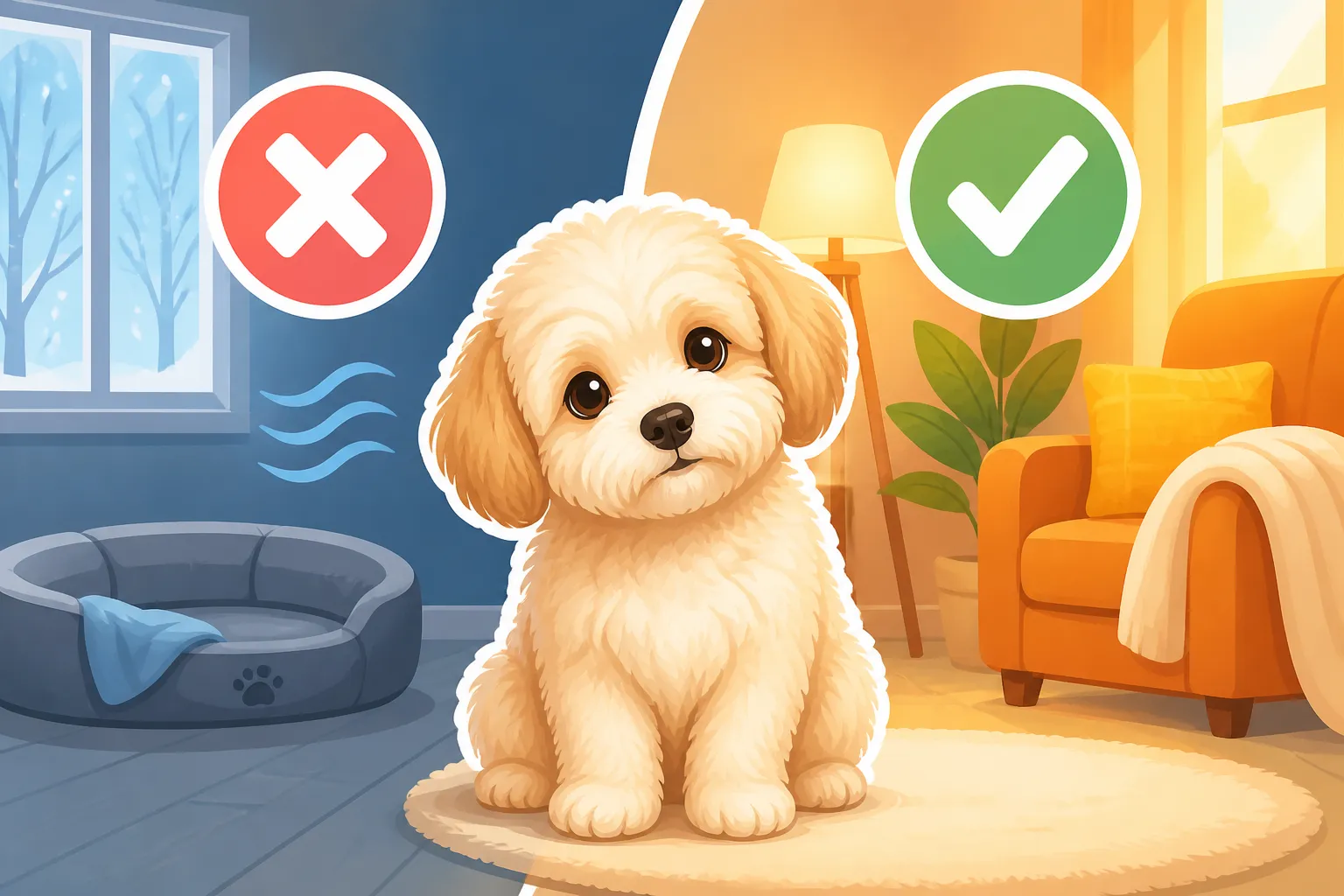
Whether a Maltipoo Should Be Left in a Warm Room
Leaving your precious Maltipoo in a warm room can feel like a minefield of worries, especially given their delicate size and sometimes unpredictable tolerance to heat. It's a valid concern many of us Maltipoo parents grapple with: how warm is too warm when you can't be right there to monitor them? This comprehensive guide is here to shed light on how Maltipoos handle heat and equip you with the knowledge to ensure your little companion stays safe and comfortable, even when temperatures rise.
Understanding Your Maltipoo's Natural Temperature Regulation
It’s easy to think of our furry friends as always having their own built-in heating and cooling system, but for a tiny Maltipoo, that system is often working overtime, and not always effectively. Their small stature, while adorable, comes with specific challenges when it comes to regulating body temperature, particularly in warmer environments.
Why Small Dogs Struggle More with Heat
Think back to science class and the concept of surface area to volume ratio. For a tiny Maltipoo, they have a relatively large surface area compared to their small body volume. This means they lose heat more quickly in cold environments, which is why we often worry about Why a Maltipoo Shivers Indoors or Whether a Maltipoo Gets Cold Easily. But this also means they can gain heat more quickly from their surroundings and struggle to dissipate it. Their metabolic rate is also higher than larger dogs, generating more internal heat that needs to be released.
Unlike humans, who can sweat across most of our skin, dogs primarily cool down through panting and through sweat glands located only in their paw pads. A Maltipoo's short muzzle, while cute, can sometimes limit the efficiency of panting compared to breeds with longer snouts. While their non-shedding coats are fantastic for allergy sufferers, a thick, fluffy coat can actually act as an insulator, trapping body heat rather than allowing it to escape, making them feel even warmer. This delicate balance means we, as owners, need to be extra vigilant about environmental temperatures. It’s not just about avoiding the extreme cold; it’s equally about preventing them from overheating. You might wonder Whether a Small Maltipoo Regulates Its Temperature at all, and the answer is yes, but with a smaller margin for error.
The Dangers of Overheating for a Maltipoo
The consequences of a Maltipoo overheating can be severe and escalate surprisingly quickly. What might start as mild discomfort can rapidly progress to life-threatening conditions.
Here’s a breakdown of the dangers:
- Dehydration: Excessive panting to cool down leads to rapid fluid loss. If your Maltipoo doesn't have constant access to fresh, cool water, they can become dehydrated, which further impairs their ability to regulate temperature. This can be especially dangerous for young puppies who need regular hydration, much like they need frequent meals to prevent Hypoglycemia and the Teacup Maltipoo Puppy.
- Heat Exhaustion: This is the first stage of overheating. Symptoms can include excessive panting, increased heart rate, lethargy, drooling, and possibly some redness in the gums. Your Maltipoo might appear unusually tired or seek out cooler spots.
- Heatstroke: This is an emergency. If heat exhaustion isn't addressed, it can turn into heatstroke, where the body's core temperature rises to dangerous levels. Symptoms are more severe and can include:
- Very heavy, rapid panting.
- Bright red or pale gums.
- Thick, ropy saliva.
- Vomiting or diarrhea.
- Weakness, staggering, or collapse.
- Seizures or loss of consciousness.
- In extreme cases, organ damage or death.
Because Maltipoos are so small, their systems are less resilient than larger dogs. A temperature rise that might be uncomfortable for a bigger dog could be critical for a tiny Maltipoo. This is why vigilance is absolutely paramount. You might already be thinking about Whether a Maltipoo Overheats in Summer, but the risks extend to any enclosed, warm space, regardless of the season.
Factors That Make a Warm Room Dangerous for Your Maltipoo
It’s not just the number on the thermostat that dictates risk. Several other environmental and individual factors play a huge role in how well your Maltipoo copes with a warm room. Ignoring these can significantly increase the danger.
Room Conditions Beyond Temperature
A warm room isn't just about the ambient air temperature; it's a combination of elements that can amplify the heat your Maltipoo feels.
- Humidity: High humidity in a warm room makes it much harder for your Maltipoo to cool down through panting. When the air is already saturated with moisture, the evaporation of water from their tongue and respiratory tract (which is how panting works) becomes less efficient. Imagine trying to cool down on a muggy summer day versus a dry one; it's the same principle for your dog. A humid 75°F can feel much hotter and be more dangerous than a dry 80°F.
- Ventilation: Stagnant air traps heat. If a warm room lacks good airflow, the air immediately surrounding your Maltipoo quickly becomes warm and humid from their own breathing and body heat. A gentle breeze, even if it's warm, helps to carry away that hot, moist air from their body, aiding in cooling. A stuffy room, even if not excessively hot, can lead to discomfort surprisingly quickly.
- Direct Sunlight: This is a big one. Even if the room's overall temperature isn't scorching, a sunbeam streaming through a window can create a mini-oven effect. If your Maltipoo is curled up in a sun patch, their body temperature can rapidly increase. Glass acts like a magnifying glass, intensifying the sun's rays. It's a common mistake to think a sunny spot is cozy, but for a small dog, it can be hazardous.
- Lack of Access to Cool Spots/Water: If your Maltipoo is confined to a warm room without a cooler tile floor, a shady corner, or most critically, a constantly refreshed bowl of water, their options for self-regulating are severely limited. They need the ability to move away from the heat and hydrate themselves. This goes hand-in-hand with The Daily Routine a Maltipoo Needs, which should always include ample water access.
Individual Maltipoo Vulnerabilities
Every Maltipoo is unique, and certain traits or conditions can make some more susceptible to heat distress than others.
- Age: Just like with many health concerns, puppies and senior Maltipoos are at higher risk. Puppies have less developed thermoregulation systems and can dehydrate faster. Older Maltipoos may have underlying health conditions that make them more vulnerable, such as heart issues, kidney problems (Whether a Maltipoo's Kidneys Fail With Age), or respiratory difficulties.
- Health Conditions: Maltipoos often inherit traits from both parent breeds. If your Maltipoo has any degree of brachycephalic (short-nosed) features from the Maltese side, their breathing might be less efficient, making cooling more difficult. Respiratory issues like Collapsing Trachea in a Maltipoo's Neck can also be exacerbated by heat and heavy panting. Heart conditions or obesity (Getting a Pound Off an Overweight Maltipoo) will further compromise their ability to cope with heat stress.
- Coat Length and Type: While Maltipoos are known for their non-shedding coats, the density and length can vary. A very thick, fluffy, or long coat, especially if matted, will trap more heat close to the body. Regular grooming helps, but even a well-maintained coat can still be an insulator in warm conditions. You might consider a shorter "puppy cut" in warmer months if your dog struggles.
- Weight: An overweight Maltipoo carries extra insulation in the form of fat, making it harder for them to dissipate heat. It also puts more strain on their cardiovascular and respiratory systems, which are critical for cooling. Keeping your Maltipoo at a healthy weight is vital for their overall well-being, including their ability to cope with warm environments. You can get more information on their dietary needs in articles like How Many Calories a Six Pound Maltipoo Needs.
Creating a Safe Environment: When a Warm Room is Unavoidable
Sometimes, a warm room might be the only option for a period, or perhaps you're just looking for ways to make your home more comfortable for your Maltipoo generally. The key is proactive measures and vigilant monitoring.
Practical Steps to Reduce Heat Risk
If you know your Maltipoo will be in a room that's on the warmer side, you can implement several strategies to mitigate the risks.
- Portable Fans for Air Circulation: While a fan doesn't cool the air, it does move it, which helps evaporate moisture from your Maltipoo's skin and respiratory tract. Position a fan to circulate air in the room, but avoid pointing it directly at your dog for extended periods, as this can dry out their eyes or nose. Ensure the fan is stable and the cords are out of reach.
- Cooling Mats or Beds: These are a fantastic invention for small dogs. Many cooling mats contain a gel that activates with pressure, providing a cool surface for your Maltipoo to lie on. You can find a variety of options on retailers like Chewy or Amazon. Even a damp, cool towel (not soaking wet) can offer temporary relief, but ensure it's not so wet it soaks their fur and potentially leads to skin issues.
- Ensuring Constant Access to Fresh, Cool Water: This is non-negotiable. Always provide multiple bowls of fresh, cool water in different locations within the room. Consider adding a few ice cubes to one bowl to keep it colder for longer. A heavy ceramic bowl is often better than a light plastic one, as it helps keep the water cooler and is harder to tip over. Why a Maltipoo Cannot Wait Twelve Hours to Eat also applies to water – consistent hydration is key.
- Using Blinds or Curtains to Block Sunlight: Before you leave, close blinds or draw curtains, especially on south-facing windows or any window that receives direct sunlight during the day. This simple step can dramatically reduce the heat gain in a room.
- Limiting Activity in Warm Spaces: Encourage calm behavior. Avoid exciting playtime or vigorous exercise in warm rooms, as this will only raise your Maltipoo's body temperature. Save the zoomies for cooler parts of the day or a more temperature-controlled environment.
- Seeking a Cooler Alternative: If possible, consider moving your Maltipoo to the coolest room in the house – perhaps a basement, a tiled bathroom, or a room with air conditioning. Even a slightly cooler spot can make a significant difference.
Monitoring Your Maltipoo for Signs of Discomfort
Being able to recognize the subtle (and not-so-subtle) signs of heat stress is critical. Your Maltipoo can't tell you they're too hot, so it's up to you to be their advocate.
- Regular Checks: If you're home, check on your Maltipoo frequently. If you're away, and someone else is checking in, ensure they know what to look for. Feel their ears and belly – they shouldn't be excessively hot. Observe their gums; they should be a healthy pink, not bright red or pale. Most importantly, watch their breathing.
- Observing Breathing Rate and Panting: Light panting with their tongue slightly out is normal, especially after a bit of activity or in mild warmth. However, if your Maltipoo is panting heavily, rapidly, and continuously, with their tongue far out and perhaps a wide-eyed, anxious look, they are likely overheating. Listen for any unusual sounds with their panting, like rasping or a harsher intake of breath. This could indicate respiratory distress, especially if they are prone to issues like The Cough That Means a Maltipoo's Trachea Is Collapsing.
- Knowing What's Normal for Your Maltipoo: Every dog is different. Pay attention to your Maltipoo's baseline behavior and breathing patterns in comfortable temperatures. This way, you'll be quicker to notice when something is off.
- Action Plan for Suspected Overheating: If you suspect your Maltipoo is overheating, act immediately:
- Move them to a cooler area: Get them out of the warm room, into a shaded, air-conditioned spot if possible.
- Offer cool water: Don't force them to drink, but make it readily available.
- Apply cool (not ice-cold) water: Wet a towel and gently wipe their paw pads, ears, and belly. You can also run cool water over their paws. Avoid ice-cold water, as it can cause blood vessels to constrict, actually hindering cooling.
- Call your vet immediately: Even if your Maltipoo seems to recover, overheating can have delayed effects. Your vet can advise on the next steps and check for any internal damage.
| Condition | Safe Room | Risky Room |
|---|---|---|
| Temperature | Moderate, usually below 75°F (24°C) | High, consistently above 80°F (27°C) |
| Humidity | Low to moderate | High, sticky feeling |
| Airflow | Good ventilation, circulating air | Stagnant, stuffy air |
| Sunlight | Indirect or blocked | Direct sunbeams on sleeping areas |
| Water Access | Multiple bowls of fresh, cool water readily available | Limited or warm water, easily spilled |
| Cooling Options | Access to tile floor, cooling mat, shaded areas | No cool surfaces, confined to warm spot |
| Maltipoo State | Calm, relaxed, light panting (if warm) | Excessive panting, lethargy, drooling, restlessness |
Long-Term Considerations for Your Maltipoo's Comfort
Beyond immediate solutions for a warm room, thinking about your home's climate control and your Maltipoo's overall care can make a huge difference in their long-term comfort and health.
Home Climate Control and Smart Devices
Investing in good home climate control isn't just for human comfort; it’s a crucial aspect of responsible pet ownership, especially with a heat-sensitive breed like a Maltipoo.
- Programmable Thermostats: These are a game-changer. You can set specific temperatures for different times of the day, ensuring your home is cooler when you're away and the sun is at its peak. This prevents the house from becoming stifling hot, especially on really warm days.
- Smart Vents and Zones: For more advanced systems, smart vents can help direct cooler air to specific rooms where your Maltipoo spends most of their time. Creating "zones" allows you to prioritize cooling in their main living areas without unnecessarily cooling the entire house to the same degree.
- Remote Monitoring Cameras: If you spend long hours away from home, a pet camera with temperature alerts can offer invaluable peace of mind. Many devices allow you to check in on your Maltipoo, talk to them, and even get notifications if the room temperature exceeds a safe threshold. You can also find accessories like automated feeders or water fountains on sites like Chewy that integrate with smart home systems, ensuring your Maltipoo is always fed and hydrated.
Thinking proactively about these systems ensures your Maltipoo consistently lives in a comfortable environment, reducing the daily stress of worrying about overheating. It's part of creating a safe and enriching home, as discussed in What a Maltipoo Asks of a First Time Owner.
Hydration and Diet as Preventative Measures
Beyond keeping the physical environment cool, you can support your Maltipoo's ability to handle warmth through their daily intake.
- Importance of Fresh Water: We've mentioned it before, but it bears repeating: constant access to fresh water is paramount. Clean the bowls daily to prevent bacterial growth and ensure the water is appealing. Some Maltipoos prefer filtered water or even a pet fountain to encourage drinking.
- Considering Wet Food for Hydration: If your Maltipoo isn't a big water drinker, incorporating wet food into their diet can boost their hydration levels. Wet foods, like those offered by brands such as Ollie, have a much higher moisture content than dry kibble. This extra hydration can be particularly beneficial during warmer months or if your dog is prone to dehydration. Always introduce new foods gradually to avoid upsetting their delicate digestion.
- Avoid Overfeeding to Prevent Excess Weight: As noted earlier, an overweight Maltipoo is at a much higher risk of overheating. Sticking to appropriate portion sizes, measured by weight (like Feeding a Six Pound Maltipoo by the Ounce, Not the Scoop), and limiting treats can help maintain a healthy weight. A leaner Maltipoo will generally cope better with warmer temperatures. It's all part of fostering a healthy lifestyle for The Twelve to Fifteen Years a Maltipoo Lives.
- Choosing the Right Time for Walks: Even in a well-regulated home, outdoor walks need careful timing. Avoid walking during the hottest parts of the day. Stick to early mornings or late evenings when the sun is less intense and the pavement isn't scorching hot. This also helps reduce overall heat exposure, minimizing the risk of your Maltipoo becoming overheated even before they return to a warm-ish room.
By taking these steps, you create a holistic approach to keeping your Maltipoo safe and happy, not just surviving, but thriving, even when the thermometer climbs. After all, the Maltipoo was bred to be a companion dog, and their comfort is paramount. What the Maltipoo Was Bred to Be emphasizes their role as an indoor pet, making temperature control even more crucial.
Disclaimer
This article is for general informational purposes only and does not constitute professional advice. Laws, prices and regulations vary by location and change over time. Consult a qualified professional for guidance on your specific situation.