The Snorting Fit a Maltipoo Owner Mistakes for Choking
That heart-stopping moment when your Maltipoo suddenly starts making alarming snorting, gasping sounds, looking like they can't breathe, is every pet parent's nightmare. It’s completely natural to assume your beloved companion is choking, and panic can quickly set in. However, more often than not, what you're witnessing isn't a life-threatening blockage, but a common, albeit dramatic, phenomenon known as a reverse sneeze. This guide will walk you through what a reverse sneeze is, how to tell it apart from a genuine choking emergency, and how to help your Maltipoo when it happens, so you can both breathe a little easier.
What Exactly is a Reverse Sneeze?
To truly understand what's happening during a reverse sneeze, we need to delve a little into the physiology behind it. It's a reflex, a body's attempt to clear an irritation, but it's fundamentally different from a regular sneeze.
The Anatomy of the Airway and Soft Palate
Imagine the soft, fleshy tissue at the very back of your Maltipoo's mouth, just behind the bony roof of the mouth. This is their soft palate. In many dogs, especially smaller and toy breeds like Maltipoos, this soft palate can be a bit longer than what you'd typically find in a larger dog. This is often a result of their charmingly petite head structure, a genetic trait passed down from their Maltese and Poodle ancestors. When everything is functioning normally, the soft palate acts like a curtain, gently separating the nasal passages from the oral cavity, guiding air and food where they need to go without a hitch.
However, if this soft palate is slightly elongated, it can sometimes get irritated or partially block the delicate airway. Beyond the soft palate, we consider the pharynx (the part of the throat behind the mouth and nasal cavity) and the larynx (your dog's voice box), which acts as a guardian to the trachea, or windpipe. A reverse sneeze is essentially an involuntary spasm of the muscles in this soft palate and throat. It's a desperate, though usually harmless, attempt by the dog's body to clear any perceived irritants from the nasopharynx – that space behind the nose and above the soft palate.
How the Reverse Sneeze Happens
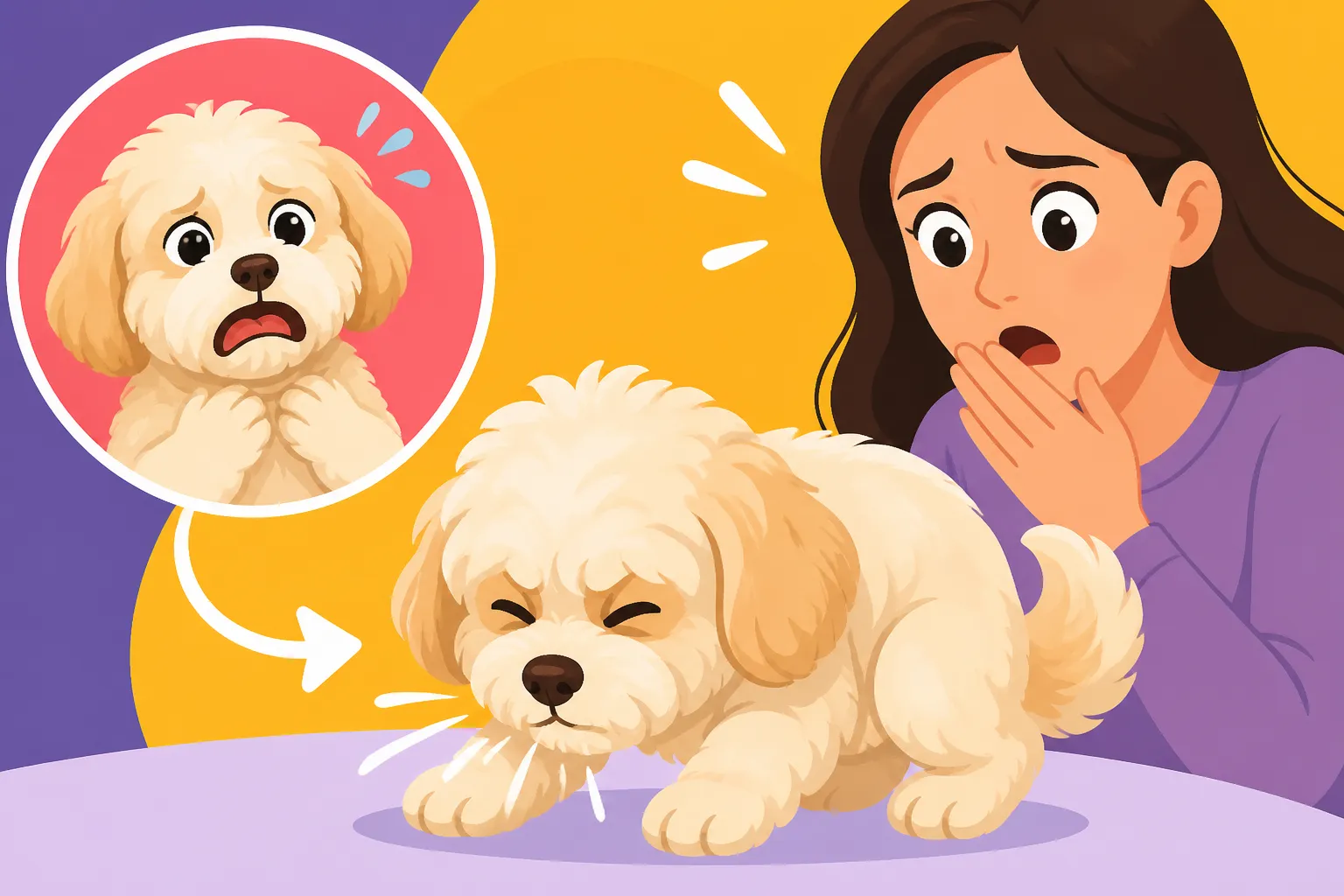
When a Maltipoo experiences a reverse sneeze, it’s almost as if their breathing mechanism momentarily goes into reverse. Instead of the outward expulsion of air characteristic of a regular sneeze, a reverse sneeze involves a rapid, forceful inhalation through the nose. This sudden, spasmodic intake of air produces a distinctive, often terrifying, snorting, gagging, or honking sound. Many owners describe it as sounding like a pig snorting, or as if their dog is desperately trying to suck something out of its nose.
During an episode, your Maltipoo will typically extend their neck, their chest might heave quite dramatically, and their eyes might even bulge slightly from the effort. These visual cues, combined with the alarming sounds, are what make owners immediately jump to the conclusion of choking. The reflex itself is triggered when something irritates the back of the throat or the soft palate. This could be anything from a microscopic dust particle, environmental pollen, or even a sudden shift in air temperature. The muscles of the pharynx go into a brief spasm, constricting the airway and triggering that noisy, frantic intake of breath. Thankfully, these episodes are usually brief, lasting anywhere from a few seconds to a minute, though those moments can feel like an eternity. Once the irritant is cleared or the spasm subsides, your Maltipoo will typically resume normal breathing as if nothing ever happened, perhaps with a small shake or a yawn.
Why Small Breeds Like Maltipoos Are Prone
Maltipoos, inheriting traits from both the Maltese and the Poodle, unfortunately, also inherit a predisposition to reverse sneezing. Both parent breeds, especially the toy varieties, possess smaller heads and often have somewhat compressed facial structures, which can lead to slightly elongated soft palates and narrower airways. Think of it this way: there's less anatomical real estate for everything to operate smoothly in such a tiny space. This inherent anatomical configuration makes their soft palate more susceptible to irritation or temporary obstruction, leading to those dramatic snorting sounds.
Their petite stature also places them closer to the ground, increasing their exposure to environmental irritants like dust, grass, and pollen, which tend to concentrate at lower levels. A sudden, enthusiastic sniff of something intriguing, a strong waft of perfume, or even a sudden temperature change can all act as triggers. While any dog breed can technically experience a reverse sneeze, it is significantly more common and pronounced in smaller breeds such as Maltipoos, Chihuahuas, Pomeranians, and Shih Tzus. Understanding this breed-specific vulnerability can provide significant reassurance, helping you recognize that while alarming, it's typically a benign occurrence. Nevertheless, it's always wise to discuss any new or escalating symptoms with your veterinarian during routine examinations, much like the comprehensive guidance found in The Yearly Checks a Maltipoo Should Get.
Distinguishing Reverse Sneezing from Choking
This distinction is perhaps the most critical information any Maltipoo owner can possess. Knowing how to differentiate between a reverse sneeze and a true choking incident can alleviate immense anxiety and ensure you respond appropriately in a genuine emergency.
Recognizing the Sounds and Body Language
The sounds produced during a reverse sneeze can be incredibly alarming and are often mistaken for choking. A reverse sneeze typically manifests as a rapid series of loud snorts, gasps, or honks, almost as if your dog is trying to suck something in very quickly through a congested nose. During these episodes, your Maltipoo's mouth is usually closed or only slightly parted, and their neck is often rigidly extended. They might stand still, appearing to brace themselves against the involuntary spasm. The key characteristic here is a frantic, noisy inhalation.
Choking, conversely, often involves sounds of distress that are more focused on exhalation or desperate attempts to clear an obstruction from the throat. You might hear distinct gagging, forceful coughing, or a terrifying silence if the airway is completely blocked, with your dog's mouth open and struggling. A truly choking dog might paw frantically at its mouth, its gums could quickly turn blue, and if the obstruction is complete, they won't be able to make any sound at all. They often exhibit signs of extreme panic, possibly running erratically or even collapsing. The crucial difference lies in the direction of the struggle: a reverse sneeze is an inward, primarily nasal event, whereas choking is an outward, oral/tracheal struggle.
The Difference in Airflow and Urgency
The most vital distinction between these two terrifying scenarios lies in the effectiveness of airflow and the inherent urgency of the situation. During a reverse sneeze, despite the dramatic sounds, your Maltipoo is still managing to get air. It might be noisy and spasmodic, but there is typically some air moving in and out of their lungs. Crucially, a reverse sneeze episode is almost always self-limiting; it resolves on its own within a minute or two, and then your dog returns to breathing completely normally, as if nothing happened. There is no immediate, life-threatening danger involved.
Choking, on the other hand, means the airway is either partially or, more critically, completely blocked. This implies no effective airflow or severely restricted airflow, making it a genuine medical emergency. If your Maltipoo is truly choking, they will be unable to breathe effectively. They might struggle to cough up the obstruction, their gums could rapidly turn pale or even blue due to oxygen deprivation, and they may collapse. A true choking incident will not spontaneously resolve within a minute or two without intervention. This situation demands immediate action, whether it's performing a dog-specific Heimlich maneuver or an urgent rush to an emergency veterinary clinic. It's also helpful to differentiate these situations from other respiratory issues; understanding The Honking Cough of a Maltipoo With a Bad Trachea can help you identify other serious conditions.
A Quick Reference Guide: Reverse Sneeze vs. Choking
To empower you with quick decision-making in a stressful moment, here's a comparison table summarizing the key differences between a reverse sneeze and choking:
| Feature | Reverse Sneeze | Choking |
|---|---|---|
| Sound | Rapid, loud snorting, honking, gagging inwards | Silent struggling, weak cough, gasping, distress outwards |
| Airflow | Noisy but usually present; dog still gets air | Absent or severely limited; dog struggling to breathe |
| Mouth | Usually closed or slightly open | Often open, pawing at mouth |
| Neck Position | Extended | Extended, panicked head movements |
| Duration | Seconds to 1-2 minutes, then resolves | Continues until obstruction cleared; life-threatening |
| Gums | Normal pink color | Pale, bluish, or grey |
| Behavior | Stands still, may seem confused | Panicked, agitated, may collapse |
If you're ever in doubt, or if your Maltipoo's condition deteriorates, it is always, always best to err on the side of caution and consult your veterinarian immediately. When it comes to ensuring the prompt and comprehensive care of your Maltipoo, especially for unexpected emergencies or health concerns, having robust pet insurance like the plans offered by Healthy Paws can provide invaluable financial and emotional peace of mind.
Triggers and Prevention Strategies
While a reverse sneeze is typically not dangerous, it can still be a distressing experience for both you and your Maltipoo. Identifying and actively mitigating potential triggers can significantly reduce the frequency and intensity of these episodes.
Common Environmental and Allergenic Triggers
A multitude of factors can irritate your Maltipoo’s sensitive nasal passages and soft palate, leading to a reverse sneeze. Environmental irritants are a primary culprit. Consider common household elements such as dust, pollen (especially prevalent during specific seasons), strong perfumes, chemical air fresheners, cleaning products with harsh fumes, or even smoke from fireplaces, candles, or cigarettes. Essentially, anything that might make your nose tickle can potentially trigger an episode in your little companion. Abrupt changes in temperature, like transitioning from a warm, cozy home to crisp, cold outdoor air, can also be a significant trigger.
Allergies often play a substantial role here. Just like humans, dogs can suffer from seasonal or environmental allergies, which can lead to inflammation and irritation within the nasal passages and throat, increasing your Maltipoo’s susceptibility to reverse sneezing. If you observe other symptoms such as excessive scratching, paw licking, or recurrent ear infections, it might be beneficial to explore Allergies Behind a Maltipoo's Itching with your vet. Addressing and treating underlying allergies could significantly diminish the occurrence of reverse sneeze episodes. Even moments of intense excitement or pulling against a collar during a walk can sometimes trigger an episode by altering airflow and pressure in their delicate throat. This is precisely why many veterinarians advocate for a harness instead of a traditional collar for small breeds, as it alleviates direct pressure on the trachea. Further insights into this recommendation can be found in Why a Maltipoo Should Never Wear a Collar.
Management Techniques at Home
The good news is that there are several proactive steps you can take within your home environment to manage and potentially prevent reverse sneeze episodes. The first crucial step is to diligently identify your Maltipoo's specific triggers. Does it happen after a stroll in a particular park? Following the use of certain cleaning products? Keeping a brief journal of occurrences can reveal patterns. Once these triggers are identified, minimizing your Maltipoo’s exposure to them becomes paramount.
- Reduce Irritants: Integrate air purifiers, ideally with HEPA filters, into your home, particularly in areas where your Maltipoo spends most of their time. Choose fragrance-free and natural cleaning products, and strictly avoid using aerosol sprays or strong air fresheners near your dog. Regular dusting and vacuuming are essential to minimize airborne particles that can act as irritants.
- Humidify: In arid climates or during drier winter months when indoor air tends to be low in humidity, a humidifier can be incredibly beneficial. It helps maintain moisture in your Maltipoo’s nasal passages, making them less prone to irritation.
- Harness Use: As previously highlighted, a well-fitting harness is strongly recommended over a neck collar for small breeds. This strategic choice prevents pressure on the delicate trachea, thereby reducing the risk of irritation and avoiding conditions that might mimic or worsen respiratory issues.
- Gentle Handling: Be mindful of any actions that could place sudden or undue pressure on your Maltipoo's neck or chest, especially during periods of heightened excitement or vigorous play.
- Calm Environment: Strive to keep your Maltipoo calm during times when they might be predisposed to an episode, such as immediately after energetic play or during greetings with new visitors.
During an actual reverse sneeze episode, a few gentle interventions can often help shorten its duration. A soft massage of your Maltipoo's throat can stimulate a swallow reflex, which frequently interrupts the spasm. Alternatively, briefly and gently covering their nostrils for a second or two can also encourage swallowing. Offering a tiny, soft, high-value treat can achieve a similar effect by promoting a swallow. The most critical aspect is for you to remain calm; your anxiety can inadvertently transfer to your dog, making the situation more stressful for them.
Dietary Considerations and Hydration
While diet isn't typically a direct cause of reverse sneezing, maintaining proper hydration and considering eating habits can indirectly influence the frequency or severity of episodes. Ensuring your Maltipoo is consistently well-hydrated keeps their mucous membranes adequately moist, which can render them less susceptible to irritation. Always provide access to fresh, clean water, and if your Maltipoo isn't a keen drinker, incorporating some wet food into their diet can boost their fluid intake.
Regarding food, the manner in which a dog eats can sometimes contribute to irritation. If your Maltipoo tends to gulp their food down too rapidly, they might inadvertently inhale small food particles, which could trigger a reverse sneeze. Using a specialized slow-feeder bowl or offering smaller, more frequent meals can help regulate their eating pace. While less common, some dogs may exhibit sensitivities to certain food ingredients, which typically manifest as digestive upset or skin issues. However, a low-grade inflammatory response stemming from such sensitivities could theoretically make respiratory passages more reactive. If you suspect dietary sensitivities, discuss a hypoallergenic or limited-ingredient diet with your veterinarian. However, dietary changes solely for reverse sneezing are generally not the first line of intervention unless other allergic symptoms are evident. Ensuring your Maltipoo eats appropriately and avoids behaviors that could lead to choking or inhaling food too quickly is particularly important, especially given that The Forty Two Teeth Crowding a Maltipoo's Jaw can sometimes make proper chewing a challenge.
When to Seek Veterinary Attention
While a reverse sneeze is usually a benign event, it is absolutely vital for any pet owner to understand when such a symptom, even a common one, could be signaling a more serious underlying health issue.
Persistent or Worsening Episodes
If your Maltipoo’s reverse sneezing episodes abruptly increase in frequency, persist for longer than a few minutes per episode, or escalate in intensity, it is unequivocally time to schedule a veterinary appointment. What might have been an occasional, fleeting snort could transform into multiple, prolonged bouts daily, leaving your dog visibly distressed for extended periods. This noticeable shift in pattern serves as a critical indicator that something might be amiss. Perhaps a new, potent allergen has entered their environment, an insidious infection is developing, or even a foreign object has become lodged in their nasal passage or throat.
During the visit, your veterinarian will conduct a comprehensive physical examination, meticulously listening to your Maltipoo’s lungs and heart, and may recommend further diagnostic tests to definitively rule out other potential conditions. They might visually inspect your Maltipoo’s mouth and throat for any visible obstructions or anatomical anomalies. If possible, consider recording an episode on your phone; a video can provide invaluable first-hand information to your veterinarian, assisting them in understanding the exact nature of the event and facilitating a more precise diagnosis.
Associated Symptoms That Signal Trouble
While an isolated reverse sneeze is benign, it morphs into a significant red flag if it occurs in conjunction with other concerning symptoms. Pay close attention to any of the following:
- Persistent Coughing or Gagging (unrelated to reverse sneezing): If your Maltipoo develops a frequent, dry, hacking cough, this could indicate conditions such as kennel cough, bronchitis, or more gravely, Collapsing Trachea in a Maltipoo's Neck, a condition small breeds are particularly predisposed to.
- Nasal Discharge: Any thick, colored (yellow, green), or bloody nasal discharge is abnormal and warrants immediate investigation. Clear discharge can suggest allergies, but anything else is concerning.
- Difficulty Swallowing: If your dog appears to struggle when eating or drinking, or exhibits excessive drooling, this could point towards a serious throat issue.
- Lethargy or Loss of Appetite: A general decline in energy levels or a refusal to eat are always strong indicators that your Maltipoo is unwell and requires veterinary attention.
- Blue-tinged Gums or Tongue: This is a dire sign of oxygen deprivation and constitutes an immediate, life-threatening emergency requiring urgent veterinary intervention.
- Fever: Any elevated body temperature suggests an underlying infection or inflammatory process.
These associated symptoms, particularly if they manifest alongside or immediately following a reverse sneeze episode, necessitate prompt veterinary evaluation. It is always prudent to seek professional medical advice to ensure your Maltipoo’s well-being. In such critical moments, robust pet insurance from providers like Healthy Paws can be an absolute lifeline, enabling you to pursue necessary diagnostic tests and treatments without the added burden of financial stress.
Ruling Out Other Respiratory Conditions
Your veterinarian's primary goal will be to meticulously rule out any other respiratory or neurological conditions that might present with similar symptoms but demand entirely different treatment protocols. Some of the conditions they might consider investigating include:
- Kennel Cough: A highly contagious upper respiratory infection, often characterized by a distinctive, harsh, honking cough.
- Tracheal Collapse: As previously highlighted, this condition is prevalent in small breeds. It involves the weakening and flattening of the tracheal cartilage rings, leading to breathing difficulties. The associated cough can sound akin to a goose honk and might be confused with a reverse sneeze, though tracheal collapse typically involves a more consistent and persistent cough.
- Brachycephalic Airway Syndrome: While Maltipoos are not true brachycephalic breeds, their smaller snouts can sometimes predispose them to similar issues like an elongated soft palate or stenotic nares (narrow nostrils), which impede proper breathing.
- Foreign Objects: Even a tiny piece of grass, a small splinter, or a piece of kibble can become lodged in the throat or nasal passages, causing persistent irritation and mimicking other respiratory issues.
- Nasal Mites: These microscopic parasites inhabit the nasal passages and can trigger symptoms such as sneezing, reverse sneezing, and nasal discharge.
- Tumors or Polyps: Although less common, abnormal growths in the nasal passages or throat can lead to chronic respiratory problems.
- Heart Disease: Conditions such as Whether a Maltipoo Gets Heart Murmurs can sometimes result in coughing or generalized respiratory distress that could be mistaken for a reverse sneeze, particularly as the disease progresses and fluid begins to accumulate in the lungs.
Your vet will conduct a thorough assessment, inquiring about the onset, frequency, duration, and any accompanying symptoms. They may recommend diagnostic tests such as chest and throat X-rays, comprehensive blood tests, or even a rhinoscopy (an endoscopic examination of the nasal passages) if a deeper issue is suspected. It's also important to consider conditions like Whether a Maltipoo Gets Water on the Brain if other neurological signs accompany the respiratory distress, though this is less typical for a standard reverse sneeze.
Living with a Reverse Sneezing Maltipoo
Once you've grasped what a reverse sneeze truly is and how to effectively manage it, coexisting with a Maltipoo prone to these episodes becomes significantly less stressful for both of you.
Comforting Your Dog During an Episode
Even with a full understanding that it's not choking, witnessing your Maltipoo in the throes of a reverse sneeze can still be a bit unsettling. The absolute most crucial thing you can do during an episode is to maintain your own composure. Your calm, reassuring demeanor will invariably transfer to your dog, who might also be feeling a degree of confusion or mild anxiety during the spasm. Speak to them in a soft, soothing voice, perhaps saying, "It's okay, sweetie, you're fine," or "Good boy, almost done."
Sometimes, gentle physical intervention can indeed help shorten the episode. As mentioned earlier, a light, gentle massage of their throat can stimulate the swallowing reflex, which often effectively interrupts the spasm. Another technique is to briefly and gently cover your Maltipoo's nostrils with your hand for just a second or two; this also encourages them to swallow. Offering a tiny, soft, high-value treat can achieve a similar effect by prompting a swallow. Once the episode subsides, offer them calm praise, a reassuring pat, and then allow them to naturally resume their activities. It's important not to make an excessively dramatic fuss, as this can inadvertently reinforce anxious behaviors surrounding these episodes. A simple, calm "Good dog, all better now" is usually perfectly sufficient. The primary goal is simply to minimize their stress during the brief duration of the event.
Long-Term Care and Monitoring
While reverse sneezing is generally not a dire medical concern, it's wise to integrate certain long-term care and monitoring practices into your Maltipoo's routine. Consider these as proactive measures for maintaining their respiratory and overall health.
- Environmental Control: Continue to be vigilant about environmental irritants within your home and outdoor spaces. Regularly and thoroughly clean your living environment, paying particular attention to carpets, rugs, and upholstery where allergens and dust can accumulate. Investing in a vacuum cleaner equipped with a HEPA filter can significantly reduce airborne particles. If you reside in an area with high seasonal pollen counts, try to schedule your Maltipoo's walks during times when pollen levels are typically lower, such as early morning or late evening, or opt for more indoor activity on peak pollen days.
- Regular Vet Check-ups: Adhere strictly to a schedule of regular veterinary check-ups for your Maltipoo. These routine visits provide an invaluable opportunity for your vet to monitor your dog's general health, catch any potential developing issues early, and discuss any changes in the frequency or severity of reverse sneezing. Your veterinarian might suggest specific allergy medications or other therapeutic interventions if an underlying cause is strongly suspected. For unexpected health challenges, having comprehensive pet insurance, like policies from Healthy Paws, can be incredibly beneficial.
- Weight Management: Maintaining your Maltipoo at a healthy, ideal weight is paramount for their overall well-being and can also positively impact their respiratory function. Excess body weight can place additional pressure on the airways, potentially exacerbating conditions like an elongated soft palate. Ensuring your Maltipoo is on a precisely portioned diet, measured by weight (ounces) rather than imprecise scoops, is fundamental, as elaborated in Feeding a Six Pound Maltipoo by the Ounce, Not the Scoop.
- Hydration: Always ensure your Maltipoo has constant and easy access to fresh, clean drinking water. Proper hydration helps keep their mucous membranes adequately lubricated, which can be a beneficial factor in reducing susceptibility to irritation.
Consistent, proactive care, coupled with the security of a reliable pet insurance provider like Healthy Paws, will contribute significantly to your Maltipoo’s comfort and health throughout their precious lifespan.
Educating Others in Your Household
One of the more common stressors associated with reverse sneezing is often the alarm it causes in individuals who are unfamiliar with the phenomenon. If you have family members, regular visitors, friends, or professional pet sitters who frequently interact with your Maltipoo, it is incredibly helpful, and indeed responsible, to thoroughly educate them about reverse sneezing. Explain clearly what it is, why it occurs, and, most importantly, how to confidently differentiate it from a genuine choking incident. You might even share this article or show them a video of your Maltipoo experiencing an episode if you have one, to provide a clear visual and auditory reference.
Emphasize that while the sounds and appearance can be quite scary, it is typically not a life-threatening event. Teach them the simple comforting techniques, such as gently massaging the throat, which can often help shorten an episode. This proactive education ensures that if an episode occurs when you are not present, others will not panic and can respond calmly and appropriately. This is particularly crucial if you have children in the household; teach them to be gentle, understanding, and to immediately alert an adult if they observe the dog struggling. Establishing these clear lines of communication and educating everyone involved in your Maltipoo's care will undoubtedly reduce stress and anxiety for both your cherished dog and the people who love them.
Disclaimer
This article is intended for informational purposes only and is not a substitute for professional veterinary advice, diagnosis, or treatment. Always seek the advice of your veterinarian or other qualified health provider with any questions you may have regarding a medical condition for your Maltipoo.