The Weight at Which a Maltipoo Puppy Is at Risk
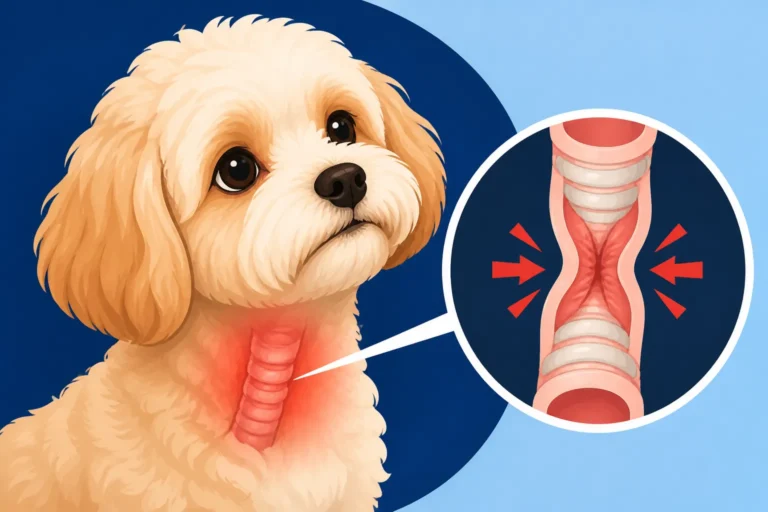
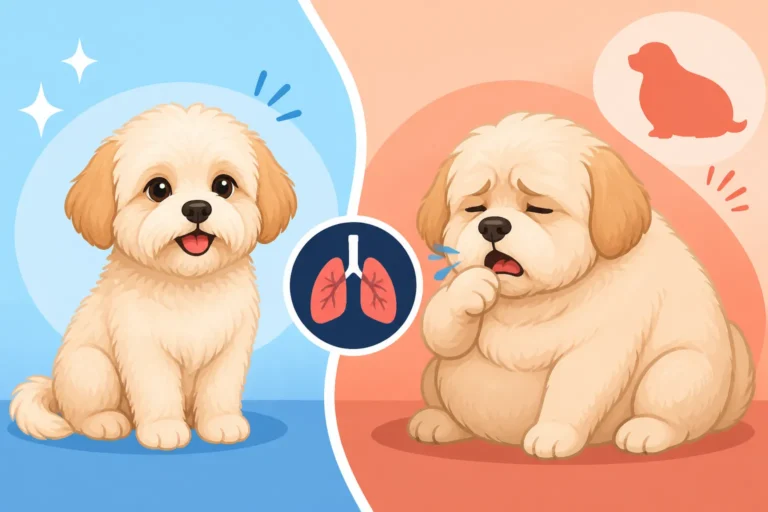
Bringing home a tiny Maltipoo puppy is an absolute joy, but it often comes with a secret worry lurking in the back of your mind: their incredible fragility. It's truly unnerving to see how delicate these little bundles of fluff can be, and one of the biggest concerns for new owners is the risk of hypoglycemia, or a sudden drop in blood sugar. This guide is here to shed light on the specific weight range where Maltipoo puppies are most vulnerable to this condition, helping you understand the risks and how to keep your precious little one safe and thriving.
Understanding Hypoglycemia and Small Puppy Vulnerability
It's a fact that smaller breeds, especially tiny puppies, are more prone to certain health issues, and hypoglycemia is top of that list for many Maltipoo parents. You're not imagining things; their tiny bodies really do operate differently, making them incredibly sensitive to changes in their environment and feeding schedule.
The Critical Threshold for Maltipoo Puppies
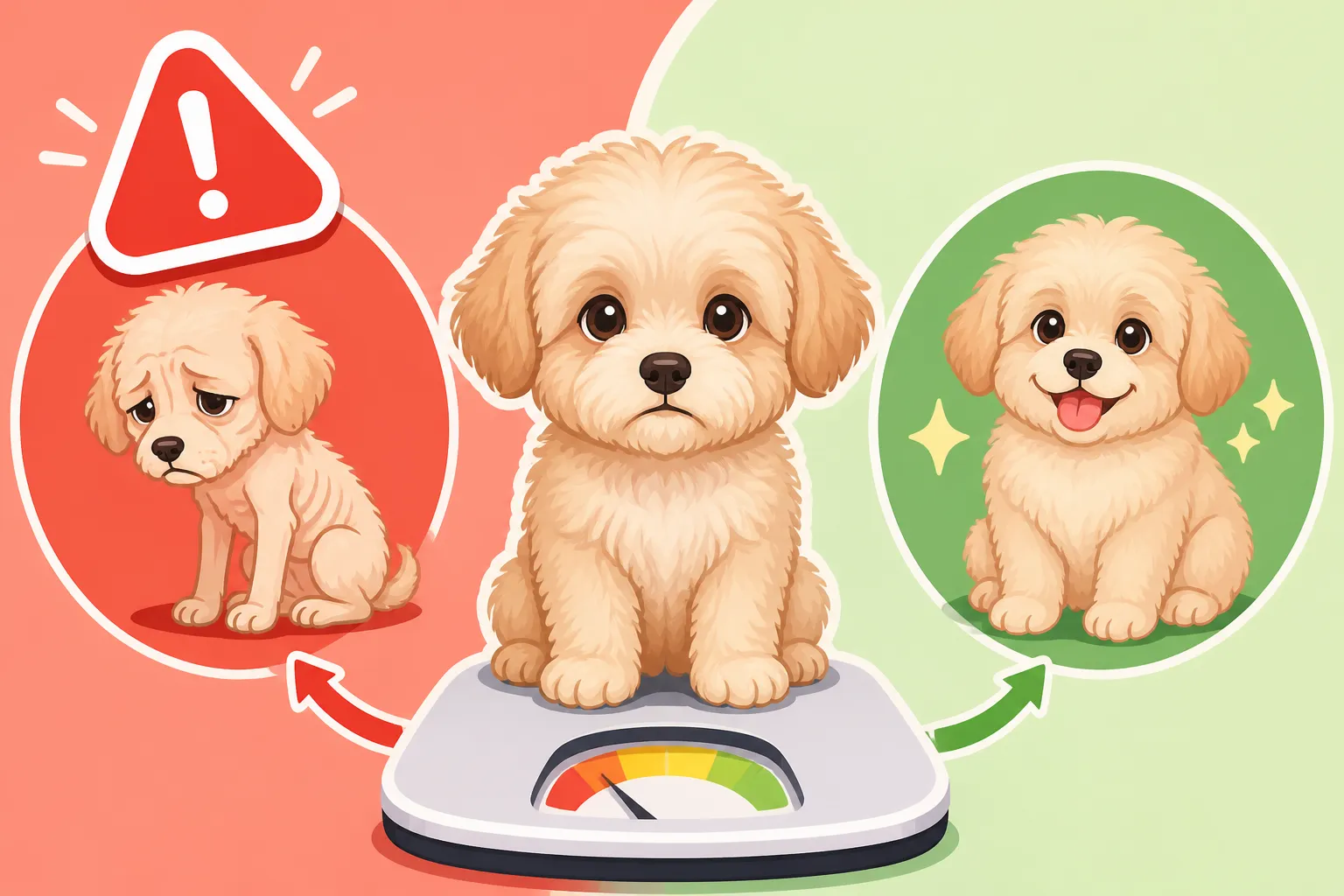
When we talk about Maltipoo puppies being "at risk" for hypoglycemia, we're primarily looking at those weighing under four pounds, particularly in their first few months of life. While any puppy can experience a sugar crash if they go too long without food or are under severe stress, those tiny ones weighing just a pound or two are in the highest danger zone. Think of it this way: a two-pound puppy has far less physiological reserve than an eight-pound puppy. Their systems are still incredibly immature, and they haven't developed the robust mechanisms to store glucose effectively in their livers, which is what larger, older dogs do to maintain stable blood sugar levels between meals.
This means that if a tiny Maltipoo puppy skips even one meal, or if they burn through their energy reserves too quickly due to playing, shivering, or stress, they can plunge into hypoglycemia alarmingly fast. Their tiny livers simply aren't up to the task of releasing enough stored glucose to keep their blood sugar steady. This vulnerability is why breeders often emphasize the importance of frequent feedings for smaller puppies and why topics like Hypoglycemia and the Teacup Maltipoo Puppy are so critical for new owners to understand. It's not just a recommendation; it's a matter of life and death for these little ones.
Why Size Exacerbates Risk
It might seem obvious, but the sheer smallness of a Maltipoo puppy plays a huge role in its susceptibility to conditions like hypoglycemia. Their tiny stature impacts several key physiological functions, creating a perfect storm for a sugar crash if proper care isn't taken.
Firstly, their metabolism is incredibly fast. These little dynamos are constantly burning energy, even when they seem to be just napping. Imagine a miniature engine running at high RPMs all the time; it requires constant fuel. A larger dog has a slower metabolic rate relative to its body mass, allowing it to go longer between meals. A small Maltipoo, however, chews through its energy stores rapidly, meaning even a slightly delayed meal can be enough to deplete its glucose reserves. This high metabolic rate also means they need a higher caloric intake per pound of body weight compared to larger dogs, something that can often surprise new owners who are used to larger breeds. This is why discussions around Why a Two Pound Maltipoo Cannot Skip a Meal are so vital – it highlights the unique dietary demands of these tiny pups.
Secondly, their temperature regulation is often inefficient. Small bodies have a larger surface area relative to their volume, which means they lose heat quickly. This is why you often see tiny Maltipoos shivering even indoors, or why they get cold easily. When a puppy gets cold, its body has to work harder to maintain its core temperature, burning through precious glucose reserves even faster. This vicious cycle can quickly lead to a hypoglycemic episode, as the puppy expends energy to stay warm, which in turn drops its blood sugar further, making it even harder to generate warmth. Understanding Whether a Small Maltipoo Regulates Its Temperature is crucial for setting up a safe environment.
Lastly, while not directly causing hypoglycemia, their immature immune systems also contribute to overall vulnerability. A sick or stressed puppy (even from something as minor as a new environment or travel) might eat less, or their body might be fighting off an infection, further taxing their energy reserves and increasing their risk of a sugar crash. Everything is connected in their tiny, developing bodies.
Recognizing the Signs and Taking Action
One of the most anxiety-inducing aspects of having a tiny Maltipoo puppy is knowing if they're just sleepy or truly in trouble. The signs of hypoglycemia can be subtle at first, but recognizing them quickly is absolutely critical for your puppy's survival.
Early Warning Signs of a Sugar Crash
When a Maltipoo puppy's blood sugar starts to dip, you might initially notice some changes that could easily be mistaken for normal puppy behavior. However, taken together or if they worsen, these are red flags. The very first signs often include a slight lethargy or decreased activity. Your normally playful pup might be less interested in toys, move a bit slower, or simply seem unusually quiet. They might also appear a bit disoriented or have a slightly wobbly or uncoordinated gait, as if they've had one too many clumsy puppy moments. This can progress to a more pronounced trembling or shaking, which isn't just from being cold – it's the body's response to low energy.
As the condition advances, these signs become much more severe and impossible to ignore. The puppy might become extremely weak, unable to stand or walk properly. You could notice them stumbling, appearing as if their legs just won't cooperate. Their gums might look pale (check by gently lifting their lip) and feel clammy, and their eyes might seem glazed over or distant. In the most severe cases, they can progress to seizures, collapse, and even fall unconscious. This rapid decline is terrifying to witness, which is why early detection and intervention are paramount. It's incredibly helpful to know What a Hypoglycemic Episode Looks Like in a Maltipoo so you can distinguish between normal puppy quirks and a genuine emergency. Learning to spot The Signs a Maltipoo Puppy Is Crashing can literally save their life.
Immediate Steps to Counter Hypoglycemia
If you suspect your Maltipoo puppy is experiencing a sugar crash, you need to act immediately. There's no time to waste debating or waiting. Your swift action can prevent a severe outcome.
Your very first step, if the puppy is conscious and able to swallow, is to get some form of sugar into their system. This is where things like Karo syrup, Nutri-Cal, or even a small amount of honey come in handy. Keep one of these on hand at all times, especially if you have a very small puppy. Gently rub a small amount (about a pea-sized drop for a tiny puppy) directly onto their gums. It will absorb quickly into their bloodstream. Do not try to force them to swallow a liquid, as they could aspirate it if they're too weak. The goal is absorption through the mucous membranes of the mouth. This is a critical first aid measure, and knowing Whether Karo Syrup Saves a Maltipoo Puppy is vital knowledge for any small breed owner. Many experienced owners recommend keeping a tube of Nutri-Cal, a high-calorie supplement, readily available. It's specifically formulated for this purpose, and understanding Keeping Nutri-Cal on Hand for a Maltipoo Puppy can be a game-changer.
After administering sugar, try to keep your puppy warm by wrapping them in a soft blanket or holding them close to your body. Hypoglycemia often goes hand-in-hand with hypothermia. Observe them closely for signs of improvement, such as increased alertness or a stronger ability to stand. Even if they seem to perk up, you should still contact your veterinarian immediately. A sugar crash is a serious event, and your vet will want to assess your puppy, ensure their blood sugar stabilizes, and identify any underlying causes. They can also administer IV fluids and glucose if necessary, which is far more effective than oral sugar in severe cases. Don't underestimate the severity; topics like What to Do When a Maltipoo Goes Limp emphasize the urgency of veterinary care. Remember, an emergency vet visit can be costly, but having pet insurance like Healthy Paws can provide immense relief by covering unexpected medical expenses during such critical times.
Proactive Care for Small Maltipoo Puppies
Prevention truly is the best medicine when it comes to hypoglycemia in small Maltipoo puppies. Establishing a consistent routine and a safe environment from day one can drastically reduce their risk.
The Importance of Frequent, Measured Meals
For tiny Maltipoo puppies, especially those under four pounds, a regular feeding schedule is non-negotiable. They simply cannot go long periods without food. This means feeding them small, frequent meals, typically every 2-4 hours during their waking hours, and sometimes even a late-night or early-morning snack depending on their age and size. As a general rule, puppies under 10-12 weeks, and certainly those under 4 lbs, should never go more than 4 hours without eating. This is a key takeaway highlighted in resources about How Often a Teacup Maltipoo Puppy Must Eat.
It's also crucial that these meals are measured carefully. Don't just eyeball it or rely on a standard scoop; these little ones need precise nutrition. Using a kitchen scale to weigh out their kibble (if feeding dry food) ensures they're getting exactly the right amount of calories. Overfeeding can lead to other problems, but underfeeding can be fatal. Consult your vet for precise caloric recommendations based on your puppy's current weight and activity level. As they get a little older, you can gradually extend the time between meals, but always do so slowly and under the guidance of your veterinarian. The question of Whether a Maltipoo Puppy Should Be Fed Overnight is a common one, and for very tiny or at-risk puppies, the answer is often a resounding yes for the first few weeks.
Consistency isn't just about timing; it's also about making sure they eat. Some tiny puppies can be finicky eaters. You might need to make their food a bit more enticing by adding a tiny bit of warm water or low-sodium chicken broth, or trying a different small-breed specific puppy food. Always ensure they finish their meals to maintain stable blood sugar.
Creating a Safe and Stable Environment
A puppy's environment plays a massive role in their overall health and stress levels, which directly impacts their risk of hypoglycemia. Small Maltipoos are particularly sensitive to their surroundings.
First and foremost, maintaining a consistent and warm temperature is vital. As mentioned earlier, tiny Maltipoos struggle with regulating their body temperature, especially puppies. Keep their living space free from drafts, and consider a warm bed or even a snuggled toy with a heat pack (ensure it's not too hot and always has a barrier) to help them stay cozy. A sweater or a puppy coat can also be beneficial, especially if your home tends to be on the cooler side or if they spend time outdoors in chilly weather. Thoughts around Whether a Maltipoo Gets Cold Easily are very real and should be addressed proactively.
Secondly, stress management is paramount. A new home, loud noises, being handled roughly, too much playtime, or even being left alone for too long can all cause stress in a small puppy. Stress hormones can deplete glucose reserves rapidly, making them ripe for a sugar crash. Ensure your puppy has a quiet, secure den area where they can retreat and feel safe. Limit visitors and overly boisterous play, especially in the first few weeks. Teach children how to handle them gently, always sitting on the floor. It's important to understand Whether Stress Triggers a Maltipoo's Sugar Crash as it's a significant contributing factor to hypoglycemia.
Finally, constant supervision is crucial for tiny puppies. This isn't just about preventing accidents; it's about monitoring their eating habits, activity levels, and overall demeanor. An unsupervised puppy might wander off, get stuck in a cold spot, or simply not eat when offered food. During these critical first few months, it's almost like having a newborn baby – you need to be constantly aware of their needs and quick to respond to any changes.
Partnering with Your Veterinarian
Your veterinarian is your most important ally in keeping your Maltipoo puppy healthy and safe. Establishing a strong relationship and open communication from the moment you bring your puppy home is essential.
Regular veterinary check-ups are crucial, especially for tiny puppies. Your vet will monitor their growth, ensure they are gaining weight appropriately, and screen for any potential health issues. They can also offer tailored advice on feeding schedules, caloric intake, and environmental management based on your puppy's individual needs. Don't hesitate to schedule their first check-up within a few days of bringing them home. Knowing What a Maltipoo's First Vet Visit Should Include will help you prepare and ask the right questions.
Be proactive in discussing any concerns with your vet, no matter how minor they seem. If your puppy seems lethargic, isn't eating well, or if you're worried about their weight gain, bring it to your vet's attention immediately. They are the experts and can offer guidance before a minor issue escalates into a serious problem.
Lastly, consider pet insurance from an early age. Bringing a puppy home is an exciting time, but unexpected health emergencies, especially with delicate small breeds, can happen. Companies like Healthy Paws offer comprehensive coverage that can help mitigate the financial stress of emergency vet visits, diagnostic tests, and treatments for conditions like severe hypoglycemia or any other health issues that might arise. Enrolling your puppy when they're young and healthy ensures they're covered before any pre-existing conditions develop, giving you peace of mind that you can always provide the best care without worrying about the cost.
Long-Term Outlook and When the Risk Subsides
It's natural to feel overwhelmed by the constant vigilance required for a tiny Maltipoo puppy, but the good news is that this period of extreme vulnerability doesn't last forever.
Growth and Maturation Milestones
Maltipoo puppies typically start to outgrow the highest risk of severe hypoglycemia once they reach about 12 to 16 weeks of age and have surpassed the four-pound mark. As they grow, their bodies mature, and their livers become more efficient at storing and releasing glucose. Their metabolic rate also begins to stabilize somewhat, and they develop better thermal regulation. This means they can go longer between meals without their blood sugar plummeting.
However, it's important to understand that there's a spectrum. A Maltipoo that reaches a healthy weight of 6-8 pounds as an adult will generally have a much lower risk than a true "teacup" Maltipoo that remains under 4-5 pounds even in adulthood. While the risk significantly diminishes with age and size, extra small adults still warrant a more cautious approach to feeding schedules and stress management. Understanding The Age a Maltipoo Grows Out of Hypoglycemia Risk can help alleviate some of the initial anxiety, but it's important to be realistic about ongoing care for particularly tiny individuals.
Continuing Vigilance for Smaller Adults
Even when your Maltipoo puppy has grown into a healthy adult, especially if they remain on the smaller side (under 5 pounds), it's wise to continue some degree of vigilance. True "teacup" Maltipoos, those who never really get beyond 4-5 pounds, may always have a slightly elevated risk of hypoglycemia, particularly if they become ill, are under unusual stress, or go too long without food. The question of Whether a Teacup Maltipoo Ever Stops Being at Risk highlights this ongoing consideration.
For smaller adult Maltipoos, this means maintaining good dietary practices, ensuring they eat regular, balanced meals, and avoiding prolonged fasting. If your small adult Maltipoo is ever ill, vomiting, or experiencing diarrhea, it's critical to monitor their food intake and consult your vet immediately, as these conditions can quickly lead to dehydration and blood sugar drops.
It's also worth reiterating the value of pet insurance. Even for an adult Maltipoo, unexpected illnesses or accidents can lead to situations where their appetite is affected, or their body is under stress, potentially triggering a hypoglycemic episode. Having a plan with a provider like Healthy Paws in place means you're prepared for whatever life throws your way, ensuring your beloved companion always receives prompt and thorough veterinary care. It’s an investment in their long-term health and your peace of mind.
Maltipoo Puppy Critical Weight Ranges and Care
Here's a quick overview of the critical weight ranges for Maltipoo puppies and the associated care considerations:
| Weight Range | Age (Approx.) | Hypoglycemia Risk Level | Key Care Considerations |
|---|---|---|---|
| Under 2 lbs | 8-12 weeks | Very High | Extremely frequent feeding (every 2-3 hours), constant warmth, minimal stress, immediate vet contact at first sign of trouble. Keep Karo syrup/Nutri-Cal on hand. Often requires overnight feeding. |
| 2 lbs to under 4 lbs | 8-16 weeks | High | Frequent feeding (every 3-4 hours), stable environment, careful monitoring of activity/stress. Ensure adequate caloric intake. Consider overnight feeding if still very small. |
| 4 lbs to under 6 lbs | 12 weeks – 6 months | Moderate | Risk decreases but still present, especially if stressed or missing meals. Maintain regular feeding schedule (3-4 meals/day). Ensure consistent warmth and supervision. |
| 6 lbs and above | 4-6 months and older | Lower (Standard) | Risk similar to other small breed puppies. Continue with regular meals (2-3 meals/day), balanced nutrition. Focus shifts more to general puppy health and preventing other issues, though vigilance is always wise for any small dog, especially when ill. |
Disclaimer
The information provided in this article is for general informational purposes only and is not a substitute for professional veterinary advice, diagnosis, or treatment. Always seek the advice of your veterinarian or other qualified animal health provider with any questions you may have regarding a medical condition or the health and well-being of your pet. Never disregard professional veterinary advice or delay in seeking it because of something you have read in this article.