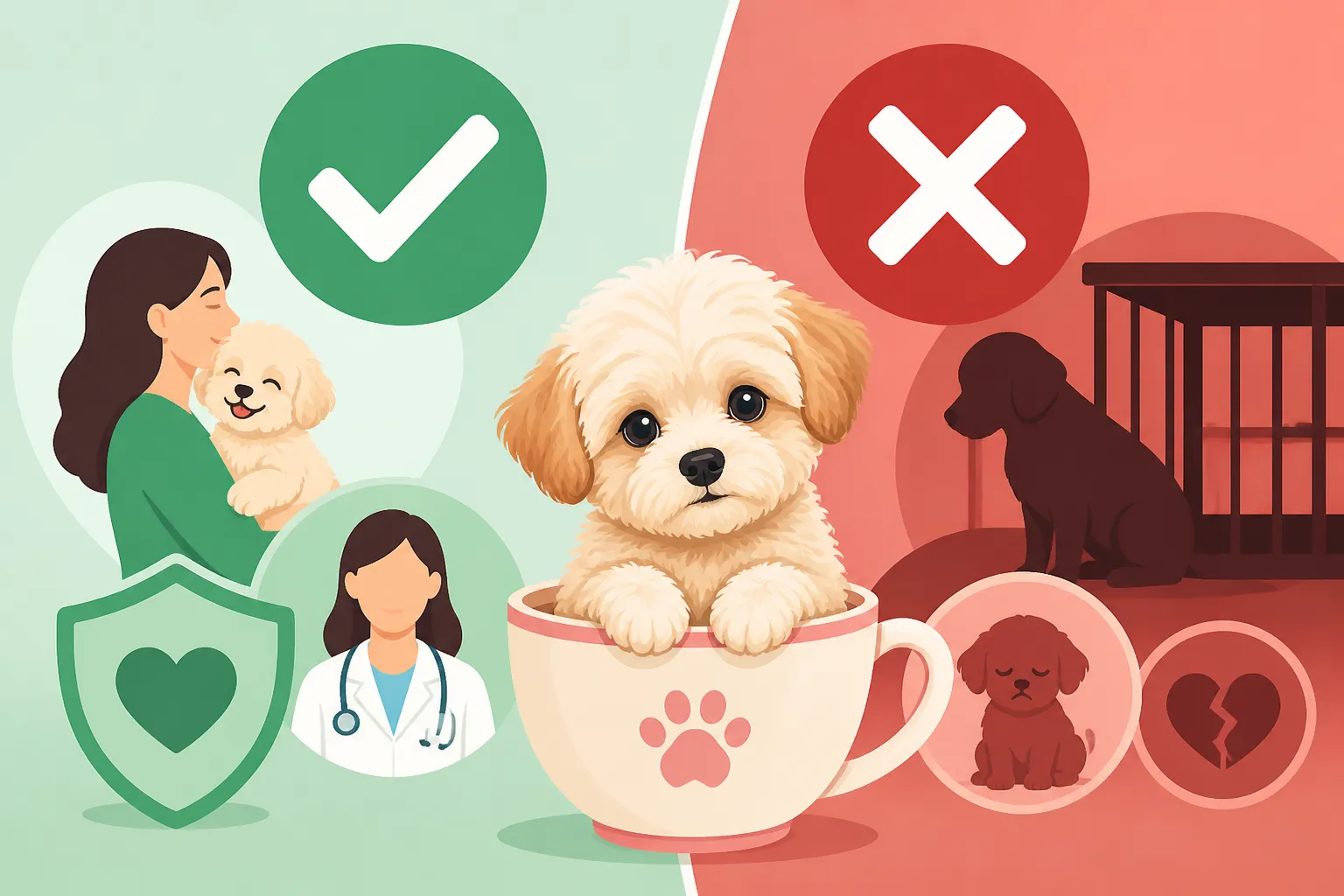
Whether a Teacup Maltipoo Should Be Bred at All
Many aspiring Maltipoo owners dream of a tiny, pocket-sized companion, often captivated by the "teacup" label. However, the pursuit of extreme miniature size in Maltipoos can come with profound health consequences, creating a heartbreaking reality for both the dogs and their unsuspecting families. This guide will delve deep into why breeding a Maltipoo specifically for "teacup" dimensions is often an ethically questionable practice, detailing the significant medical and financial burdens it places on these delicate creatures and their dedicated owners.
Understanding the "Teacup" Phenomenon in Maltipoos
The term "teacup" has become a powerful marketing tool in the pet world, conjuring images of impossibly small, dainty dogs. For Maltipoos, a breed already known for its smaller stature, the "teacup" designation pushes the boundaries even further, often into a realm where health and welfare are severely compromised.
The Allure and Ambiguity of the Term "Teacup"
It’s easy to fall in love with the idea of a tiny dog. They fit perfectly into small apartments, can be carried almost anywhere, and seem to embody an adorable, doll-like quality. Breeders, recognizing this demand, often use terms like "teacup," "micro," or "tiny toy" to describe Maltipoos that are expected to mature at weights under five pounds, sometimes even as low as two or three pounds. The problem is, "teacup" isn't a recognized breed standard or an official size classification by any reputable canine registry. It's a descriptor, often loosely applied, that has no medical or biological basis beyond indicating extreme smallness.
This lack of official definition means there's no regulation on what constitutes a "teacup" Maltipoo. It's left entirely to the breeder, and unfortunately, this can lead to individuals being marketed as "teacups" when they are, in reality, simply the runts of a litter or puppies that will struggle with lifelong health issues directly attributable to their size. The desire for these ultra-small dogs often overshadows critical considerations about their well-being, leading many prospective owners to pay premium prices for pets that are inherently fragile.
The Health Risks Associated with Extreme Small Size
While Maltipoos are generally small dogs, typically ranging from 5 to 20 pounds depending on their Poodle parent, pushing them into the "teacup" category often means their bodies are simply too miniature to function optimally. These dogs are not just smaller versions of healthy Maltipoos; they often suffer from a range of severe and persistent health problems that stem directly from their underdeveloped systems.
One of the most immediate concerns is Hypoglycemia and the Teacup Maltipoo Puppy. Their tiny bodies have very little fat reserve, making it incredibly difficult to regulate blood sugar. A missed meal or even slight stress can send a teacup Maltipoo into a life-threatening sugar crash, which can be terrifying for an owner to witness. Beyond this, their bones are incredibly fragile, making them highly susceptible to fractures from even minor falls, such as jumping off a sofa – a risk often exacerbated if they also suffer from conditions like luxating patellas. It's crucial for owners to understand Whether a Maltipoo Breaks a Leg Jumping Off a Sofa because for a tiny teacup, even a short drop can be devastating.
Temperature regulation is another huge issue. Their small body mass means they lose heat very quickly and can struggle immensely in even moderately cool environments, often shivering and being unable to warm themselves effectively. Their organs can also be disproportionately small or underdeveloped, leading to chronic issues like portosystemic shunts. As we explore in The Liver Shunt a Maltipoo Can Inherit From the Maltese, this can be a serious, life-threatening condition requiring complex and costly veterinary intervention. These are not just minor inconveniences; they are fundamental physiological challenges that severely impact a dog's quality of life and longevity.
The Ethical and Medical Challenges of Breeding Teacup Maltipoos
The very act of breeding for "teacup" size raises significant ethical questions because it often prioritizes aesthetics and market demand over the inherent health and welfare of the animals. This isn't just about accidental smallness; it's often a deliberate process that introduces severe risks.
Intentional Breeding for "Teacup" Size
How do breeders produce these extremely small Maltipoos? Often, it involves breeding the smallest dogs they can find, sometimes even breeding runts from litters. This practice deliberately concentrates genes associated with small stature, but these genes are frequently linked to other, less desirable traits that lead to debilitating health issues. It's a gamble with a dog's health for the sake of size. When breeders deliberately choose parents at the lower end of the size spectrum, or even those who might have health challenges related to their own small size, they are increasing the likelihood of passing these vulnerabilities on to the next generation.
The pregnancy and birthing process itself becomes incredibly risky for a "teacup" dam. Her tiny body may struggle to carry and deliver a litter, often requiring emergency C-sections, which are not only expensive but also carry significant risks for the mother. Furthermore, the puppies born from such breedings are often excessively fragile. They may have low birth weights, making them prone to Hypoglycemia and the Teacup Maltipoo Puppy right from birth, and a higher mortality rate. Breeders often have to provide intensive care, including round-the-clock feeding and temperature regulation, simply to keep these tiny newborns alive. This cycle of breeding for extreme smallness can be a brutal one, fraught with complications and heartbreak.
The Lifelong Health Burden on Teacup Offspring
For the "teacup" Maltipoo puppies who do survive, the challenges don't end at birth. They are often predisposed to a lifetime of medical conditions that require constant vigilance and costly care.
- Persistent Hypoglycemia: Beyond puppyhood, many teacup Maltipoos remain at risk of sugar crashes, meaning owners must be incredibly diligent with feeding schedules. Even as adults, Whether a Teacup Maltipoo Ever Stops Being at Risk is a serious concern, requiring owners to keep emergency sugar supplements like Nutri-Cal on hand.
- Fragile Bones and Joints: Their delicate bone structure makes them highly susceptible to fractures. A simple misstep, a fall from a chair, or even rough play can result in a broken leg. They are also prone to conditions like luxating patellas, where the kneecap slips out of place, causing pain and lameness.
- Organ Underdevelopment and Dysfunction: Internal organs like the liver, heart, and kidneys may not develop fully or function properly. Liver shunts, mentioned previously, are a prime example, but heart conditions and kidney issues can also manifest. Brain conditions like Whether a Maltipoo Gets Hydrocephalus ("water on the brain") are also more prevalent in ultra-small breeds, adding another layer of neurological concern.
- Dental Crowding: Despite their tiny jaws, Maltipoos still have 42 adult teeth. In a teacup's mouth, this leads to severe overcrowding, causing pain, gum disease, and premature tooth loss. The Forty Two Teeth Crowding a Maltipoo's Jaw often simply don't fit, necessitating expensive dental procedures, including extractions, early in life.
- Difficulty with Anesthesia: Performing any surgical procedure on a "teacup" Maltipoo carries elevated risks. Their tiny size makes them challenging to intubate, and their fragile systems struggle to metabolize anesthesia. Owners often face agonizing decisions when a routine dental or spay/neuter becomes a life-threatening event, grappling with Whether a Maltipoo Under Four Pounds Survives Anesthesia. This is a major concern for veterinarians and owners alike.
The Financial and Emotional Cost to Owners
The appeal of a "teacup" Maltipoo often comes with a hidden cost – one that can quickly add up financially and take a heavy emotional toll on their human companions.
High Veterinary Bills and Specialized Care
Purchasing a "teacup" Maltipoo might seem like a dream come true, but the reality often involves a continuous stream of veterinary expenses. From emergency visits for hypoglycemic episodes to ongoing management of chronic conditions, the bills can quickly become overwhelming. For instance, What an Emergency Sugar Crash Costs a Maltipoo Owner can be hundreds, if not thousands, of dollars for diagnostics, IV fluids, and hospitalization.
Here's a breakdown of common costs:
| Health Concern | Potential Cost Range (USD) | Notes |
|---|---|---|
| Hypoglycemia Emergency | $300 – $2,000+ | Vet visit, blood tests, IV dextrose, hospitalization. |
| Dental Procedures | $500 – $3,000+ | Cleaning, extractions, anesthesia for small dogs. Often yearly. |
| Fracture Repair | $1,500 – $6,000+ | Surgery, pins/plates, casts, follow-up X-rays, pain medication. |
| Liver Shunt Surgery | $3,000 – $10,000+ | Complex abdominal surgery, pre/post-op care, specialized diagnostics. |
| Specialized Anesthesia | Additional $200 – $800 | For experienced anesthesiologists and specialized monitoring equipment. |
| Chronic Medication | $50 – $200 per month | For heart conditions, seizure management, pain relief, etc. |
These are not one-off expenses but often recurring or lifelong commitments. Many "teacup" Maltipoos require specialized care from veterinarians experienced with very small breeds, and some even need consultations with specialists like internal medicine veterinarians or cardiologists. This is where pet insurance can become an absolute lifesaver. Companies like Healthy Paws offer comprehensive plans that can cover a significant portion of these unexpected and often unavoidable veterinary expenses. Investing in a good policy from Healthy Paws early on can provide crucial peace of mind and ensure your tiny companion gets the best possible care without financially crippling you. It’s definitely something to consider if you're taking on a Maltipoo, especially one on the smaller side.
The Emotional Toll of a Chronically Ill Pet
Beyond the financial strain, living with a "teacup" Maltipoo that is constantly battling health issues can be emotionally exhausting. Owners often find themselves in a perpetual state of worry, constantly monitoring their pet for signs of distress, administering medications, and adjusting their lives to accommodate special needs. The constant fear of injury or sudden illness can prevent owners from enjoying a normal pet-owner relationship.
The joy of companionship can be overshadowed by the stress of managing a fragile life. Seeing your beloved pet suffer, knowing their problems are often a direct result of their extreme size, can lead to feelings of guilt and helplessness. This is a profound emotional burden. The average lifespan for a healthy Maltipoo is The Twelve to Fifteen Years a Maltipoo Lives, but for a teacup, this can be significantly shortened due to compounding health problems, leading to earlier heartbreak. When choosing a dog, it's vital to consider What Breeding Smaller Costs a Maltipoo in terms of their long-term health and the emotional investment you will need to make. Even with the best care, and a great insurance plan from Healthy Paws, the emotional toll of a chronically ill pet remains immense.
Responsible Breeding Practices and Choosing a Healthy Maltipoo
Given the significant risks associated with "teacup" Maltipoos, it's paramount to understand what constitutes responsible breeding and how to choose a healthy, well-adjusted companion.
Prioritizing Health Over Extreme Size
Responsible breeders understand that the health and temperament of their dogs must always come before market trends or perceived cuteness. They will not intentionally breed for extreme smallness, nor will they market runts as "teacups." Instead, they focus on producing Maltipoos within a healthy size range, typically 5-10 pounds for a toy size or 10-20 pounds for a miniature, ensuring their dogs have robust constitutions.
A reputable breeder will:
- Conduct Health Testing: They will thoroughly screen parent dogs for genetic conditions common in Maltipoos' parent breeds (Maltese and Poodle), such as luxating patellas, progressive retinal atrophy (PRA), and liver shunts. They should be able to provide documentation, such as The Four Certificates a Maltipoo Breeder Should Show, proving these health clearances.
- Avoid Breeding Runts: They understand that runts are often weaker and more prone to health issues, and breeding them perpetuates these problems.
- Prioritize Temperament: Healthy dogs with stable temperaments make better pets. Responsible breeders aim for this over arbitrary size goals.
- Offer Health Guarantees: A good breeder will offer a health guarantee for their puppies, often for at least one year, covering serious genetic conditions.
When looking for a Maltipoo, don't be swayed by breeders who heavily advertise "teacup" sizes or charge exorbitant prices for them. Focus instead on breeders who emphasize the health, temperament, and ethical treatment of their dogs. A dog's size should be a natural outcome of healthy breeding, not a primary objective achieved at the expense of its well-being.
How to Find a Reputable Breeder
Finding a reputable Maltipoo breeder requires diligence and a critical eye. Avoid online classifieds or pet stores that cannot provide transparent information about their puppies' origins and parents. These sources are often linked to puppy mills, where profit is prioritized over animal welfare.
Here's what to look for:
- Transparency: A good breeder will be open and honest about their breeding practices, health testing, and any potential health risks in their lines. They should readily answer all your questions and not pressure you into a sale.
- Parental Information: Ask to meet both parent dogs if possible, or at least the mother. Observe their health, temperament, and living conditions. This will give you a good indication of what your puppy's adult size and disposition might be. Also, inquire about the parent's weights and the average size of their previous litters to help predict your puppy's adult weight, rather than relying on a vague "teacup" label.
- Clean and Nurturing Environment: The puppies should be raised in a clean, stimulating, and loving home environment, not in isolated kennels or cages.
- Veterinarian References: A reputable breeder will have a good relationship with a local veterinarian and should be willing to provide their contact information as a reference.
- Contract and Support: They will provide a clear written contract detailing health guarantees, return policies, and neuter/spay clauses. They should also offer ongoing support and be available to answer questions after you take your puppy home.
Remember, a healthy Maltipoo, even one that falls into the smaller "toy" category, is a wonderful companion. Investing in a dog from a responsible breeder means investing in a lifetime of joy, minimizing the risks of chronic illness and the associated financial and emotional strain. It’s an investment that can also be safeguarded by considering pet insurance from providers like Healthy Paws, which can further ensure that your cherished companion has access to necessary veterinary care throughout their happy, healthy life.
Disclaimer
This article is for general informational purposes only and does not constitute professional advice. Laws, prices and regulations vary by location and change over time. Consult a qualified professional for guidance on your specific situation.