Whether a Maltipoo Gets Cold Easily
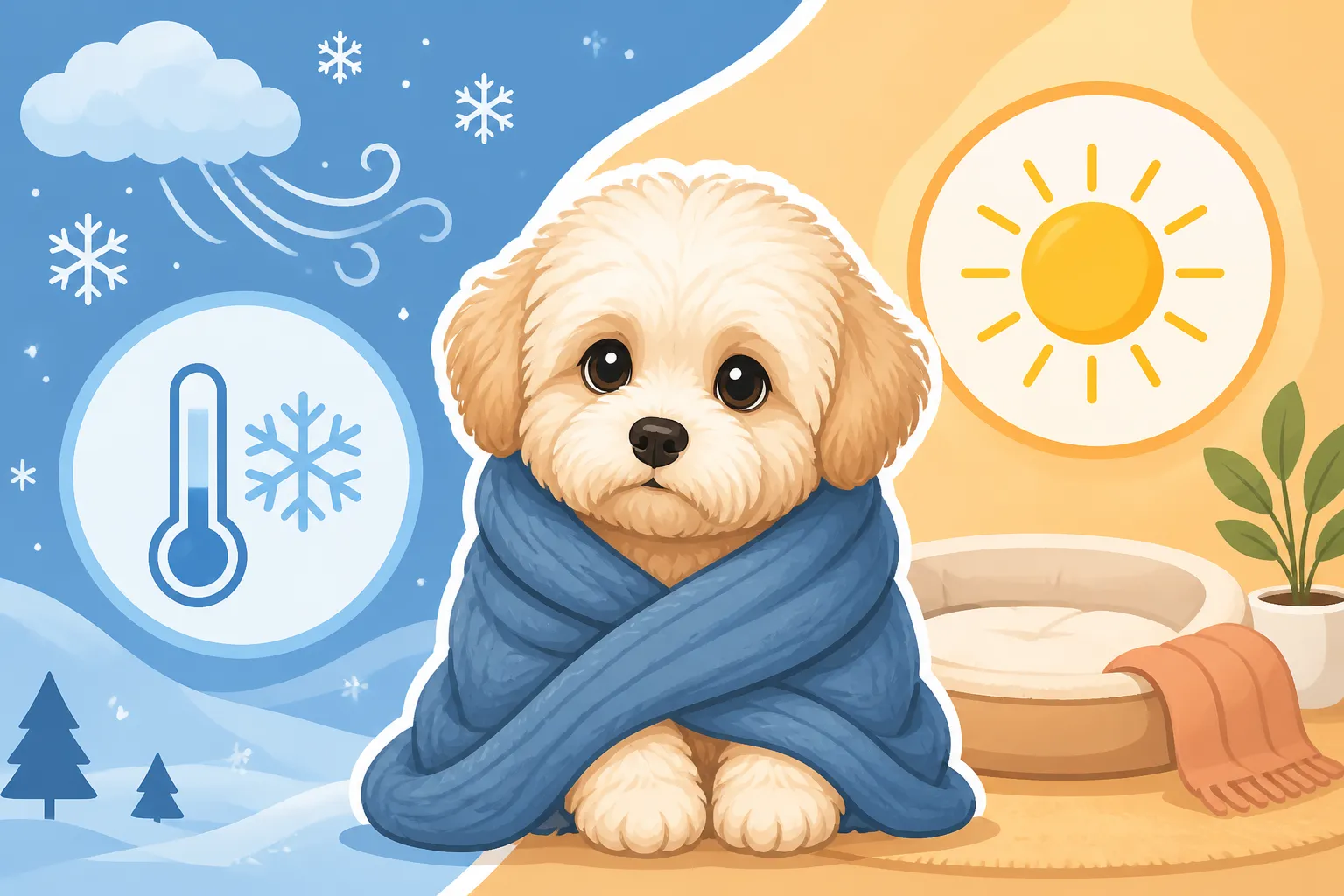
One of the most common worries new Maltipoo parents have, especially as the temperatures drop, is whether their little fluffball is warm enough. It’s absolutely heartbreaking to see your tiny companion shivering, and it often leaves us wondering if they’re just naturally cold, or if there’s something we should be doing differently. This guide is all about understanding why Maltipoos are prone to feeling the chill and, more importantly, what you can do to keep your beloved pup cozy and comfortable, no matter the weather.
Why Your Little Maltipoo Gets Chilly So Easily
It's not just your imagination; Maltipoos genuinely tend to feel the cold more acutely than many other breeds. There are several biological and physiological reasons why these charming little dogs are often shivering when you're still feeling perfectly comfortable. Understanding these factors is the first step in providing them with the warmth and protection they need.
Small Body Size and High Surface Area
Think about it: a tiny Maltipoo, especially those on the smaller end of the spectrum, has a much higher surface area to volume ratio compared to a larger dog. This means they lose body heat to the environment at a much faster rate. Imagine a small glass of hot water versus a large pot; the small glass cools down quicker, right? It's the same principle for our Maltipoos. Their compact size, which we adore, is also their biggest challenge when it comes to regulating body temperature in cooler conditions. A two-pound Maltipoo, for example, will struggle far more in chilly weather than a ten-pound one. This vulnerability is a key reason why discussions around Whether a Teacup Maltipoo Ever Stops Being at Risk for issues like hypoglycemia often include concerns about temperature regulation.
Lack of Insulating Undercoat
Unlike breeds such as Huskies, German Shepherds, or even many larger Poodles, Maltipoos typically inherit a single coat from their Maltese and Poodle parents. While this non-shedding, hypoallergenic coat is a huge plus for allergy sufferers and keeps our homes cleaner, it doesn't offer the same insulation against the cold as a dense double coat. The fluffy, soft texture of a Maltipoo's fur provides some warmth, but it's more like wearing a light sweater than a heavy winter coat. This is a significant factor in The Coat a Maltipoo Gets From Two Non Shedding Parents and why it behaves differently in various temperatures. They simply don't have that extra layer of protection to trap heat close to their bodies when the mercury drops.
Lower Body Fat Reserves
Most Maltipoos are naturally lean, especially when they're kept at a healthy weight. While this is great for their joints and overall health throughout The Twelve to Fifteen Years a Maltipoo Lives, it means they have fewer natural fat reserves to rely on for insulation. Fat acts like a natural blanket under the skin, helping to keep core body temperature stable. Without a significant layer of fat, their internal systems have to work harder to generate and maintain warmth, making them more susceptible to feeling cold even in moderately cool indoor environments. If your Maltipoo is even slightly underweight, this issue can become even more pronounced, making it harder for them to stay warm.
Recognizing the Signs Your Maltipoo is Too Cold
It's not always obvious when your Maltipoo is feeling the chill, especially if they're trying to be brave or are naturally less vocal. As loving owners, it's our responsibility to be vigilant and recognize the subtle and not-so-subtle cues that tell us our little friend needs some extra warmth. Learning to read these signs can prevent discomfort and, in more severe cases, health issues.
Visible Shivering and Trembling
This is probably the most common and undeniable sign that your Maltipoo is cold. Just like humans, dogs shiver involuntarily to generate heat when their body temperature starts to drop. The trembling might be subtle at first, a slight quiver, or it can become quite pronounced, making their whole body shake. It's crucial to distinguish this from other types of trembling, which could indicate stress, fear, or even a medical issue. If you're unsure, it's worth reading up on Whether a Trembling Maltipoo Is Cold or Sick to understand the nuances. If you notice persistent shivering, especially when they're in an environment that feels cool to you, it’s a clear signal to get them warmed up.
Hunching, Curling Up, or Seeking Shelter
When a Maltipoo is cold, their natural instinct is to make themselves as small as possible to conserve body heat. You might see them hunching their back, tucking their tail tightly between their legs, or curling up into a very tight ball when resting or sleeping. They'll actively seek out warmer spots, burrowing under blankets, cushions, or even trying to squeeze themselves into tight spaces where they feel more protected from the cold. If your usually outgoing pup suddenly prefers to be under a pile of laundry or nestled deep within your sweater, take it as a sign they're feeling chilly.
Cold Extremities and Changes in Gums
Another reliable indicator is checking their paws, ears, and nose. If these areas feel noticeably cool or cold to the touch, it means their body is diverting blood flow to their core organs to keep them warm, a protective measure. While a slightly cool nose can be normal, if their paws and ears feel genuinely cold, it's a red flag. You might also notice their gums appear paler than usual. This is a sign of reduced blood flow and circulation, which occurs when their body is struggling to maintain its core temperature. This symptom, in particular, warrants immediate attention to warm them up, as it can indicate more significant cold stress.
Lethargy and Reluctance to Move
A cold Maltipoo might become unusually quiet, withdrawn, or lethargic. They might not be as eager to play, go for a walk, or even greet you with their usual enthusiasm. Their movements might be slow or stiff, and they might seem generally subdued. If your energetic Maltipoo suddenly seems low on energy and uncharacteristically still, especially after spending time in a cooler area, it could be a sign they're using all their energy to stay warm. It's important not to dismiss this as just being tired; persistent lethargy combined with other signs of cold definitely points to them needing warmth.
Practical Ways to Keep Your Maltipoo Warm and Toasty
Once you understand why your Maltipoo gets cold and can recognize the signs, the next step is proactive care. Luckily, there are many simple and effective strategies you can employ to ensure your furry friend stays warm and comfortable, whether you're indoors or venturing outside.
Creating a Cozy Indoor Environment
Your home is your Maltipoo's sanctuary, and making it a warm haven is paramount.
- Regulate Home Temperature: Ideally, keep your home's temperature consistent and comfortable, especially in colder months. Most small dogs, including Maltipoos, thrive in environments where the temperature is between 68-72°F (20-22°C). For very small or older Maltipoos, you might even consider the higher end of that range. Avoid sudden temperature fluctuations, which can be particularly jarring for them. Remember, The Temperature a Maltipoo Starts Shivering At can vary, but generally, anything below 60°F (15°C) will likely make them uncomfortable, and prolonged exposure can be dangerous.
- Provide Warm Sleeping Spots: Invest in a soft, plush dog bed with high sides that can trap warmth, or even an enclosed "cave" bed where they can burrow. Place blankets in their favorite lounging spots. Many Maltipoos love to snuggle under a soft fleece blanket. You can even consider a self-warming pet mat, which uses their own body heat to reflect warmth back, or a microwavable bed warmer, ensuring it's not too hot before they use it.
- Block Drafts: Position their beds away from drafty windows or doors. Cold air can seep in even through small cracks, making a significant difference to a small dog lying on the floor. You might consider draft stoppers for doors or even heavy curtains for windows during winter nights. A cozy crate with a blanket draped over it can also provide a snug, draft-free retreat.
Essential Outdoor Protection
Stepping outside in cooler weather requires a little extra preparation for your Maltipoo.
- Appropriate Apparel: This is where doggy fashion meets function! Sweaters and coats are not just adorable; they're essential for Maltipoos in cold weather. A good quality sweater or coat should cover their back and belly to provide maximum warmth. Look for materials that are soft, comfortable, and easy to clean. For very cold or wet conditions, a waterproof and insulated coat is best. You can learn more about choosing the right gear in articles like Whether a Maltipoo Needs a Sweater Indoors and Whether a Maltipoo Needs a Coat Outdoors.
- Limit Outdoor Time: In freezing temperatures, short, frequent potty breaks are better than one long walk. Their tiny paws can get very cold quickly, and prolonged exposure to snow or ice can lead to frostbite. If you have a yard, consider clearing a small patch for them to do their business quickly.
- Protect Paws: Ice, snow, and especially de-icing salts can be harsh on delicate paw pads. Dog boots are an excellent option for protection, though some Maltipoos take time to get used to them. Alternatively, apply a paw balm or wax before going out, which creates a protective barrier. Always clean their paws thoroughly with warm water after walks to remove any salt or chemicals, as discussed in Washing Road Salt Off a Maltipoo's Feet.
Nutrition and Overall Health
A healthy body is better equipped to handle temperature changes.
- Maintain a Healthy Weight: While we noted that naturally lean Maltipoos have fewer fat reserves, being underweight can make them even more susceptible to cold. Conversely, obesity brings its own set of health problems. Work with your vet to ensure your Maltipoo is at an ideal body weight. If your pup needs to gain or lose a little, understanding Getting a Pound Off an Overweight Maltipoo can be helpful, but always consult your vet for a tailored plan.
- Consistent Hydration and Nutrition: Ensure your Maltipoo always has access to fresh water. Proper hydration is vital for all bodily functions, including temperature regulation. A balanced diet provides the energy their body needs to generate heat. For puppies, especially small ones, regular meals are critical. Remember Why a Two Pound Maltipoo Cannot Skip a Meal due to the risk of hypoglycemia, which can also impact their ability to regulate body temperature.
| Situation | Signs Your Maltipoo is Cold | Recommended Action |
|---|---|---|
| Mild Chill (Indoors) | Slight shivering, seeking warmth (lap, blanket), less active. | Increase room temperature slightly, provide a warm bed/blanket, offer a cozy sweater. |
| Outdoor Exposure | Shivering, hunched posture, lifting paws, reluctance to move. | Put on a warm, well-fitting coat/sweater. Limit outdoor time to short potty breaks. Protect paws with balm or boots. |
| Prolonged Cold | Persistent shivering, lethargy, cold extremities (ears, paws, nose), pale gums. | Bring indoors immediately. Wrap in warm blankets. Offer a small, warm (not hot) meal. If no improvement, contact vet. |
| Severe Cold/Hypothermia | Extreme lethargy, muscle stiffness, shallow breathing, unresponsive, very cold to touch. | Emergency situation. Warm slowly with blankets. Apply warm water bottles (wrapped in cloth) to chest/abdomen. Seek immediate veterinary care. Do NOT use hot water. |
When to Seek Veterinary Advice for Persistent Coldness
While taking steps to keep your Maltipoo warm is usually effective, there are times when persistent coldness or unusual reactions to cold environments warrant a trip to the vet. It’s important to remember that sometimes, what looks like just being cold could be a symptom of a deeper health issue.
Ruling Out Underlying Health Conditions
If your Maltipoo seems perpetually cold, shivers excessively, or struggles to warm up even in comfortable indoor temperatures, it’s always best to consult your veterinarian. Conditions like hypothyroidism, low blood sugar (hypoglycemia, especially in small puppies as detailed in Hypoglycemia and the Teacup Maltipoo Puppy), or certain cardiovascular issues can affect a dog's ability to regulate its body temperature. A vet can perform diagnostic tests to rule out these or other medical problems that might be making your Maltipoo unusually susceptible to cold. They can also offer specific advice tailored to your dog's individual health profile as part of The Daily Routine a Maltipoo Needs.
Recognizing Symptoms of Hypothermia
While mild coldness is manageable at home, severe exposure can lead to hypothermia, a dangerous drop in core body temperature. Symptoms to watch for include:
- Intense and uncontrolled shivering (initially), followed by a complete cessation of shivering as the condition worsens.
- Extreme lethargy, weakness, or unresponsiveness.
- Stiffness in muscles and joints.
- Pale gums and lips.
- Dilated pupils.
- Slowed or shallow breathing.
- Low heart rate.
If you notice any of these severe signs, consider it an emergency. Wrap your Maltipoo in warm blankets and get them to an emergency vet clinic immediately. Do not try to warm them too quickly with very hot water or direct heat, as this can cause further complications. Gentle, gradual warming is key during transport to the vet.
The Importance of Regular Health Checks
Even if your Maltipoo seems fine, routine veterinary check-ups are invaluable. These visits allow your vet to monitor your dog’s overall health, catch potential issues early, and provide guidance on nutrition, exercise, and environmental care, including how to best protect them from cold. Having a pet insurance plan, like those offered by Healthy Paws, can provide significant peace of mind. It ensures that if an unexpected illness or injury arises, you can focus on getting your Maltipoo the best possible care without added financial stress. Healthy Paws can cover a wide range of conditions, making sure you're prepared for whatever comes your way when caring for your furry family member.
Taking the time to understand your Maltipoo's specific needs, being observant of their behavior, and proactively creating a warm environment will go a long way in ensuring they lead a happy, healthy, and cozy life.
Disclaimer
Please remember that the information provided in this article is for general informational purposes only and is not a substitute for professional veterinary advice. Always consult with a qualified veterinarian for any health concerns or before making any decisions about your Maltipoo's care, diet, or treatment.