Whether a Maltipoo Inherits a Liver Shunt
Discovering that your adorable Maltipoo puppy might be at risk for a serious health condition like a liver shunt can be incredibly unsettling, especially when you're just trying to enjoy their playful nature. Many new owners worry about inherited diseases, and with designer breeds like the Maltipoo, it's not always clear which genetic predispositions they carry. This comprehensive guide will delve into what a liver shunt is, how it affects Maltipoos, what signs to look for, and the crucial steps you can take to protect your beloved companion.
Understanding Liver Shunts in Dogs
A liver shunt, medically known as a portosystemic shunt (PSS), is a serious vascular anomaly that can have profound effects on a dog's health. Essentially, it's an abnormal blood vessel that allows blood to bypass the liver, preventing it from being properly detoxified. This means toxins and nutrients that should be processed by the liver are instead circulated throughout the body, leading to a host of problems.
What Exactly is a Liver Shunt?
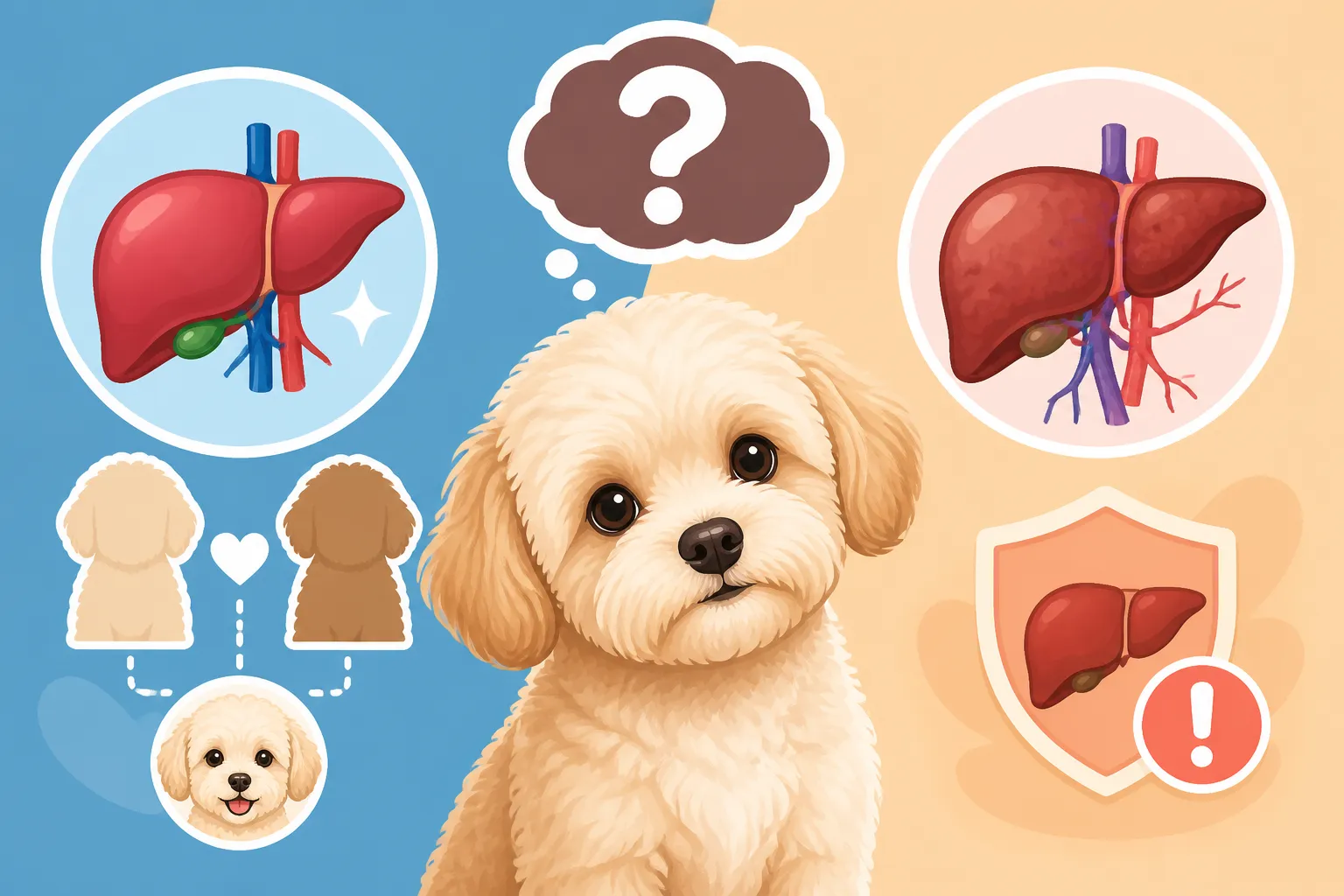
Imagine your liver as a powerful filtration plant for your dog's body. Blood from the intestines, full of nutrients and also waste products, normally flows through the portal vein into the liver. The liver then processes these substances, detoxifying the blood before it returns to general circulation. In a dog with a liver shunt, however, an extra, abnormal blood vessel acts like a shortcut, diverting this blood away from the liver and directly into the systemic circulation.
There are two main types of liver shunts: congenital and acquired. Congenital shunts are present from birth and are often genetic. These are the ones we primarily worry about with certain breeds. They can be intrahepatic (inside the liver) or extrahepatic (outside the liver). Extrahepatic shunts are more common in small breeds, which is particularly relevant for Maltipoos. Acquired shunts, on the other hand, typically develop later in life as a result of severe liver disease or high blood pressure in the portal vein, and are less often associated with direct inheritance in puppies.
When blood bypasses the liver, several critical issues arise. The liver doesn't receive enough blood flow to develop properly, often remaining smaller than normal (microhepatia). More importantly, toxins like ammonia, which are byproducts of digestion, aren't filtered out. These toxins then travel to the brain, causing neurological symptoms known as hepatic encephalopathy, which can range from lethargy to seizures.
Why Small Breeds are More Susceptible
It's a frustrating reality that certain health issues seem to disproportionately affect specific breeds, and liver shunts are a prime example when it comes to smaller dogs. While any dog can technically develop a liver shunt, there's a clear genetic predisposition in many smaller breeds. Breeds like the Yorkshire Terrier, Maltese, Havanese, Cairn Terrier, Miniature Schnauzer, and Pug are all known to have a higher incidence of congenital portosystemic shunts.
This susceptibility is often tied to specific genetic lines within these breeds. Over generations, if breeders aren't meticulously screening their breeding stock, the gene for liver shunts can unfortunately become more prevalent. It’s not simply bad luck; it’s often a complex interplay of genetic factors that makes the development of these abnormal vessels more likely in smaller canines. The smaller body size doesn't necessarily cause the shunt, but rather, the genetics associated with many small breeds increase the likelihood of the condition presenting itself. This is why understanding the lineage of your Maltipoo is so critical.
The Maltipoo's Predisposition to Liver Shunts
Given that the Maltipoo is a crossbreed of the Maltese and the Poodle, understanding the health predispositions of both parent breeds is crucial. When it comes to liver shunts, one side of the family tree carries a much heavier genetic burden.
The Maltese Connection
The Maltese breed is, unfortunately, one of the poster children for liver shunts in dogs. It's well-documented that Maltese dogs have a significantly higher incidence of congenital portosystemic shunts compared to the general canine population. This means that if your Maltipoo has a Maltese parent, or even Maltese ancestry further back in their line, they automatically carry an increased risk of inheriting this condition. The specific genetic markers responsible for this predisposition are still being researched, but the statistical evidence is clear.
When considering a Maltipoo, it's not a question of "if" the Maltese side carries the risk, but rather "how much" that risk might manifest in your particular puppy. A Maltipoo inherits a mix of genes from both parents, so they won't necessarily be an exact clone of either. However, the genetic material that codes for this abnormal vessel can certainly be passed down. This is why thorough health screening of the Maltese parent and its lineage is paramount. You really want to ensure the Maltese parent, and ideally its parents, were clear of any history of shunts. This isn't just a casual concern; it's a significant inherited health risk for the breed.
Many owners who understand The Liver Shunt a Maltipoo Can Inherit From the Maltese will make sure to ask comprehensive questions of their breeder.
The Poodle's Role in Risk or Protection
Now, let's talk about the Poodle side of the Maltipoo equation. Poodles, while also purebred dogs with their own set of potential genetic health issues, are generally not known for a high incidence of liver shunts. In fact, compared to the Maltese, the Poodle breed has a much lower genetic predisposition to this particular condition. This is often a glimmer of hope for Maltipoo owners: does the Poodle's genetic contribution offer some form of protective buffer against the Maltese's higher risk?
While the Poodle's genes might dilute the overall risk compared to a purebred Maltese, it's important not to assume complete immunity. A crossbreed like a Maltipoo is a genetic lottery to some extent. If one parent carries a strong genetic predisposition, there's always a chance that the offspring will inherit those genes, even if the other parent doesn't. Think of it like a deck of cards: you're drawing a hand from two different decks. You might get a great hand, but you might also draw a card from the "liver shunt" pile from the Maltese side.
Therefore, while Whether the Poodle Half Protects a Maltipoo From Shunts might offer a slightly reduced statistical risk, it doesn't eliminate the need for vigilance. The best approach is to act as if the risk from the Maltese side is still present and take appropriate preventative measures, especially concerning breeder selection and early testing.
Recognizing the Signs of a Liver Shunt in Your Maltipoo
Identifying the signs of a liver shunt in a Maltipoo can be challenging because the symptoms often appear subtle at first and can mimic other common puppy ailments. However, knowing what to look for can make a huge difference in early detection and outcome. Symptoms typically appear when puppies are young, usually between a few weeks and a year old, as their bodies begin to struggle with the increasing toxic load.
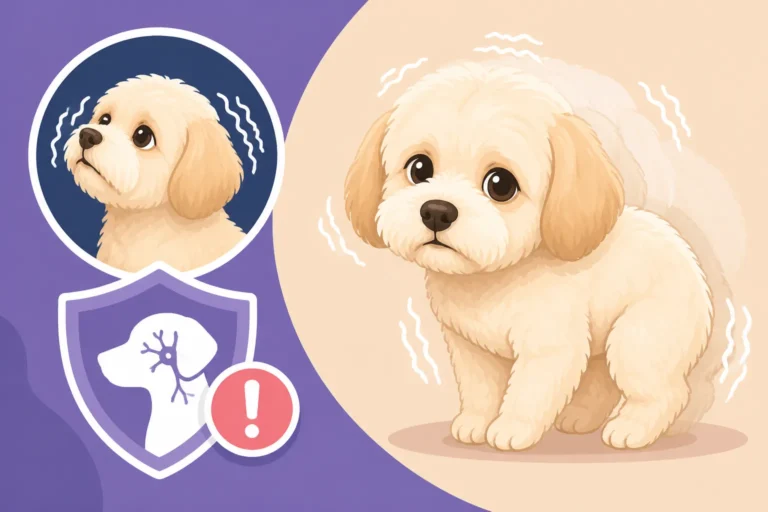
Common signs can include poor growth or a generally "unthrifty" appearance, where your puppy just doesn't seem to thrive as expected. They might be smaller than their littermates or fail to gain weight properly. Neurological signs are particularly telling, as the unfiltered toxins, especially ammonia, affect the brain. These can manifest as disorientation, staring into space, head-pressing (pressing their head against a wall or furniture), circling, aimless wandering, or even seizures. Some puppies might seem unusually dull, lethargic, or unresponsive after meals, as the influx of nutrients and subsequent ammonia spike overloads their system.
Gastrointestinal issues are also common. You might notice intermittent vomiting, diarrhea, or a decreased appetite. Some dogs develop polydipsia (excessive thirst) and polyuria (excessive urination). A more unique sign, though less common, is "star-gazing" where the puppy seems to look upwards blankly for extended periods. In severe cases, puppies can become blind or go into a coma. If you notice any of these symptoms, especially a combination of them, it's critical to consult your veterinarian immediately. Early diagnosis for The Signs a Maltipoo Puppy Has a Shunt is absolutely crucial for the best prognosis.
Here's a table summarizing common symptoms:
| Symptom Category | Specific Manifestations | Description |
|---|---|---|
| Growth & Development | Stunted growth, small size for age, failure to thrive | Puppy remains significantly smaller than littermates, doesn't gain weight, or appears generally weak and unwell. |
| Neurological | Lethargy, disorientation, head-pressing, circling, seizures | Toxins affecting the brain lead to abnormal behaviors. Dogs might seem confused, press their head against surfaces, walk in circles, or experience convulsions, especially after eating. |
| Gastrointestinal | Vomiting, diarrhea, reduced appetite, excessive thirst/urination | Digestive upset and altered water balance are common as the body struggles to process nutrients and eliminate waste. |
| Behavioral | Dullness, listlessness, "star-gazing" | Lack of energy, seeming uninterested in play, or engaging in repetitive, blank stares. Symptoms often worsen after meals. |
Diagnosis and Management of Liver Shunts
Once you've noticed concerning symptoms in your Maltipoo, the next critical step is getting an accurate diagnosis. This isn't always straightforward, as liver shunt symptoms can overlap with other conditions. Your veterinarian will typically start with a thorough physical examination and a detailed history of your puppy's symptoms.
Diagnostic Procedures for Liver Shunts
The gold standard for initial screening is usually a bile acid test. This simple blood test measures the liver's function. In a normal dog, bile acids are absorbed by the liver, concentrated, and then excreted into the gut. In a dog with a shunt, bile acids recirculate in the bloodstream at abnormally high levels after a meal because the liver isn't processing them correctly. Typically, blood samples are taken both before and after a small meal. High post-prandial (after meal) bile acid levels are a strong indicator of a liver shunt, though they can also indicate other liver diseases. This is why The Bile Acid Test a Maltipoo Puppy Should Have is so important.
If the bile acid test suggests a shunt, your vet will likely recommend further imaging to confirm the diagnosis and pinpoint the exact location and type of shunt. Ultrasound is a common next step. A skilled ultrasonographer can often visualize the anomalous vessel, identifying whether it's intrahepatic or extrahepatic. In some cases, more advanced imaging like computed tomography (CT) angiography is used, which provides a detailed 3D map of the liver and its blood vessels, offering the most precise information for surgical planning. Blood work, including a complete blood count and chemistry panel, will also be run to assess overall health, liver enzyme levels, and kidney function, as these can also be affected by a shunt. These comprehensive tests help confirm The Liver Shunt Test a Maltipoo Puppy Should Have and guide treatment.
Treatment Options: Medical vs. Surgical
Once a liver shunt is diagnosed, your veterinarian will discuss the best course of action, which typically involves either medical management or surgical correction. The choice depends heavily on the type and location of the shunt, the severity of symptoms, and the overall health of your Maltipoo.
Surgical correction is often the preferred and most curative option, especially for extrahepatic shunts, which are more common in small breeds. During surgery, the abnormal vessel is either completely ligated (tied off) or partially occluded, forcing blood to flow through the liver as it should. Modern techniques often use an ameroid constrictor or cellophane banding, which gradually closes the shunt over weeks, allowing the liver to adapt to the increased blood flow. Surgical success rates can be high, leading to a significantly improved quality of life and often a complete resolution of symptoms. However, surgery carries risks, including anesthesia, which can be a concern for small, compromised puppies, and potential complications like portal hypertension. The financial commitment for surgery can also be substantial, making conversations with providers like Healthy Paws about coverage for such an event very important. Understanding What Shunt Surgery Costs on a Maltipoo is key for owners.
For cases where surgery isn't possible, either due to the shunt's location (intrahepatic shunts can be more challenging to operate on) or the dog's compromised health, medical management becomes the primary treatment. This involves a specialized diet (low protein to reduce ammonia production), antibiotics to manage gut bacteria that produce toxins, and medications like lactulose, which helps trap ammonia in the gut for excretion. While medical management can control symptoms and improve quality of life, it's typically a lifelong commitment and doesn't correct the underlying problem. It's often used as a temporary measure before surgery or for dogs who are not surgical candidates. Owners often wonder Whether Shunt Surgery Works on a Maltipoo for a full recovery.
Life with a Maltipoo Diagnosed with a Shunt
Receiving a diagnosis of a liver shunt can be terrifying, but it's important to remember that with proper care, many Maltipoos can live full and happy lives. The prognosis largely depends on whether the shunt can be surgically corrected and how early it's diagnosed.
For Maltipoos that undergo successful surgical ligation, the outlook is generally very good. Following surgery, there's usually a recovery period, and some dogs may require continued dietary management or medication for a while as their liver fully adapts. Regular follow-up appointments, including repeat bile acid tests, will be necessary to monitor liver function. Many dogs who have their shunt successfully corrected go on to live a normal lifespan, free from the debilitating symptoms they once experienced.
Even with medical management, a good quality of life can be achieved. However, it requires strict adherence to dietary restrictions and medication schedules. These dogs will need lifelong monitoring and careful attention to their diet and environment to prevent flare-ups of hepatic encephalopathy. Owners learn to be incredibly observant, noticing subtle changes in behavior or appetite that might signal an issue. While it's a commitment, seeing your Maltipoo thrive despite the condition is incredibly rewarding. Knowing Whether a Maltipoo With a Shunt Lives Normally gives owners hope and direction. Organizations like Healthy Paws can be lifesavers for these long-term medical needs, covering a significant portion of the ongoing veterinary costs.
Proactive Steps for Maltipoo Owners
Being proactive is arguably the most powerful tool you have as a Maltipoo owner, especially when it comes to inherited conditions like liver shunts. Your choices before bringing a puppy home, and your actions afterward, can make a world of difference.
Choosing a Responsible Breeder
This is perhaps the single most critical step in minimizing the risk of a liver shunt, or any other inherited health condition, in your Maltipoo. A responsible breeder isn't just someone who breeds cute puppies; they are health advocates for their lines. They will be intimately familiar with the health history of their breeding dogs and their ancestors, meticulously screening for known genetic issues.
When looking for a Maltipoo, don't be shy about asking about the health testing performed on the parent dogs. Specifically, inquire about liver shunt screening. A reputable breeder should be able to provide documentation of bile acid tests for their Maltese breeding stock and ideally, their Poodle lines too, especially if there's any history of shunts in the extended family. They should also be transparent about any known cases of liver shunts in their previous litters or in the parents' pedigrees. A responsible breeder will likely mention What a Maltipoo Health Guarantee Should Say, which often includes clauses for genetic conditions.
Be wary of breeders who offer puppies at unusually low prices or who cannot provide health documentation. The slightly higher cost from a reputable breeder often reflects the investment they've made in health testing, proper nutrition, and early socialization, which ultimately saves you heartache and significant vet bills down the line. A breeder who doesn't believe Whether a Maltipoo Breeder Should Bile Acid Test is worth it for their breeding dogs is a red flag.
The Importance of Early Screening
Even with the most diligent breeder, genetic conditions can sometimes surprise us. This is why early screening of your Maltipoo puppy is so important, particularly if you know there's a predisposition in the Maltese lineage. Many veterinarians recommend performing a pre-surgical bile acid test on all small-breed puppies before they are spayed or neutered, as this procedure often requires anesthesia. Anesthesia can be particularly risky for puppies with undiagnosed liver shunts due to their impaired ability to metabolize drugs and toxins.
Discuss with your vet the possibility of a proactive bile acid test around 8-12 weeks of age. This can offer an early heads-up, even if your puppy isn't showing obvious symptoms. Catching a shunt early means intervention can happen before severe, irreversible damage occurs. This screening can provide immense peace of mind or, if a problem is detected, allow for prompt action. It's an investment in your Maltipoo's long-term health and well-being.
The Role of Pet Insurance
Let's be realistic: even with the best breeders and all the preventative measures, sometimes health issues arise. A liver shunt diagnosis, especially if it requires surgery, can lead to substantial veterinary bills. This is where pet insurance can be an absolute game-changer. Thinking about the potential costs can be overwhelming, but having a plan in place can alleviate a huge amount of stress during an already difficult time.
Consider enrolling your Maltipoo in a comprehensive pet insurance plan as early as possible – ideally when they are still a young puppy. Most policies have waiting periods for certain conditions, and pre-existing conditions are typically not covered. So, getting coverage before any symptoms or diagnoses appear is crucial. A good policy can cover a significant portion of diagnostic tests, medications, emergency visits, and surgical procedures, including those for a liver shunt. For example, a company like Healthy Paws offers extensive coverage for accidents and illnesses, which can be invaluable when facing something as complex and expensive as shunt surgery and subsequent care.
While you hope you'll never need it, knowing that you have financial support for your Maltipoo's health needs, from routine care to unexpected emergencies, can make all the difference. What Insuring a Maltipoo Runs Monthly is a small price to pay for the peace of mind it offers, allowing you to make medical decisions based on what's best for your pet, rather than solely on your wallet. Services like Healthy Paws demonstrate how much easier it is to manage the unexpected if you're prepared. You can explore different plans and find one that suits your budget and your Maltipoo's potential needs, ensuring that if your beloved pup does face an inherited condition, you're ready to provide them with the best possible care without added financial strain. Ultimately, for many owners, Whether Pet Insurance Pays Off on a Maltipoo becomes clear when they face a major health crisis.
Disclaimer
Please remember that the information provided in this guide is for educational purposes only and should not be considered a substitute for professional veterinary advice. Always consult with a qualified veterinarian for any health concerns or before making any decisions related to your Maltipoo's care. Every dog is an individual, and only your vet can provide an accurate diagnosis and treatment plan tailored to your pet's specific needs.