Whether a Blocked Tear Duct Explains a Maltipoo’s Stains
One of the most common and often frustrating issues Maltipoo owners face is those stubborn, reddish-brown stains under their beloved pup's eyes. It's disheartening to see your otherwise pristine, fluffy companion with these marks, and many of us immediately wonder if it signals a deeper health problem. This guide is here to unravel the mystery of tear staining, focusing on whether a blocked tear duct is the culprit, and what you can do about it to keep your Maltipoo looking and feeling their best.
Understanding the Pervasive Problem of Tear Stains
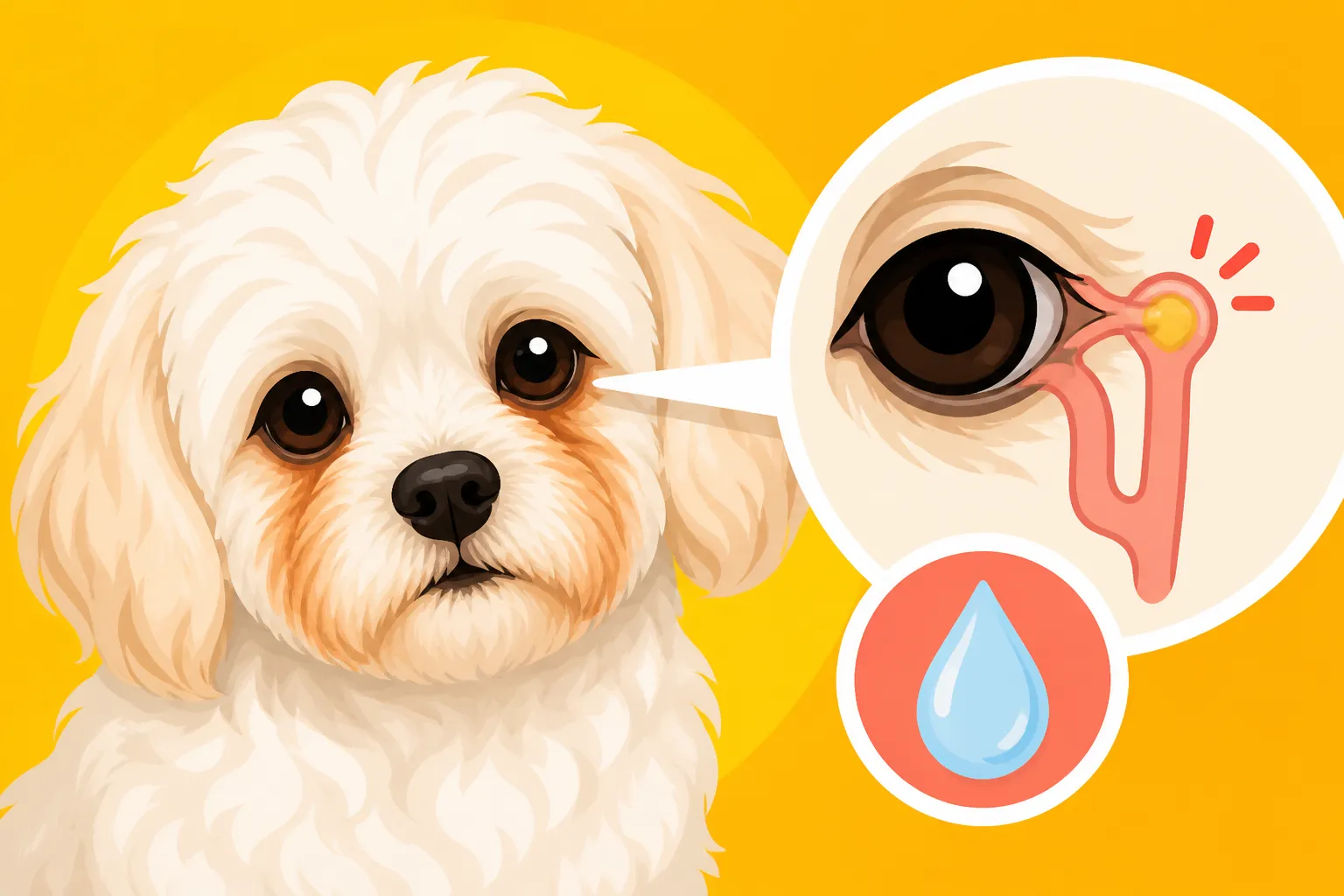
Tear staining, medically known as epiphora, is a super common condition, especially in small, light-colored breeds like our Maltipoos. It's not just a cosmetic issue; it can sometimes indicate an underlying health concern that needs attention. The discoloration itself comes from porphyrins, iron-containing molecules that are excreted through tears. When these porphyrins are exposed to light and air, they oxidize, creating that tell-tale reddish-brown stain on the fur.
Why Maltipoos Are So Prone to Tear Stains
It feels like Maltipoos, with their beautiful white and cream coats, are almost magnets for tear stains, doesn't it? Well, there's a reason for that. Their delicate facial structure, often inherited from their Maltese lineage, plays a huge role. They tend to have shallower eye sockets or prominent eyes, which means their eyes can't hold as much tear film, leading to overflow. Think of it like a tiny cup that's constantly overflowing because it's just a bit too full for its capacity.
Moreover, the fine, often wavy or curly hair that grows around a Maltipoo's eyes can act like a wick, drawing moisture from the eye down onto the face. This creates a perpetually damp environment, which is not only perfect for staining but also for yeast and bacterial growth, further compounding the problem with a darker, sometimes smelly, buildup. It's a double-whammy for these little fluff balls, making Tear Staining on a Light Coated Maltipoo a topic many owners grapple with daily.
The Frustration of Persistent Stains
You've probably tried everything, right? Wiping their eyes constantly, special wipes, even diet changes. And still, those reddish streaks just seem to reappear. This persistence is what makes tear staining so frustrating. It’s not just about aesthetics; prolonged moisture can lead to skin irritation, infections, and discomfort for your Maltipoo. The dampness creates a breeding ground for bacteria and yeast, which can cause itchiness, redness, and even a yeasty smell. It’s important to understand that while a blocked tear duct can be a cause, it's certainly not the only one, and often, it's a combination of factors making those stains so hard to banish.
The Role of Blocked Tear Ducts in Tear Staining
When we see excessive tearing, the first thing many of us suspect is a blocked tear duct, and for good reason. Just like in humans, dogs have tear ducts (nasolacrimal ducts) that drain excess tears from the eye into the nasal cavity. If these ducts get blocked, the tears have nowhere to go but out and over the face, leading to that constant dampness and subsequent staining.
How a Blocked Tear Duct Occurs
A blocked tear duct can happen for a few reasons. Sometimes, it's just anatomy. Maltipoos, particularly those with flatter faces or very small snouts, might have tear ducts that are simply too narrow or twisty to drain properly. It's like having a tiny, kinked garden hose; the water just can't flow through efficiently. Other times, inflammation from allergies, an eye infection, or even tiny pieces of debris like dust or hair can cause a temporary or partial blockage. Imagine a tiny piece of fluff getting stuck in that delicate drainage system.
To diagnose a blocked tear duct, your vet usually performs a simple test called a fluorescein dye test. They’ll put a special green dye into your Maltipoo's eye. Normally, this dye should appear in their nostril or on a swab from their nose within a few minutes. If it doesn't, it indicates a blockage or a partial obstruction. It's a quick, painless procedure that can give a lot of answers. This kind of annual check-up, especially focusing on their eyes, is part of The Yearly Checks a Maltipoo Should Get.
Treatment Options for Blocked Tear Ducts
If a blocked tear duct is indeed the culprit, treatment options can vary. For minor blockages, often caused by inflammation, your vet might prescribe anti-inflammatory eye drops or antibiotics if an infection is present. These can help reduce swelling and allow the duct to open up. For more persistent or severe blockages, a procedure called nasolacrimal duct flushing might be recommended. This involves gently flushing saline solution through the tear duct to clear any obstruction. It's usually done under light sedation because, as you can imagine, a Maltipoo wouldn't stay perfectly still for such a delicate procedure while awake.
In rare cases, if the blockage is due to an anatomical abnormality or scar tissue, surgery might be considered. However, this is usually a last resort due to the delicate nature of the area. It's good to know that while this is a possibility, most cases can be managed with less invasive methods. Remember, getting What a Maltipoo's First Vet Visit Should Include is crucial for catching these issues early.
Other Common Causes of Tear Staining in Maltipoos
While blocked tear ducts are a common suspect, they're far from the only reason your Maltipoo might be sporting those pesky stains. It's often a multifactorial problem, meaning several things are contributing to the issue at once. Understanding all potential causes helps you and your vet tackle the problem comprehensively.
Eye and Eyelid Structure
Maltipoos often inherit a combination of facial features from their Maltese and Poodle parents. Some Maltipoos have what's called entropion, where the eyelid rolls inward, causing eyelashes to rub against the cornea. This constant irritation stimulates excessive tear production, leading to staining. Conversely, ectropion, where the eyelid rolls outward, can also cause issues by exposing the eye more to irritants and hindering proper tear drainage. Abnormalities in eyelid position or shape can prevent tears from draining correctly into the tear ducts, forcing them to spill over onto the face.
Another common structural issue is distichiasis or ectopic cilia, where extra eyelashes grow in abnormal places, sometimes directly on the oil glands of the eyelid or even on the conjunctiva, the membrane lining the inside of the eyelids. These rogue hairs can constantly irritate the eye, much like a tiny splinter, causing excessive tearing. This is why addressing Whether Eye Hair Scratches a Maltipoo's Cornea is a legitimate concern for many Maltipoo owners.
Allergies and Irritants
Just like us, dogs can suffer from allergies. Environmental allergens like pollen, dust mites, or certain ingredients in their food can trigger an allergic reaction, manifesting as itchy, watery eyes. When your Maltipoo's eyes are constantly watering due to allergies, it's a recipe for tear stains. Think about how your eyes water during allergy season; it's similar for them.
Beyond allergies, common irritants in their environment can also cause excessive tearing. Smoke, strong perfumes, cleaning products, or even dusty living conditions can make your Maltipoo's eyes water. Even something as simple as a stray hair from their own coat constantly poking their eye can be an irritant. Paying attention to these environmental factors can be key in managing those stains. Sometimes, Allergies Behind a Maltipoo's Itching can also manifest with watery eyes, making the connection between overall skin health and eye health evident.
Diet and Water Quality
Believe it or not, what your Maltipoo eats and drinks can also influence tear staining. Some theories suggest that certain ingredients in commercial dog foods, particularly those with artificial colors, fillers, or high grain content, can contribute to inflammation and excessive tearing. Switching to a high-quality, natural diet with limited ingredients might help some dogs.
The minerals and impurities in tap water can also play a role. Water high in iron or other minerals can interact with porphyrins in tears, exacerbating the staining. Many owners find success by switching their Maltipoo's drinking water to filtered or distilled water. It's a small change that can sometimes make a big difference, especially for sensitive pups.
Infections and Other Eye Conditions
Sometimes, tear staining isn't just about drainage or irritants but points to an actual infection. Bacterial or yeast infections can thrive in the constantly damp fur under the eyes, creating a reddish-brown, sometimes even black, crusty buildup that can be itchy and uncomfortable. These infections can also cause inflammation around the eye, leading to even more tearing. If you notice any redness, swelling, discharge beyond clear tears, or a foul odor, it's crucial to consult your vet immediately.
Other underlying eye conditions, such as Whether a Maltipoo Gets Dry Eye (paradoxically, dry eye can cause compensatory excessive tearing), conjunctivitis, or even corneal ulcers, can all lead to increased tear production and subsequent staining. It's a common misconception that watery eyes mean the eye is adequately lubricated; sometimes it's a desperate attempt by the body to flush out an irritant or soothe a dry surface. This is why proper diagnosis by a vet is so important – don't just assume it's a cosmetic issue.
A Quick Look at Tear Stain Contributors
To help you keep track, here's a table summarizing the common causes of tear staining:
| Category | Specific Cause | Explanation | Vet Visit Needed? |
|---|---|---|---|
| Anatomical/Structural | Blocked Tear Ducts | Tears cannot drain properly into the nasal cavity, spilling onto the face. | Yes |
| Entropion/Ectropion | Eyelids roll inward or outward, causing irritation or poor drainage. | Yes | |
| Abnormal Eyelashes (Distichiasis) | Eyelashes grow in abnormal places, irritating the eye. | Yes | |
| Environmental/Allergies | Environmental Allergens | Pollen, dust mites, mold cause itchy, watery eyes. | Often |
| Irritants (Smoke, Perfume, Dust) | External factors irritate the eye, causing excessive tearing. | Sometimes | |
| Dietary | Poor Quality Food | Fillers, artificial ingredients may cause inflammation or allergic reactions. | Maybe |
| Tap Water (High Mineral Content) | Minerals in water can react with porphyrins, worsening stains. | No | |
| Infections/Health Issues | Bacterial/Yeast Infections | Thrive in damp fur, leading to deeper stains, irritation, and odor. | Yes |
| Dry Eye (Keratoconjunctivitis Sicca) | Compensatory tearing due to insufficient natural lubrication. | Yes | |
| Conjunctivitis | Inflammation of the conjunctiva, often due to infection or allergy. | Yes | |
| Corneal Ulcers | Open sores on the cornea, causing pain and excessive tearing. | Yes |
Effective Management and Prevention Strategies
Dealing with tear stains can feel like an endless battle, but with a multi-pronged approach, you can significantly reduce their appearance and keep your Maltipoo more comfortable. It’s about more than just aesthetics; it's about their well-being.
Daily Cleaning Routine
Consistency is absolutely key when it comes to managing tear stains. This isn't a "do it once a week" job; it truly needs to be a daily commitment. Gently wipe your Maltipoo's face, especially the area under their eyes, at least once, and ideally twice, a day. Use a soft, damp cloth, a cotton ball, or specially formulated eye wipes for dogs. Products like Angel Eyes wipes or Burt's Bees Tear Stain Remover Wipes can be effective. Always wipe away from the eye, being careful not to touch the eyeball itself.
After wiping, ensure the area is completely dry. A dry, clean area is less hospitable for yeast and bacteria to grow. You can use a clean, dry corner of a soft towel or even a low-setting hairdryer (held far away, of course) to ensure no moisture lingers. This diligent daily routine is why The Daily Face Wipe a Maltipoo Needs cannot be overstated.
Regular Grooming and Trimming
The long, fine hair around a Maltipoo's eyes is a major contributor to staining. It acts like a sponge, wicking up tears and keeping the area perpetually damp. Regular professional grooming, or careful at-home trimming, is essential to keep this hair short and out of the eyes. Ask your groomer for a "puppy cut" or a "teddy bear cut" that keeps the facial hair neatly trimmed, especially around the eyes.
It’s not just about aesthetics either; if hair gets too long, it can actually poke your Maltipoo’s eye, causing irritation and even more tearing. Learn to Keeping a Maltipoo's Face Trimmed and Clean safely at home between professional grooms, using blunt-nosed scissors specifically designed for pets. This can dramatically reduce irritation and moisture buildup.
Dietary Adjustments and Water Quality
Re-evaluating your Maltipoo’s diet can sometimes lead to surprising improvements. Many owners report success when switching to high-quality dog foods without artificial colors, fillers, or common allergens like corn, wheat, or soy. Look for brands with real meat as the first ingredient and limited, wholesome ingredients. Sometimes, adding a probiotic or a supplement specifically designed to address tear stains (which often contain natural antibiotics to fight yeast) can also help.
As mentioned before, consider offering your Maltipoo filtered or distilled water instead of tap water. The lower mineral content in these waters can reduce the chemical reaction that causes the porphyrin stains. Using stainless steel or ceramic bowls instead of plastic can also help, as plastic bowls can sometimes harbor bacteria or cause irritation.
Veterinary Care and Addressing Underlying Issues
The most crucial step in long-term tear stain management is addressing any underlying medical conditions. If you haven’t had your Maltipoo thoroughly examined by a vet for their tear staining, now is the time. They can rule out or diagnose issues like blocked tear ducts, eye infections, allergies, or anatomical abnormalities. Many owners benefit from having their pup's eyes checked yearly, especially as they get older, just like when considering Whether an Old Maltipoo Goes Blind or Deaf First.
Your vet might prescribe specific eye drops for infections or allergies, or recommend procedures like tear duct flushing. If anatomical issues are severe, surgical correction might be discussed. For owners worried about the cost of potential treatments, pet insurance providers like Healthy Paws can be a real lifesaver, helping to cover unexpected veterinary expenses. It's always wise to be prepared, and a good insurance plan can provide peace of mind when facing medical challenges.
Products and Supplements
There's a vast array of products on the market claiming to eliminate tear stains. While some can be helpful, others are less effective.
- Topical Wipes and Cleaners: These are great for daily maintenance. Look for products containing natural ingredients like witch hazel or boric acid, which are gentle and effective. Brands like TropiClean or Earthbath offer good options.
- Oral Supplements: These typically work by reducing yeast or bacteria internally. Brands such as Angel Eyes for dogs or Eye Envy sell palatable powders that can be added to food. Always consult your vet before starting any new supplement, especially those containing antibiotics, even in trace amounts.
- Eye Washes: Sterile saline eye washes can help flush irritants from the eyes, reducing tear production.
Remember, no single product is a magic bullet. It's the consistent application of multiple strategies that will yield the best results for your Maltipoo. For example, if an underlying infection is present, no amount of wiping will solve the problem without addressing the infection itself. And for serious conditions, like those requiring flushing or even surgery, having a reliable pet insurance plan from a provider like Healthy Paws can significantly ease the financial burden.
Disclaimer
This article is intended for informational purposes only and does not constitute veterinary advice. Always consult with a qualified veterinarian for any health concerns or before making any decisions about your pet's health or treatment.