What Actually Kills Most Maltipoos
It’s a heartbreaking truth that eventually, every pet owner faces the loss of their beloved companion. For Maltipoo parents, the question of what specific health challenges or dangers might prematurely cut short their furry friend’s life can be a constant, underlying worry. This guide aims to bring clarity to this sensitive topic, exploring the primary causes of death in Maltipoos and offering insights into prevention and proactive care to help your little one live their fullest, happiest life.
Understanding the Most Common Causes of Maltipoo Mortality
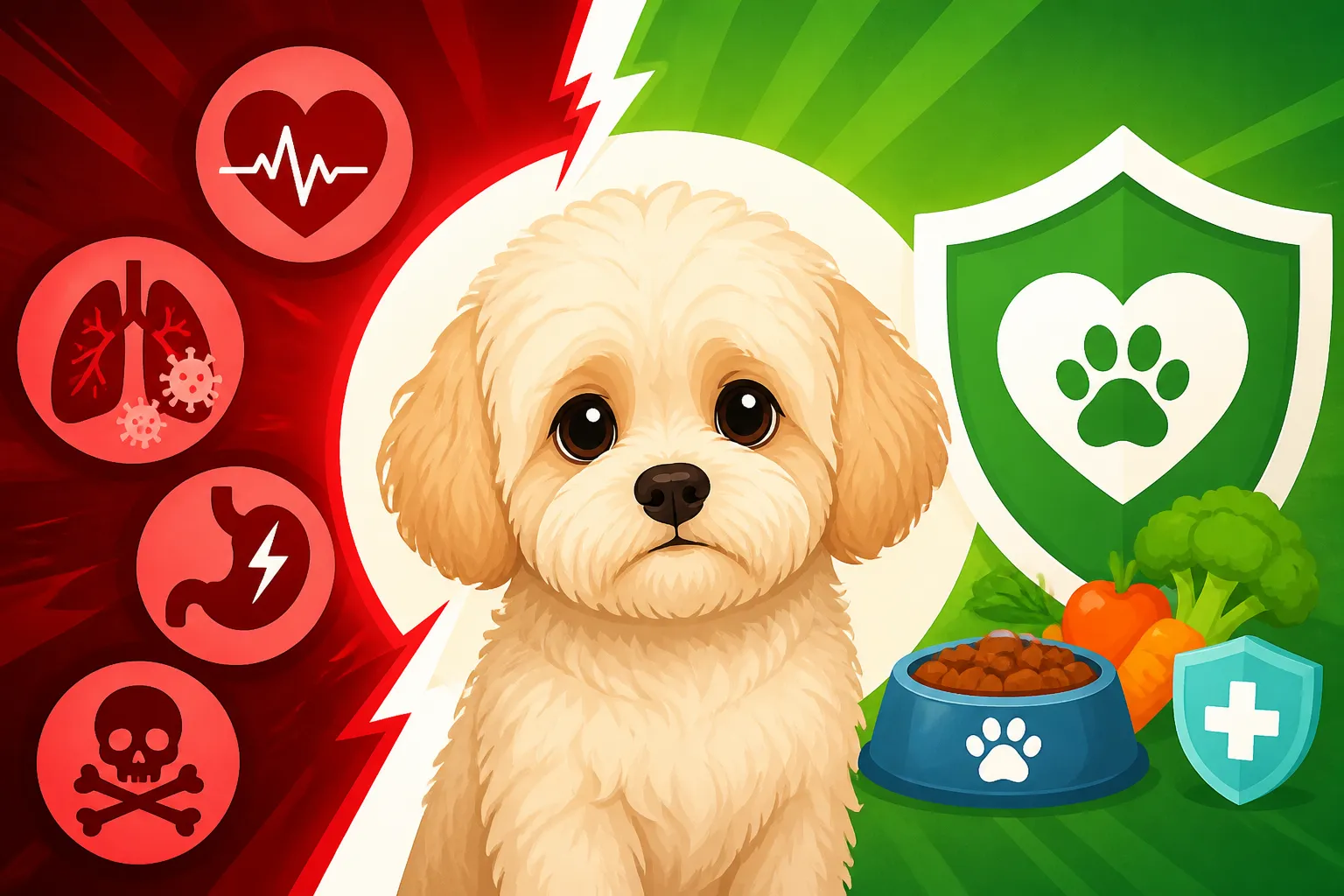
While Maltipoos are generally considered healthy dogs with a good lifespan, they are not immune to serious health issues. Their small stature and genetic predispositions from both the Maltese and Poodle sides mean certain conditions can become life-threatening if not managed appropriately.
Organ Failure and Chronic Diseases
One of the most common reasons Maltipoos eventually pass away, particularly as they reach their senior years, is the failure of vital organs due to chronic disease. These conditions often develop gradually, making early detection and ongoing management critical.
When it comes to the heart, small breeds like Maltipoos are often prone to conditions like degenerative mitral valve disease. This means the valve between the heart's left atrium and left ventricle begins to fail, leading to blood leakage and eventually heart enlargement. While a heart murmur might be detected early, the disease progresses over time, leading to congestive heart failure. The signs might be subtle at first – a little less energy, a cough that sounds like your dog is trying to clear its throat, especially at night, or labored breathing after exertion. Regular veterinary check-ups are crucial, as listening for heart murmurs can catch these issues early.
Kidney disease is another silent killer. The kidneys filter waste products from the blood, and when they start to fail, toxins build up in the body. You might not notice symptoms until a significant portion of kidney function is already lost. Increased thirst, more frequent urination, decreased appetite, lethargy, and sometimes vomiting are common signs. For Maltipoos, this is often a consequence of aging, but sometimes it can be exacerbated by other conditions, including severe dental disease, which we'll discuss in more detail.
Speaking of inherited conditions, some Maltipoos can inherit a congenital liver defect known as a portosystemic shunt, often from their Maltese lineage. In this condition, blood bypasses the liver instead of being detoxified, leading to a buildup of toxins in the bloodstream. Puppies with a severe shunt often show signs early on, such as stunted growth, disorientation, lethargy after eating, or even seizures. While some shunts can be managed with diet and medication, surgical correction is often the best long-term solution, though it comes with its own risks. You can learn more about The Liver Shunt a Maltipoo Can Inherit From the Maltese If not treated, this condition can be fatal.
Complications from Anesthesia and Surgery
The small size of a Maltipoo, especially a true teacup variety, can unfortunately make them more vulnerable when undergoing anesthesia. While modern veterinary medicine has made great strides, any anesthetic procedure carries inherent risks, and these risks are amplified in very tiny dogs. Issues like hypothermia (difficulty maintaining body temperature), hypoglycemia (dangerously low blood sugar), and dose calculation errors can be more critical for a small system.
Many Maltipoos will need anesthesia at some point, whether it's for spaying or neutering, routine dental cleanings, or to address common orthopedic issues like luxating patellas. Slipping Kneecaps in a Maltipoo is a common concern. Should your Maltipoo need surgery for this, it's vital to discuss the specific anesthetic protocol with your vet. This includes pre-anesthetic blood work to check organ function, IV fluids during the procedure to maintain blood pressure and hydration, and dedicated monitoring of vital signs by a trained technician throughout and during recovery. Finding a veterinary clinic experienced with tiny breeds is paramount. As a reference, you might be interested in Whether a Maltipoo Under Four Pounds Survives Anesthesia to understand the unique challenges faced by the smallest Maltipoos. The cost of these procedures, like What Patella Surgery Runs on a Maltipoo can be significant, highlighting the value of pet insurance from providers like Healthy Paws.
Cancer
Just like in humans, cancer is a leading cause of death in older dogs across all breeds, and Maltipoos are no exception. While some breeds have a higher genetic predisposition to specific types of cancer, Maltipoos can develop a range of malignant tumors as they age.
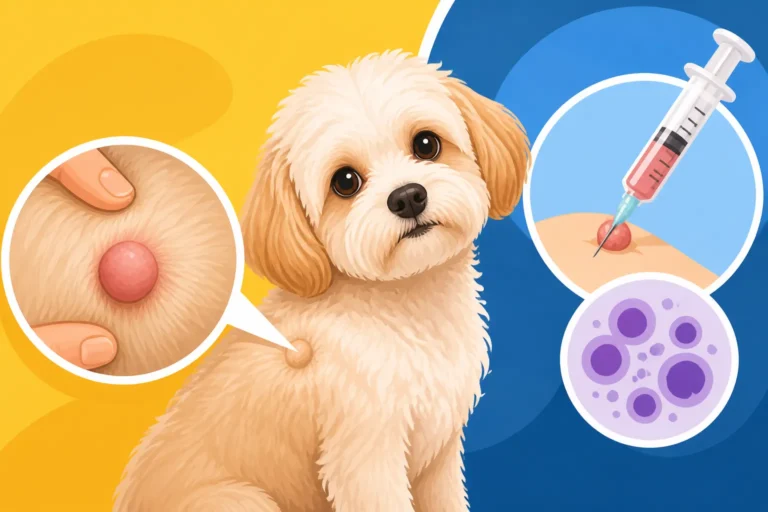
Some common types of cancer seen in dogs include lymphoma, mast cell tumors, mammary gland tumors (especially in unspayed females), and various carcinomas. Signs of cancer can be subtle and varied, including unexplained weight loss, changes in appetite, new lumps or bumps (which should always be checked by a vet, even if they seem small), lameness, lethargy, or difficulty breathing. Early detection is often key to successful treatment, which might involve surgery, chemotherapy, radiation, or a combination of these. Regular hands-on checks at home and diligent annual veterinary exams can help catch these issues when they are most treatable.
The Impact of Accidents and Environmental Dangers
Beyond internal health conditions, Maltipoos, due to their delicate build and often playful nature, are particularly susceptible to accidents and environmental hazards that can tragically cut short their lives.
Trauma and Falls
This is a stark reality for owners of small dogs. A fall that might barely faze a larger dog could be catastrophic for a Maltipoo. Jumping off a sofa, a bed, or even a chair can result in broken bones – often in their tiny, delicate legs. It’s not just broken bones; serious falls can lead to head trauma, concussions, or internal injuries that are not immediately obvious but can be fatal.
Children, while well-meaning, sometimes don't understand how fragile a small dog can be. Being accidentally dropped, stepped on, or squeezed too tightly can cause severe injuries. If you have children, it's absolutely essential to teach them how to handle your Maltipoo safely and gently, always supervising their interactions. You can read more about Whether a Child Can Hurt a Maltipoo by Holding It to fully grasp the risks. Even interactions with larger dogs, especially those who aren't used to small companions, can be dangerous if not closely monitored. A playful paw from a big dog could cause significant trauma. Providing pet steps or ramps for furniture can significantly reduce the risk of fall-related injuries.
Ingestion of Toxins and Foreign Objects
Maltipoos, like many dogs, are curious. Their inquisitive nature and small mouths mean they might pick up and chew on things that are highly toxic or can cause dangerous intestinal blockages. Common household items that are deadly include:
- Human Medications: Even a small dose of over-the-counter pain relievers (ibuprofen, acetaminophen), antidepressants, or blood pressure medications can be fatal.
- Foods: Chocolate, xylitol (found in many sugar-free products), grapes/raisins, onions, garlic, and avocado are all toxic to dogs.
- Plants: Lilies, sago palms, oleander, and many common houseplants can cause severe illness or death.
- Cleaning Products: Bleach, detergents, and other household cleaners are corrosive and highly dangerous.
- Pest Control: Rodenticides and insecticides are designed to kill, and they don't discriminate between pests and pets.
Beyond toxins, smaller items like socks, small toys, corn cobs, or even bones from human food can cause an intestinal obstruction. These blockages can require emergency surgery and, if not caught in time, can lead to severe complications or death. Always keep your home thoroughly puppy-proofed, just like you would for a human toddler.
Exposure to Extreme Temperatures
Their small body mass makes Maltipoos less efficient at regulating their body temperature compared to larger breeds. This means they are highly susceptible to both extreme cold and extreme heat.
In colder weather, a Maltipoo can quickly develop hypothermia. Their thin coats (even if fluffy) and small size mean they lose body heat rapidly, especially if wet. Prolonged exposure to cold temperatures can lead to organ damage or death. Many Maltipoo owners notice their dogs start shivering indoors when the temperature drops, which is a clear sign they feel the cold easily. You might want to refer to Whether a Maltipoo Gets Cold Easily for more insights. Sweaters and coats are not just cute accessories; they are vital for protecting your Maltipoo in chilly weather or when going outside for walks in winter.
Conversely, Maltipoos can also quickly overheat in warm weather. They don't sweat like humans do; they pant to cool down. If they are exercised too vigorously on a hot day, left in a car (even for a "just a minute"), or simply spend too much time in direct sunlight without shade and water, they can suffer from heatstroke. Heatstroke is a medical emergency that can rapidly lead to organ failure, brain damage, and death. Always ensure your Maltipoo has access to fresh water, shade, and avoid outdoor activities during the hottest parts of the day.
Age-Related Conditions and Quality of Life Decisions
As Maltipoos transition from their vibrant adult years into their golden years, typically starting around 8-10 years old, they become more prone to a range of age-related conditions. While these don't always lead to sudden death, they can significantly impact their quality of life and often factor into the difficult decision of when to say goodbye. Maltipoos can live The Twelve to Fifteen Years a Maltipoo Lives, and sometimes even longer, but these later years require special care.
Degenerative Joint Disease and Mobility Issues
Osteoarthritis, or degenerative joint disease, is a common ailment in older dogs, and Maltipoos are no exception. Years of activity, and sometimes the predisposition to conditions like luxating patellas (slipping kneecaps), can lead to painful joint inflammation and reduced mobility. While a slipping kneecap itself might not be fatal, the chronic pain and discomfort can become debilitating.
Imagine your once playful Maltipoo struggling to get up, hesitating before jumping (even small distances), or showing a distinct limp or The Skip in a Maltipoo's Walk That Means a Patella. This isn't just about pain; it impacts their ability to move, play, and even perform basic functions comfortably. Managing this often involves a combination of pain medication, joint supplements, physical therapy, and making environmental adjustments like ramps and soft bedding. When pain can no longer be adequately controlled, or their mobility is so severely compromised that their joy in life diminishes, owners face incredibly tough decisions about their pet's comfort and well-being.
Cognitive Decline and Sensory Loss
Just like humans, dogs can experience cognitive decline as they age. Canine Cognitive Dysfunction (CCD), often referred to as "doggy dementia," can manifest in various ways: disorientation, changes in sleep-wake cycles, house-soiling accidents, decreased interaction with family members, and increased anxiety. It can be incredibly disorienting and distressing for both the dog and the owner.
Additionally, loss of sight (from cataracts or progressive retinal atrophy) and hearing (common in older dogs) can make the world a confusing and frightening place for an aging Maltipoo. A dog that was once confident can become anxious, easily startled, or withdrawn. While these conditions are not fatal on their own, the cumulative effect on their quality of life can be profound. Creating a safe, predictable environment and offering enrichment activities suitable for their abilities can help, but sometimes the decline becomes too severe.
Managing Multiple Ailments in Senior Years
It’s rarely one single condition that brings a senior Maltipoo's life to an end. More often, it's a combination of overlapping health issues that collectively overwhelm their small body and diminish their quality of life to an unacceptable degree. You might have a senior Maltipoo with a heart murmur, early kidney disease, significant The Forty Two Teeth Crowding a Maltipoo's Jaw and advanced dental disease, and perhaps a touch of cognitive decline. Each condition on its own might be manageable, but together, they create a heavy burden.
For example, a dog with heart disease might struggle more with anesthesia for a necessary dental procedure, and a dog with kidney disease needs careful consideration for any medications prescribed for arthritis. The costs associated with managing multiple chronic conditions can also become overwhelming for pet parents. This is where pet insurance, like plans offered by Healthy Paws, can be invaluable, helping to cover diagnostics, medications, and ongoing treatments for chronic conditions, allowing owners to prioritize their pet's health without facing devastating financial choices.
Ultimately, the decision to euthanize a beloved Maltipoo is the most difficult one a pet parent will ever make. It's often reached when comfort care and medical interventions can no longer provide a good quality of life, and the dog is experiencing more bad days than good. It's a final act of love to prevent suffering.
Proactive Care for a Longer, Healthier Life
While we can't prevent every illness or accident, there's a great deal Maltipoo owners can do to mitigate risks and ensure their furry friends live as long and healthy a life as possible. Proactive care is truly the best defense.
Importance of Regular Veterinary Check-ups
This cannot be stressed enough. Regular veterinary check-ups, ideally annually for adult Maltipoos and twice yearly for seniors (over 8-10 years old), are the cornerstone of preventative care. These visits allow your veterinarian to:
- Perform a thorough physical examination: Checking their heart, lungs, eyes, ears, teeth, and palpating their abdomen and joints. This is how early heart murmurs, dental issues, or even lumps and bumps that could be cancerous are first detected.
- Recommend preventative screenings: Depending on their age and health, this might include blood work, urinalysis, or specific tests for conditions like liver shunts if symptoms warrant. Early detection of issues like kidney disease or diabetes through blood tests can lead to interventions that significantly slow disease progression.
- Discuss nutrition and weight: Ensuring your Maltipoo is at a healthy weight is vital. Even a pound or two overweight can significantly impact their joints, heart, and overall health.
- Update vaccinations and parasite prevention: Keeping them protected from infectious diseases and parasites.
These regular check-ups are an investment in your Maltipoo's future. They provide a baseline for your dog's health and allow for the early identification of problems when they are most treatable, potentially saving their life or significantly extending their comfortable years.
Dental Health as a Cornerstone
If there's one area that Maltipoo owners often overlook until it's too late, it's dental health. Yet, dental disease is one of the most prevalent and dangerous conditions for small breeds. Maltipoos have The Forty Two Teeth Crowding a Maltipoo's Jaw, and often their tiny mouths simply don't have enough space, leading to overcrowding. This overcrowding, combined with their diet, makes them highly susceptible to plaque and tartar buildup.
Untreated dental disease isn't just about bad breath; it's a gateway to systemic health problems. Bacteria from severe gum disease can enter the bloodstream and travel to vital organs like the heart, kidneys, and liver, contributing to or worsening chronic diseases. This is a significant factor in Whether Dental Disease Shortens a Maltipoo's Life. The best way to prevent this is to follow a rigorous dental hygiene routine, which ideally includes Brushing a Maltipoo's Teeth Every Single Day. Regular professional dental cleanings under anesthesia are also often necessary to remove tartar below the gum line. While the thought of anesthesia might be scary, the long-term benefits of good dental health far outweigh the risks for most healthy Maltipoos.
Nutritional Support and Weight Management
Feeding your Maltipoo the right diet and maintaining a healthy weight are fundamental for their longevity. Small breeds have unique nutritional needs, often requiring calorie-dense kibble designed for their size.
- Portion Control: Maltipoos don't need much food, and it's incredibly easy to overfeed them, especially with treats. Obesity puts extra strain on their joints, heart, and other organs, increasing the risk of diabetes and other health issues. Measuring their food precisely, often by weight rather than volume, is crucial.
- Quality Food: Choose a high-quality small breed dog food that provides balanced nutrition.
- Hypoglycemia Prevention: For Maltipoo puppies, especially those on the smaller side, preventing hypoglycemia (low blood sugar) is critical. This means frequent, small meals and always having an emergency sugar source like Nutri-Cal or Karo syrup on hand. You can learn more about Hypoglycemia and the Teacup Maltipoo Puppy and What to Do When a Maltipoo Goes Limp if you suspect a crash.
Safe Environment and Injury Prevention
Creating a safe home environment can prevent many accidental injuries that can be fatal for a small Maltipoo.
- Puppy-Proofing: Keep all toxins, medications, small objects, and dangerous foods securely stored and out of reach.
- Furniture Access: Provide dog ramps or steps for beds and sofas to prevent jumping-related injuries.
- Supervision: Always supervise interactions with children, larger pets, and even adult visitors who might not be aware of your Maltipoo's delicate nature.
- Outdoor Safety: Use a harness instead of a collar to protect their delicate trachea, especially if your Maltipoo is prone to The Honking Cough of a Maltipoo With a Bad Trachea. Keep them on a leash in unfenced areas, and ensure your yard is secure. Protect them from extreme weather by providing appropriate clothing and limiting exposure.
By being diligent in these areas, you can significantly reduce the risks and help your cherished Maltipoo thrive for many happy years.
Common Causes of Mortality in Maltipoos by Age
Here's a quick overview of some common health concerns that can contribute to mortality at different stages of a Maltipoo's life.
| Age Group | Common Health Concerns Leading to Mortality (or Euthanasia for Quality of Life) | Key Preventative Measures |
|---|---|---|
| Puppy (0-1 year) | Hypoglycemia, congenital defects (e.g., severe liver shunt), accidents (falls, ingestion of toxins), complications from anesthesia (e.g., for spay/neuter). | Frequent small meals, puppy-proofing, supervised play, early health screening by breeder. |
| Adult (1-8 years) | Accidents (trauma, ingestion), progression of genetic conditions (e.g., severe patellar luxation requiring surgery), early onset organ disease, complications from anesthesia (e.g., for dental work). | Continued puppy-proofing, pet steps, regular vet checks, daily dental care, cautious anesthesia protocols. |
| Senior (8+ years) | Organ failure (heart, kidney, liver), cancer, advanced dental disease leading to systemic infection, unmanageable chronic pain (arthritis, severe patellar luxation), severe cognitive decline. | Bi-annual vet checks, comprehensive blood work, diligent dental care, weight management, joint supplements, environmental modifications (ramps, soft beds). |
Disclaimer
The information provided in this article is for general informational purposes only and is not intended as a substitute for professional veterinary advice. Always consult with a qualified veterinarian regarding any health concerns or before making any decisions about your Maltipoo's medical care.