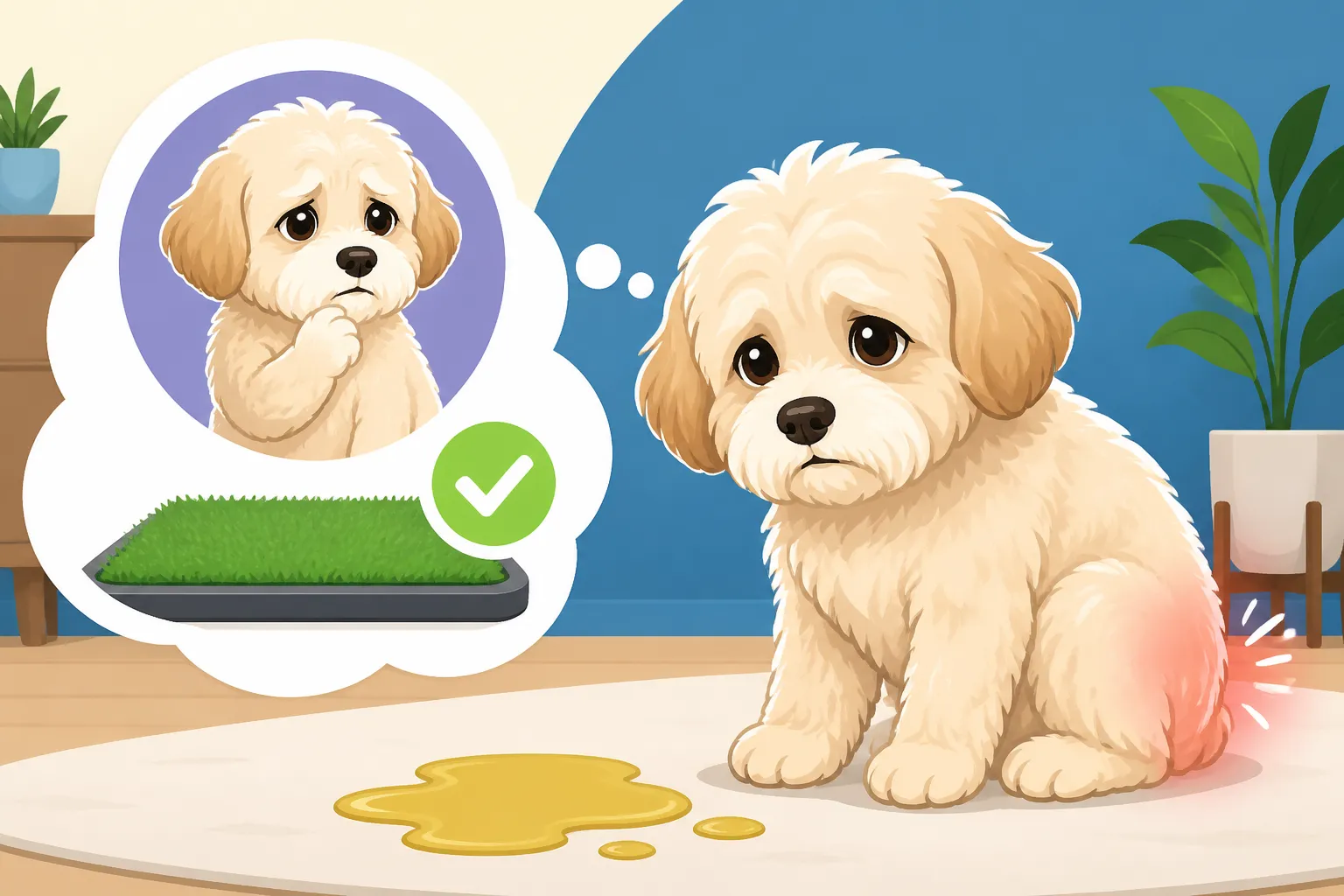
Whether an Older Maltipoo Starts Having Accidents
It's incredibly disheartening and often quite frustrating when your sweet, well-behaved older Maltipoo, who has been perfectly housetrained for years, suddenly starts having accidents in the house. You might feel a mix of confusion, sadness, and even a little anger, wondering if they've forgotten everything you taught them, or if something more serious is at play. This guide is here to walk you through the various reasons an older Maltipoo might start having accidents and offer practical, empathetic advice on how to understand and manage this challenging stage.
Understanding the Shift: Why Your Older Maltipoo Might Start Having Accidents
When your senior Maltipoo, who once prided themselves on their impeccable potty manners, begins to have accidents, it's natural to jump to conclusions about behavior. However, with older dogs, especially smaller breeds like our beloved Maltipoos, these changes are almost always rooted in underlying physical or cognitive shifts, not willful disobedience. It's a call for help, not a sign of spite. We need to remember that these little companions have probably been with us for a good part of The Twelve to Fifteen Years a Maltipoo Lives!
Health-Related Changes
As our Maltipoos age, their bodies go through many of the same wear-and-tear changes we do. These physical ailments can directly or indirectly affect their ability to control their bladder or bowels, or even simply get to their designated potty spot in time.
One of the most common culprits is urinary tract infections (UTIs). These can cause frequent urges, discomfort, and a sudden inability to hold it, leading to accidents that seem to come out of nowhere. Your Maltipoo might strain to urinate, pass only small amounts, or show signs of discomfort. It's often the first thing a vet will check. Beyond infections, other kidney and bladder issues can arise. You might be concerned about Whether a Maltipoo's Kidneys Fail With Age, which can certainly contribute to increased thirst and urination. Bladder stones, also known as urolithiasis, can cause irritation and blockages, leading to pain and incontinence. While less common, it’s a possibility worth considering. Whether a Maltipoo Gets Bladder Stones is a question many small breed owners have, and it's a valid concern for our little ones.
Another significant factor is weakened sphincter muscles. Just like in humans, the muscles that control bladder function can lose their tone with age. This often results in "leaking," especially when your Maltipoo is relaxed, sleeping, or gets excited. You might notice small puddles where they've been resting, or damp spots on their bedding. This involuntary leaking, often called spay incontinence in females, can manifest years after spaying as muscles weaken further with age.
Conditions like diabetes and Cushing's disease also lead to increased thirst and, consequently, increased urination. If your Maltipoo is drinking water like it's going out of style, and needing to go out more frequently, these metabolic disorders could be the cause. Even seemingly unrelated issues like Whether a Maltipoo Gets Heart Murmurs or other heart conditions can lead to fluid retention and increased urination as the body tries to cope. Arthritis or other joint pain can make it difficult for your Maltipoo to move quickly, get up, or even assume the proper position to relieve themselves, meaning they might have an accident simply because they couldn't make it to the door in time.
Cognitive Decline (Canine Cognitive Dysfunction)
Just like people, dogs can experience age-related cognitive decline, often referred to as Canine Cognitive Dysfunction (CCD), or "doggy dementia." This is a significant, often heartbreaking, reason for housetraining lapses in older Maltipoos. It's not that they forgot where to go, but rather their brain's ability to process information, remember, and even perceive their surroundings changes.
A Maltipoo with CCD might simply forget that they need to go outside, or they might become disoriented in the house and lose track of the door. They could go to the bathroom in an inappropriate spot simply because they don't remember where the right place is, or they feel anxious and confused. You might notice other signs of CCD alongside accidents, such as pacing, staring blankly at walls, altered sleep-wake cycles (like An Old Maltipoo That Will Not Settle at Night), decreased interaction with family members, or a change in activity levels. It's a cruel twist of fate that affects their quality of life and impacts their well-established routines.
Environmental or Routine Shifts
Sometimes, even subtle changes in their environment or daily routine can trigger accidents in an older Maltipoo, especially if they are already grappling with mild cognitive or physical limitations. A new schedule where you're leaving them alone for longer periods than they're used to, or missing their usual potty breaks, could be enough to push them past their bladder's capacity.
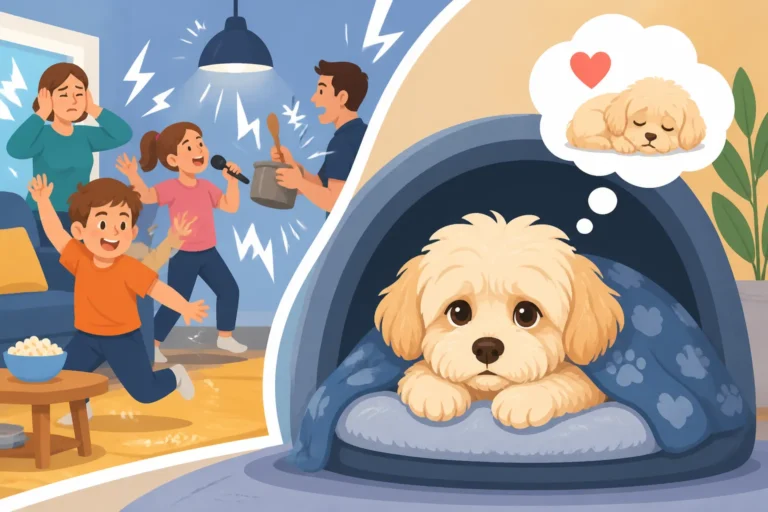
Changes in household dynamics, like a new baby, a new pet, or even visitors staying for an extended period, can create stress and anxiety. An older Maltipoo, who thrives on predictability and comfort, might feel overwhelmed, leading to stress-induced accidents. Moving to a new home, even if it's just across town, can be incredibly disorienting for an older dog, especially one with declining eyesight or cognitive function. The new layout, unfamiliar smells, and different acoustics can make it harder for them to navigate to their potty spot, leading to accidents while they try to re-learn their surroundings.
Investigating the Cause: What to Do When Accidents Begin
The moment you notice your older Maltipoo having accidents, your first step should always be to seek professional help. Self-diagnosing can lead to missed opportunities for treatment and prolonged discomfort for your dog.
The All-Important Vet Visit
This is non-negotiable. Schedule an appointment with your veterinarian as soon as possible. Be prepared to provide them with a detailed history of the accidents: when they started, how often they occur, what type of accidents (urine, feces, or both), and any other changes you've noticed in your Maltipoo's behavior, appetite, or water intake.
Your vet will likely start with a thorough physical examination. They'll probably collect a urine sample to check for infections, crystals, or other abnormalities. A simple urinalysis can quickly tell if Whether a Urinary Infection Explains a Maltipoo's Accidents is the issue. They might also recommend blood tests to check organ function, particularly kidney and liver values, and to screen for conditions like diabetes or Cushing's disease. These tests can reveal if there are underlying metabolic issues at play. In some cases, X-rays or ultrasounds might be necessary to look for bladder stones, tumors, or other internal anomalies that could be contributing to the problem. It's crucial to rule out these medical causes first, as many are treatable or manageable.
Keeping a Detailed Log
Before and after your vet visit, maintaining a detailed log of your Maltipoo's accidents can be incredibly helpful. This isn't just for your vet; it helps you identify patterns. Note down:
- Date and Time: When did the accident occur?
- Type of Accident: Urine, feces, or both? Was it a large puddle or just a dribble?
- Location: Where in the house did it happen?
- Circumstances: What was happening right before the accident? Were they sleeping, playing, just woke up, or seemed anxious?
- Last Potty Break: When was the last time they were successfully outside?
- Water Intake: Have you noticed them drinking more than usual?
- Other Symptoms: Any limping, straining, lethargy, confusion, or changes in appetite?
This log can help you and your vet spot trends, like if accidents primarily happen overnight, immediately after waking, or when left alone for a certain duration. It can differentiate between a full bladder emptying and small, frequent leaks, which point to different underlying issues.
Ruling Out Behavioral Versus Medical
Once your vet has given your Maltipoo a clean bill of health, or has started treatment for a diagnosed medical condition, you can then focus more on potential behavioral components. However, even if a medical cause is found, there might still be behavioral adjustments needed as a result of the condition.
For instance, if your Maltipoo has mild arthritis, they might physically be able to hold it, but the pain of getting up and moving quickly to the door makes them hesitate. This can look like a behavioral problem, but it's really a pain management issue. Or, with early CCD, your Maltipoo might still know to go outside, but they forget the route to the door or get stuck in a corner. This is where your observation and the detailed log truly come into play, helping you distinguish between "can't hold it" (medical) and "forgot where to go/can't get there" (cognitive/pain).
Managing the Situation: Practical Solutions and Support
Once you have a clearer understanding of why your older Maltipoo is having accidents, you can implement targeted strategies to manage the situation and improve their quality of life.
Medical Management and Treatment Options
If a medical condition is identified, your vet will guide you on the appropriate treatment. For UTIs, antibiotics are typically prescribed, and relief can be quite swift. For weakened sphincter muscles, there are medications, like PPA (phenylpropanolamine) or estrogen-based therapies, that can significantly improve bladder control. These often work very well and can restore your Maltipoo's confidence and your peace of mind.
Conditions like diabetes or Cushing's disease will require ongoing management, which might include diet changes, medication, or insulin injections, all aimed at stabilizing your dog's underlying health and, as a result, reducing excessive urination. For arthritis or joint pain, pain management protocols (NSAIDs, joint supplements, physical therapy) can make a huge difference in their mobility, allowing them to get to their potty spot more comfortably and quickly. Always follow your vet's instructions meticulously when administering medication to your Maltipoo.
It’s important to remember that some treatments are long-term, and while they can improve the situation, they might not completely eliminate accidents. This is where patience and adaptation come in. If cost is a concern, remember that setting aside funds for ongoing care or even considering Whether a Maltipoo Owner Should Open a Credit Line can be helpful in the long run, as senior care can add up.
Adapting Your Home for Incontinence
Regardless of the underlying cause, adapting your home environment can greatly reduce stress for both you and your Maltipoo.
- Frequent Potty Breaks: Increase the frequency of potty breaks, especially after waking up, eating, drinking, or playing. Even if your Maltipoo doesn't ask, take them out regularly, perhaps every 2-3 hours during the day, and right before bed. This reduces the chances of their bladder becoming too full.
- Designated Indoor Potty Area: For smaller breeds like Maltipoos, or those with significant mobility issues, creating an indoor potty area can be a lifesaver. This could be a Whether Grass Pads Work for a Maltipoo in a convenient location, or traditional pee pads. The goal is to make it easy for them to succeed, especially overnight or when you're away for short periods. Even if they're still going outside, having an indoor backup can prevent accidents.
- Waterproof Protection: Invest in waterproof mattress covers for dog beds, or use washable incontinence pads in their favorite resting spots. For your own furniture, waterproof blankets or covers can protect sofas and chairs. This makes cleanup easier and protects your belongings.
- Easily Accessible Routes: Clear pathways to the designated potty area, whether indoors or outdoors. If your Maltipoo struggles with stairs, consider ramps or carrying them, or using Whether a Maltipoo Should Use Steps to the Sofa to help them access their favorite spots without strain.
- Doggy Diapers or Belly Bands: For leaking or frequent small accidents, doggy diapers (for females) or belly bands (for males) can be incredibly effective. Many brands offer comfortable, washable options. Companies like Simple Solution and even generic brands on Amazon offer various sizes and styles. These are not a solution to the underlying problem but are a management tool to keep your home clean and reduce your stress while you address the root cause. This is especially useful for older males who may start to mark more as they age.
- Easy-to-Clean Flooring: If you have carpets, consider adding washable rugs in high-traffic or accident-prone areas, or even sectioning off areas with easier-to-clean surfaces.
Behavioral Strategies and Patience
When cognitive decline or anxiety plays a role, your approach needs to be incredibly gentle and patient.
- Maintain Routine: Older dogs thrive on routine. Stick to a consistent schedule for feeding, potty breaks, and playtime. Predictability helps reduce anxiety and confusion.
- Positive Reinforcement: Never scold or punish your Maltipoo for accidents. They aren't doing it on purpose. Punishment will only increase their anxiety and may make the problem worse. Instead, celebrate successful potty breaks outside with praise, treats, and affection.
- Clean Accidents Thoroughly: Use an enzymatic cleaner (like Nature's Miracle or Rocco & Roxie, often available on Amazon) to completely neutralize odors from accidents. If the smell lingers, your Maltipoo might be drawn back to that spot to go again.
- Supervision: Keep a closer eye on your Maltipoo, especially after they've eaten or just woken up. If you see them sniffing around or circling, immediately take them to their designated potty spot.
- Enrichment for CCD: For Maltipoos with CCD, gentle mental stimulation can be beneficial. Short, familiar walks, puzzle toys (filled with a small portion of their meal, not extra treats to avoid weight gain), and consistent, loving interaction can help keep their minds engaged and reduce disorientation.
Living Fully: Supporting Your Senior Maltipoo's Quality of Life
Dealing with an older Maltipoo who is having accidents can be emotionally taxing, but remember that your dog relies on you for comfort and care during this vulnerable stage of their life. Your goal is to maximize their quality of life, even with these new challenges.
Maintaining Routine and Comfort
Consistency is king for senior dogs. A predictable daily schedule for meals, potty breaks, and quiet time helps reduce anxiety and confusion, especially for those experiencing cognitive changes. Ensure their sleeping area is warm, comfortable, and easily accessible. Keeping an Old Maltipoo Warm and Comfortable is vital, as smaller breeds can struggle with temperature regulation, and joint pain can be exacerbated by cold. A soft, orthopedic dog bed can provide much-needed support for aging joints, making it easier for them to rest and get up.
Consider how their diet might need to change as well. Cutting an Old Maltipoo's Portions as It Slows down can prevent weight gain, which can worsen joint pain and other health issues. Your vet can recommend senior-specific diets that support kidney health and provide appropriate nutrition.
Enrichment and Mental Stimulation
Even with cognitive decline, mental engagement remains important. Short, gentle walks in familiar areas provide sensory stimulation without overexertion. Interactive toys, like those from KONG or simple sniff-and-find games with treats, can keep their minds active. Keep interactions positive and reassuring. Even simple commands they’ve known their whole lives, like "sit" or "stay," can be opportunities for positive reinforcement and a sense of accomplishment.
If your Maltipoo is still mobile enough, and enjoys interaction, consider gentle training sessions with positive reinforcement. This could be revisiting basic commands or learning new, simple tricks that engage their minds. For example, the online training program BAXTER & Bella offers a structured approach that emphasizes positive reinforcement, which can be adapted for older dogs learning new routines or reinforcing old ones, keeping their brains sharp without putting too much physical strain on them. Even 5-10 minute sessions a few times a day can make a difference.
The Emotional Toll on Owners
It's okay to admit that managing incontinence in an older pet is hard. The constant vigilance, the cleaning, the worry – it can be exhausting and emotionally draining. You might grieve for the "old" dog who was perfectly housetrained. These feelings are valid.
Lean on your support system, whether it's family, friends, or online communities of pet owners who understand. Remember that your Maltipoo is still the loving companion they've always been, and they need your compassion now more than ever. Focus on the good moments, the cuddles, and the joy they still bring to your life. There will come a time for The Point a Maltipoo's Owner Has to Decide, but until then, cherish every day.
| Common Reasons for Accidents in Older Maltipoos | Key Signs to Look For | Initial Steps & Considerations |
|---|---|---|
| Urinary Tract Infection (UTI) | Frequent urination, straining, blood in urine, strong odor, inappropriate urination | Vet visit, urinalysis, antibiotics |
| Weakened Sphincter Muscles | Leaking urine when relaxed or sleeping, small puddles | Vet visit, physical exam, medication (e.g., PPA) |
| Kidney Disease | Increased thirst, increased urination, lethargy, poor appetite | Vet visit, blood tests, urinalysis, diet changes, fluid therapy |
| Canine Cognitive Dysfunction (CCD) | Disorientation, pacing, staring, altered sleep, forgetting potty training | Vet visit (to rule out medical), routine, enrichment, possible medication |
| Diabetes | Excessive thirst and urination, weight loss despite good appetite | Vet visit, blood and urine tests, insulin, diet changes |
| Arthritis/Joint Pain | Difficulty getting up/down, limping, reluctance to move | Vet visit, pain medication, joint supplements, ramps, orthopedic beds |
| Anxiety/Stress | Pacing, hiding, destructive behavior, changes in appetite | Identify stressor, create safe space, routine, calming supplements |
Disclaimer
This article is for general informational purposes only and does not constitute professional advice. Laws, prices and regulations vary by location and change over time. Consult a qualified professional for guidance on your specific situation.