Keeping a Maltipoo’s Face Trimmed and Clean
One of the most persistent, and often frustrating, challenges of living with a Maltipoo is keeping that adorable face of theirs clean and perfectly trimmed. It seems like one moment you’ve just wiped away a tear stain, and the next, a little crust has formed, or a piece of kibble has become stubbornly entwined in their delicate beard. This isn't just about appearances; overgrown or unkempt facial hair can lead to serious health issues for your beloved companion. This comprehensive guide will walk you through everything you need to know to ensure your Maltipoo's face remains healthy, happy, and picture-perfect.
Why Your Maltipoo's Face Needs Constant Attention
It's easy to look at a Maltipoo's sweet, expressive face and just see cuteness, but for us owners, it's also a constant area of concern. The unique blend of Maltese and Poodle genetics blesses them with a gorgeous, low-shedding coat, but it also comes with specific grooming demands, especially around the face. Neglecting this area isn't just a minor cosmetic oversight; it can genuinely impact their health and comfort.
Beyond Aesthetics: Health Concerns of an Untrimmed Face
When your Maltipoo's facial hair grows too long, particularly around the eyes, it ceases to be merely a "shaggy look" and quickly becomes a health hazard. Think about trying to navigate your day with strands of hair constantly poking you in the eye. That's essentially what your Maltipoo experiences. The long hairs can constantly rub against the cornea, leading to chronic irritation, redness, and even painful corneal abrasions or ulcers if left unchecked. These aren't just uncomfortable; they can significantly impair vision and require costly veterinary intervention.
Beyond the eyes, food and moisture tend to collect in the longer hairs around the muzzle and beard. This creates a perpetually damp, warm environment – the perfect breeding ground for bacteria and yeast. You might notice an unpleasant odor or even red, inflamed skin underneath the matted hair. This can lead to skin infections (dermatitis) that are itchy, painful, and require medication to resolve. Imagine having perpetually wet, food-caked hair around your mouth; it's just plain unsanitary and uncomfortable for your little one. The consequences extend beyond just looking disheveled; they impact your Maltipoo's quality of life.
The Maltipoo's Unique Facial Hair Challenges
The Maltipoo's coat, a delightful mix from its parent breeds, is what makes their facial grooming so particular. From the Maltese, they inherit that incredibly fine, silky texture, while the Poodle contributes density and curl. The result is often a soft, wavy, continuously growing hair that doesn't shed much but loves to tangle and mat. This isn't like owning a Labrador, where a quick brush a few times a week might suffice. A Maltipoo's facial hair grows relentlessly, often seeming to reach into their eyes or cover their mouth almost overnight.
This fast growth means that without regular, diligent care, you'll constantly be battling tear stains that soak into the light-colored fur, crusty "eye boogers" that glue lashes together, and food debris that clings to their beard. It can feel like a never-ending cycle, leading to a sense of frustration for even the most dedicated owner. You might spend hours trying to get it just right, only for it to look messy again within a day. Understanding this inherent characteristic of their coat is the first step in developing a realistic and effective grooming strategy. This is why The Two Week Face Trim a Maltipoo Needs is so important – it's a constant, ongoing process.
The Essential Tools for a Sparkling Maltipoo Face
You wouldn't attempt delicate surgery with a butter knife, and similarly, you shouldn't attempt precise facial grooming on your Maltipoo with subpar tools. Having the right equipment isn't just about efficiency; it's about your dog's safety and comfort. Investing in quality, purpose-made grooming tools will make the process much easier for both of you and lead to far better results.
Specialized Clippers and Scissors
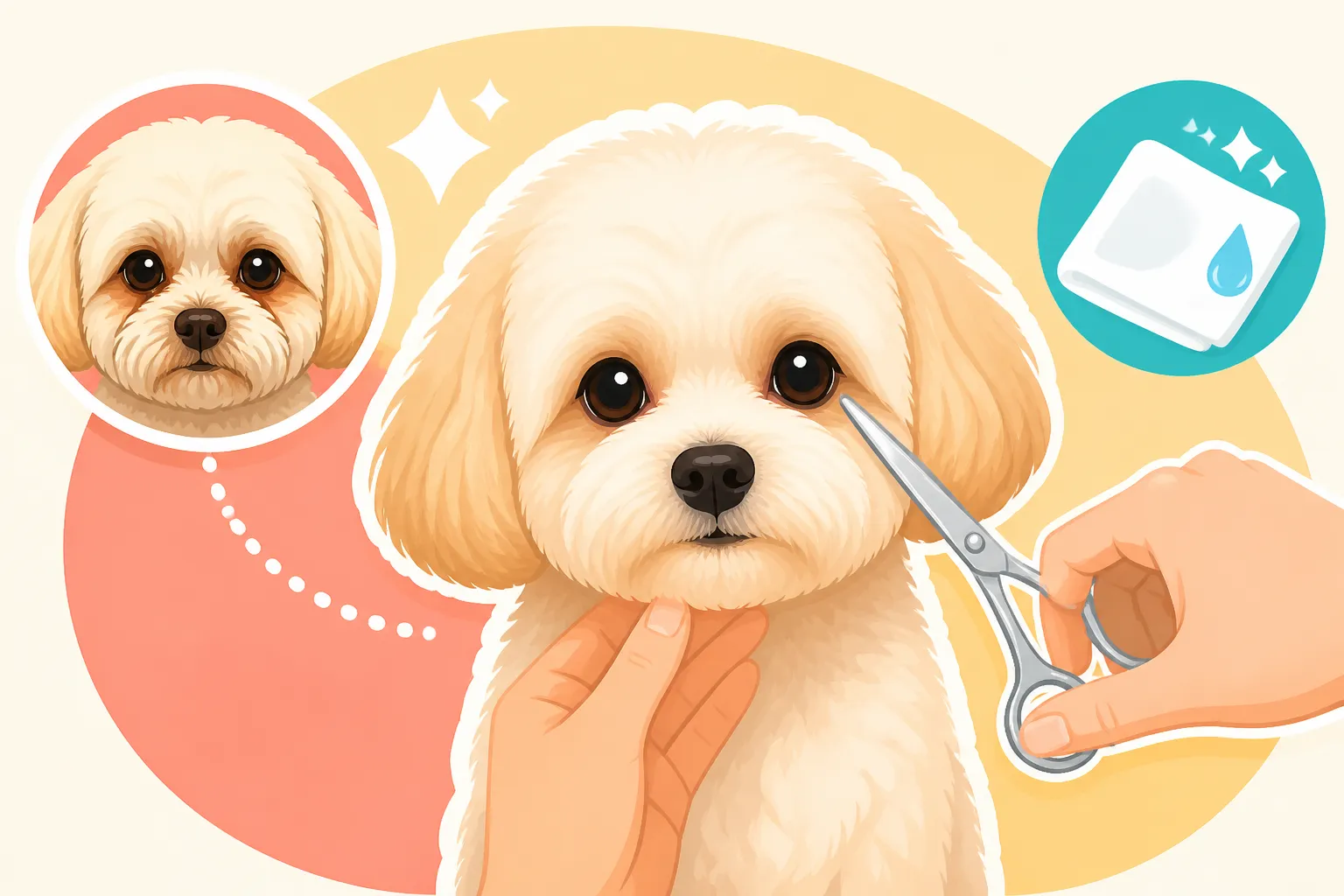
When it comes to trimming around those delicate eyes and sensitive muzzle areas, safety is paramount. Forget about using the large shears you might use for body trims or, heaven forbid, human scissors. These are simply too big, too sharp, and too unforgiving for such fine work. What you need are small, sharp scissors with rounded safety tips. These allow you to trim precisely without accidentally poking an eye if your Maltipoo makes a sudden movement. Look for a pair that fits comfortably in your hand, offering good control.
For truly detailed work, especially clearing the hair from the bridge of the nose or around the tear ducts, a small, quiet cordless trimmer can be invaluable. These are often called "paw trimmers" or "face trimmers" and have very narrow blades that can get into tight spots. The quiet motor is also a huge plus, as many Maltipoos can be sensitive to loud noises. You can find a good selection of these specialized tools on platforms like Amazon or at pet supply retailers like Chewy. Remember, dull tools pull hair, which is painful, so ensure your blades and scissors are always sharp.
Cleansers, Wipes, and Stain Removers
Tear stains are almost a rite of passage for many light-colored Maltipoos, and battling them requires a multi-pronged approach. You'll want a gentle, dog-specific facial cleanser. These are typically tearless formulations that won't irritate their eyes. For daily upkeep, a good supply of dog-safe facial wipes is a must. These are perfect for quick clean-ups after meals, walks, or anytime you notice a little buildup.
When it comes to existing tear stains, there are various products on the market. Some are topical solutions you apply directly, often containing mild astringents or cleansers. Others are internal supplements designed to reduce the bacterial growth that can contribute to the reddish-brown staining. It's crucial to understand that external tear stain removers cleanse the stained hair; they don't bleach it. Avoid any products that contain harsh chemicals or bleach, as these can be dangerous if they get into your dog's eyes or are ingested. Persistent, severe staining might also indicate an underlying issue, like Tear Duct Problems in a Maltipoo, which a vet should investigate.
Combs and Brushes for Delicate Areas
While you'll have larger brushes for your Maltipoo's body, the face requires much finer instruments. A small, fine-toothed metal comb is your best friend for the facial area. This comb is perfect for gently removing eye boogers, separating individual strands of hair, and ensuring there are no tiny tangles before you attempt to trim. Some owners even use a flea comb for this purpose, as the teeth are incredibly close together, making it effective for removing debris.
You might also consider a small pin brush or slicker brush for gently fluffing the muzzle hair if your Maltipoo has a longer "teddy bear" style. However, always exercise extreme caution around the eyes and nose with any brush. The key is to be incredibly gentle and work slowly. Aggressive brushing or combing can easily pull delicate hairs, causing pain and making your Maltipoo dread future grooming sessions. Build up their tolerance gradually, making it a positive experience every time. Teaching a Maltipoo to Accept a Toothbrush and facial handling should start young.
Mastering the Art of the Face Trim: Step-by-Step Guide
Trimming your Maltipoo's face can feel intimidating at first, but with the right approach and a steady hand, it becomes a routine task that ensures their comfort and health. It's all about preparation, patience, and knowing exactly where to make your cuts.
Preparing Your Maltipoo for the Trim
Before you even pick up the scissors, set the stage for success. Choose a calm, quiet environment where you won't be interrupted. A dedicated grooming table with a non-slip surface and a grooming arm is ideal, as it keeps your Maltipoo contained and at a comfortable height. If you don't have one, a sturdy counter with a non-slip mat will work, or even your lap if your dog is small and relaxed enough. The goal is to make this a positive experience. Have plenty of small, high-value treats on hand.
Start by gently combing their entire face, getting out any tangles, and removing crusts or debris. This is also a good time to check for any redness or irritation. Talk to your Maltipoo in a soothing voice. If they're a puppy, begin desensitizing them to facial handling and the sound of clippers early on. Even if they're older, short, positive sessions are key. How Early a Maltipoo Should Meet a Groomer is crucial for building a positive association with grooming. Reward stillness and cooperation generously. Never try to force them or rush the process, as this can create fear and make future trims much harder.
Trimming Around the Eyes and Bridge of the Nose
This is the most critical area and requires the utmost care. Always use your small, rounded-tip scissors.
- Comb Up: Use your fine-toothed comb to gently comb the hair directly above the eyes and on the bridge of the nose upwards, away from the eyes.
- Hold Hair: With your non-dominant hand, carefully hold the hair you want to trim between your index and middle fingers, pulling it slightly away from the eye itself. Your fingers act as a barrier between the scissors and their skin/eye.
- Trim Slowly: With tiny snips, trim only the very tips of the hair that are overhanging their eyes. The goal is to create a clear field of vision, not to cut the hair super short. For the hair on the bridge of the nose, trim it so it doesn't rub on their eyes.
- Repeat: Comb the hair down and then up again to catch any missed strands.
Many owners aim for a small, inverted "V" or "triangle" shape directly above the inner corner of each eye, pointing towards the nose, to keep hair away from their tear ducts. Be mindful of their blinking reflex and sudden movements. If you're nervous, do very small sections, take breaks, and always reward. It's better to trim a little at a time over several sessions than to risk injury by rushing.
Shaping the Muzzle and Beard Area
Once the eyes are clear, you can focus on the muzzle and beard. This is where you can achieve that characteristic "teddy bear" look or opt for a shorter, more practical cut.
- Comb Through: Comb the hair on the muzzle and chin thoroughly, making sure there are no knots.
- Trim the Muzzle: If you want a teddy bear face, comb the hair outwards from the nose and carefully trim around the natural round shape of their muzzle. If you prefer a cleaner, shorter look, you can use your small trimmers to gently buzz the hair shorter, always going with the grain of the fur to avoid a choppy appearance. Pay attention to the hair just above their lips where food tends to accumulate.
- Trim the Beard: For the beard, you can either leave it longer for a more distinguished look or trim it shorter to minimize staining and food collection. Comb the beard hair straight down and trim it evenly across, or shape it to follow the jawline. Remember, hair around the mouth will quickly get wet and food-stained, so a slightly shorter trim here can be very practical.
Always step back and assess your work from different angles. It's easy to get focused on one spot and make it uneven. Take your time, be gentle, and remember that even professional groomers take breaks with wiggly clients. The aim is a functional, clean face that makes your Maltipoo comfortable and happy. This attention to detail contributes to the overall The Daily Routine a Maltipoo Needs.
Daily Cleaning Rituals to Prevent Stains and Buildup
Consistent daily care is the secret weapon against unsightly stains and stubborn crusts on your Maltipoo's face. While trimming helps manage the length, it's the routine cleaning that keeps their face truly sparkling. This is often where owners get overwhelmed, but breaking it down into small, manageable steps makes all the difference.
The Daily Face Wipe: Non-Negotiable
If there's one habit you absolutely must adopt, it's the daily face wipe – and often, multiple times a day! Your Maltipoo's fine facial hair acts like a magnet for everything. Every time they eat, drink, or even just sniff around outside, tiny particles and moisture get trapped. For light-colored Maltipoos, this is even more apparent due to tear staining. Why a White Maltipoo Stains and a Cream One Hides It explains how quickly those reddish-brown marks can appear.
Make it a habit to gently wipe your Maltipoo's face immediately after every meal and after they drink water. You'll also want to do a general wipe-down first thing in the morning to remove any "sleep crusts" and before bedtime. Use dog-specific, tearless facial wipes or simply a soft, clean cloth dampened with warm water. Pay particular attention to the corners of their eyes, the bridge of their nose, and around their mouth. This simple act removes food debris, saliva, and excess moisture before it can dry, harden, or cause stains. It takes mere seconds but prevents hours of future frustration. This is truly The Daily Face Wipe a Maltipoo Needs.
Addressing Tear Stains: Products and Prevention
Tear stains are a common bugbear for Maltipoo owners. While regular wiping helps, sometimes you need to go a step further. Prevention starts from within. Consider the quality of your dog's food; some owners find that certain ingredients or dyes in kibble can exacerbate staining. Switching to a high-quality, limited-ingredient diet or fresh food (like Ollie) might make a difference for some dogs, though results vary widely. Ensure your Maltipoo is drinking filtered water, as minerals in tap water can sometimes contribute to staining.
For existing stains, there's a plethora of topical products available. Many contain mild cleansing agents like boric acid or witch hazel, or even natural enzymes that break down the porphyrin (the compound in tears that causes the reddish stain). Always choose products specifically formulated for dogs and be incredibly careful to avoid getting them into your Maltipoo's eyes. Apply them with a cotton ball or soft pad and follow the instructions carefully. Remember, these products help clean the stain off the hair, but they won't stop the tears from forming. If the tearing is excessive, persistent, or accompanied by redness, discharge, or pawing at the face, it's crucial to consult your veterinarian. They can rule out underlying medical issues such as allergies, blocked tear ducts, or eye infections, which may require specific treatment.
Preventing Food and Water Stains
Beyond tears, food and water are major culprits for facial stains and mess. Maltipoos, with their long facial hair, tend to dunk their muzzles deep into bowls, emerging with soaked, food-laden beards. To combat this, consider changing their eating and drinking setup.
For water, some owners find success with narrow, deep bowls where only the tip of the tongue can reach the water, or with gravity-fed water bottles (like those for hamsters, but larger and dog-appropriate). The latter keeps their face completely dry while they drink. For food, consider the shape and depth of their bowl. A shallower bowl might prevent their beard from getting submerged, or a raised bowl can encourage better posture, reducing spillage. Some brands also make "snood"-like covers that can be slipped over your Maltipoo's head during meal times to keep their ears and facial hair out of the food. The consistency of their food matters too. While wet food can be easier for older dogs with The Forty Two Teeth Crowding a Maltipoo's Jaw or missing teeth, it can also be messier on their faces. If feeding wet food, ensure you wipe their muzzle thoroughly immediately afterward.
Dealing with Stubborn Mats and Stains
Despite your best efforts with daily wiping and regular trimming, life happens. A particularly enthusiastic roll in the grass, a forgotten mealtime wipe, or simply the natural growth cycle can lead to stubborn mats and stains. When these issues arise, it's crucial to address them correctly to avoid causing pain or skin irritation.
Gentle Dematting and Detangling Techniques
Mats are essentially clumps of tightly tangled hair that can pull on your Maltipoo's skin, causing discomfort and even severe skin problems if left unattended. If you encounter a mat on your Maltipoo's face, resist the urge to pull or yank at it. This is painful and will only make your dog fear grooming. Instead, approach it gently and methodically.
First, try to isolate the mat. Apply a detangling spray specifically designed for dogs, or even a tiny amount of cornstarch, directly onto the mat. Work a small, fine-toothed metal comb or a special dematting tool (often with small, razor-sharp blades designed to cut through mats without pulling) from the outside of the mat, working your way in. Hold the base of the hair near the skin with your fingers to prevent pulling. This protects their delicate skin. If the mat is too tight or large, do not try to force it. Repeated pulling can cause skin trauma. In such cases, it's always safer to consult a professional groomer. They have the tools and expertise to safely remove even the most stubborn mats, often using clippers to shave them out without hurting the dog. This is why learning Working a Mat Out of a Maltipoo's Coat safely is an important skill, or knowing when to delegate.
Professional Grooming: When and Why It's Indispensable
While home care is vital, a professional groomer is an invaluable partner in keeping your Maltipoo's face in top condition. They possess the skill, specialized tools, and often, the patience to handle even the most wiggly or sensitive Maltipoos. Regular trips to the groomer, typically every 4-6 weeks for a full-body groom, should always include a meticulous face trim. However, for some Maltipoos, especially those with very fast-growing hair or significant tear staining, you might consider booking "face, feet, and potty trim" appointments every 2-3 weeks in between full grooms.
A professional groomer can achieve a perfectly sculpted look that's difficult to replicate at home. They can safely clear the hair from the inner corners of the eyes, trim the muzzle precisely for that adorable "teddy bear" or clean "puppy cut" style, and ensure the beard is neat and manageable. They can also use professional-grade shampoos and facial cleansers that help reduce staining. When choosing a groomer, look for one who specializes in small breeds and is recommended for their gentle approach. Don't be afraid to ask for specific instructions or to show them pictures of the look you prefer. Be clear about any sensitive spots your Maltipoo has. Knowing The Trim a Maltipoo Owner Should Ask For ensures you both are on the same page.
Long-Term Facial Hair Care: Habits for a Happy Maltipoo
Keeping your Maltipoo's face trimmed and clean isn't a one-time project; it's a lifestyle commitment. By embedding consistent habits and understanding the broader factors that influence facial cleanliness, you'll ensure your Maltipoo enjoys a lifetime of comfort and good looks.
Consistency is Key: Building a Routine
The single most important factor in maintaining your Maltipoo's facial hygiene is consistency. Sporadic bursts of intense grooming followed by weeks of neglect will only lead to frustration, mats, and stains. Instead, aim for short, regular sessions. Think of it as a few minutes each day, rather than an hour once a month. This daily interaction also strengthens your bond with your dog and allows you to catch any potential issues, like skin irritation or eye problems, early on.
Integrate face care into your daily routine. Perhaps after their morning walk, or while you're relaxing in the evening, take a few moments to wipe their face, comb through their muzzle, and check their eyes. Reward them with praise and a small treat for their cooperation. By making it a positive, predictable experience, your Maltipoo will learn to tolerate, and perhaps even enjoy, their "spa time." Remember that consistency in handling their face from a young age is also critical, as discussed in Teaching a Maltipoo to Lie Still for a Face Trim.
Diet and Hydration: Indirect Influences on Facial Cleanliness
You might not immediately connect what's in your Maltipoo's bowl with the cleanliness of their face, but diet and hydration play a significant indirect role, especially concerning tear stains. A high-quality, balanced diet that agrees with your dog can contribute to overall health, which in turn can reduce excessive tearing or specific types of staining. Some owners report a decrease in tear staining when feeding grain-free or novel protein diets, or fresh food brands like Ollie, although scientific evidence linking specific diets directly to tear stain reduction is mixed. The key is finding what works best for your individual Maltipoo.
Hydration is equally important. Ensure your Maltipoo always has access to fresh, clean water. As mentioned earlier, some owners swear by filtered water, believing the absence of certain minerals helps reduce staining. While these are not guaranteed solutions for every dog, they are easy habits to implement and contribute to your Maltipoo's overall well-being. A healthy dog is often a cleaner dog.
Knowing When to Seek Veterinary Advice
While many facial issues are purely cosmetic or easily managed at home, it's crucial to know when a problem warrants a trip to the veterinarian. Your Maltipoo's eyes, in particular, are delicate and prone to certain conditions. If you notice persistent redness, excessive tearing beyond normal staining, thick or discolored discharge, squinting, sensitivity to light, or if your Maltipoo is constantly pawing at their face, don't delay. These could be signs of serious eye infections, allergies, corneal abrasions, or even more complex genetic issues like those related to The Eyes a Maltipoo Gets From the Poodle.
Similarly, if you observe chronic skin irritation, foul odors, or open sores around the muzzle or beard area that don't improve with regular cleaning, a vet visit is in order. These could indicate bacterial or yeast infections that require prescription medication. Never try to self-diagnose or treat serious eye or skin conditions with home remedies, as you could inadvertently cause more harm. Your vet can accurately assess the situation and provide the appropriate treatment, ensuring your Maltipoo's comfort and long-term health. The Yearly Checks a Maltipoo Should Get should always include a thorough examination of the eyes and facial area.
| Facial Hair Issue | Common Causes | Home Solutions | When to See a Vet / Groomer |
|---|---|---|---|
| Tear Stains | Porphyrins in tears, blocked tear ducts, allergies, diet, water quality, genetic predisposition | Daily wiping with dog-safe wipes, filtered water, gentle topical stain removers, careful diet choices | Persistent heavy staining, eye discharge, redness, squinting (vet); professional cleaning/trim (groomer) |
| Eye Crusts/Boogers | Natural eye discharge, dried tears, environmental debris | Daily gentle removal with a fine-toothed comb or damp cloth | Excessive discharge, green/yellow discharge, pawing at eyes, redness (vet) |
| Matted Facial Hair | Lack of regular brushing, moisture, food debris, rubbing against surfaces | Small, controlled dematting with detangling spray and comb (holding skin at base) | Large, tight mats close to the skin (professional groomer); skin irritation under mat (vet) |
| Food-Stained Beard | Wet food, drinking habits, uncleaned facial hair | Immediate wiping after meals/drinks, specialized bowls/water bottles, shorter beard trim | Skin irritation, foul odor, redness under beard (vet) |
| Hair Obstructing Vision | Fast growth, infrequent trims | Regular trimming with rounded-tip safety scissors | Accidental cuts, eye irritation, chronic rubbing on cornea (vet); professional trim (groomer) |
Disclaimer
This article is for general informational purposes only and does not constitute professional advice. Laws, prices and regulations vary by location and change over time. Consult a qualified professional for guidance on your specific situation.