The Curly Maltipoo Coat
The moment you first lay eyes on a Maltipoo with that glorious, fluffy, curly coat, it’s easy to fall completely in love. But soon after bringing your sweet pup home, many new owners quickly realize that this beautiful coat, while charming and famously low-shedding, comes with its own very unique and demanding set of care requirements. It's not just about looking cute; it's about preventing painful mats and maintaining your Maltipoo's comfort and health. This comprehensive guide will walk you through everything you need to know about caring for your curly-coated Maltipoo, from daily brushing to professional grooming.
Understanding the Curly Maltipoo Coat
That delightful curl isn't just for show; it's a defining characteristic that significantly influences your Maltipoo's grooming needs. Understanding its origins and how it behaves is the first step in mastering its care.
The Poodle's Influence on Curl
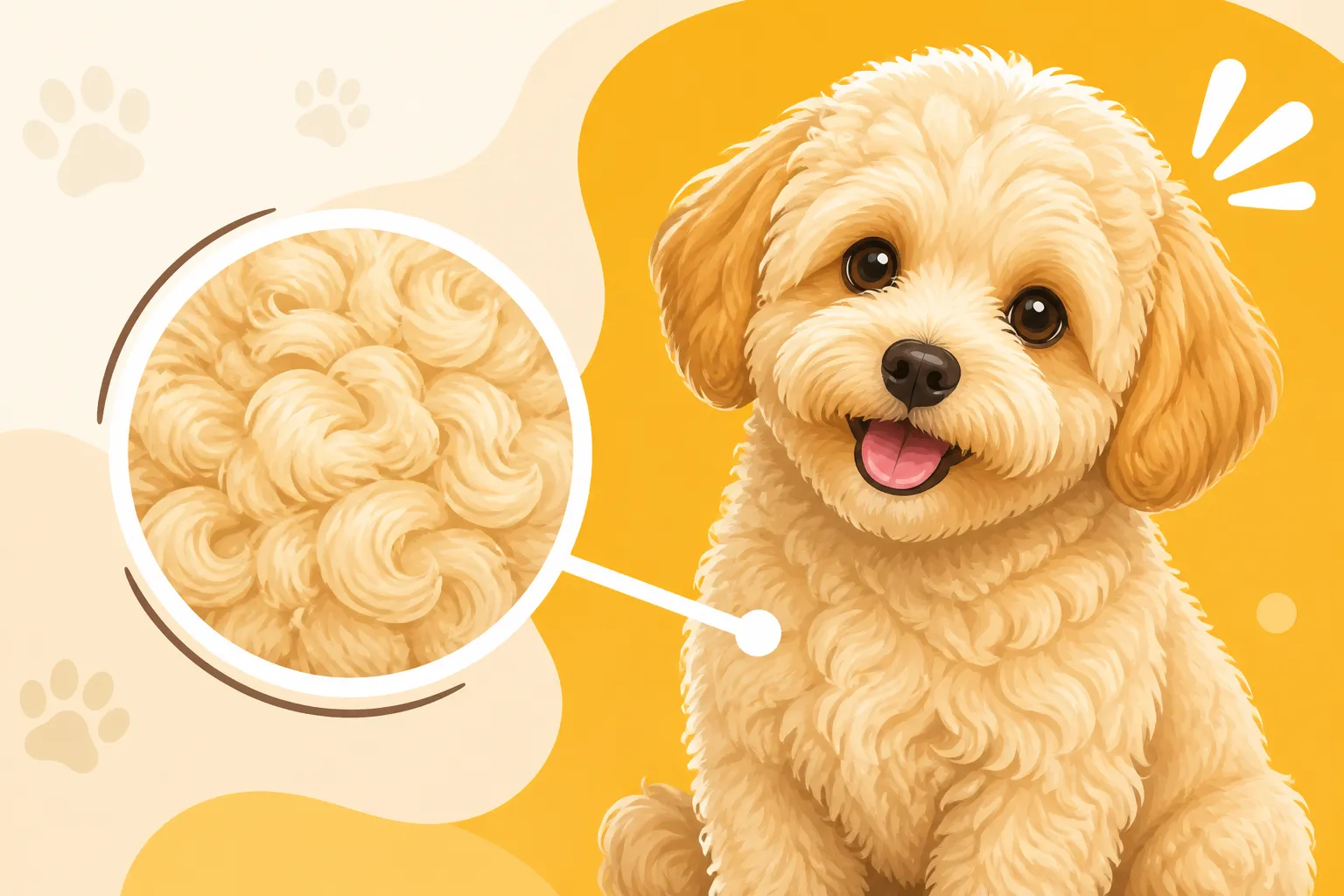
The Maltipoo is a hybrid cross between a Maltese and a Poodle, and when it comes to the coat, the Poodle parent usually plays a dominant role in dictating that signature curl. Poodles are renowned for their dense, curly, non-shedding coats, and many Maltipoos inherit a very similar texture. This curl is fantastic for allergy sufferers because shed hair tends to get caught within the curly strands rather than falling out onto furniture and floors. However, this same quality is precisely what makes the coat prone to matting. Each individual hair, instead of falling free, becomes trapped, and if not brushed out, it intertwines with neighboring hairs, forming knots and eventually tight, painful mats.
It’s a genetic lottery, to some extent. You might see a range from a loose wave to a tight curl, and sometimes, even within the same litter, puppies can have surprisingly different coat textures. But if your Maltipoo has that distinct Poodle-like curl, prepare for a rigorous grooming schedule. The tighter the curl, the more vigilant you generally need to be about brushing.
Variations in Curl Patterns
While the "curly Maltipoo" is a distinct type, there's a spectrum of curl patterns you might encounter. Some Maltipoos will have a loose, open wave, almost like a permanent beach wave, which is often easier to manage than the tighter curls. Others will have a medium curl, where the hair forms distinct spirals that are still relatively soft. Then there are those with the very tight, dense curl, closely resembling a Poodle's coat. These dense coats offer incredible insulation and that plush teddy bear look, but they are also the most challenging to maintain.
The curl can also vary across different parts of your Maltipoo's body. You might notice tighter curls on their back and sides, while the hair on their ears, tail, or legs might be wavier or even softer. This means you can't approach grooming with a one-size-fits-all method for the entire dog; certain areas will demand more attention and a gentler touch. Keeping an eye on these variations helps you tailor your grooming approach, focusing extra effort where the curl is tightest and therefore most prone to tangles. You can also explore The Wavy Maltipoo Coat and The Straight Coated Maltipoo for comparison with other coat types.
Why "Non-Shedding" Doesn't Mean "No Maintenance"
This is perhaps the biggest misconception new Maltipoo owners have. The term "non-shedding" is a double-edged sword. Yes, it's wonderful not to have dog hair all over your house, but the trade-off is that those hairs that would normally shed out become trapped in the existing coat. Imagine if your own hair never fell out and just stayed intertwined with the hair still growing on your head – that's essentially what happens with a curly Maltipoo.
Without regular, thorough brushing, these trapped hairs quickly form mats. Mats aren't just cosmetic issues; they can pull on your Maltipoo's skin, causing discomfort, pain, and even skin infections if moisture gets trapped underneath. Severe matting can restrict movement, hide parasites, and make bathing impossible without causing further damage. So, while you won't be constantly vacuuming up dog hair, you'll be spending that time, and more, on diligent grooming. It’s not a low-maintenance coat; it’s a different kind of maintenance. This is often the thing Maltipoo buyers find out too late.
The Daily Battle Against Mats and Tangles
For a curly Maltipoo, brushing isn't an occasional chore; it's a daily ritual, as essential as feeding and potty breaks. Skipping even a day or two can lead to significant problems.
Areas Prone to Matting
Curly coats seem to have a magnetic attraction to mats, especially in certain hotspots. You need to be particularly vigilant in these areas:
- Behind the Ears: This is a top contender for matting. The hair here is often finer and gets easily tangled with head movements, collar friction, and ear scratches. Many Maltipoo owners find Mats Behind a Maltipoo's Ears to be a constant struggle.
- Armpits and Groin: These areas experience a lot of friction from movement and are often overlooked during quick brushes. The hair here can be softer and more delicate, making it mat faster.
- Under the Harness/Collar: Any area where accessories rub against the coat will inevitably compact the hair, leading to mats. Make sure your harness fits well and isn't constantly rubbing.
- Legs and Paws: Hair between the paw pads can also mat, collecting debris and becoming uncomfortable for walking. The longer leg hair can knot easily, especially after walks in damp grass or snow.
- Tail Base: Similar to behind the ears, the tail is constantly moving, creating friction and opportunities for tangles.
Always check these areas first when you begin your daily grooming session. A quick run-through on the back isn't enough; you need to get into those hidden spots.
The Tools You Absolutely Need
Having the right tools makes all the difference. Skimping on grooming tools for a curly-coated Maltipoo is a recipe for disaster and will only lead to more frustration and potentially costly professional dematting.
- Slicker Brush: This is your primary weapon against tangles. Look for one with fine, bent wire pins that can reach down to the skin without scratching it. Brands like Chris Christensen offer high-quality slicker brushes that are gentle yet effective.
- Metal Comb: A good quality metal comb with both wide and narrow teeth is crucial for "line brushing" – ensuring you've brushed all the way to the skin. This also helps in carefully separating any small tangles you find.
- Detangling Spray: A leave-in detangling spray can make brushing much easier, especially when working through a stubborn knot. It helps lubricate the hair, preventing breakage and reducing static.
- Mat Splitter/Dematting Tool: For those times a mat forms despite your best efforts, a mat splitter can gently cut through it without causing discomfort to your dog. Never use scissors to cut out a mat close to the skin, as it's incredibly easy to accidentally cut your dog.
You can often find these high-quality tools on sites like Amazon or Chewy, which makes stocking up convenient. Remember, investing in good tools now will save you a lot of headache and vet bills later.
Establishing a Consistent Routine
Consistency is truly the key. For most curly Maltipoos, a daily brushing session of at least 15-20 minutes is non-negotiable. For some, especially puppies going through their coat change around 6-10 months, you might even need to do it twice a day. The Month a Maltipoo Starts Matting Daily can be a particularly challenging time.
Here’s a basic routine to follow:
- Prep: Have your Maltipoo lie down or sit comfortably. Give them a treat and use a detangling spray over a section of their coat.
- Sectioning: Work in small sections, parting the hair down to the skin. This technique, called line brushing, ensures you’re getting all the layers of the coat.
- Brush: Use your slicker brush to gently brush from the skin outwards, removing any loose hair or small tangles. Be thorough but gentle.
- Comb: Follow up with your metal comb through the same section. If the comb glides smoothly from root to tip, you've done a good job. If it catches, go back with the slicker brush until it passes through easily.
- Repeat: Move to the next section and repeat the process until your entire Maltipoo is brushed. Pay extra attention to those mat-prone areas we discussed.
Making this a positive experience with treats and praise will help your Maltipoo tolerate, and perhaps even enjoy, their daily grooming. Start this habit early with your puppy, so they learn to accept handling.
Bathing Your Curly Maltipoo: A Step-by-Step Guide
Bathing a curly Maltipoo correctly is crucial; done wrong, it can turn a few small tangles into a massive, impenetrable mat.
Choosing the Right Products
Just like with brushes, selecting the right shampoo and conditioner is vital for a curly coat. You're looking for products that are moisturizing, detangling, and gentle.
- Shampoo: Opt for a tearless, moisturizing shampoo specifically formulated for dogs. Avoid harsh detergents or products with strong perfumes that can irritate sensitive skin. Many brands, including some available on Chewy, offer excellent options for puppies and dogs with delicate skin or coats prone to matting.
- Conditioner: A good conditioner is non-negotiable for a curly Maltipoo. It helps to smooth the hair shaft, making it easier to detangle and less likely to mat. Look for a leave-in conditioner or a rinse-out conditioner that offers extra hydration. Some conditioners also have detangling properties built-in.
- Facial Cleanser: For light-colored Maltipoos, a tearless facial cleanser can help address Tear Staining on a Light Coated Maltipoo without irritating their eyes.
Before you even get your Maltipoo wet, make sure they are completely free of mats. Water will tighten and set any existing tangles, making them virtually impossible to remove without shaving. This is a common mistake that leads to major grooming emergencies.
The Importance of Thorough Rinsing
After shampooing, rinsing your Maltipoo's curly coat thoroughly is paramount. Any shampoo residue left behind can irritate the skin, lead to dryness, and even cause the coat to feel sticky and mat faster. With a dense, curly coat, it can be surprisingly difficult to rinse all the product out.
Spend extra time with the spray nozzle, working it deep into the coat, ensuring every last bubble is gone. Pay particular attention to the armpits, groin, and under the tail. You should feel the coat squeaky clean, not slick or soapy. Once you think you’ve rinsed enough, rinse for another minute or two, just to be safe. Follow up with your chosen conditioner, applying it generously, especially to the ends and mat-prone areas. Let it sit for a few minutes if directed, then rinse that out equally thoroughly.
Drying Techniques to Prevent Mats
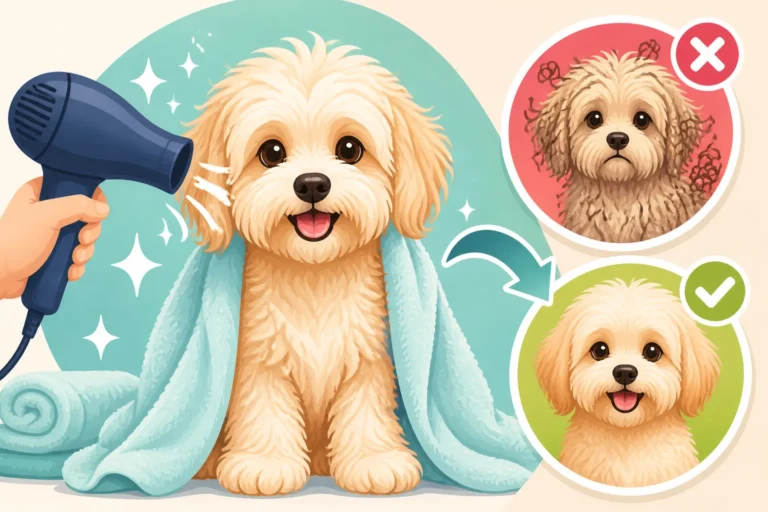
This is where many owners accidentally create mats. Air-drying a curly Maltipoo is a recipe for disaster. As the hair dries, it shrinks and curls, pulling any small tangles into tight, felted mats. You must thoroughly dry and brush your Maltipoo immediately after a bath. This is also why Drying a Maltipoo Before the Coat Knots is such a critical skill.
- Towel Dry: Gently squeeze out as much excess water as possible with a soft, absorbent towel. Avoid rubbing vigorously, as this can create tangles.
- Blow Dry: Use a pet-specific force dryer or a human hair dryer on a cool or low-heat setting. Never use high heat, as it can burn your dog's delicate skin. As you dry, continuously brush the coat with your slicker brush.
- Line Dry: Just like line brushing, part the hair in sections and dry each section from the skin out, moving your brush along with the airflow. This helps to straighten the hair slightly as it dries, making it less prone to tangling and ensuring you reach all layers of the coat.
- Full Dry: Continue until your Maltipoo is completely dry, from root to tip. Any dampness left in the coat, especially in dense areas, can still lead to matting or even skin issues.
Professional Grooming vs. Home Maintenance
Even the most dedicated home groomer will likely need to rely on a professional groomer periodically, especially for specific cuts and tidy-ups.
When to Call the Pros
Professional groomers are skilled in handling all coat types, including the challenging curly Maltipoo coat. They have specialized tools, high-velocity dryers, and the experience to tackle even significant matting (though ideally, you'll prevent this!).
You'll typically want to schedule professional grooming every 4-8 weeks, depending on how fast your Maltipoo's hair grows and how well you maintain it at home. A professional groomer can:
- Provide a full haircut: This is essential for managing coat length and preventing mats. Popular cuts like What a Puppy Cut Looks Like on a Maltipoo or What a Teddy Bear Trim Looks Like on a Maltipoo help keep the coat manageable.
- Dematting: If your Maltipoo has developed mats that you can't safely remove, a professional can often save the coat or, if necessary, humanely shave down a severely matted dog.
- Nail Trims and Ear Cleaning: These are crucial tasks that many owners find daunting. Groomers are adept at both. For example, knowing Clearing Wax From a Maltipoo's Ear is vital to prevent discomfort or infection.
- Anal Gland Expression: Another task best left to professionals or your vet.
Keep in mind that professional grooming for a Maltipoo can be an investment. The Fifty to Eighty Dollar Maltipoo Groom is a common range, but costs can vary based on location and the complexity of the job. Over time, What Grooming a Maltipoo Costs a Year can add up, so balancing home care with professional visits is key.
Learning Basic Grooming at Home
While pros are great, mastering some home grooming techniques is incredibly empowering and cost-effective. Regular home grooming keeps your Maltipoo comfortable between professional visits and reduces the likelihood of needing expensive dematting services.
- Brushing and Combing: As discussed, daily brushing is fundamental.
- Face Trims: The hair around your Maltipoo's eyes and mouth grows quickly and can interfere with their vision or lead to irritation. Learning to safely trim this hair with blunt-nosed scissors is a valuable skill. The Two Week Face Trim a Maltipoo Needs is a routine task.
- Paw Pad Trims: Keeping the hair between their paw pads trimmed prevents matting in this area and helps with traction on slippery floors.
- Nail Care: While scary for some, regular nail trims prevent painful overgrowth. You can use clippers or a dremel tool. Start slowly and offer plenty of treats.
- Ear Cleaning: Regularly cleaning your Maltipoo's ears with a vet-approved solution helps prevent ear infections, especially for dogs with floppy ears and hair inside the canal. You can even learn to gently pluck ear hair if necessary (ask your vet or groomer to show you how first).
Many online tutorials and even local pet stores offer grooming classes or demonstrations. Practice makes perfect, and your Maltipoo will benefit immensely from your efforts.
Finding a Groomer Who Understands Maltipoos
Not all groomers are created equal, especially when it comes to specific breeds or coat types. When choosing a groomer for your curly Maltipoo, look for someone with experience with Poodle mixes or similar non-shedding, curly coats.
- Ask for recommendations: Talk to other Maltipoo owners in your area.
- Check reviews: Online reviews often highlight a groomer's skill with specific breeds.
- Visit the salon: A clean, well-organized salon with happy, calm dogs is a good sign.
- Discuss their approach: Ask about their dematting philosophy. A good groomer prioritizes your dog's comfort over saving every last inch of hair. They should be transparent about what they can and cannot do without causing pain.
- Observe: If possible, ask if you can observe a grooming session for a few minutes, or at least chat with the groomer before booking an appointment.
A strong relationship with a skilled groomer will be an invaluable asset in keeping your curly Maltipoo looking and feeling their best.
Dealing with Specific Curly Coat Challenges
Beyond the general upkeep, curly Maltipoos often face a few unique challenges that require specific attention.
Tear Staining on Light Coats
This is a common frustration for many Maltipoo owners, especially those with white or cream-colored dogs. Tear stains are those reddish-brown streaks that appear beneath the eyes. While the curly coat itself doesn't cause staining, the hair around the eyes can wick tears, and the natural yeast and bacteria present in tears can cause the discoloration.
- Regular Cleaning: Keeping a Maltipoo's Face Trimmed and Clean involves daily wiping of the area around the eyes with a damp cloth or a specialized tear stain wipe.
- Diet: Sometimes, diet can play a role. Ensure your Maltipoo is on a high-quality food. Some owners find that switching to filtered water or avoiding certain food additives can help. You can explore options like Ollie, a fresh dog food brand, which focuses on high-quality ingredients.
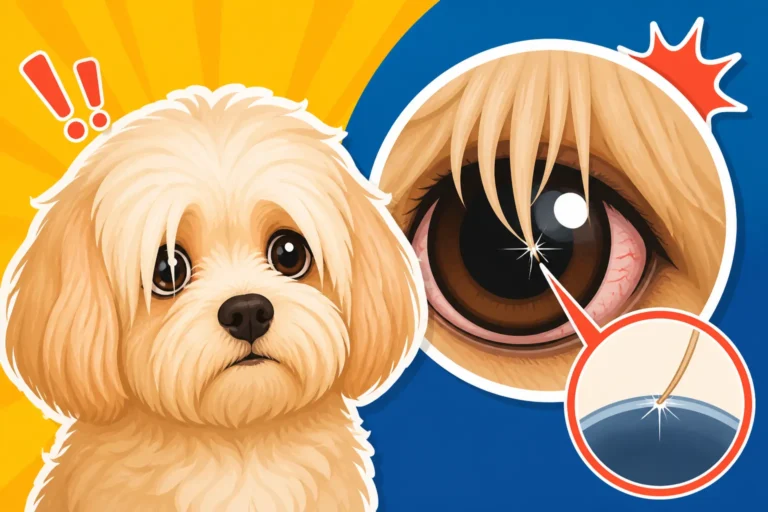
- Underlying Issues: If staining is excessive or sudden, consult your vet. It could indicate an allergy, blocked tear ducts, or other eye issues. Tear Duct Problems in a Maltipoo are not uncommon and should be investigated.
- Trimming: Keeping the hair around the eyes very short and clear prevents tears from getting trapped and staining. How Often a Maltipoo Needs Its Eyes Cleared depends on hair growth.
Ear Hair and Infections
Maltipoos inherit floppy ears from both parents, and their curly coats mean hair often grows inside the ear canal. This combination creates a warm, moist environment ripe for bacterial and yeast infections.
- Regular Cleaning: Weekly cleaning with a vet-approved ear cleaning solution is essential. This helps remove wax and debris and creates a less hospitable environment for pathogens.
- Hair Plucking: Many curly-coated breeds require the hair inside their ear canals to be plucked. This allows for better airflow and reduces moisture buildup. This is a sensitive task; your vet or groomer can perform it or teach you how to do it safely and gently. Whether a Maltipoo's Ear Hair Should Be Plucked is a common question, and for many curly-coated Maltipoos, the answer is yes.
- Signs of Infection: Watch for signs like head shaking, scratching at the ears, redness, odor, or discharge. If you notice any of these, consult your vet promptly.
Seasonal Coat Changes
While Maltipoos don't have a traditional shedding season like double-coated breeds, their coat can still experience changes. During puppyhood, often around 6-10 months, they go through a "coat change" where their softer puppy hair transitions to a denser adult coat. This period is notorious for intense matting, as the old puppy coat gets tangled with the new adult coat. You may find that Whether a Maltipoo Knots Overnight at Ten Months suddenly feels like a very real problem.
During this time, you might need to increase your brushing frequency, perhaps even to twice a day, and be extra diligent with your line brushing technique. Many owners opt for a shorter haircut during this phase to make it more manageable. As your Maltipoo ages, their coat might also thin slightly or change in texture, requiring adjustments to your grooming routine. Whether an Old Maltipoo's Coat Thins is a possibility, and you'll want to adapt your care accordingly to keep them comfortable.
Regular, thorough care for your curly Maltipoo's coat is a commitment, but it's one that pays off in a happy, healthy, and beautifully coiffed companion.
Disclaimer
This article is for general informational purposes only and does not constitute professional advice. Laws, prices and regulations vary by location and change over time. Consult a qualified professional for guidance on your specific situation.