Whether a Maltipoo Recovers Fully From Knee Surgery
It's incredibly stressful when your beloved Maltipoo starts limping, skipping steps, or showing any sign of discomfort, especially when you discover it's due to a luxating patella, or a "slipping kneecap." The immediate thought is often, "Will they ever be the same again?" This guide aims to thoroughly address whether a Maltipoo can achieve a full recovery after knee surgery and what that journey truly entails for both you and your furry family member.
Understanding Luxating Patella in Maltipoos
Luxating patella is a fancy term for a kneecap that dislocates or slips out of its normal groove. For us humans, it sounds agonizing, and for our small Maltipoo friends, it can indeed be quite painful and debilitating. This condition is disproportionately common in smaller breeds, and our adorable Maltipoos, being a mix of Maltese and Poodle, definitely fall into that category. It’s not just a minor inconvenience; it can lead to chronic pain, arthritis, and even more severe orthopedic issues if left unaddressed.
Why Maltipoos Are Susceptible to Slipping Kneecaps
When you look at a Maltipoo, you see a delightful, fluffy companion. What you might not immediately realize is that their delicate bone structure and specific breed predispositions make them particularly vulnerable to certain orthopedic conditions. Both the Maltese and Poodle breeds, from which the Maltipoo originates, are known to have a genetic predisposition to luxating patellas. This isn't something that happens because you let them jump off the sofa too often (though that doesn't help!); it's often something they inherit right from their parents. The shallow groove in the femur where the kneecap normally sits, or sometimes an issue with the alignment of the leg bones themselves, sets the stage for the patella to pop out of place. It’s like having a train constantly trying to jump off slightly misaligned tracks. Understanding this inherent vulnerability is the first step in proactive care, and it's why conditions like these are so prevalent in the breed. If you're curious to learn more about this common ailment, you can dive deeper into the specifics of Slipping Kneecaps in a Maltipoo to understand the underlying mechanics.
Recognizing the Signs and Grades of Patellar Luxation
One of the hardest things as a pet parent is knowing when something is truly wrong, especially when our dogs can't tell us directly. With a luxating patella, the signs can range from subtle to quite alarming. You might notice your Maltipoo suddenly holding one back leg up for a few steps, almost as if they're trying to "kick" their kneecap back into place, then resuming normal walking as if nothing happened. This intermittent skip or hop is a classic sign. In more severe cases, they might limp consistently, cry out in pain, or even refuse to bear weight on the affected leg. Sometimes, you might even be able to gently feel the kneecap pop in and out yourself, though it's always best to have a vet confirm this.
Veterinarians classify patellar luxation into four grades, which helps determine the severity and the best course of action. These grades are:
- Grade I: The patella can be manually luxated (moved out of place) but spontaneously returns to its normal position. Your dog might show no clinical signs, or only an occasional skip.
- Grade II: The patella luxates spontaneously or when the leg is flexed, and remains luxated for a short period before returning to its normal position, either spontaneously or with manipulation. You'll definitely notice the skipping or hopping gait more often here.
- Grade III: The patella is luxated most of the time but can be manually reduced into the groove. However, it will reluxate immediately or soon after. This means your Maltipoo will be consistently lame or show a very abnormal gait.
- Grade IV: The patella is permanently luxated and cannot be manually reduced. This is the most severe form, often involving significant skeletal deformities, and your dog will likely have severe lameness or be unable to use the leg properly.
A thorough understanding of The Four Patella Grades and Where a Maltipoo Lands can give you a better idea of what to expect and how your vet will assess the situation.
When is Surgery Necessary for a Maltipoo's Knee?
Deciding whether to proceed with surgery for your Maltipoo's luxating patella is a big decision, filled with anxiety and financial considerations. It's not a choice to be made lightly, and your veterinarian will be your most important partner in navigating this path. While some mild cases might manage without surgery for a time, many Maltipoos will eventually benefit from it to live a pain-free and active life.
Weighing Conservative Management Against Surgical Intervention
For Grade I patellar luxation, and sometimes even Grade II, some owners and vets might opt for conservative management. This typically involves a multi-faceted approach aimed at strengthening the surrounding muscles, managing pain, and reducing inflammation. Think physical therapy, controlled exercise, weight management (keeping your Maltipoo lean is crucial!), and possibly joint supplements containing glucosamine and chondroitin. The goal here is to support the joint and prevent the condition from worsening. However, it's important to be realistic: conservative management rarely "fixes" the underlying anatomical issue. It mostly manages the symptoms and aims to slow progression. It's a bit like putting a band-aid on a crack in the wall – it might hold for a while, but the crack is still there.
For more advanced Grade II cases, and certainly for Grade III and IV, surgery is almost always recommended as the best long-term solution. Your vet will discuss Whether a Maltipoo's Kneecap Needs Operating based on their specific grade, the pain your dog is experiencing, and how significantly it impacts their quality of life. Without surgery, chronic luxation can lead to irreversible cartilage damage, severe arthritis, and a lifetime of discomfort, making it harder for your Maltipoo to enjoy walks, play, or even just move comfortably around the house.
The Surgical Procedure for Patellar Luxation
The thought of your small Maltipoo undergoing surgery can be terrifying, but knowing what to expect can ease some of those fears. The primary goal of patellar luxation surgery is to prevent the kneecap from slipping out of its groove. There are several techniques a veterinary surgeon might use, often in combination, tailored to your dog's specific anatomy and the grade of luxation.
Common procedures include:
- Trochleoplasty: This involves deepening the trochlear groove (the femoral groove where the kneecap sits) to create a more secure channel for the patella. This might be done by removing a wedge of bone from the groove's floor or by re-shaping the groove. This is often the most critical part of the surgery.
- Tibial Tuberosity Transposition: The tibial tuberosity is the bony prominence on the shin bone (tibia) where the patellar ligament attaches. If this attachment point is misaligned, the surgeon will cut it, move it to a more appropriate position, and then re-attach it with pins or screws. This corrects the alignment of the quadriceps mechanism.
- Capsular Overlap: Tightening the joint capsule on the side opposite the luxation, and potentially releasing it on the side of the luxation, helps to balance the forces on the kneecap.
- Femoral Osteotomy: In severe cases, especially Grade IV, where there are significant deformities in the femur (thigh bone), a section of the bone might need to be cut, rotated, and re-plated to correct the overall alignment of the limb.
The specific combination of techniques will depend entirely on your Maltipoo's unique situation. If you're interested in the technical aspects, understanding What a Surgeon Does to a Maltipoo's Kneecap can provide more detailed insights into these procedures. The cost can also be a significant concern for owners, and it's wise to get a clear estimate of What Patella Surgery Runs on a Maltipoo from your vet.
The Path to Full Recovery After Maltipoo Knee Surgery
This is the big question, isn't it? After all the worry, the decision, and the surgery itself, what does "full recovery" really look like for your Maltipoo? The good news is that for most Maltipoos, especially those with Grade II or III luxations, the prognosis for a return to excellent function after surgery is very high. However, it's crucial to understand that recovery isn't just about the surgery; it's a dedicated process that requires commitment from you.
What "Full Recovery" Actually Means for a Maltipoo
When we talk about "full recovery" in veterinary terms, especially for orthopedic issues, it usually means that your dog can use the limb normally, without pain, and can participate in their usual activities without significant limitations. For a Maltipoo, this means being able to run, jump (safely, of course!), play, and walk without a noticeable limp or discomfort. It doesn't necessarily mean the leg will feel or look exactly as it did before the condition developed, particularly if there was already some arthritic change. The goal is to restore excellent function and comfort.
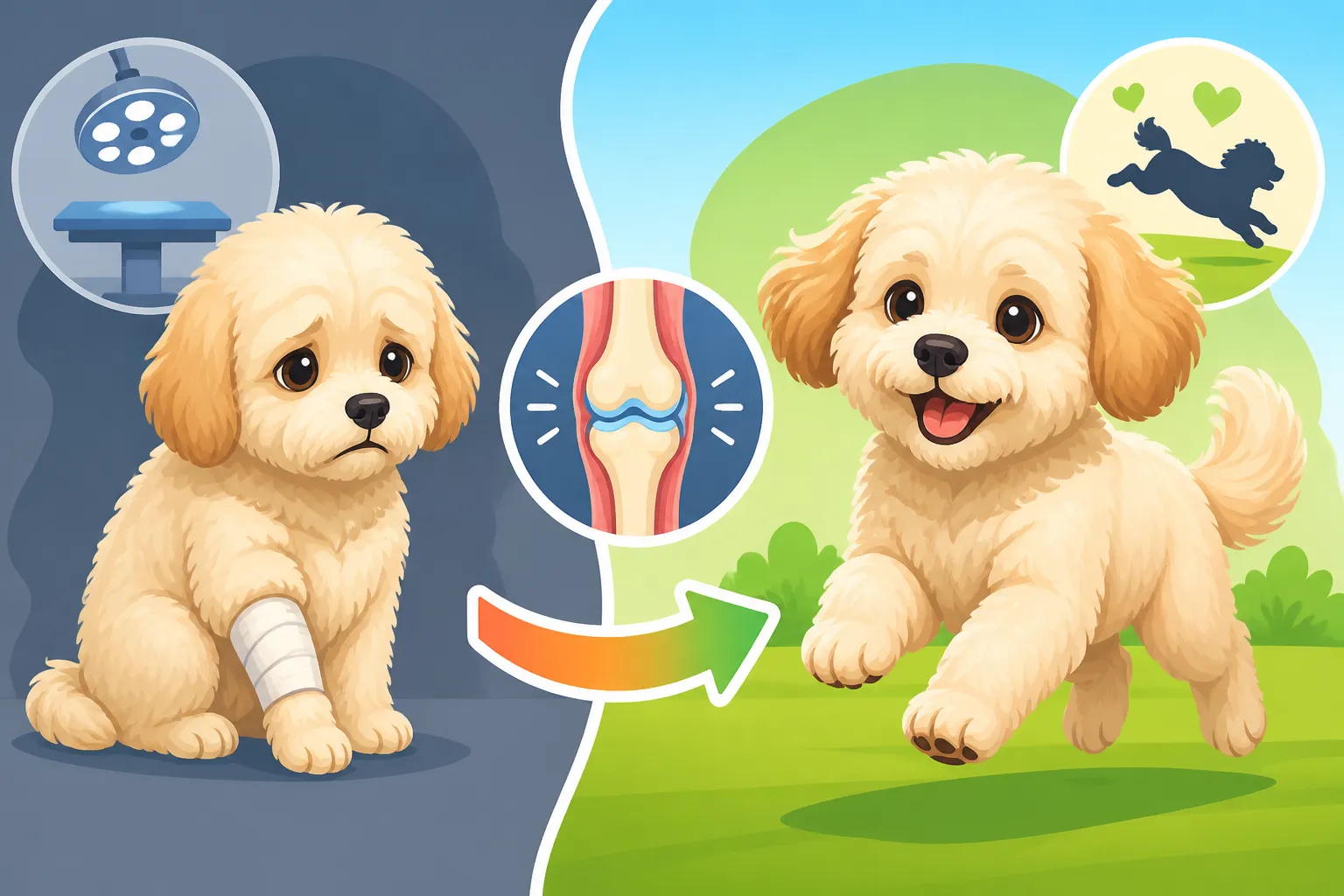
Think of it this way: your Maltipoo will likely be able to chase squirrels (safely contained, naturally!), enjoy long walks, and snuggle on the sofa without experiencing that painful skip or chronic ache. While the surgical site might never be 100% "perfect" in an anatomical sense, the functional outcome for the vast majority of dogs is incredibly positive. Most Maltipoos, after successful surgery and diligent rehabilitation, return to a normal, happy, and active life.
Post-Operative Care and Rehabilitation for Optimal Outcomes
The surgery is only half the battle; the recovery period is equally, if not more, critical to achieving that "full recovery." Your vet will provide detailed post-operative instructions, and adhering to them meticulously is paramount.
Here’s a general overview of what to expect:
- Strict Rest (First 6-8 Weeks): This is probably the hardest part, especially with an active Maltipoo! Your dog will need very limited activity – mostly short, leashed walks for potty breaks only. No running, jumping, playing, or stairs. A crate or a small, confined space will become your Maltipoo's best friend. It’s hard to restrict a happy pup, but preventing reinjury during this crucial healing phase is non-negotiable.
- Medication: Your Maltipoo will come home with pain relievers, anti-inflammatories, and sometimes antibiotics. Administer these exactly as prescribed to manage pain and prevent infection.
- Wound Care: You'll need to monitor the incision site daily for any signs of redness, swelling, or discharge. Keep it clean and dry. An E-collar (cone of shame) will likely be essential to prevent your Maltipoo from licking or chewing the stitches.
- Rehabilitation and Physical Therapy: This is where the magic really happens for a robust recovery. Starting a few weeks after surgery, your vet or a veterinary physical therapist will guide you through exercises. These might include passive range of motion, gentle massage, controlled walks, and eventually more advanced exercises to rebuild muscle strength and joint flexibility. This personalized approach is vital to strengthening the leg and ensuring proper movement patterns. The costs of this stage can add up, so it's good to understand What Physiotherapy After Maltipoo Knee Surgery Costs to budget appropriately. Many pet insurance plans, like those from
Healthy Paws, can help cover these significant expenses, easing the financial burden and allowing you to focus on your Maltipoo's healing. - Follow-up Vet Visits: Regular check-ups with your vet will be scheduled to monitor healing, remove stitches (if applicable), and assess progress. X-rays might be taken to ensure proper bone healing.
The dedication you put into this post-operative period will directly impact how well your Maltipoo recovers.
Long-Term Outlook and Potential Complications
The long-term outlook for Maltipoos after successful luxating patella surgery is generally excellent. Most dogs regain full use of their leg and live comfortable lives. However, it's important to have realistic expectations and be aware of potential complications, even if they are rare.
Possible long-term considerations include:
- Arthritis: Even with successful surgery, if there was already cartilage damage or significant inflammation before the procedure, some degree of arthritis can still develop over time. This is why joint supplements and continued weight management are often recommended as part of lifelong care.
- Re-luxation: While uncommon after successful surgery, there's always a slight chance the patella could luxate again, especially if the initial injury was severe or if rehabilitation wasn't fully completed. This might necessitate further intervention.
- Implant Issues: If pins or screws were used, they can occasionally cause irritation or become loose, requiring removal.
- Infection: Any surgery carries a risk of infection, although strict sterile techniques and post-operative antibiotics greatly minimize this.
- Luxation in the Other Knee: It's quite common for dogs, especially small breeds like Maltipoos, to develop luxating patella in both knees. If one knee has been operated on, keep a close eye on the other, as it might eventually require surgery too. Whether Both of a Maltipoo's Knees Go is a valid concern for many owners.
To help mitigate the financial impact of potential long-term issues or surgery on the other knee, having pet insurance from a reputable provider like Healthy Paws can be a real lifesaver. It provides peace of mind, knowing you can afford the best care for your Maltipoo without financial strain.
Supporting Your Maltipoo for a Lifetime of Comfort
Once your Maltipoo has recovered from knee surgery, the journey doesn't end. To ensure they remain comfortable and minimize the risk of future issues, ongoing preventative care and a knee-friendly lifestyle are essential. It's about building habits that support their delicate joints for the rest of their happy lives.
Creating a Knee-Friendly Home Environment
Our homes, while cozy for us, can sometimes be mini obstacle courses for small dogs like Maltipoos, especially those with recovering or delicate knees. Making a few adjustments can significantly reduce strain and prevent re-injury.
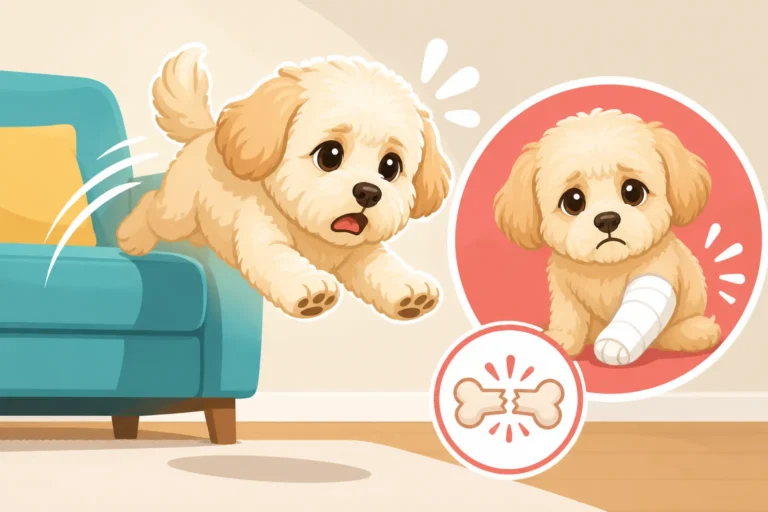
- Ramps and Steps: One of the biggest culprits for knee and back injuries in small dogs is jumping on and off furniture. Invest in ramps or pet steps for sofas and beds. This isn't just about preventing re-luxation; it also protects against other common injuries, like Whether a Maltipoo Breaks Its Leg Easily from a bad fall. Teaching your Maltipoo to use these reliably is a worthwhile endeavor. You can learn more about this by reading Whether a Maltipoo Should Use Steps to the Sofa.
- Non-Slip Surfaces: Hardwood, tile, and laminate floors can be slippery, forcing your Maltipoo to splay their legs and put extra strain on their joints. Consider runners, area rugs, or even special non-slip socks or paw pads to give them better traction, especially in high-traffic areas.
- Safe Play: While playtime is important, avoid roughhousing or games that involve a lot of sudden stops, starts, and twists, or high jumps. Opt for gentler games, perhaps fetch on a carpeted surface or short, controlled walks.
- Secure Containment: During the initial recovery phase, a safe, confined space like a crate or playpen is invaluable to prevent them from overdoing it. Even after recovery, having a designated "safe zone" for rest can be beneficial.
These small changes create a much safer and more supportive environment for your Maltipoo, reducing the likelihood of future mishaps.
The Role of Diet, Exercise, and Weight Management
Beyond environmental adjustments, your Maltipoo's overall health and lifestyle play a monumental role in long-term knee health.
- Weight Management: This cannot be stressed enough. Excess weight puts immense strain on a Maltipoo's small joints, exacerbating any existing orthopedic issues and increasing the risk of new ones. Even a pound or two overweight can make a huge difference. Work with your vet to determine your Maltipoo's ideal weight and how to maintain it through proper portion control and a balanced diet.
- Controlled Exercise: While extreme activity is out, consistent, moderate exercise is vital for maintaining muscle strength around the joint and preventing stiffness. Daily, controlled walks on a leash are perfect. Avoid long, strenuous hikes or uncontrolled off-leash play, especially on uneven terrain, which could lead to another injury.
- Joint Supplements: Many vets recommend joint supplements for Maltipoos with a history of patellar luxation or those prone to arthritis. Ingredients like glucosamine, chondroitin, and omega-3 fatty acids can help support cartilage health and reduce inflammation. While not a cure, they can be a valuable part of a comprehensive long-term care plan. Learning Whether a Maltipoo Needs Supplements can guide your choices.
- Regular Vet Check-ups: Continue with routine veterinary check-ups. Your vet can monitor your Maltipoo's joint health, detect any early signs of issues, and provide ongoing advice for preventative care. Remember that The Age a Maltipoo's Kneecap First Slips can vary, so vigilance from an early age is always beneficial.
By taking a holistic approach to your Maltipoo's care, combining a supportive home environment with mindful diet and exercise, you're giving them the very best chance at a long, comfortable, and joy-filled life after knee surgery. Thinking proactively about things like Insuring a Maltipoo Before Its Knees Go can also provide immense financial relief should these issues arise.
Patella Luxation Grades and Recovery Expectations
To help summarize the key points regarding patellar luxation and the recovery journey, here's a table outlining the grades, typical treatment, and general recovery prognosis.
| Patella Luxation Grade | Description | Typical Treatment Approach | Recovery Expectations After Surgery (If applicable) |
|---|---|---|---|
| Grade I | Patella can be manually luxated but returns to normal on its own. Often asymptomatic. | Conservative management (weight, exercise, supplements) often tried first. Surgery rare unless worsening. | Not typically surgical; if so, full recovery expected. |
| Grade II | Patella spontaneously luxates/reduces. Intermittent lameness, skipping. Can lead to arthritis. | Conservative management possible, but surgery often recommended for long-term health and pain prevention. | Good to excellent prognosis with proper rehab. Most dogs return to normal activity with reduced pain. |
| Grade III | Patella is luxated most of the time but can be manually reduced. Consistent lameness, abnormal gait. | Surgical correction strongly recommended due to pain and high risk of severe arthritis. | Good prognosis for functional recovery. May take longer to fully regain muscle strength and normal gait compared to Grade II. Arthritis management may be ongoing. |
| Grade IV | Patella is permanently luxated and cannot be reduced. Severe lameness, significant skeletal deformities. | Surgical correction essential, often involving complex procedures to realign bones. | Fair to good prognosis. Functionality greatly improved, but may not be 100% normal. Arthritis is common. Lifelong management often required. |
Disclaimer
The information provided in this article is for general informational purposes only and is not a substitute for professional veterinary advice, diagnosis, or treatment. Always seek the advice of your veterinarian or other qualified animal health provider with any questions you may have regarding a medical condition or treatment for your Maltipoo. Never disregard professional veterinary advice or delay in seeking it because of something you have read in this article.