Whether an Old Maltipoo’s Coat Thins
It's a common, sometimes unsettling, experience for Maltipoo parents: you look at your beloved furry friend, who still acts like a puppy at heart, and notice that their once-fluffy, dense coat just isn't quite the same. You might wonder if it's normal aging or something more concerning, and it can be frustrating to see such a hallmark of their charm start to diminish. This guide will explore whether an old Maltipoo's coat thins, what causes these changes, and how you can best support their skin and fur as they gracefully age.
The Natural Evolution of a Maltipoo's Coat Through the Years
Just like our own hair changes over time, a Maltipoo's coat isn't static. It undergoes several transformations throughout their life, from puppyhood to their golden years. Understanding this natural progression can help you discern typical aging from potential health concerns.
Puppy Fluff to Adult Luxuriance
When your Maltipoo was a tiny puppy, they likely had that incredibly soft, fine "puppy fluff" coat. It was adorable, easy to manage, and relatively low-maintenance. This is usually the first stage, and it's quite distinct from their adult coat. As they mature, typically between 6 months and a year, this puppy coat starts to shed out, making way for their more substantial adult fur. This period, sometimes referred to as the "coat change," can be a bit challenging, as their adult coat comes in, often with different textures and a tendency to mat more easily. This transition requires diligent grooming and might have you wondering How Many Months a Maltipoo's Coat Change Runs. Once settled, their adult coat usually becomes quite luxurious, whether it's wavy, curly, or straighter, and ideally, it's dense, soft, and vibrant. For many years, this adult coat will be a source of joy and daily brushing.
Gentle Shifts as Your Maltipoo Matures
As your Maltipoo enters their senior years, typically around 7-8 years old, you might start to notice subtle shifts in their coat. These aren't usually dramatic thinning right away, but rather a gradual change in texture, density, and even color. Hair growth cycles can slow down, meaning individual hairs don't grow as long or as quickly as they used to. The hair follicles themselves might become less productive, leading to a less dense overall appearance. You might find their once springy curls or waves become a bit softer, perhaps even a touch coarser or finer depending on the individual dog. It’s part of the beautiful process of The Twelve to Fifteen Years a Maltipoo Lives. Just like a person's hair might gray or thin slightly with age, a Maltipoo's coat naturally begins to reflect the passage of time. This is often a gentle, uniform thinning, rather than patchy baldness, and it’s usually accompanied by other signs of aging, such as a slower pace or more naps.
When "Thinning" Is More Than Just Aging: Recognizing the Signs
While some coat changes are a normal part of aging, true thinning can sometimes be a red flag. It's important to differentiate between natural softening and a more concerning loss of fur or compromised skin health. Keeping a close eye on your Maltipoo's coat during your regular grooming sessions can help you spot these signs early.
Spotting True Thinning vs. Normal Shedding
Normal shedding in a Maltipoo, even a non-shedding breed, often involves losing a few hairs here and there, especially during brushing. It's usually minimal and doesn't create bare patches. However, if you're noticing true thinning in your older Maltipoo, it goes beyond just a few stray hairs. You might see:
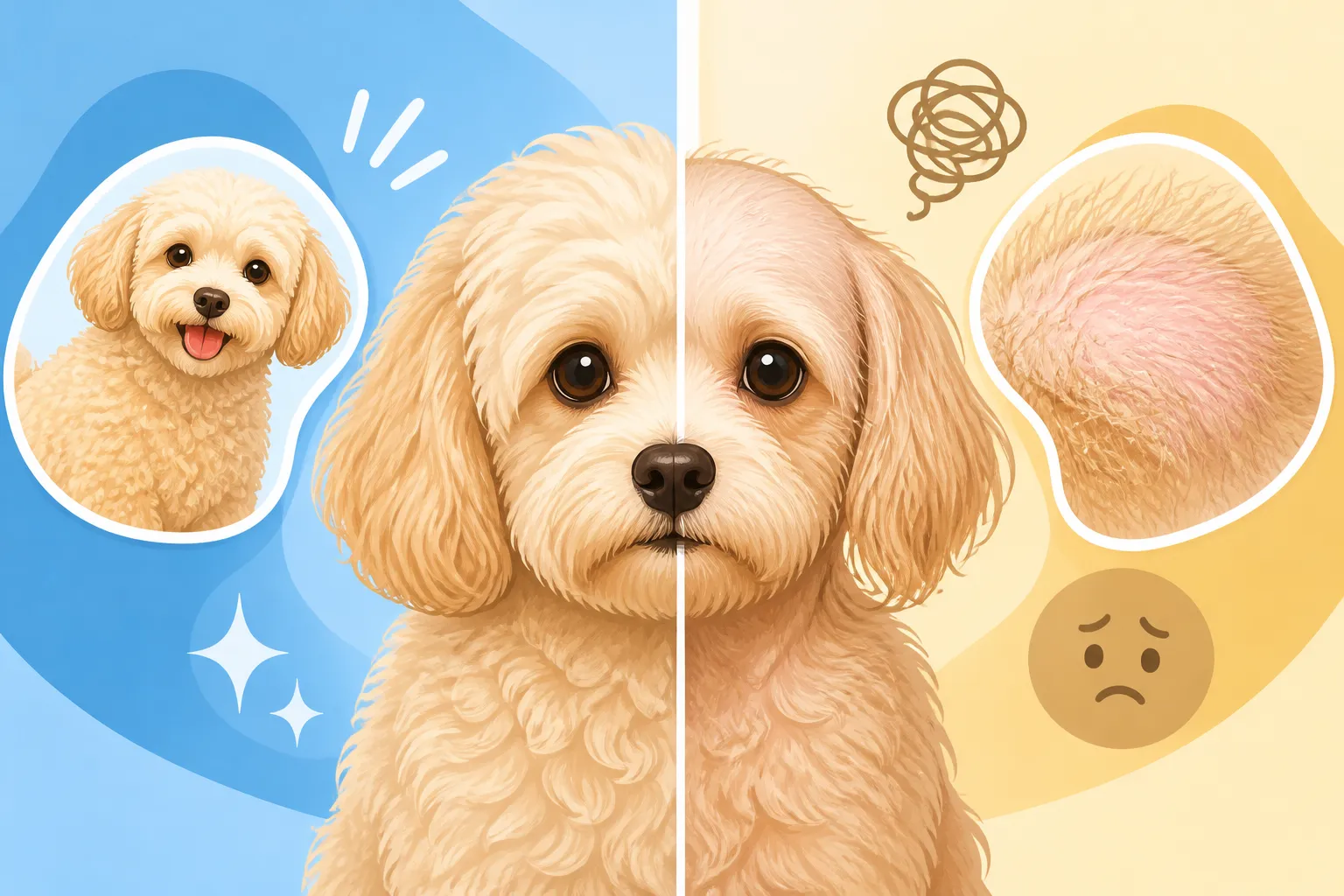
- Generalized decrease in density: Their coat just doesn't feel as thick as it once did. When you part the fur, their skin might be more visible than before.
- Patchy hair loss: This is a definite red flag. If you see specific areas where the fur is noticeably sparse or completely missing, it warrants investigation. Common areas include flanks, tail, behind the ears, or over the hips.
- Dull or brittle hair: The individual hair shafts might appear lifeless, dry, or break easily. This suggests underlying issues with hair quality rather than just quantity.
- Skin changes: Along with thinning fur, look for changes to the skin itself. Is it flaky, red, oily, or showing dark spots? Healthy skin is key to a healthy coat. An older Maltipoo can be particularly sensitive, and issues like allergies can cause them to chew their feet until they stain, leading to further coat issues. You might notice them doing this if Allergies Behind a Maltipoo's Itching are at play.
- Slow regrowth: If an area is clipped or shaved for a medical procedure, the fur might take an unusually long time to grow back, or it might grow back thinner than before.
Areas Prone to Noticeable Thinning
While thinning can happen anywhere, certain areas on an older Maltipoo tend to show it more readily. These are often areas with more friction or those susceptible to specific conditions.
- Flanks and sides: Hormonal imbalances or metabolic conditions can often manifest as symmetrical hair loss on the sides of the body.
- Base of the tail: Thinning around the tail can be linked to hormonal issues or even external parasites, although the latter is less common in well-cared-for senior dogs.
- Behind the ears and under the armpits: These areas might thin due to constant scratching from allergies or irritation, or simply because the hair is finer and more prone to breakage there.
- Pressure points: Areas like elbows or hocks, especially if your senior Maltipoo spends more time lying down, might develop thinner fur or even calluses. This is due to constant pressure and friction, which can impede hair growth.
- Around the muzzle and eyes: While some slight graying is expected, significant thinning in these areas could point to underlying issues, particularly if accompanied by tear staining or skin irritation. Keeping their face clean and clear is part of The Two Week Face Trim a Maltipoo Needs throughout their life.
If you observe any of these more pronounced signs of thinning, it’s always best to consult with your veterinarian. They can help distinguish between normal aging processes and treatable medical conditions.
Underlying Factors Contributing to Coat Thinning in Older Maltipoos
When an older Maltipoo's coat starts to thin, it's rarely just one thing. Often, it's a combination of age-related physiological changes, dietary needs, and sometimes, undiagnosed health conditions. Understanding these factors is the first step toward finding solutions.
Nutritional Needs and Dietary Changes
As Maltipoos age, their metabolism shifts, and so do their nutritional requirements. What worked perfectly for a young, energetic adult might not be optimal for a senior dog.
- Decreased nutrient absorption: Older dogs might not absorb nutrients from their food as efficiently as younger ones. This means that even if they're eating a high-quality diet, their body might not be getting enough essential vitamins, minerals, proteins, and healthy fats that are crucial for skin and coat health.
- Protein and fatty acids: Hair is primarily made of protein, so adequate protein intake is vital. Healthy fats, especially omega-3 and omega-6 fatty acids, are essential for maintaining skin elasticity, moisture, and a shiny, strong coat. If their diet becomes deficient in these, either due to poor quality food or inefficient absorption, the coat can become dull, brittle, and start to thin. Some owners opt for fresh food diets, like those offered by Ollie, which can be rich in bioavailable nutrients, or supplement their current food.
- Hydration: Dehydration, even mild, can also impact skin and coat health. Ensuring your older Maltipoo has constant access to fresh water is crucial. Sometimes, adding a little wet food to their diet can help increase their overall fluid intake.
- Weight management: Being underweight can sometimes lead to a poor coat due to a lack of nutritional reserves, while being overweight can lead to skin fold issues and a general decline in health that impacts the coat. Managing their portions, especially for a smaller breed, is critical, as discussed in Cutting an Old Maltipoo's Portions as It Slows. Remember, three treats can easily blow a Maltipoo's daily calories, making precise portion control vital for overall health, which in turn impacts coat condition.
Health Conditions and Medications
Many health conditions common in older dogs can manifest as changes in their skin and coat. The thinning you're seeing might be a symptom of an underlying medical issue. This is why The Yearly Checks a Maltipoo Should Get become even more important as they age.
- Hormonal imbalances:
- Hypothyroidism: An underactive thyroid gland, common in older dogs, can lead to a dull, dry, brittle coat, hair loss (often symmetrical and non-itchy), and thickened, dark skin. Your vet can test for this with a simple blood test. Addressing it can sometimes reverse coat thinning.
- Cushing's Disease (Hyperadrenocorticism): This condition, caused by an overproduction of cortisol, can lead to a thin, fragile coat, hair loss, and sometimes darkened skin. Other signs include increased thirst, urination, and a pot-bellied appearance.
- Kidney or liver disease: These serious conditions can affect the body's ability to process toxins and nutrients, which can in turn impact skin and coat health. A poor-quality coat or thinning fur can sometimes be an early indicator. You might be concerned about Whether a Maltipoo's Kidneys Fail With Age and how it affects them.
- Allergies and skin infections: While not exclusive to senior dogs, allergies can worsen with age or new ones can develop. Constant scratching, licking, and chewing due to allergies can cause secondary skin infections, which then lead to hair loss, redness, and inflammation. This can be especially frustrating if your Maltipoo chews its feet until they stain.
- Parasites: Fleas, mites, and other external parasites can cause intense itching, leading to scratching and subsequent hair loss. While less common in well-maintained indoor dogs, it's still a possibility to rule out.
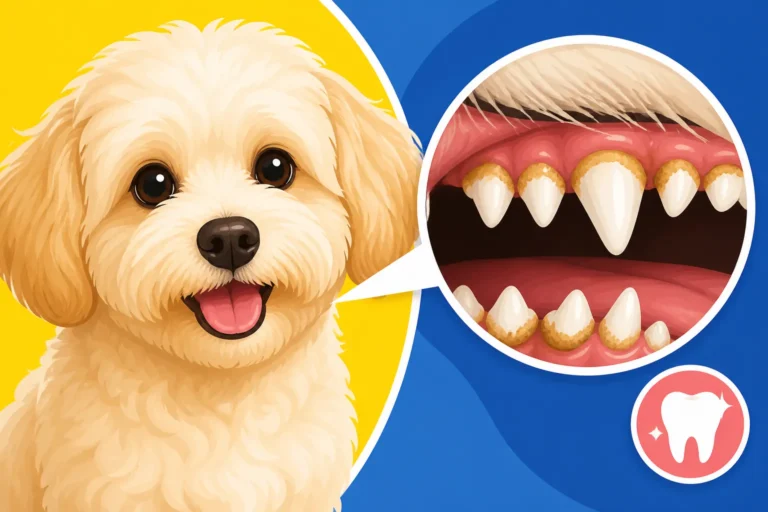
- Dental disease: Believe it or not, chronic dental pain and infection can stress a dog's system and contribute to overall poor health, including a dull or thinning coat. For a small breed like a Maltipoo, dental health is paramount. Whether Dental Disease Shortens a Maltipoo's Life is a real concern.
- Medications: Some long-term medications, particularly steroids, can have side effects that include coat thinning or changes in skin quality. Always discuss potential side effects with your vet.
Grooming Practices and Environmental Stressors
Even the best intentions in grooming can sometimes inadvertently contribute to coat issues, especially with a senior Maltipoo whose skin and fur may be more delicate.
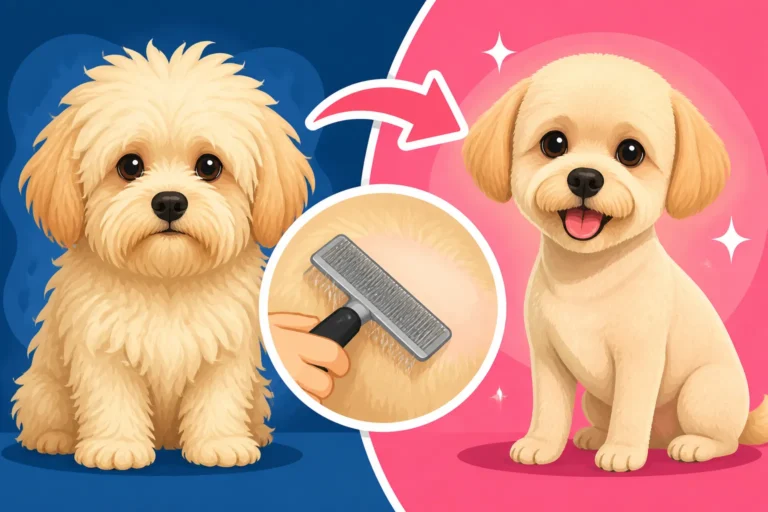
- Over-brushing or harsh brushes: While regular brushing is vital, especially for a Maltipoo, excessive or aggressive brushing can break delicate senior hairs. Using brushes with sharp bristles or pulling too hard on tangles can damage the hair shaft and even irritate the skin. The Kit Needed to Groom a Maltipoo at Home should include soft, gentle brushes suitable for a senior dog's changing coat.
- Infrequent or improper bathing: Not bathing often enough can lead to a buildup of dirt and oils, which can clog follicles and contribute to skin issues. On the other hand, bathing too frequently with harsh shampoos can strip natural oils, leading to dry, brittle hair and irritated skin. Using a gentle, moisturizing shampoo formulated for sensitive skin is key.
- Environmental factors: Dry indoor air, especially in winter, can dehydrate your Maltipoo's skin and coat. Conversely, excessive humidity can encourage skin issues or make matting worse, pulling on delicate fur. Prolonged exposure to direct sunlight can also damage hair and skin. Keeping your Maltipoo comfortable and protected from extreme elements is part of The Daily Routine a Maltipoo Needs.
Nurturing Your Older Maltipoo's Coat: Practical Steps
Seeing your older Maltipoo's coat change can be disheartening, but there are many things you can do to support their skin and fur health. A holistic approach, combining diet, gentle grooming, and vigilant veterinary care, is key to keeping them comfortable and looking their best.
Adjusting Their Diet for Optimal Coat Health
Nutrition plays an enormous role in skin and coat vitality, and an older Maltipoo often benefits from dietary tweaks.
- High-quality senior diet: Look for dog foods specifically formulated for senior dogs. These often have different protein-to-fat ratios, are easier to digest, and contain supplements that support joint and cognitive health, which can indirectly benefit the coat. Prioritize real meat protein sources.
- Omega fatty acid supplements: Omega-3 and omega-6 fatty acids are powerhouses for skin and coat health. They help reduce inflammation, improve skin moisture, and strengthen hair follicles. Fish oil (like salmon or sardine oil) is an excellent source of omega-3s. You can find high-quality supplements at pet retailers like Chewy. Always consult your vet for the correct dosage for your Maltipoo.
- Digestibility: As mentioned, older dogs might not absorb nutrients as well. Consider highly digestible food options, or talk to your vet about probiotics, which can support gut health and nutrient absorption. Some owners find that a fresh food diet provides a noticeable improvement in coat quality. Brands like Ollie focus on human-grade, less processed ingredients that can be easier for an aging digestive system.
- Antioxidants and vitamins: Ensure their diet is rich in antioxidants (like vitamins E and C) and B vitamins, which play a role in cellular health and hair growth. Many senior-specific diets already include these.
Gentle Grooming for a Sensitive Senior
Grooming is essential for a Maltipoo's coat at any age, but for seniors, it needs a gentler touch. Their skin might be thinner, more prone to bruising, and their joints might make standing for long periods uncomfortable. Grooming an Old Maltipoo requires patience and understanding.
- Soft brushes and frequent, short sessions: Switch to a softer slicker brush or a natural bristle brush. Instead of one long grooming session, break it into several shorter, gentle sessions throughout the week. This is easier on their joints and less stressful. Focus on line brushing to get down to the skin without pulling.
- Moisturizing shampoos and conditioners: Use a sulfate-free, moisturizing shampoo and a good conditioner formulated for sensitive skin. These help replenish moisture in their skin and coat, making the hair more supple and less prone to breakage. Ensure thorough rinsing to prevent residue buildup, which can irritate skin.
- Patience and comfort: Make grooming a positive experience. Have them lie down if standing is difficult. Offer plenty of praise and treats. A non-slip mat on your grooming surface can also provide stability. Tools from Amazon, such as grooming tables with adjustable heights or specific comfortable grooming slings, can make the process easier for both of you.
- Professional groomer communication: If you use a professional groomer, ensure they know your Maltipoo is a senior. Discuss any sensitive areas, arthritic joints, or skin concerns. Ask them to use a gentle touch, lower dryer settings, and provide extra breaks. They can also recommend cuts that are easier to maintain, preventing mats that pull on delicate skin.
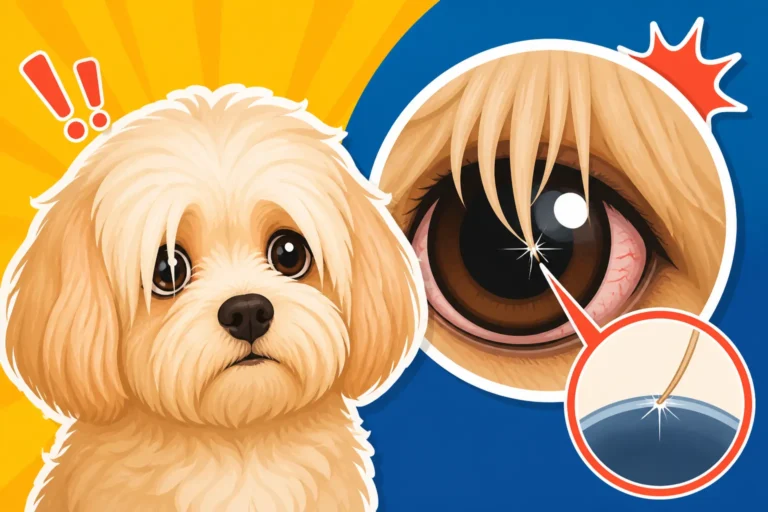
- Regular face and paw care: Keep the hair around their eyes and mouth trimmed to prevent irritation and staining. Regularly check their paws for mats, overgrown nails, or cracks, which can cause discomfort and impact their willingness to walk, as walking helps distribute natural oils.
Regular Vet Check-ups and Early Intervention
Perhaps the most crucial aspect of managing an older Maltipoo's coat is proactive veterinary care. Many causes of coat thinning are treatable, especially when caught early.
- Bi-annual check-ups: As your Maltipoo ages, consider taking them to the vet every six months instead of annually. This allows for earlier detection of age-related conditions.
- Blood work and urinalysis: These tests can screen for many of the underlying health conditions that affect the coat, such as hypothyroidism, kidney disease, or liver issues.
- Discuss all changes: Don't dismiss any change in your Maltipoo as "just old age." Mention all your observations to your vet – thinning fur, dullness, itching, changes in appetite or energy, and how long it takes for a clipped area to grow back. Even minor symptoms can be clues to a larger issue.
- Allergy management: If allergies are suspected, your vet can recommend diagnostic tests, dietary changes, or medications to manage the symptoms and prevent self-inflicted coat damage.
- Parasite prevention: Ensure your senior Maltipoo is on appropriate year-round parasite prevention, even if they spend most of their time indoors.
By combining attentive care at home with regular veterinary guidance, you can ensure your beloved older Maltipoo remains as healthy and comfortable as possible, keeping their coat as beautiful as it can be for their golden years.
Comparing Common Coat Changes in Aging Maltipoos
Understanding the different ways a Maltipoo's coat can change with age can help you know when to simply adjust your care routine and when to seek veterinary advice. Here's a quick overview:
| Type of Change | Description | Possible Cause | Actionable Step |
|---|---|---|---|
| Natural Thinning | Gradual, uniform reduction in density; softer fur | Slower hair growth cycles, hormonal shifts | Gentle grooming, senior-specific diet, omega supplements |
| Dull/Brittle Hair | Lackluster, dry, easily broken hair shafts | Nutritional deficiency, dehydration | High-quality senior food, fresh water, omega supplements |
| Patchy Hair Loss | Localized areas of sparse or missing fur | Hormonal imbalance, allergies, parasites, infection | Vet visit for diagnosis (e.g., thyroid test), parasite prevention |
| Increased Shedding | More loose hair than usual | Seasonal change, stress, underlying health | Consistent brushing, vet check-up if excessive or with other signs |
| Texture Changes | Coarser, finer, or less curly | Aging hair follicles, nutritional shifts | Moisturizing shampoos, gentle conditioning |
| Skin Irritation | Redness, flakiness, excessive itching | Allergies, dry skin, infection, parasites | Vet visit for diagnosis, hypoallergenic shampoo, supplements |
Disclaimer
This article is for general informational purposes only and does not constitute professional advice. Laws, prices and regulations vary by location and change over time. Consult a qualified professional for guidance on your specific situation.