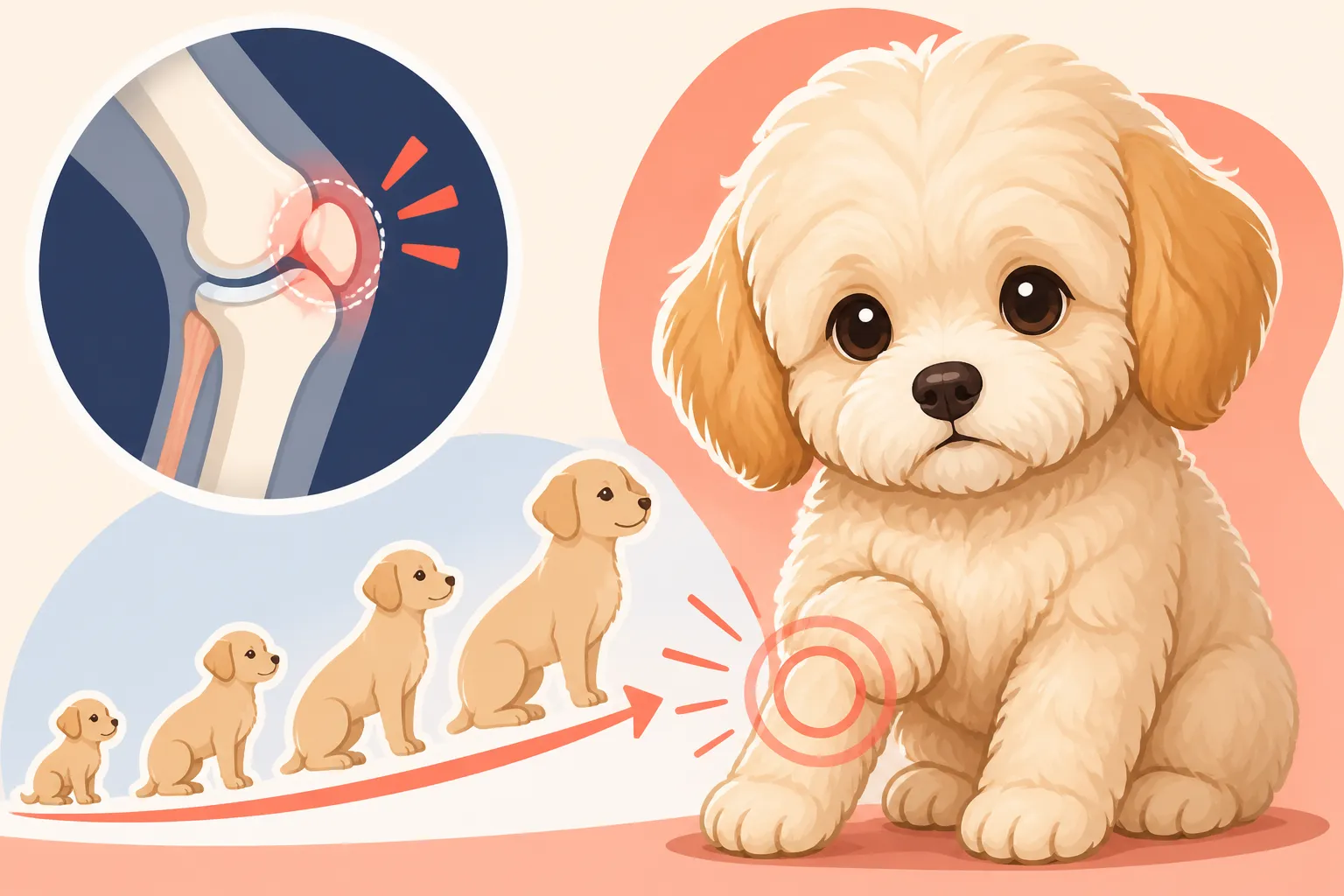
The Age a Maltipoo’s Kneecap First Slips
It's incredibly unsettling when your beloved Maltipoo puppy, who was just romping around happily, suddenly develops a strange skip in their step or a noticeable limp. Many new Maltipoo owners aren't prepared for the possibility of patellar luxation, a common orthopedic issue where the kneecap slips out of place. This guide aims to shed light on when this condition typically first appears, what symptoms to watch for, and how to approach care for your furry family member.
Understanding Patellar Luxation in Maltipoos
Patellar luxation, often just called a "slipping kneecap," is one of the most common orthopedic conditions affecting small breed dogs, and our delightful Maltipoos are certainly no exception. It's a condition that can cause discomfort, pain, and, if left untreated, lead to more severe lameness or even arthritis. Understanding what it is and when it typically manifests can empower you to recognize the signs early and seek appropriate veterinary care.
What is Patellar Luxation?
At its simplest, patellar luxation occurs when the patella, or kneecap, dislocates or moves out of its normal groove on the femur (thigh bone). Think of it like a train coming off its tracks. The patella is a small bone embedded in the quadriceps tendon, sitting right at the front of the knee joint. It's supposed to glide smoothly up and down within a specific groove called the trochlear groove. When it luxates, it typically slips either to the inside (medial luxation) or, less commonly, to the outside (lateral luxation) of the leg.
This condition is often congenital, meaning a Maltipoo puppy is born with an anatomical predisposition to it, even if the kneecap isn't actively slipping yet. This predisposition could be due to a shallow trochlear groove, an abnormal angle of the leg bones, or a misalignment of the quadriceps muscles. It's generally categorized into four grades, from Grade 1 (minimal slipping, often self-correcting) to Grade 4 (permanent, severe displacement). The severity dictates the symptoms and the recommended course of treatment. A Grade 1 might barely cause a noticeable issue, while a Grade 4 can lead to significant lameness and pain, fundamentally impacting your Maltipoo's quality of life. Understanding The Four Patella Grades and Where a Maltipoo Lands is crucial for appreciating the spectrum of this condition.
The Typical Onset Age for Maltipoo Puppies
While patellar luxation is often a condition a Maltipoo is born with, the symptoms aren't always immediately apparent. Most commonly, owners start noticing signs when their Maltipoo puppies are between four to six months of age. Sometimes it can appear earlier, as young as eight weeks, especially if it's a higher grade luxation, or it might not become obvious until they're a bit older, closer to a year.
The reason for this typical onset window is that as puppies grow, become more active, and put more stress on their developing joints, any underlying anatomical issues become more pronounced. A very young puppy might not be moving vigorously enough to consistently dislodge the kneecap. However, as they gain confidence, jump, run, and play with more intensity, the subtle instability in the knee joint can lead to the kneecap popping out. It’s not that the condition suddenly appears, but rather that the symptoms become overt and observable during this period of increased mobility and growth. It's a critical time for careful observation by attentive owners, as early detection can influence management strategies.
Recognizing the Signs and Symptoms of a Slipping Kneecap
Spotting patellar luxation in a playful, energetic Maltipoo puppy can sometimes feel like trying to catch a shadow. They are often so resilient and eager to please that they might try to hide discomfort. However, knowing what to look for can make all the difference, allowing you to intervene before the condition progresses or causes more chronic issues.
Early Warning Signs in Young Maltipoos
The most classic and frequently observed sign of a slipping kneecap in a Maltipoo is a sudden skip or hop while running or walking. Your puppy might be trotting along, and then for a step or two, they lift one hind leg, skip forward, and then put it down again as if nothing happened. This happens when the kneecap dislocates, and then, just as quickly, pops back into place. It's often momentary, but it’s a clear red flag. You might also notice what's sometimes called a "bunny hop" gait, where they move both back legs together, almost like a rabbit, to avoid putting full weight on a single affected limb.
Other signs, which might be more subtle, include a sudden yelp or cry when running or playing, indicating a momentary jab of pain as the kneecap slips. They might show a reluctance to put weight on a particular hind leg, holding it up for a few seconds or even a minute before gingerly placing it back down. Sometimes, they might just seem a little stiff after resting, or you might notice a slight lameness that comes and goes. The knee itself might feel a bit "clicky" or unstable if you gently manipulate it (though this should always be done by a vet). It’s important to remember that these signs can be intermittent, making it easy for busy owners to dismiss them as just "puppy antics." However, if you see your Maltipoo exhibit The Skip in a Maltipoo's Walk That Means a Patella, it's time to pay close attention.
When to Seek Veterinary Attention
My strong advice to any Maltipoo owner is this: do not wait if you suspect patellar luxation. Any persistent skip, intermittent lameness, sudden yelp during activity, or reluctance to use a hind leg warrants a visit to your veterinarian as soon as possible. Even if the symptoms seem mild or infrequent, early diagnosis is incredibly important. The sooner a diagnosis is made, the sooner you can discuss management strategies, which can potentially slow the progression of the disease and prevent secondary issues like arthritis or even more severe injury.
During the vet visit, your veterinarian will perform a thorough orthopedic examination. This typically involves palpating your Maltipoo's knees, gently flexing and extending the joints, and trying to manually luxate the patella. They'll also observe your Maltipoo walking and running. Often, X-rays will be recommended. While X-rays don't directly show the kneecap slipping, they provide valuable information about the alignment of the bones, the depth of the trochlear groove, and can rule out other conditions that might cause similar symptoms, such as Legg Calve Perthes in a Maltipoo. Early intervention doesn't always mean surgery, but it certainly means understanding the condition and making informed decisions for your Maltipoo's long-term health.
Factors Influencing Patellar Luxation Onset and Severity
While the precise age a Maltipoo's kneecap first slips can vary, there are several key factors that strongly influence both the onset and the overall severity of patellar luxation. Understanding these can help owners make informed decisions, especially if they are considering bringing a new Maltipoo into their home.
Genetic Predisposition and Breeding Practices
Without a doubt, genetics play the most significant role in patellar luxation. This condition is widely accepted to be inherited, meaning it's passed down from parent dogs to their offspring. If a Maltipoo's parents or grandparents had patellar luxation, the puppy has a much higher risk of developing it. This isn't just a random occurrence; specific genes contribute to the skeletal structure that predisposes a dog to a shallow trochlear groove or misaligned bones. This is why responsible breeding practices are absolutely paramount.
Reputable Maltipoo breeders will screen their breeding dogs for patellar luxation and other hereditary conditions. They should be able to provide health certifications for the parent dogs, often from organizations like the Orthopedic Foundation for Animals (OFA), which grade patella health. Avoiding breeders who do not perform these screenings, or who breed dogs with known patellar luxation, is crucial. Unfortunately, the demand for smaller dogs like Maltipoos sometimes leads to What Breeding Smaller Costs a Maltipoo, where less scrupulous breeders prioritize size over health, potentially perpetuating genetic issues. A buyer needs to ask specific questions about the health history of the breeding pair and their lineage, especially concerning orthopedic health.
Environmental and Lifestyle Contributions
While genetics set the stage, environmental and lifestyle factors can certainly influence when symptoms appear and how severe they become. For a Maltipoo with a genetic predisposition to patellar luxation, certain activities or conditions can exacerbate the problem. High-impact activities, such as repeatedly jumping off furniture or down stairs, can put undue stress on delicate knee joints. A sudden, awkward landing could be the moment a weakly formed kneecap first slips, or it could aggravate an already unstable joint. Therefore, providing safe access to furniture with ramps or steps is essential, and you might want to look into Whether a Maltipoo Should Use Steps to the Sofa.
Weight management is another critical factor. An overweight Maltipoo puts additional strain on all its joints, including the knees. This extra burden can accelerate the wear and tear on the joint, making luxation more likely or worsening an existing condition. Maintaining a healthy weight through a balanced diet and appropriate exercise is crucial for overall joint health. While a Maltipoo's bones might not necessarily be thinner than normal, their small size does make them susceptible to injury from falls. Owners need to understand Whether a Maltipoo Can Be Injured by a Fall and take precautions to protect these tiny, fragile creatures. Furthermore, while activity is generally good, ensuring controlled, low-impact exercise for a puppy or dog with patellar luxation can help strengthen the surrounding muscles without excessive stress on the joint.
Managing and Treating Patellar Luxation in Maltipoos
Discovering your Maltipoo has a slipping kneecap can be incredibly worrying, but the good news is that there are effective strategies for managing and treating the condition. The approach will largely depend on the grade of luxation and your Maltipoo's individual symptoms and overall health.
Non-Surgical Management and Support
For Maltipoos diagnosed with lower-grade patellar luxation (typically Grade 1 or 2) and those experiencing only mild, infrequent symptoms, a non-surgical approach is often the first line of defense. The primary goals here are to minimize pain, reduce inflammation, and support joint health. This usually involves several key components. Pain management can include anti-inflammatory medications prescribed by your vet, especially during flare-ups. Joint supplements, containing ingredients like glucosamine, chondroitin, and MSM, are often recommended to support cartilage health and lubrication within the joint. These are long-term commitments but can make a noticeable difference in comfort.
Weight management is critical. Keeping your Maltipoo at an ideal body weight significantly reduces the stress on their knees. Your vet can help you determine the appropriate diet and portion sizes. Controlled exercise is also vital; this means avoiding activities that involve sudden twists, jumps, or high impact. Instead, focus on regular, moderate walks on soft surfaces to build muscle strength around the joint. In some cases, a veterinary physiotherapist might be recommended to develop specific exercises that strengthen the quadriceps and hamstring muscles, providing better support for the knee. While Whether a Maltipoo Recovers Fully From Knee Surgery is a question that highlights the severity of the issue, many owners find non-surgical approaches can provide a good quality of life for dogs with milder luxation, delaying or even avoiding the need for surgery. Many owners find the costs associated with chronic conditions like patellar luxation, including vet visits, medications, and supplements, can add up, making a good pet insurance policy like those offered by Healthy Paws a wise investment to help manage these ongoing expenses.
Surgical Intervention and Recovery
When patellar luxation is more severe (typically Grade 3 or 4), or if lower-grade luxation causes persistent pain and lameness that doesn't respond to non-surgical management, your veterinarian will likely recommend surgical intervention. The decision regarding Whether a Maltipoo's Kneecap Needs Operating is a significant one, often made in consultation with a board-certified veterinary surgeon. The goal of surgery is to permanently stabilize the kneecap within its groove, allowing it to track correctly and eliminate the pain and functional limitations associated with the luxation.
There are several surgical techniques, often used in combination. The most common procedures involve deepening the trochlear groove (trochleoplasty) so the patella has a more secure track to glide in, and realigning the quadriceps mechanism by moving the attachment point of the patellar tendon (tibial crest transposition). Sometimes, the joint capsule itself is tightened or loosened to encourage proper alignment. Understanding What a Surgeon Does to a Maltipoo's Kneecap can help alleviate some anxiety. Recovery from patellar luxation surgery requires a dedicated period of rest and rehabilitation, often involving strict crate rest for several weeks, followed by a gradual increase in controlled exercise. Physiotherapy is almost always recommended post-surgery to regain strength, flexibility, and proper gait. While no one wants their furry friend to go under the knife, understanding that reliable pet insurance providers like Healthy Paws can significantly ease the financial burden of surgery and post-operative care can bring immense peace of mind. For example, What Patella Surgery Costs on a Six Pound Maltipoo can be substantial, and insurance can cover a significant portion, making the best possible care accessible.
Patellar Luxation Grades and Management
Here's a quick overview of the four grades of patellar luxation and the typical management strategies:
| Grade | Description | Symptoms | Recommended Management |
|---|---|---|---|
| Grade 1 | The patella can be manually luxated but spontaneously returns to its normal position. | Intermittent skip, usually no pain, minimal lameness. Sometimes asymptomatic. | Conservative management: weight control, joint supplements, controlled exercise, monitoring. |
| Grade 2 | The patella spontaneously luxates and remains luxated for a short period, or can be easily manually luxated. | More frequent skipping, occasional lameness, mild pain. | Conservative management often attempted first. If symptoms progress or cause significant discomfort, surgical correction may be considered. |
| Grade 3 | The patella is almost permanently luxated but can be manually reduced. | Persistent lameness, more frequent skipping, significant discomfort, abnormal gait. | Surgical correction is typically recommended to restore normal function and prevent secondary issues like arthritis. |
| Grade 4 | The patella is permanently luxated and cannot be manually reduced. | Severe, chronic lameness, inability to extend the knee, significant pain, crouching stance. | Surgical correction is strongly recommended, often involving more complex procedures. Prognosis for full function can be guarded, but surgery significantly improves quality of life. |
Disclaimer
This article is for general informational purposes only and does not constitute professional advice. Laws, prices and regulations vary by location and change over time. Consult a qualified professional for guidance on your specific situation.