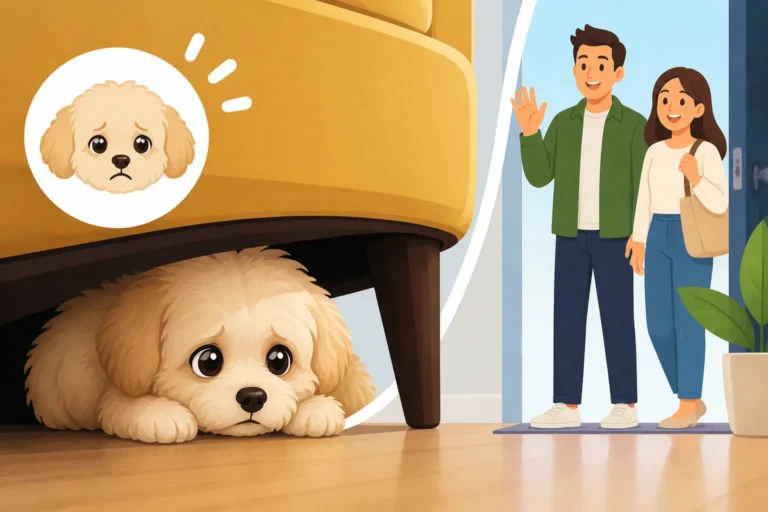
Why a Maltipoo Takes Longer to House Train
It's incredibly frustrating when you've welcomed a fluffy, adorable Maltipoo into your home, picturing perfect walks and no accidents, only to find that housetraining feels like an uphill battle. You might be doing everything "right" according to general dog training advice, but your little companion still struggles to grasp the concept of an outdoor potty. This guide is here to shed light on the unique challenges Maltipoos face when it comes to housetraining and offer realistic, empathetic strategies to help you navigate this often exasperating journey.
The Physical Realities of a Small Bladder
One of the biggest, and often overlooked, reasons why housetraining a Maltipoo can take longer isn't a lack of intelligence or stubbornness on their part, but pure physiology. These little dogs are tiny, and with their small stature comes a bladder that simply cannot hold liquid for very long. It's a fundamental difference that many first-time small dog owners don't fully appreciate until they're knee-deep in puppy pads.
The Miniaturized Internal System
Think about it: a Maltipoo puppy might weigh as little as two to five pounds. Inside that tiny body, every organ is scaled down. Their bladder is proportionally small, meaning it fills up much faster than that of a larger breed. A German Shepherd puppy might be able to hold it for a couple of hours from a young age, but a Maltipoo puppy might need to go every 30 minutes to an hour, especially after waking up, eating, or playing. This isn't them being defiant; it's simply their physical limit. Expecting them to hold it for extended periods before their bodies are ready is setting them up for failure and only adds to your frustration.
This small bladder capacity means that consistency and frequency are absolutely paramount. You can't just take them out every few hours and hope for the best. You need to be hyper-vigilant, practically anticipating their need to go before they even realize it themselves. Missing even a few minutes can lead to an accident right under your nose. It requires a significant time commitment, especially in those crucial early weeks and months, making the process feel slow and arduous. Understanding this physiological limitation is the first step in approaching housetraining with the patience your Maltipoo truly needs.
Metabolic Rate and Frequent Output
Maltipoos also tend to have a higher metabolic rate compared to larger dogs. This means their bodies process food and water more quickly, leading to more frequent elimination. It’s not just about the bladder size, but also the speed at which their digestive system works. A young Maltipoo, especially, needs to eat several small meals a day to maintain stable blood sugar, and each meal will trigger the need for a potty break shortly afterward. Training a Maltipoo Around Four Meals a Day becomes a critical consideration for housetraining success.
When you combine a fast metabolism with a tiny bladder, you get a puppy that needs to go frequently, sometimes every 15-20 minutes during active periods. If you're busy working from home or trying to manage household tasks, it's easy to miss these narrow windows of opportunity. This constant need can make it feel like you're endlessly taking your puppy outside, only for them to have an accident the moment you relax your guard. It’s a relentless pace that can test even the most patient owner, highlighting why How Often a Maltipoo Puppy Needs Taking Out is far more frequent than for many other breeds.
The Role of Breed Temperament in Training
Beyond the physical aspects, the unique blend of the Maltese and Poodle temperaments can also influence how quickly a Maltipoo takes to housetraining. Both breeds contribute distinct personality traits that, while endearing, can sometimes present additional hurdles in the potty training journey. It's not always a straightforward path, and understanding these nuances can help you tailor your approach.
The Sensitive Maltese Influence
The Maltese side of your Maltipoo often brings a sensitive and sometimes delicate disposition. They crave comfort and cleanliness, but this sensitivity can manifest in a few ways that complicate housetraining. For instance, many Maltese-influenced Maltipoos absolutely despise getting wet or cold. Taking them outside in the rain, snow, or even just on damp grass can be a traumatic experience for them. They might hold it in for as long as possible, even painfully so, rather than step out into what they perceive as an uncomfortable environment.
This aversion to unpleasant outdoor conditions means that while you might be diligently taking them out, they're resisting the urge to actually go. You stand there, waiting patiently, and they just shiver and look up at you with those big, sad eyes, only to relieve themselves the moment they're back inside on a warm, dry rug. It's not malice; it's their strong preference for comfort. This is where you might find yourself battling their innate aversion to certain weather, adding a layer of complexity to an already challenging task.
The Poodle's Intelligence and Potential for Stubbornness
On the other hand, the Poodle parent brings intelligence and a quick learning ability to the Maltipoo. Poodles are known for their smarts, which should theoretically make housetraining easier, right? Not always. That intelligence can sometimes come with a side of stubbornness or an independent streak. A smart dog might quickly learn where they're supposed to go, but they might also learn how to manipulate the situation to their advantage or decide they just don't feel like cooperating at that particular moment. What the Poodle Puts Into a Maltipoo's Character often includes a surprising amount of wilfulness.
A Poodle-influenced Maltipoo might understand the command to "go potty" but choose to dawdle, sniffing every blade of grass, or engaging with squirrels, rather than focusing on the task at hand. They might also quickly learn that going potty outside means the exciting adventure is over, and they get to go back inside. This can lead to them delaying the act, making you stand out in the yard for what feels like an eternity. Sometimes, their cleverness means they learn to "hold it" until they are back inside, perhaps because the inside accident is less intimidating than the cold, wet outdoors, leading to a frustrating cycle for you.
Common Housetraining Mistakes That Prolong the Process
Many of us go into housetraining with the best intentions, but unknowingly make common mistakes that can actually extend the learning curve for our Maltipoos. It's easy to fall into these traps, especially when you're dealing with a tiny puppy who seems to defy all logic. Identifying these pitfalls is crucial for course correction and achieving success.
Inconsistent Schedules and Missed Opportunities
One of the most common errors is a lack of consistency in the potty schedule. Maltipoos thrive on routine, and without a predictable schedule, they can't learn when and where they are expected to eliminate. If you take them out at different times each day, or forget to take them out after critical moments like waking up, eating, or a burst of play, you're missing prime opportunities for success. A dog learns through repetition and positive reinforcement, and inconsistency breaks that learning chain.
Imagine your Maltipoo puppy's day: they wake up, full bladder. You get distracted, and ten minutes later, they've had an accident. Then they eat, and within 15 minutes, they need to go again. If you miss that window too, another accident. Every missed opportunity for an outdoor success is a chance for an indoor failure, which reinforces the wrong behavior. This is especially true when you're dealing with such small bladders; a five-minute delay can be the difference between a successful potty break outside and a puddle on your kitchen floor. Building a Toilet Schedule Around a Maltipoo's Bladder is not just helpful; it's essential for preventing these frustrating incidents.
Over-Reliance on Puppy Pads
While puppy pads can seem like a convenient solution, especially for a small dog that needs to go frequently, an over-reliance on them can significantly prolong outdoor housetraining. Pads teach your Maltipoo that it's acceptable to relieve themselves inside the house, just on a specific surface. This can create confusion when you try to transition them to going exclusively outside. They might understand "go on the pad," but struggle to understand why the living room rug, which feels similar to a pad, isn't also an acceptable toilet spot.
The transition from pads to outdoor potty can be one of the hardest stages. Your Maltipoo has become accustomed to the ease and comfort of indoor elimination, and now you're asking them to brave the elements, often on an entirely different surface (grass, concrete). This can feel like starting from scratch. Many owners find that Whether Pads Slow a Maltipoo Down is a resounding yes because it creates an extra layer of retraining that could have been avoided by focusing solely on outdoor training from the start. If you are using pads, a clear strategy for Moving a Maltipoo From Pads to the Yard is absolutely critical, ensuring you gradually phase out the indoor option and make the outdoor experience highly rewarding.
Harsh Corrections or Lack of Positive Reinforcement
Finally, using harsh corrections for accidents or failing to lavish praise and treats for outdoor successes can severely hinder progress with a sensitive Maltipoo. Yelling, scolding, or rubbing their nose in an accident will only make them fearful of eliminating in front of you, not fearful of eliminating in the wrong spot. This can lead to "secret peeing" where they hide to do their business, making it even harder for you to catch them in the act and interrupt.
On the flip side, many owners don't make outdoor potty breaks exciting enough. When your Maltipoo finally goes outside, do you throw a party? A high-value treat, enthusiastic praise, and perhaps a quick game or cuddle can make that outdoor experience incredibly positive and memorable. Dogs, especially smart ones like Maltipoos, want to please you and will repeat behaviors that earn them rewards. If the outdoor potty isn't clearly the most rewarding option, they have little incentive to choose it over the convenience of an indoor spot. Positive reinforcement, not punishment, is the key to building good habits and trust.
Strategies to Overcome Housetraining Challenges
Now that we've pinpointed some of the reasons why housetraining a Maltipoo can be a lengthy process, let's talk about proactive strategies to overcome these challenges. It’s all about creating an environment for success, understanding your Maltipoo's specific needs, and being prepared for the long haul.
Establishing a Rigorous Potty Schedule and Tracking
The most effective way to manage a Maltipoo's small bladder and fast metabolism is to implement an extremely rigorous potty schedule. This means taking your puppy out every 30-60 minutes when they are awake and active, especially after waking, eating, or playing. Set a timer if you have to! In addition, a final potty break just before bed and a quick trip out first thing in the morning are non-negotiable. For very young puppies, you might even consider setting an alarm for an overnight potty break to avoid accidents in their crate or playpen. Whether a Maltipoo Puppy Should Be Fed Overnight might be a consideration for some, but ensuring they empty their bladder is universal.
Keeping a log or using a simple app to track successful potty breaks can be incredibly enlightening. You'll quickly see patterns emerge: for instance, maybe your Maltipoo always needs to go 15 minutes after breakfast, or precisely 20 minutes after a vigorous play session. This data allows you to anticipate their needs, taking them out before they even start looking for a spot indoors. Every successful outdoor potty break is a step forward, solidifying the correct behavior. Remember, consistency across all household members is vital; everyone needs to be on the same page with the schedule.
Creating an Optimal Outdoor Potty Experience
Given their potential aversion to wet or cold conditions, making the outdoor potty experience as pleasant as possible for your Maltipoo is crucial. If it's raining, consider a small dog umbrella or a rain jacket. For cold weather, a warm sweater or coat can make a huge difference in their willingness to venture out. You might even designate a small, covered area in your yard where they can go in inclement weather, keeping them dry and comfortable. If you're in an apartment, a covered balcony or a quick dash under an awning can help.
Always take your Maltipoo to the same designated potty spot. This helps them associate that particular area with elimination. Once they start to go, use a specific verbal cue like "go potty" or "do your business." The moment they finish, praise them enthusiastically, offer a high-value treat (something they absolutely love, like a tiny piece of cheese or cooked chicken), and then you can either bring them back inside or, if time permits, let them have a few minutes of playtime as an extra reward. Making the outdoor potty break the best part of their outing will encourage them to perform.
Smart Indoor Management and Supervision
Until your Maltipoo is reliably housetrained, constant supervision and careful management of their indoor environment are key. This means no unsupervised free-roaming through the house. When you can't actively watch them, they should be in a confined, safe space where accidents are less likely and easier to clean.
A small, appropriately sized crate can be a powerful housetraining tool, as most dogs are naturally reluctant to soil their sleeping area. What Size Crate Suits a Maltipoo Puppy is important: it should be just big enough for them to stand up, turn around, and lie down comfortably. If it's too large, they might choose one end to sleep in and the other to use as a toilet. For longer periods when you can't be actively watching or they need more space, a playpen (easily found on Amazon, often with waterproof liners) can be excellent. This gives them room to play, but still contains them to a designated area, making cleanup simple. Make sure the playpen is set up in an easy-to-clean area. Brands like BAXTER & Bella also offer comprehensive online training programs that can guide you through crate training and playpen management specifically for small breeds.
When they are out of their confinement, keep them on a leash attached to you, even indoors. This umbilical cord method allows you to catch any signs of them needing to go (sniffing, circling, squatting) immediately. If you see them starting to go, calmly interrupt with a clap or a vocal cue and immediately rush them outside to their designated spot. Reward heavily if they finish outside. Clean up indoor accidents thoroughly with an enzymatic cleaner to remove all odor, which prevents your Maltipoo from returning to the same spot.
When to Seek Professional Help and What to Expect
Even with the best intentions and strategies, housetraining a Maltipoo can sometimes feel overwhelming. There might be moments when you question if you're doing something wrong or if your dog will ever truly get it. It's important to recognize when you might need an extra hand and what kind of support is available to you.
Identifying Persistent Challenges
If you've been diligently following a consistent schedule, providing ample positive reinforcement, and managing their environment for several weeks or months, and your Maltipoo is still having frequent accidents, it might be time to consider professional help. Persistent challenges could include:
- Frequent accidents despite consistent outdoor trips: If you're taking them out every hour and they still manage to have multiple accidents indoors.
- Regression after initial success: They seemed to "get it," and then suddenly started having accidents again, especially without any major changes in their routine or environment.
- Elimination only when unsupervised: If your Maltipoo only eliminates when you're not looking, it suggests they've learned to hide their accidents, potentially due to past harsh corrections or fear.
- Medical concerns ruled out: This is crucial. Before assuming it's a behavioral issue, your vet should rule out any underlying medical conditions like a urinary tract infection, bladder stones, or other physiological problems that could be causing incontinence or increased urination. Whether a Urinary Infection Explains a Maltipoo's Accidents is a common question, and it's always best to check with your vet first.
Don't let frustration build to the point of resentment. Housetraining struggles are very common with small breeds, and there's no shame in seeking expert guidance.
Consulting a Vet or Professional Dog Trainer
Your first step should always be a visit to your veterinarian to rule out any medical causes for the persistent accidents. They can perform a physical exam and urinalysis to check for infections or other health issues. Once medical concerns are addressed, if the problem persists, your vet might recommend consulting a certified professional dog trainer or a veterinary behaviorist.
A professional trainer can observe your Maltipoo, assess your current training methods, and identify specific areas for improvement. They can offer tailored advice, demonstrate proper techniques, and help you create a customized training plan that addresses your dog's unique personality and challenges. For instance, a trainer might introduce specific positive interrupters or suggest new ways to make the outdoor experience more appealing for a rain-averse Maltipoo. They can also help address any anxiety or fear that might be contributing to the problem. Online resources, like those offered by BAXTER & Bella, can also provide structured courses and one-on-one coaching to guide you through these challenges from the comfort of your home.
The Patience and Persistence Required
Ultimately, housetraining a Maltipoo often comes down to patience, persistence, and consistency. It's a marathon, not a sprint, and there will be good days and bad days. Celebrate every success, no matter how small, and try not to dwell on the accidents. Remember that your Maltipoo isn't trying to spite you; they are learning a complex concept while working with their natural instincts and physical limitations.
With the right approach, understanding, and potentially a little professional guidance, your Maltipoo will eventually learn the ropes. The bond you build through this process, with patience and positive reinforcement, will be incredibly strong. Keep at it, and soon you'll have a reliably housetrained companion who fills your home with joy, not puddles.
| Challenge | Why it Happens for Maltipoos | Solution Strategy |
|---|---|---|
| Small Bladder Capacity | Tiny bodies mean tiny bladders, filling up fast. | Frequent potty breaks (every 30-60 min), set alarms, overnight trips for young pups. |
| High Metabolic Rate | Process food/water quickly, leading to faster output. | Immediate potty breaks after eating/drinking/playing. |
| Aversion to Wet/Cold | Sensitive Maltese influence dislikes discomfort. | Use dog raincoats/sweaters, provide a covered potty spot, make outdoor trips quick and positive. |
| Intelligence/Stubbornness | Poodle smarts can lead to deliberate delays or testing limits. | Make outdoor potty highly rewarding with praise and high-value treats; be more exciting than distractions. |
| Inconsistent Schedule | Breaks the learning pattern, creates confusion. | Stick to a strict, predictable schedule. Track successes and accidents. |
| Over-reliance on Pads | Teaches indoor elimination is acceptable. | Phase out pads gradually, transition fully to outdoor, clean up accidents with enzymatic cleaner. |
| Lack of Positive Reinforcement | No clear incentive for outdoor success. | Lavish praise and high-value treats immediately after outdoor elimination. |
| Harsh Corrections | Frightens sensitive dogs, leading to hiding accidents. | Never punish. Interrupt calmly and rush outside. Clean thoroughly. |
Disclaimer
This article is for general informational purposes only and does not constitute professional advice. Laws, prices and regulations vary by location and change over time. Consult a qualified professional for guidance on your specific situation.