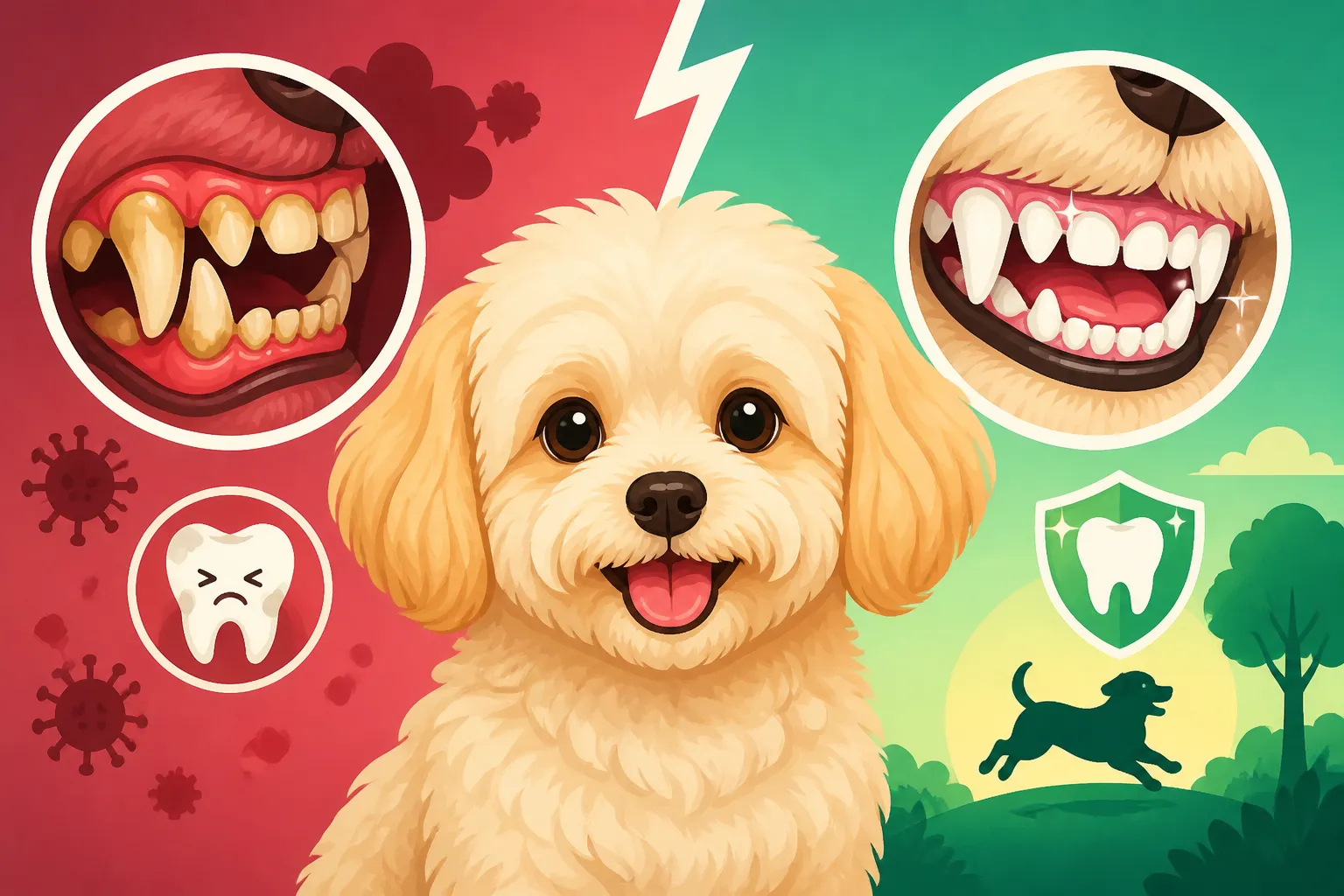
Whether Dental Disease Shortens a Maltipoo’s Life
It’s a heartbreaking reality that many Maltipoo owners face without even realizing it: the quiet, insidious creep of dental disease that can steal precious years from your beloved companion. You might notice a bit of bad breath, or perhaps some redness along the gum line, but dismiss it as "just dog breath." However, this seemingly minor issue is far more serious than a cosmetic concern; it's a gateway to systemic health problems that can profoundly impact your Maltipoo's quality of life and even shorten their time with you. This comprehensive guide will delve into how dental disease truly threatens a Maltipoo's longevity and what you can do to protect them.
The Hidden Threat in Your Maltipoo's Mouth
For such a small package, Maltipoos pack a lot of personality, but they also often pack a lot of teeth into a tiny jaw. This anatomical reality, common to many small breeds, sets the stage for a host of dental problems that, if left unaddressed, can have dire consequences far beyond their pearly whites. It's not just about a pretty smile; it's about their entire well-being.
Understanding Dental Disease in Small Breeds
Maltipoos, being a mix of Maltese and Poodle, inherit traits from both, including the predisposition to dental issues. Their compact jaws mean that their 42 adult teeth often become overcrowded. Imagine trying to fit a full set of adult human teeth into a child's mouth – that’s essentially what’s happening. This crowding creates nooks and crannies where food particles and bacteria thrive, forming plaque. If you've ever wondered about The Forty Two Teeth Crowding a Maltipoo's Jaw, you'll understand why this is such a significant concern.
This isn't just a minor inconvenience; it's a ticking time bomb. Plaque, if not removed, hardens into tartar, a cement-like substance that can't be brushed away. This tartar pushes against the gum line, leading to inflammation and infection. Because their mouths are so small, the progression from minor plaque to severe periodontal disease can happen much faster than in larger breeds. What might be a slight gum irritation in a Golden Retriever could be a serious infection ready to take hold in a Maltipoo. Owners often don't realize how quickly things can escalate, assuming that a little bad breath is normal for a dog.
Beyond Bad Breath: What Gingivitis Really Means
Bad breath, or halitosis, is usually the first noticeable sign of trouble, but it’s more than just an unpleasant odor. It’s a red flag indicating bacterial growth in the mouth. This bacterial accumulation is the primary driver of gingivitis, which is essentially inflammation of the gums. In the early stages, you might see gums that are red and swollen, and they might even bleed a little when touched or during chewing. This is the body's immune response trying to fight off the bacterial invasion.
If gingivitis isn't treated, it progresses to periodontitis, a much more severe condition. At this point, the infection starts to destroy the tissues supporting the teeth, including the ligaments and bone. Pockets form between the teeth and gums, filling with bacteria, pus, and food debris. These pockets deepen, leading to loosening teeth, pain, and eventually, tooth loss. It's a painful, destructive process, and unfortunately, many Maltipoos experience this silent agony for extended periods before their owners realize the true extent of the problem. Some owners might notice Whether a Maltipoo's Teeth Need Pulling at a Year, which is often a sign that dental disease is already quite advanced.
How Oral Health Impacts Overall Lifespan
The notion that dental disease is confined to the mouth is a dangerous misconception, particularly for small breeds like Maltipoos. The mouth is a gateway to the rest of the body, and an unhealthy mouth can act as a constant source of infection, systematically attacking vital organs and significantly compromising their overall health and longevity. It's a critical factor in determining how many happy, healthy years you get with your furry friend.
The Systemic Reach of Bacterial Infection
When periodontal disease is present, the mouth becomes a breeding ground for bacteria. These bacteria don't just stay put; they enter the bloodstream every time your Maltipoo eats, chews, or even just breathes. Once in the bloodstream, they can travel throughout the body, setting up shop in distant organs. This constant bacteremia (bacteria in the blood) puts a tremendous strain on the immune system, forcing it to work overtime trying to clear these invaders.
Consider a real-life scenario: a 7-year-old Maltipoo named Luna developed a persistent cough. Her owner initially thought it might be allergies or a collapsing trachea, issues many small breeds face. However, after extensive tests, the vet discovered severe dental disease, and the bacteria from her mouth had caused a low-grade infection in her lungs, contributing to her chronic cough. It wasn't the primary cause, but it certainly exacerbated the problem and made her more susceptible to other respiratory issues. This kind of widespread bacterial exposure is a silent assault on a Maltipoo's internal systems.
Organ Damage and Chronic Inflammation
The organs most commonly affected by oral bacteria include the heart, kidneys, and liver. Bacteria can attach to the heart valves, leading to infections like endocarditis, which can severely weaken the heart muscle and lead to heart failure. Similarly, the kidneys and liver, which are responsible for filtering toxins from the blood, can become overwhelmed and damaged by the continuous influx of bacteria and inflammatory byproducts. This chronic stress can lead to gradual organ decline, often undetected until the damage is significant.
For instance, a vet once told me about a senior Maltipoo named Oliver who seemed perfectly healthy until he suddenly showed signs of kidney failure. A full workup revealed not only severely advanced dental disease but also significant kidney damage. The vet strongly suspected that years of unchecked periodontal infection had contributed to the decline of his kidneys, ultimately shortening his life. It’s a sobering thought that something as seemingly innocuous as tartar buildup can be silently eating away at a dog's most vital organs. Many people are surprised to learn Whether Bad Teeth Reach a Maltipoo's Heart, but it's a very real concern. This interconnectedness is why comprehensive care is so vital; you can't treat the mouth in isolation from the rest of the body.
Recognizing the Warning Signs in Your Maltipoo
It’s easy to miss the early signs of dental disease, especially with dogs who are masters at hiding pain. Many Maltipoo owners don't realize there's a problem until the disease is well-advanced. Learning to spot the subtle and not-so-subtle indicators can make all the difference in catching and addressing issues before they become life-threatening.
Visible Symptoms and Behavioral Changes
Beyond the notorious bad breath, there are several visible signs that your Maltipoo might be suffering from dental disease. Look for redness, swelling, or bleeding gums, especially along the gum line where the tooth meets the gum. You might also notice a yellow or brown buildup of tartar on the teeth, starting at the gum line and progressing upwards. Some Maltipoos, particularly those with light-colored coats, might develop tear stains or brownish discoloration around their muzzle due to bacteria and inflammation.
Behavioral changes are equally important to observe. A Maltipoo in pain might become reluctant to eat hard kibble or chews, preferring softer foods. They might chew on one side of their mouth or drop food while eating. You could also see increased pawing at the mouth, drooling, or a general decrease in appetite or energy levels. Imagine a small dog in constant oral pain, their once cheerful demeanor replaced by lethargy or irritability. It's a heartbreaking transformation. If your Maltipoo suddenly shies away when you try to touch their face or open their mouth, that's a significant indicator of discomfort and a sign you should consult your vet.
The Silent Progression: Why Regular Checks Are Crucial
The insidious nature of dental disease often lies in its silent progression. Many dogs, including Maltipoos, have an incredibly high pain tolerance and will continue to eat and play even when experiencing significant oral discomfort. This means that by the time overt symptoms like refusal to eat or severe swelling become apparent, the disease is often very advanced, possibly involving bone loss, abscesses, or systemic organ damage.
This is why regular veterinary check-ups are so vital, even if you don't notice any obvious problems. During these annual visits, your vet will perform an oral exam, which can help detect early signs of gingivitis or tartar buildup that you might have missed. However, a thorough dental assessment, including probing and X-rays, often requires anesthesia to properly evaluate the extent of the disease below the gum line. This can be a concern for owners, especially regarding Whether a Maltipoo Under Five Pounds Can Be Anesthetized, but the benefits of early detection and intervention far outweigh the risks when performed by experienced professionals. These regular checks are the best line of defense against the silent creep of dental deterioration.
Proactive Steps for a Healthier, Longer Life
The good news is that dental disease is largely preventable and treatable, especially if caught early. Taking proactive steps in your Maltipoo's daily care routine and embracing professional veterinary intervention can drastically improve their oral health and, by extension, their overall lifespan and quality of life. Think of it as investing in their future happiness.
Daily Dental Care Routines
The single most effective way to prevent plaque and tartar buildup is daily tooth brushing. Yes, daily! Just like humans, dogs need consistent oral hygiene. It might sound daunting, especially with a small, squirmy Maltipoo, but with patience and positive reinforcement, most dogs can learn to tolerate it. Start early, ideally when they are puppies, making it a positive experience with treats and praise. I often recommend using a small, soft-bristled brush designed for pets or even a finger brush, along with enzymatic pet toothpaste (never use human toothpaste, as it contains xylitol which is toxic to dogs). You can learn more about this crucial routine in Brushing a Maltipoo's Teeth Every Single Day.
Beyond brushing, there are other supportive measures:
- Dental Chews and Treats: Look for veterinary-approved dental chews that carry the Veterinary Oral Health Council (VOHC) seal. These products have been scientifically proven to reduce plaque and/or tartar. Be mindful of calorie intake, as these can add up!
- Water Additives: Some water additives contain ingredients that help reduce bacteria in the mouth. Always consult your vet before adding supplements to your Maltipoo’s routine.
- Diet: While no diet can replace brushing, some specialized dental diets are formulated with unique kibble shapes or coatings that help mechanically scrub teeth as your dog chews.
Consistency is key. A few minutes each day dedicated to their dental health can prevent years of pain and expense down the line.
The Role of Professional Veterinary Cleanings
Even with diligent home care, most Maltipoos will eventually need professional dental cleanings under anesthesia. These cleanings are far more comprehensive than what can be done at home. Your vet will scale away tartar above and below the gum line, polish the teeth to smooth out microscopic scratches where plaque can adhere, and perform a thorough oral exam, including dental X-rays. X-rays are crucial because a significant portion of dental disease occurs below the gum line, invisible to the naked eye. This is where issues like bone loss, root abscesses, and unerupted teeth hide.
The frequency of professional cleanings varies, but for many small breeds like Maltipoos, it might be every one to three years, depending on their individual needs and your home care efforts. If you're wondering How Often a Maltipoo Needs a Dental, it's best to discuss this with your veterinarian based on your dog's oral health status. These cleanings are essential for preventing the progression of periodontal disease, extracting any irreparably damaged teeth, and addressing potential issues that could lead to systemic illness. While the cost of What a Routine Maltipoo Dental Runs might seem high, it's a critical investment in your Maltipoo's long-term health and often far less expensive than treating advanced organ damage. Many pet insurance providers, like Healthy Paws, offer plans that help cover routine dental care or the costs associated with treating dental disease once it arises, providing peace of mind for owners.
Here's a quick overview of the stages of dental disease:
| Stage | Description | Visible Signs | Treatment Needed | Impact on Lifespan |
|---|---|---|---|---|
| 0 | Healthy mouth, no gingivitis or plaque. | Clean teeth, pink gums, fresh breath. | Daily brushing. | None |
| 1 | Mild gingivitis, slight plaque buildup. | Reddened gums, mild bad breath, minimal tartar. | Increased daily brushing, possibly professional cleaning. | Minimal if treated |
| 2 | Moderate gingivitis, moderate plaque/tartar. | Red, swollen gums, moderate bad breath, visible tartar, slight bleeding. | Professional cleaning (scaling, polishing), home care. | Can contribute to inflammation |
| 3 | Severe gingivitis, early periodontitis, significant tartar, some bone loss. | Very red/swollen gums, bleeding, severe bad breath, loose teeth, receding gums. | Professional cleaning, extractions, antibiotics. | Risk of systemic issues increases |
| 4 | Advanced periodontitis, extensive bone loss, pus, severe pain, tooth loss. | Severe inflammation, pus, very loose teeth, fractured jaw risk, refusal to eat. | Extensive extractions, advanced oral surgery, antibiotics, pain management. | Significantly shortened lifespan due to organ damage |
The Financial and Emotional Toll of Neglect
Ignoring dental disease in your Maltipoo doesn't just impact their physical health; it also carries a significant financial burden and can lead to immense emotional distress for owners. What starts as a seemingly small oversight can quickly snowball into complex, costly, and heartbreaking medical challenges.
Unforeseen Costs and Complex Treatments
Many owners underestimate the cost of treating advanced dental disease. A simple routine cleaning might cost a few hundred dollars, but when the disease has progressed to stage 3 or 4, the bills can skyrocket. You're no longer just looking at cleaning; you're facing dental X-rays, multiple tooth extractions, oral surgery, bone grafting, antibiotics, and pain medication. What Extractions Add to a Maltipoo Dental can be substantial, often turning a routine visit into a four-figure expense.
Consider this: Sarah, a loving Maltipoo owner, adopted her dog, Pippa, from a rescue. Pippa was already 6 years old and hadn't had consistent dental care. Within a year, Pippa developed severe dental abscesses and had to undergo extensive surgery to remove 12 teeth. The procedure, including anesthesia and post-operative care, cost Sarah over $2,500. This was a completely unexpected expense that could have been mitigated with earlier preventative care. This also doesn't include the ongoing costs if organ damage has occurred, such as managing chronic kidney disease or heart conditions, which require specialized diets, regular medications, and frequent vet visits for the remainder of the dog's life. This is why having robust pet insurance, such as a plan from Healthy Paws, can be an absolute lifesaver, covering a significant portion of these emergency and ongoing care costs.
The Heartbreak of Preventable Illness
Beyond the financial strain, the emotional toll of watching your beloved Maltipoo suffer from preventable illness is immense. No one wants to see their dog in pain, refusing food, or undergoing complex surgeries that could have been avoided. Learning that years of neglect contributed to organ damage can lead to deep regret and guilt for owners.
The shortened lifespan is perhaps the most tragic consequence. Maltipoos typically enjoy a long life, often living for The Twelve to Fifteen Years a Maltipoo Lives. However, advanced dental disease, by fostering chronic inflammation and damaging vital organs, can significantly cut short this precious time. The joyous romps and cuddles are fewer, and their overall vitality diminishes. Owners often realize too late that dental health is not just about keeping teeth clean, but about safeguarding their dog's entire health continuum. This is truly What Actually Kills Most Maltipoos – preventable diseases that go unchecked. Regular dental checks, alongside The Yearly Checks a Maltipoo Should Get, are paramount in ensuring a long, healthy, and happy life.
Ultimately, dental disease is a major factor in a Maltipoo's overall health and can absolutely shorten their lifespan. It's not just an aesthetic issue; it's a silent, progressive threat that can lead to debilitating pain, systemic infections, and organ damage. However, with consistent home care and regular professional veterinary attention, you have the power to protect your Maltipoo from this preventable condition and ensure they live the fullest, healthiest life possible by your side. Remember, their health starts in their mouth.
Disclaimer
The information provided in this article is for general informational purposes only and is not a substitute for professional veterinary advice. Always consult with a qualified veterinarian for any health concerns or before making any decisions related to your Maltipoo's medical care.