Whether a First Cross Maltipoo Is the Healthiest
It's incredibly common to hope that when you combine two fantastic breeds, you'll get the absolute best of both worlds – a dog that's not only adorable and sweet but also incredibly robust and free from health worries. Many prospective Maltipoo owners come into the process believing that a first-cross, or F1, Maltipoo will inherently be healthier than either of its purebred parents. This guide will dive deep into the concept of hybrid vigor and examine whether this holds true for the beloved Maltipoo, helping you understand the real health landscape of these charming companions.
Understanding "First Cross" and Hybrid Vigor in Maltipoos
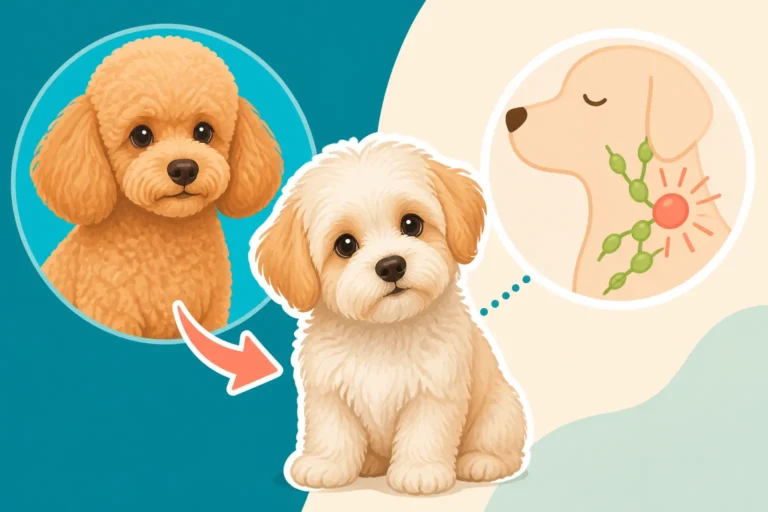
When we talk about a "first cross" Maltipoo, often referred to as an F1 generation, we're talking about a puppy whose parents are a purebred Maltese and a purebred Poodle. This is the very first generation of the cross. The idea behind these crosses, and why many people specifically seek them out, often hinges on the concept of "hybrid vigor," or heterosis.
What is Hybrid Vigor and Does it Apply to All Crossbreeds?
Hybrid vigor is a fascinating biological phenomenon where the offspring of two genetically distinct parents show superior traits to either parent. In the context of dogs, this often translates to increased fertility, growth rate, and, importantly for pet owners, improved health and longevity. The theory is that by crossing two different purebreds, you reduce the likelihood of inheriting two copies of a recessive gene for a specific genetic disease. If a disease-causing gene is present in the Maltese line, it's less likely to be present in the Poodle line, and vice versa. Therefore, an F1 offspring is less likely to express the disease, even if it carries one copy of the gene.
However, it's crucial to understand that hybrid vigor isn't a magical shield. It primarily works against recessive genetic conditions where both parents must contribute the faulty gene for the disease to manifest. It doesn't offer protection against dominant genetic conditions, nor does it prevent polygenic diseases (those caused by multiple genes) or environmental factors. It also doesn't guarantee that the offspring will be perfectly healthy. It simply reduces the probability of certain specific inherited diseases appearing compared to heavily inbred purebred lines.
The Limitations of Hybrid Vigor for Maltipoos
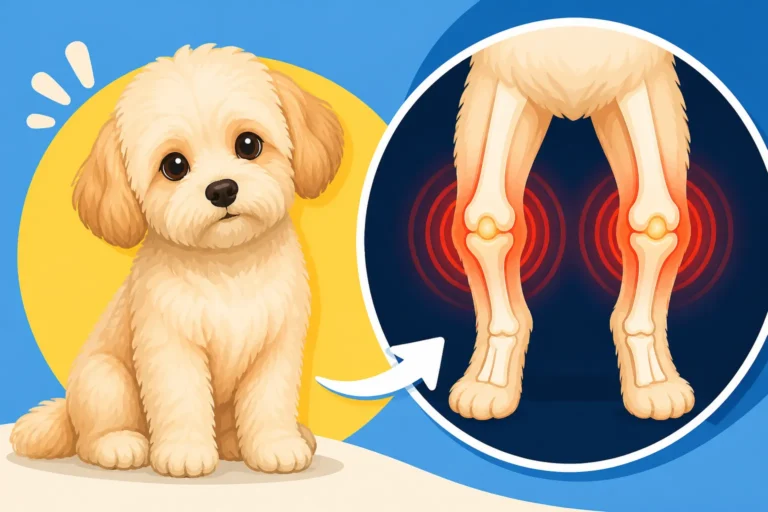
While F1 Maltipoos can benefit from hybrid vigor, it's not a blanket guarantee of perfect health. For starters, both parent breeds, the Maltese and the Poodle, are small dogs with some overlapping predispositions to certain health issues. For example, patellar luxation (slipping kneecaps) is a concern in both breeds. This means that even in a first-cross Maltipoo, the risk of conditions common to both parent breeds might not be significantly diluted.
Furthermore, the overall health of an F1 Maltipoo is heavily dependent on the health of its individual parents. If a breeder uses a Maltese or Poodle parent that carries several known genetic predispositions or has structural issues, those problems can absolutely be passed down to the F1 puppies, regardless of the "hybrid" status. The quality of the breeding stock and the health testing performed on them far outweigh the simple designation of "first cross" when it comes to predicting a puppy's long-term health. A responsible breeder will prioritize health screenings, mitigating risks for conditions like Slipping Kneecaps in a Maltipoo or eye issues, regardless of generation.
Inherited Health Concerns from Maltese and Poodle Parents
To truly understand the potential health of a first-cross Maltipoo, you need to look at the health predispositions of its parent breeds: the Maltese and the Poodle (typically Toy or Miniature Poodle). Both are generally healthy breeds, known for their longevity, but they do have specific genetic conditions to watch out for.
Common Maltese Health Issues Passed On
The Maltese is a delightful companion dog, but like all breeds, it has its particular vulnerabilities. When it comes to a Maltipoo, several key Maltese health issues can potentially be inherited:
- Patellar Luxation: This is a very common orthopedic issue where the kneecap slips out of place. It can range from mild, causing an occasional skip in your dog's gait, to severe, requiring surgery. Both Maltese and Poodles are prone to this. You can learn more about The Four Patella Grades and Where a Maltipoo Lands.
- Portosystemic Shunt (Liver Shunt): This is a congenital condition where blood bypasses the liver, leading to a buildup of toxins in the body. It can manifest with symptoms like poor growth, neurological issues, and digestive upset. The Maltese is more prone to this than many other breeds. Understanding The Liver Shunt a Maltipoo Can Inherit From the Maltese is crucial for any potential owner.
- Hypoglycemia (Low Blood Sugar): Especially in smaller, "teacup" sized Maltese and subsequently Maltipoos, hypoglycemia can be a serious risk, particularly in puppies. It's often linked to their tiny size and inability to efficiently regulate blood sugar. For more details, consider reading about Hypoglycemia and the Teacup Maltipoo Puppy.
- Dental Disease: Due to their small mouths, Maltese are highly prone to dental overcrowding and early onset of periodontal disease. This is a significant concern for Maltipoos as well, emphasizing the need for regular dental care, as discussed in The Forty Two Teeth Crowding a Maltipoo's Jaw.
- White Shaker Syndrome: While less common, this neurological condition causes full-body tremors and is seen in various small, white breeds, including the Maltese.
Common Poodle Health Issues Passed On
Poodles are renowned for their intelligence and elegance, and they are generally robust. However, specific health concerns from the Poodle lineage can also appear in a first-cross Maltipoo:
- Progressive Retinal Atrophy (PRA): This is a group of degenerative eye diseases that can eventually lead to blindness. Poodles are known to carry certain forms of PRA. Eye health is a serious consideration, and you can learn more about The Retinal Disease a Maltipoo Gets From the Poodle.
- Addison's Disease (Hypoadrenocorticism): This endocrine disorder results from insufficient production of adrenal hormones. Symptoms can be vague, including lethargy, vomiting, and diarrhea, and it can be life-threatening if not diagnosed and treated.
- Sebaceous Adenitis: A genetic skin condition that affects the sebaceous glands, leading to hair loss, scaling, and skin infections. While more common in Standard Poodles, it can appear in smaller varieties.
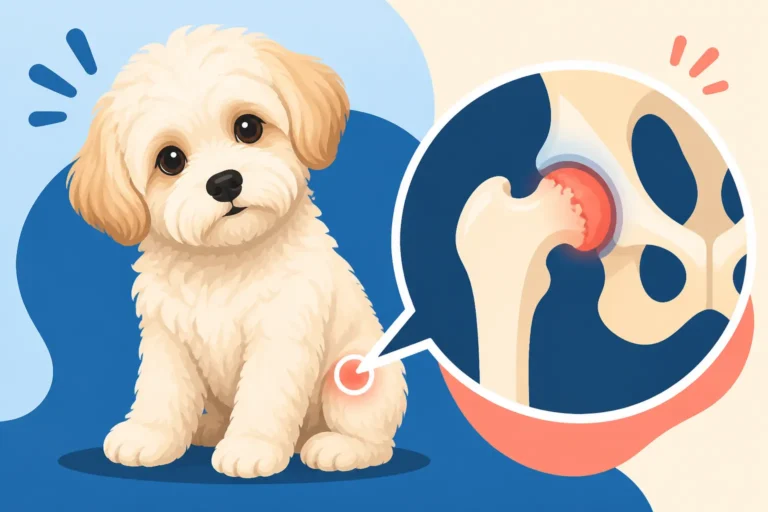
- Legg-Calvé-Perthes Disease: An orthopedic condition affecting the hip joint, leading to degeneration of the femoral head. It can cause lameness and pain.
- Epilepsy: Idiopathic epilepsy, which causes recurrent seizures without an identifiable cause, is observed in Poodles. While not extremely common, it's a concern.
It's clear that both parent breeds bring their own set of potential health challenges to the table. A first-cross Maltipoo might inherit none, some, or all of these predispositions. This is precisely why a reputable breeder and thorough health testing are paramount.
The Reality of Breeder Practices and Health Testing
The health of your first-cross Maltipoo isn't solely determined by genetics or the concept of hybrid vigor; it's profoundly influenced by the practices of the breeder. Unfortunately, the popularity of designer breeds like the Maltipoo has led to an increase in irresponsible breeding, where profit is prioritized over health and welfare.
Why a Responsible Breeder is Your Best Defense
A responsible breeder is the cornerstone of a healthy puppy, regardless of whether it's a purebred or a first-cross. They understand the genetic predispositions of both the Maltese and Poodle and actively work to minimize the risk of passing them on. Here's what to look for:
- Health Clearances: This is non-negotiable. Reputable breeders will perform specific health tests on the parent dogs before breeding them. For Maltipoos, this includes screening for patellar luxation (orthopedic evaluations), eye certifications (like OFA Eye Certification or CERF), and potentially genetic testing for PRA in Poodles or liver shunt screening in Maltese. They should be transparent and willing to provide documentation of these tests for both parents. Understanding The Health Testing a Maltipoo Price Should Cover can give you a clearer picture of what to expect.
- Transparency and Open Communication: A good breeder will be open about their dogs' health history, any issues in their lines, and their breeding practices. They'll welcome questions and be eager to educate you.
- Limiting "Teacup" Breeding: Be wary of breeders who market excessively tiny "teacup" Maltipoos. Deliberately breeding for extreme smallness can exacerbate health issues like hypoglycemia, fragile bones, and temperature regulation problems. It's often associated with higher health risks, as explained in What Breeding Smaller Costs a Maltipoo. A responsible breeder prioritizes health over arbitrary size trends.
- Post-Sale Support and Guarantees: Reputable breeders offer health guarantees, usually covering genetic diseases for a specific period. More importantly, they provide lifelong support and guidance for their puppies.
The Pitfalls of Unscrupulous Breeding
Sadly, many "first-cross" Maltipoos come from puppy mills or backyard breeders who care little about health testing or genetic lines. These breeders often capitalize on the "designer dog" trend and the misconception that all crossbreeds are inherently healthier.
Consider these warning signs:
- No Health Testing Documentation: If a breeder cannot or will not provide verifiable health clearances for the parent dogs, walk away. This is a huge red flag.
- Multiple Breeds/Litters: Breeders juggling many different breeds or constantly having multiple litters available are often volume breeders, not health-focused ones.
- No Interaction with Parents: If you can't meet the puppy's mother (and ideally the father, or at least see proof of his health clearances), it's impossible to assess their temperament or health.
- Focus on Appearance Only: While a cute puppy is lovely, a breeder who only talks about color, coat, or "teacup" size, without discussing health, temperament, or proper socialization, is prioritizing the wrong things.
- Selling Before 8 Weeks: Puppies need those first eight weeks with their mother and littermates for crucial development and socialization. Separating them earlier can lead to behavioral issues and increased health risks.
Choosing a first-cross Maltipoo from a questionable source means you're essentially gambling with your puppy's health, potentially facing significant emotional and financial strain down the road. Pet insurance from providers like Healthy Paws can certainly help mitigate some of the financial burden of unexpected health issues, but proper breeding practices remain your first line of defense.
| Health Condition | More Common in Maltese | More Common in Poodle | Common in Both/Either | Risk in F1 Maltipoo |
|---|---|---|---|---|
| Patellar Luxation | Yes | Yes | Yes | Moderate to High |
| Portosystemic Shunt | Yes | No | No | Low to Moderate |
| Hypoglycemia | Yes (esp. tiny) | No | No | Low to Moderate |
| Dental Disease | Yes | Yes | Yes | High |
| White Shaker Syndrome | Yes | No | No | Low |
| Progressive Retinal Atrophy | No | Yes | No | Low to Moderate |
| Addison's Disease | No | Yes | No | Low |
| Legg-Calvé-Perthes Disease | No | Yes | No | Low to Moderate |
| Epilepsy | No | Yes | No | Low |
Proactive Care and Lifespan for Your Maltipoo
Regardless of whether your Maltipoo is a first-cross, second-cross, or further down the line, proactive care is essential for ensuring a long, healthy, and happy life. The inherent vitality of a well-bred F1 Maltipoo can be squandered without proper care, and conversely, diligent care can help a less-than-perfectly-bred dog thrive.
Essential Preventative Healthcare Practices
Your Maltipoo, whether an F1 or otherwise, needs consistent preventative care, starting from puppyhood. This isn't just about reacting to problems, but actively working to prevent them.
- Regular Veterinary Check-ups: Annual check-ups are non-negotiable. Your vet will monitor your Maltipoo's overall health, weight, teeth, eyes, and joints. They can catch potential issues early, which is often key to successful treatment. As your Maltipoo ages, these check-ups might become more frequent, especially after The Twelve to Fifteen Years a Maltipoo Lives mark.
- Vaccinations and Parasite Control: Keeping up with core vaccinations and regular parasite prevention (fleas, ticks, heartworm) protects your Maltipoo from common and potentially serious diseases.
- Dental Hygiene: We cannot stress this enough for Maltipoos. Their small mouths are prone to overcrowding and rapid tartar buildup. Daily brushing with a dog-specific toothbrush and toothpaste is the gold standard. Ignoring dental health can lead to painful infections, tooth loss, and even impact organ health. Read up on Brushing a Maltipoo's Teeth Every Single Day for a detailed guide.
- Appropriate Nutrition: Feeding a high-quality, small-breed specific diet is vital. Portion control is also key, as obesity can exacerbate joint issues like patellar luxation and contribute to other health problems. Learn about Feeding a Six Pound Maltipoo by the Ounce, Not the Scoop to understand precise feeding.
- Exercise and Weight Management: While small, Maltipoos are energetic and benefit from regular, moderate exercise. This helps maintain muscle tone, supports joint health, and keeps them mentally stimulated. Preventing obesity is crucial for joint health and overall well-being.
- Grooming: Regular grooming isn't just for looks; it's health-related. Maltipoos have non-shedding coats that need consistent brushing and professional grooming to prevent painful mats and skin issues. Keep their ears clean and trimmed to prevent infections, and keep the hair around their eyes trimmed to prevent irritation and staining. For more on this, check out The Two Week Face Trim a Maltipoo Needs.
The Role of Pet Insurance in Maltipoo Health
Even with the best breeding and most diligent care, unexpected health issues can arise. This is where pet insurance can be an invaluable tool for Maltipoo owners. Considering providers like Healthy Paws for comprehensive coverage can offer peace of mind.
Pet insurance works by helping to cover the costs of veterinary care for accidents, illnesses, and sometimes even preventative care, depending on the plan. For a breed like the Maltipoo, prone to conditions such as patellar luxation or potentially liver shunts, having a good policy in place can make the difference between being able to afford necessary treatments or having to make difficult financial decisions. It's often recommended to get pet insurance when your Maltipoo is still a puppy, before any pre-existing conditions can be noted, to ensure the broadest coverage. You might want to consider Insuring a Maltipoo Before Its Knees Go to be prepared for potential orthopedic issues down the line.
Ultimately, while the concept of hybrid vigor suggests a potential health advantage for first-cross Maltipoos, it's not a magical solution. The health of your Maltipoo, regardless of generation, boils down to the integrity of the breeder, the health clearances of the parent dogs, and the diligent, proactive care you provide throughout their life.
Disclaimer
This article is for general informational purposes only and does not constitute professional advice. Laws, prices and regulations vary by location and change over time. Consult a qualified professional for guidance on your specific situation.