Whether a Maltipoo’s Glands Need Emptying
It’s a strange, sometimes embarrassing topic, but if you've ever owned a small dog, you know the sudden, frantic scooting across the carpet or the mysterious, pungent odor that seems to come out of nowhere. Your Maltipoo isn't just trying to be funny or make a mess; they might be telling you their anal glands need some attention. This guide will help you understand why this happens, what signs to look for, and the best ways to manage this often-misunderstood aspect of your Maltipoo's health.
Understanding Your Maltipoo's Anal Glands
Many Maltipoo owners have heard the term "anal glands" but might not truly understand what they are or their purpose. These tiny, often problematic, little sacs are a completely natural part of your dog's anatomy, but sometimes they need a little extra help. Let's break down what's actually going on back there.
What are Anal Glands and What Do They Do?
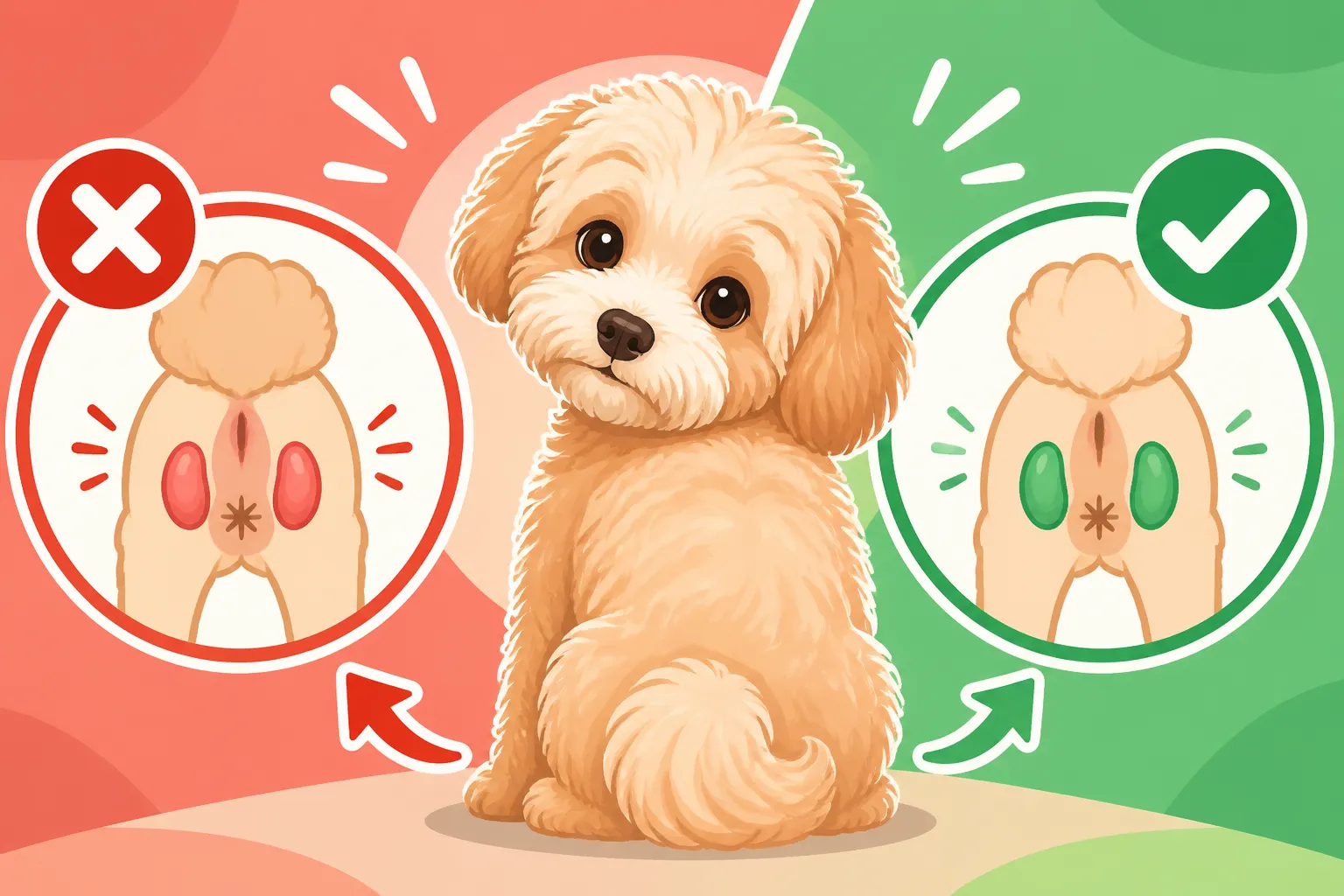
Deep within the musculature of your Maltipoo’s backside, just inside the anus, are two small sacs, one on each side. These are the anal glands, also sometimes called anal sacs. Each sac is lined with glands that produce a strong-smelling, oily liquid – think of it as your dog's unique scent signature. In the wild, dogs use this scent to mark their territory, communicate with other canines, and even identify each other. When your dog defecates, the pressure from the passing stool usually causes these glands to express naturally, leaving a little calling card for any curious noses that come along.
For most dogs, this natural process works flawlessly their entire lives. They go about their business, and the glands do theirs, often without the owner ever being aware of it. It’s when this natural expression doesn’t happen efficiently that problems can arise, turning a normal bodily function into a source of discomfort and, let's be honest, some pretty unpleasant smells around the house. When a dog greets another dog and sniffs their rear, they're not being rude; they're reading that scent signature, checking the "email" left behind.
The Role of Stool Consistency
The primary mechanism for natural anal gland expression relies heavily on the firmness and bulk of your Maltipoo's stool. Imagine a firm, well-formed stool passing through the rectum. As it exits, it presses against the anal glands, squeezing out the fluid contained within. This is how nature intended it to work. However, if your Maltipoo frequently has soft stools, diarrhea, or even very small, hard stools, that crucial pressure might not be sufficient.
Without proper pressure, the fluid in the glands can build up. Over time, this can lead to the glands becoming impacted, infected, or even rupturing, which is incredibly painful and a serious veterinary emergency. This is why paying attention to your Maltipoo's bowel movements is so important. A consistent, healthy stool isn't just a sign of good digestion; it’s a key player in preventing uncomfortable anal gland issues. You might find that looking into Feeding a Six Pound Maltipoo by the Ounce, Not the Scoop can help you regulate their diet for better stool consistency.
Why Maltipoos Are Prone to Anal Gland Issues
It's a frustrating reality for many small dog owners: certain breeds seem to experience anal gland problems more frequently than their larger counterparts. Maltipoos, given their small stature and the genetic predispositions they inherit from their Maltese and Poodle parents, often fall into this category.
Small Breed Anatomy and Predisposition
One of the biggest reasons small dogs like Maltipoos are more susceptible to anal gland issues is simply their anatomy. Their anal glands themselves are quite small, and the ducts that lead from the glands to the outside can be tiny and easily become blocked. Imagine trying to squeeze toothpaste out of a very narrow, easily kinked tube. That’s essentially what’s happening.
Furthermore, the muscles around the anal area in smaller breeds can sometimes be less robust or positioned differently, meaning they don't provide the same natural "squeeze" that larger dogs experience during defecation. This combination of small ducts and sometimes less effective muscle action makes natural expression a greater challenge for a Maltipoo. It’s not their fault; it’s just how they’re built. This isn't to say every Maltipoo will have problems, but the odds are certainly higher than for, say, a German Shepherd.
Diet, Allergies, and Weight as Contributing Factors
While anatomy plays a significant role, it's not the only piece of the puzzle. What your Maltipoo eats and how much they weigh can also greatly influence anal gland health. A diet lacking in fiber, or one that consistently causes soft stools, is a prime culprit. Fiber adds bulk to stool, making it firmer and more effective at expressing the glands. If your Maltipoo's diet isn't quite right, you might notice their stools are too soft, leading to that tell-tale scooting.
Food allergies or sensitivities can also manifest as anal gland problems. If your Maltipoo is constantly experiencing loose stools, skin irritation, or excessive licking around their rear, an underlying allergy might be at play. Their body's inflammatory response can cause swelling around the glands, making them even harder to express naturally. Similarly, an overweight Maltipoo might have excess fat deposits around the anal area, which can further impede the natural expression of the glands. Maintaining a healthy weight and a balanced diet, perhaps even considering options like Ollie's fresh food plans, can make a huge difference. You might also want to explore Whether a Maltipoo's Skin Reacts to Food for more insights into dietary sensitivities.
Signs Your Maltipoo Might Need Gland Emptying
Knowing what to look for is half the battle when it comes to anal gland issues. Often, our Maltipoos try to tell us something is wrong long before we pick up on the subtle cues. Being observant can help prevent discomfort and more serious problems down the line.
The Dreaded "Scooting"
This is perhaps the most classic and widely recognized sign that something is amiss with your Maltipoo's anal glands. You're relaxing on the sofa, and suddenly your little one drags their bottom across your clean carpet, across the rug, or even along the grass outside. It’s not cute or funny; it’s your dog trying desperately to relieve the pressure and discomfort in their anal sacs. The scooting action is an attempt to manually express the glands.
While occasional scooting might not be an immediate cause for alarm, if you see it happening regularly, say, a few times a week or even daily, it’s a strong indicator that the glands are full and causing irritation. Don't ignore it, thinking it's just a quirky habit. It's a clear signal from your Maltipoo that they need help. Sometimes, they'll scoot after a bowel movement, indicating that the natural process didn't quite do the job. For a deeper dive into this specific behavior, consider reading Whether a Maltipoo Scoots.
Licking, Biting, and a Pungent Odor
Beyond scooting, your Maltipoo might exhibit other behaviors signaling discomfort. You might notice them excessively licking or biting at their rear end or under their tail. This is another way they try to alleviate the pressure or itchiness. Sometimes this can become so obsessive that it leads to skin irritation, redness, or even infection in the area. Pay attention if this behavior is new or persistent.
Then there's the odor. Ah, the unmistakable, fishy, pungent smell that can suddenly permeate a room. This is the distinct scent of anal gland fluid. If you smell this, especially when your Maltipoo gets up, moves around, or if you happen to be petting their rear, it means the glands have either expressed involuntarily (which can happen when they’re overly full, stressed, or if the dog is startled) or they are leaking. This smell is a dead giveaway that something isn't right and warrants immediate attention. It’s not pleasant, but it’s a crucial symptom to identify.
Other, More Serious Symptoms
While scooting and licking are common early indicators, anal gland issues can escalate if left unaddressed. As the glands become more impacted or infected, you might observe more severe symptoms. These can include:
- Difficulty defecating: Your Maltipoo might strain or cry out when trying to poop, indicating pain or obstruction.
- Swelling or redness around the anus: If the area around their bottom looks swollen, red, or inflamed, it could be a sign of infection or even an abscess forming.
- Pain or sensitivity: Your Maltipoo might flinch, snap, or become defensive if you try to touch their rear end.
- Bloody or pus-like discharge: This is a serious sign of infection or rupture and requires immediate veterinary attention.
- Lethargy or fever: If your Maltipoo is acting unusually tired, off their food, or feels warm to the touch, especially in conjunction with other symptoms, it could indicate a systemic infection.
If you observe any of these more serious signs, do not attempt to express the glands yourself. This is a job for a veterinarian, as improper technique can cause further damage, pain, or spread infection. Early intervention is key to preventing these minor annoyances from becoming major medical emergencies for your beloved Maltipoo. A quick visit might prevent the need for more complex care later, much like knowing How Often a Maltipoo Needs a Dental helps prevent severe oral disease.
The Process of Anal Gland Expression
So, you've noticed the signs, and you suspect your Maltipoo's anal glands need attention. What happens next? This isn't a DIY job for the faint of heart, and it's always best left to professionals, especially when you're first learning about your dog's specific needs.
Should You Express Them Yourself?
This is a common question, and my honest, empathetic answer is: generally, no, not unless you've been thoroughly trained by a veterinary professional and feel completely confident. While some groomers offer anal gland expression as part of their services, and some dedicated owners learn to do it at home, there are significant risks involved with improper technique.
Internal expression (the most effective method) requires placing a gloved finger inside the rectum to properly locate and empty the glands. This can be uncomfortable for your dog, and if done incorrectly, it can cause pain, bruising, inflammation, or even damage the delicate tissue, potentially leading to infection or scarring that makes future expressions even harder. External expression (squeezing from the outside) is often less effective and can also cause irritation without fully resolving the impaction. For most Maltipoo owners, the best course of action is to have your veterinarian or a trained veterinary technician handle it. They have the expertise to assess the glands, express them safely, and check for any underlying issues like infection or abscesses.
When to Seek Professional Help
If your Maltipoo is exhibiting any of the symptoms mentioned above – repeated scooting, excessive licking, that tell-tale odor, or any signs of pain or swelling – it's time for a vet visit. Don't wait until the situation becomes dire. Early intervention can prevent a simple impaction from turning into a painful infection or rupture. Your vet will perform a thorough examination, express the glands, and discuss any potential underlying causes, such as diet or allergies.
They can also guide you on the frequency. Some Maltipoos may only need their glands expressed once or twice a year, while others might require it monthly. Your vet is the best person to determine the appropriate schedule for your individual dog. If you’re ever unsure, a phone call to your vet clinic is always a good idea. They are there to help you navigate these kinds of issues and ensure your Maltipoo stays comfortable and healthy. This is just one of many important aspects of a healthy routine, like the considerations in The Daily Routine a Maltipoo Needs.
What Happens at the Vet's Office
When you take your Maltipoo to the vet for anal gland issues, the process is usually straightforward. The veterinary team will first take your dog's history and listen to your concerns. Then, the vet or a trained technician will perform the expression. This typically involves:
- Gloved hand examination: The vet will wear gloves and use a lubricant. They will often place a finger gently into the rectum to locate the glands, which are usually at "4 and 8 o'clock" positions internally.
- Gentle pressure: Once located, steady, gentle pressure is applied to each sac, guiding the fluid out through the duct. The fluid can vary in color and consistency, from thin and yellowish to thick and brownish, depending on how long it's been in there and if there's any infection.
- Wipe and assess: The expressed fluid is wiped away, and the vet will usually check the area for any signs of redness, inflammation, or discharge that might indicate an infection. They might also check the consistency of the glands themselves.
- Discussion and advice: Afterward, the vet will discuss their findings with you. They might recommend dietary changes, fiber supplements, or a schedule for future expressions. If infection is suspected, they might prescribe antibiotics or anti-inflammatory medication.
It's a quick procedure, usually just a minute or two, but it provides immense relief to your Maltipoo. They might be a little sensitive or shy for a short while afterward, but the discomfort from the procedure is fleeting compared to the ongoing pain of full or impacted glands. This routine check-up is part of the overall wellness plan, similar to what you might expect during What a Maltipoo's First Vet Visit Should Include.
| Symptom | Severity | Action |
|---|---|---|
| Occasional Scooting | Mild | Observe closely, consider diet changes, monitor stool consistency. |
| Frequent Scooting | Moderate | Schedule a vet check-up for expression and advice. |
| Excessive Licking/Biting | Moderate | Schedule a vet check-up, may indicate impaction or irritation. |
| Fishy Odor | Moderate | Schedule a vet check-up, indicates leaking or involuntary expression. |
| Straining to Defecate | High | Urgent vet visit, could be painful impaction or abscess. |
| Redness/Swelling | High | Urgent vet visit, likely infection or abscess. |
| Pain/Sensitivity to Touch | High | Urgent vet visit, indicating significant discomfort or infection. |
| Bloody/Pus Discharge | Emergency | Immediate vet visit, sign of rupture or severe infection. |
| Lethargy/Fever | Emergency | Immediate vet visit, could be systemic infection. |
Preventative Care and Long-Term Management
The best offense is a good defense, and this holds true for anal gland health. While some Maltipoos may be inherently prone to issues, there are many proactive steps you can take to minimize the likelihood of problems and keep your little companion comfortable.
The Power of a High-Fiber Diet
As we discussed, stool consistency is paramount. A diet rich in fiber helps produce firm, bulky stools that naturally express the anal glands. Look for high-quality dog foods that list a good source of fiber, like beet pulp, pumpkin, or psyllium, among their ingredients. You can also incorporate fiber-rich additions into their diet, such as a spoonful of plain canned pumpkin (not pumpkin pie filling!) or cooked sweet potato.
Many commercial brands and services recognize this need. For example, some premium kibbles available on Chewy specifically formulate for digestive health, aiming for optimal stool consistency. Alternatively, fresh dog food brands like Ollie often feature higher moisture and fiber content from whole ingredients, which can also contribute to healthier bowel movements. Before making any significant dietary changes, always consult with your veterinarian, especially if your Maltipoo has other health considerations like The Liver Shunt a Maltipoo Can Inherit From the Maltese. They can help you determine the best diet for your specific dog.
Maintaining a Healthy Weight
Obesity is a silent culprit in many canine health issues, and anal gland problems are no exception. Excess weight can lead to fat deposits around the anal area, physically obstructing the natural expression of the glands. Think of it like trying to get through a doorway that's become too narrow. Keeping your Maltipoo at a healthy, lean weight is crucial not only for their anal glands but for their overall well-being, including joint health, energy levels, and even their lifespan of The Twelve to Fifteen Years a Maltipoo Lives.
Work with your vet to establish an ideal weight for your Maltipoo and discuss a feeding plan to achieve or maintain it. This might involve carefully measuring their food, opting for lower-calorie treats, and ensuring they get regular, appropriate exercise. Remember, even a small amount of weight loss can make a significant difference for a tiny dog like a Maltipoo.
Regular Exercise and Hydration
Regular physical activity helps keep the digestive system moving smoothly, which, in turn, contributes to healthy bowel movements and can aid in natural anal gland expression. Even a small Maltipoo benefits from daily walks and playtime. These activities not only maintain a healthy weight but also promote overall gut motility.
Adequate hydration is equally important. Water helps keep stool soft enough to pass comfortably, yet firm enough to exert the necessary pressure on the glands. Always ensure your Maltipoo has access to fresh, clean water. If your dog isn't a big drinker, consider adding a little water to their kibble or offering wet food to increase their fluid intake. Bowls available on Amazon can help keep water fresh and accessible. These simple daily habits are foundational to your Maltipoo's health and can significantly reduce the incidence of anal gland issues.
Supplements and Other Considerations
For Maltipoos with chronic anal gland issues, even with dietary and weight management, your vet might suggest specific supplements. Fiber supplements, like those containing psyllium husk or a specialized product designed for anal gland health, can be beneficial. These are often readily available from pet supply retailers like Chewy or your vet’s office. Some supplements are formulated with digestive enzymes or probiotics, which can further support gut health and optimal stool consistency.
It's also essential to be mindful of grooming. While professional groomers are trained to express glands, some may do it routinely even if not necessary, which can sometimes lead to the glands becoming reliant on manual expression. Discuss your Maltipoo's specific needs with your groomer and vet to ensure a consistent approach. Regular grooming, including keeping the hair around the anus trimmed, can also help maintain hygiene and make it easier to spot any issues early. Brushing a Maltipoo's Teeth Every Single Day is another example of a small, consistent care routine that makes a big difference.
Disclaimer
This article is for general informational purposes only and does not constitute professional advice. Laws, prices and regulations vary by location and change over time. Consult a qualified professional for guidance on your specific situation.