The Coat a Maltipoo Gets From Two Non Shedding Parents
One of the biggest dreams for prospective Maltipoo owners is the promise of a "non-shedding" dog. You envision a life free from pet hair clinging to every surface, a pristine home, and perhaps even relief for family members with allergies. But then you bring your adorable Maltipoo home, and a few weeks or months later, you start noticing stray hairs, little tumbleweeds of fluff, and the distinct feeling that perhaps "non-shedding" doesn't mean no shedding at all. This guide is here to unravel the truth about the Maltipoo coat, what to expect from these beautiful dogs with two non-shedding parents, and how to keep their unique fur healthy and manageable.
Understanding the "Non-Shedding" Myth for Maltipoos
It's easy to be drawn in by the allure of a non-shedding dog, especially if you or someone in your household suffers from allergies. The Maltipoo, being a cross between a Maltese and a Poodle—both renowned for their low-shedding coats—seems like the perfect fit. But the reality is a little more nuanced than simply "no hair."
What "Non-Shedding" Really Means and Doesn't Mean
When we talk about a "non-shedding" dog, it's a bit of a misnomer. All dogs, just like humans, shed hair. The difference lies in how and when they shed. Dogs with double coats, like German Shepherds or Huskies, shed their undercoat seasonally, resulting in noticeable amounts of loose fur. Dogs like Maltipoos, Poodles, and Maltese, however, have hair that grows continuously, much like human hair. Instead of falling out freely, these hairs often get caught within the surrounding coat.
This is where the "non-shedding" label comes from: you don't see large clumps of hair on your furniture or floor as you would with a heavy-shedding breed. However, those hairs do eventually detach from the follicle. If they're not brushed out regularly, they become trapped, intertwining with the growing hair and creating mats. So, while you might not be vacuuming up vast quantities of fur, you are essentially "brushing out" the shed hair instead of it falling out on its own. This distinction is crucial for understanding the care your Maltipoo's coat truly requires. Many first-time Maltipoo owners are surprised by the sheer amount of hair that comes off their dog during a good brushing session!
The Genetic Legacy: Maltese and Poodle Coats
To understand your Maltipoo's coat, you need to look at its heritage. Both the Maltese and the Poodle contribute unique characteristics to the Maltipoo's fur, and the blend can result in a surprising variety of textures and maintenance needs.
The Maltese is known for its single-layered, long, silky, straight white coat. It's often described as luxurious, fine, and flowing, reminiscent of human hair. This coat doesn't have an undercoat, which is why it sheds very little. However, its fine texture is highly prone to tangling and matting if not brushed daily. Imagine trying to manage very long, fine human hair without brushing it – it would quickly become a tangled mess.
The Poodle, on the other hand, boasts a dense, curly, coarse coat that is also single-layered and grows continuously. This coat is incredibly effective at trapping shed hairs, which is why Poodles are considered excellent for allergy sufferers. The tight curls act like velcro, holding onto loose hair until it's brushed out. If a Poodle's coat isn't groomed regularly, these trapped hairs can quickly form tight, dense mats that pull at the skin and can be very painful.
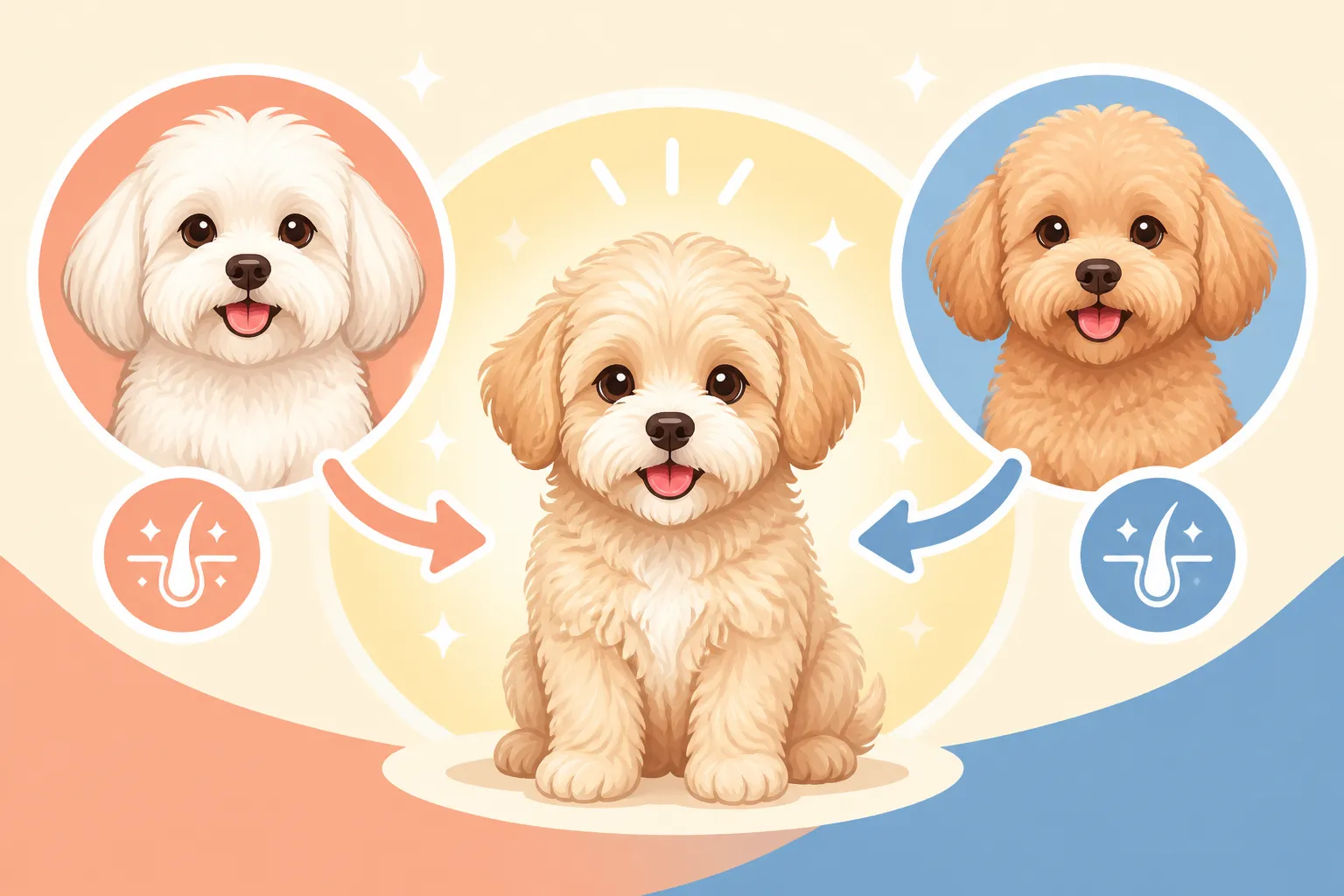
Your Maltipoo inherits a mix of these traits. Depending on which parent's genes are more dominant, your Maltipoo could have a coat leaning towards the silky straightness of a Maltese, the tight curls of a Poodle, or, most commonly, a lovely wavy combination of both. This genetic lottery is what makes each Maltipoo's coat unique and why no two Maltipoos are exactly alike in their grooming needs. Understanding this blend is the first step in preparing for the care commitment.
Why Maltipoos Still Have Hair All Over Your House Sometimes
Even with two "non-shedding" parents, it's not uncommon to find little wisps of Maltipoo hair around your home. This isn't necessarily a sign that your dog isn't a true Maltipoo or that something is wrong. There are several reasons why you might still encounter stray hairs.
Firstly, as mentioned, "non-shedding" doesn't mean zero hair loss. Every hair follicle has a growth cycle, and eventually, hair will die and detach. If a loose hair isn't trapped by the surrounding coat or brushed out, it will fall off. This is particularly true for Maltipoos with coats that lean more towards the straight or slightly wavy Maltese side, as their hair isn't as effective at holding onto shed strands as a tightly curled Poodle coat. You might find more stray hairs when your Maltipoo rubs against furniture, shakes vigorously, or plays.
Secondly, diet and overall health play a huge role in coat health. A Maltipoo that isn't receiving adequate nutrition, or one that's experiencing stress or underlying health issues, might shed more. Poor quality food, nutrient deficiencies, or even allergies can lead to a duller coat and increased hair loss. For example, some owners find their Maltipoo chewing at their feet until they stain, which can be a sign of allergies impacting their skin and coat. Allergies Behind a Maltipoo's Itching is a good read on this.
Finally, the frequency and thoroughness of your grooming routine are major factors. If you're not brushing your Maltipoo daily, especially if they have a denser or curlier coat, those trapped shed hairs will eventually work their way free, or worse, become severely matted. Mats can actually pull healthy hair out of the skin, leading to more "shed" hair than usual. So, while the promise of a non-shedding dog is appealing, the reality is that it translates to a commitment to consistent, diligent grooming to keep those hairs off your floor and on your brush.
Unpacking the Maltipoo Coat Types
The beauty of the Maltipoo is in its variety, and nowhere is this more evident than in their coats. Because they are a crossbreed, there's no single "Maltipoo coat." Instead, you'll find a spectrum of textures and appearances, largely influenced by the dominant genes from their Maltese and Poodle parents. Understanding these variations will help you anticipate their specific grooming needs.
The Wavy Maltipoo Coat
This is arguably the most common and often sought-after Maltipoo coat type. The wavy coat, sometimes referred to as a "fleece" coat, is a beautiful blend of the Maltese's silkiness and the Poodle's curl. It typically feels soft and fine, with a noticeable ripple or wave pattern rather than tight curls or pin-straight strands.
Owners often love this coat type because it's soft to the touch and has a playful, plush appearance. However, don't let its charming look fool you into thinking it's low maintenance. The wavy coat is particularly prone to matting. The shed hairs, being neither tightly coiled nor completely straight, easily intertwine with the waves, forming knots that can quickly escalate into painful mats if not addressed daily. This means a daily thorough brushing and combing down to the skin is essential. You'll often find mats forming behind the ears, under the armpits, and where the legs meet the body – areas of high friction. Mats Behind a Maltipoo's Ears and Why a Maltipoo Mats Where the Legs Meet the Body delve deeper into these specific problem spots. The key here is prevention; once a mat gets a foothold, it's much harder to remove.
The Curly Maltipoo Coat
A Maltipoo with a curly coat usually takes more after its Poodle parent. This coat is characterized by tight, dense curls that are often coarse to the touch. It has a distinctive woolly or plush texture, similar to a purebred Poodle's coat, and often gives the Maltipoo a fluffy, teddy-bear-like appearance.
For allergy sufferers, this type of coat is often the preferred choice because the tight curls are incredibly effective at trapping shed hairs. This means very little hair, if any, will actually fall out onto your furniture or floors. However, this benefit comes with an intensified grooming commitment. The very nature of the tight curl that traps shed hair also makes it highly susceptible to matting. If those shed hairs aren't meticulously brushed out, they weave themselves into the live, growing curls, creating felt-like mats that can become incredibly dense and pull painfully on the skin. Regular, thorough brushing with a slicker brush and a metal comb is non-negotiable, often needing to happen daily, especially during the challenging "coat change" phase as a puppy transitions to its adult fur around 6-12 months. The Month a Maltipoo Starts Matting Daily provides more insight into this tricky period.
The Straight Coated Maltipoo
While less common, some Maltipoos can inherit a coat that leans heavily towards the Maltese side, resulting in a straight or nearly straight coat. This type of coat is long, silky, and fine, much like the classic Maltese look. It often gives the Maltipoo an elegant, flowing appearance.
While some might think a straight coat would be easier to manage than a curly one, it comes with its own set of challenges. Its fine texture means it's incredibly prone to tangling and knotting, even if it doesn't form the dense mats seen in curlier coats. Think of long, fine human hair that tangles easily. This coat will also show more "shed" hairs on surfaces because the straight strands don't trap the loose hair as effectively as curls do. Regular brushing is still essential to prevent tangles from forming and to remove any loose hairs before they fall onto your floor. Owners of straight-coated Maltipoos might find they need to brush even more frequently to maintain that silky appearance and prevent minor tangles from escalating. The good news is that typically these tangles are easier to brush out than the dense mats found in curlier coats, provided they are addressed promptly.
Predicting Your Puppy's Adult Coat
When you pick out a Maltipoo puppy, it's natural to wonder what their adult coat will look like and how much grooming it will demand. Unfortunately, predicting a Maltipoo's adult coat type can be a bit of a guessing game, especially when they are very young. A puppy's coat often differs significantly from its adult coat.
Newborn puppies usually have a soft, fine, somewhat fluffy coat. It's during the "coat change" phase, typically between 6 to 12 months of age, that the true adult coat begins to emerge. This is when the puppy's softer, thinner coat is replaced by the denser, more mature adult hair. During this period, existing mats can form almost overnight because the puppy hair is coming out and getting tangled with the new adult hair. The Month a Maltipoo Starts Matting Daily details this critical stage.
Breeders might offer some insight based on the parent dogs' coats, but even then, genetics can be unpredictable. An F1 Maltipoo (first cross, Maltese x Poodle) often has a more varied coat type, as there's a 50/50 genetic split. F1b Maltipoos (Maltipoo x Poodle) often lean more towards the Poodle's curly, dense coat, which can sometimes be seen as more desirable for those seeking a truly low-shedding, hypoallergenic dog. Conversely, if an F1b is bred back to a Maltese, you might see a straighter coat.
You can observe your puppy's coat for early indicators:
- Wavy: If your puppy's coat has a noticeable wave or kink, it's a good sign it will develop into the common wavy fleece coat.
- Curly: Very tight, springy curls, especially around the face and ears, are strong indicators of a Poodle-dominant curly coat.
- Straight: If the puppy's fur is exceptionally soft, fine, and lacks any curl or wave even when damp, it might develop a straighter coat.
Ultimately, regardless of the initial prediction, preparing for diligent grooming is the best approach. Assume it will be high maintenance and you'll be pleasantly surprised if it's less.
The Unique Challenges of a Non-Shedding Coat
While the term "non-shedding" brings dreams of a hair-free home, the reality of a Maltipoo's coat introduces a specific set of grooming challenges that owners must be prepared for. These challenges are often what catch new owners off guard, leading to frustration and, unfortunately, painful experiences for the dog if not properly managed.
The Matting Monster: Why it Happens So Easily
This is perhaps the biggest and most persistent challenge of owning a Maltipoo. Because their hair grows continuously and the shed hairs get trapped within the coat rather than falling out, mats are an inevitable part of life if a rigorous grooming routine isn't followed. Think of a human with very long, thick hair who never brushes it – it would quickly become a tangled, matted mess. The same principle applies to your Maltipoo.
Mats form when loose hair gets tangled and knotted with the active hair, creating dense clumps. These clumps can range from small, easily brushable tangles to large, felt-like pads that pull tightly on the skin. Common areas for matting include behind the ears, under the chin, in the armpits, on the belly, between the legs, and wherever a harness rubs Whether a Harness Rubs a Maltipoo's Coat Into Knots. Even areas like the tail and paws can mat quickly. Simple activities like playing, rolling on the carpet, or even just sleeping can contribute to mats. Humidity can also exacerbate the problem, making the hair more prone to tangling.
Beyond being unsightly, mats are genuinely painful for your Maltipoo. They pull on the skin, causing irritation, redness, and sometimes even skin infections underneath. Severe matting can restrict movement, making it difficult for your dog to walk, run, or even lie down comfortably. If left unchecked, mats can become so severe that the only humane option is a complete shave-down by a professional groomer, which can be traumatic for the dog and leaves them exposed to the elements. This is why understanding Working a Mat Out of a Maltipoo's Coat is so vital for every owner.
Dirt, Debris, and Tangled Troubles
Another consequence of that lovely, soft, continuously growing coat is its uncanny ability to act like a magnet for dirt and debris. Where a smooth-coated dog might simply shake off some dust, a Maltipoo's wavy or curly fur seems to grab onto everything it encounters.
Going for a walk on a slightly damp day? Your Maltipoo will likely come home with burrs, leaves, twigs, and mud clinging to their legs, belly, and tail. A quick romp in the yard can result in grass seeds becoming embedded deep within the coat, which can cause skin irritation or even infections if not removed promptly. Even everyday dust and dander from your home can become trapped, contributing to tangles and making the coat feel gritty.
This means that a Maltipoo needs frequent checking and often daily spot cleaning. Their paws, in particular, are prone to collecting debris, and if the hair between their paw pads grows too long, it can track dirt into the house, create traction issues, and become matted. Ice Balls Between a Maltipoo's Toes is a good example of how environmental factors can directly impact their sensitive paw hair. Regular brushing helps to remove some of this surface debris, but a thorough check after outdoor adventures is non-negotiable. This constant vigilance against dirt and tangles is part of the ongoing commitment to their unique coat.
Allergies and Hypoallergenic Claims
The term "hypoallergenic" is often associated with Maltipoos due to their Poodle parentage and low-shedding coat. For many families, this is a primary reason for choosing the breed. However, it's important to understand what "hypoallergenic" truly means and its limitations.
No dog is 100% hypoallergenic. The allergens that trigger reactions in people are primarily found in dander (tiny flakes of skin), saliva, and urine, not just the hair itself. While a Maltipoo's coat sheds less loose hair into the environment (which often carries dander and dried saliva), they still produce dander and saliva. What "hypoallergenic" generally refers to is a reduced likelihood of triggering an allergic reaction. Many people with mild to moderate allergies find they can live comfortably with a Maltipoo because less dander is distributed into the air and onto surfaces.
However, individual reactions vary greatly. Some people might still react to a Maltipoo, especially if their allergies are severe. The texture of the coat can also play a role; some believe a curlier coat, which traps more dander, is better for allergy sufferers, while others find the finer, straighter coats less irritating. It's always recommended for individuals with allergies to spend time with the specific dog they are considering adopting to see if a reaction occurs. This often means visiting the breeder's home or a rescue facility to interact with the puppy and its parents. If you're sensitive, keeping your Maltipoo's coat clean and free of excessive dander through regular grooming and bathing is paramount.
Establishing a Consistent Grooming Routine
Given the unique nature of the Maltipoo's coat, a consistent and thorough grooming routine isn't just about aesthetics; it's vital for their health and comfort. Neglecting their coat can lead to painful mats, skin infections, and general discomfort. Think of it as a daily hygiene practice, just like brushing your own hair.
Daily Brushing and Combing: Your First Line of Defense
This is the cornerstone of Maltipoo coat care, and I cannot stress its importance enough. Daily brushing and combing are not optional; they are absolutely essential to prevent matting and keep your Maltipoo comfortable. The goal is to remove any trapped shed hairs and minor tangles before they have a chance to solidify into full-blown mats.
You'll need both a slicker brush and a metal comb. The slicker brush, with its fine, wire bristles, is excellent for getting through the top layers of the coat and separating individual hairs. However, a slicker brush alone is often not enough to get down to the skin, which is where mats truly begin. That's where the metal comb comes in. You need a comb with both wide and narrow teeth.
Here's how to perform a thorough daily brushing:
- Section the coat: Don't just brush over the top. Use your hand to part the hair and brush in small sections, working your way from the skin outwards.
- Start at the bottom: Begin with the legs, then move to the belly, armpits, and under the tail. These are prime matting spots.
- Brush, then comb: Use the slicker brush first in small, gentle strokes. Once you've brushed a section, follow up with the metal comb. The comb is your "mat detector." If the comb glides smoothly through the section from skin to tip, you're good. If it snags, stop, gently work out the tangle with the slicker brush or your fingers, and then comb again until it's smooth.
- Pay attention to high-friction areas: Ears, neck, under the harness, and leg joints need extra focus. How Many Times a Week a Maltipoo Needs Combing really means daily for most Maltipoos.
- Use a detangling spray: A good quality detangling spray can make the process easier and help prevent static and breakage.
Consistency is key. A few minutes every day is far more effective and less painful than trying to de-mat a heavily tangled coat once a week.
The Right Tools for the Job
Having the correct grooming tools makes a world of difference in your Maltipoo's comfort and the effectiveness of your routine. Investing in quality tools is worth it.
- Slicker Brush: As mentioned, this is your primary brush for daily use. Look for one with fine, sturdy pins and a comfortable handle. Brands like Chris Christensen or #1 All Systems offer excellent professional-grade slicker brushes, which can be found on online retailers like Chewy or Amazon.
- Metal Comb: A stainless steel comb with both wide and narrow teeth is indispensable. The wider teeth are for initial detangling, and the narrower teeth help to ensure you've gotten all the way down to the skin and removed all tangles.
- Pin Brush: Some owners prefer a pin brush for general brushing, especially for longer, straighter coats. It's gentler than a slicker but might not be as effective for dense or curly coats.
- Detangling Spray: A leave-in conditioning or detangling spray helps lubricate the hair, making it easier to brush through tangles and reducing static. There are many options available at pet stores or online.
- Blunt-Nose Scissors: Essential for carefully trimming hair around the eyes, ears, and paw pads. Always use blunt-nose scissors to minimize the risk of injury.
- Nail Clippers/Grinder: Keeping nails trimmed is important. Choose clippers designed for small dogs or a small, quiet nail grinder.
- Ear Cleaner and Cotton Balls: For routine ear cleaning, if your vet recommends it.
- Dog-Specific Shampoo and Conditioner: Never use human products on your dog. Look for gentle, moisturizing formulas suitable for dogs with sensitive skin or long coats.
A little grooming kit from Chewy can be a great starting point for new owners, ensuring you have all the essentials readily available.
Bathing Best Practices for Maltipoos
Bathing your Maltipoo is another important part of their routine, but it needs to be done correctly to avoid causing more mats. Generally, a Maltipoo should be bathed every 2-4 weeks, depending on their activity level and how dirty they get. More frequent bathing can strip their coat of natural oils, leading to dry skin, while less frequent bathing can allow dirt and oils to build up, contributing to matting.
Here's a step-by-step guide to bathing your Maltipoo:
- Brush THOROUGHLY BEFORE Bathing: This is absolutely critical. Never, ever bathe a matted Maltipoo. Water tightens mats, making them impossible to remove and much more painful. Ensure your dog is completely free of tangles and mats before they ever touch water.
- Gather Supplies: Have your dog shampoo, conditioner, a few towels, and a gentle sprayer (like a detachable showerhead) ready.
- Use Lukewarm Water: Fill the tub a few inches or use a handheld sprayer. Make sure the water isn't too hot or too cold.
- Wet the Coat Completely: Gently soak your Maltipoo's entire coat, being careful to avoid getting water in their ears. You can place cotton balls loosely in their ears to help prevent water from entering, but be sure to remove them afterwards.
- Apply Shampoo: Use a dog-specific shampoo. Lather gently, focusing on areas that get dirtiest, like the paws and belly. Avoid vigorous scrubbing, as this can create tangles. Rinse thoroughly until all shampoo is gone.
- Apply Conditioner: Follow with a dog-specific conditioner, which will help moisturize the skin and make the coat easier to brush. Leave it on for a few minutes as directed, then rinse thoroughly.
- Squeeze Out Excess Water: Gently squeeze excess water from the coat, then blot with a towel. Do not rub vigorously, as this can create tangles.
- Blow Dry (Crucial!): This is perhaps the most important step after the initial brushing. Air drying a Maltipoo's coat almost guarantees matting. Use a dog-specific forced-air dryer (which is much safer and more efficient than a human hairdryer) on a cool or low-heat setting. As you dry, continuously brush the coat in sections with your slicker brush. This ensures the hair dries straight and tangle-free. Make sure the coat is 100% dry down to the skin before you stop. Drying a Maltipoo Before the Coat Knots is a key concept here.
- Final Comb-Through: Once completely dry, do a final comb-through with your metal comb to ensure no tangles formed during the drying process.
A good bath, followed by proper drying and brushing, leaves your Maltipoo's coat clean, soft, and tangle-free, making daily maintenance much easier.
Professional Grooming vs. DIY
Deciding whether to take your Maltipoo to a professional groomer or tackle all the grooming yourself is a common dilemma for new owners. There are pros and cons to both approaches, and often, a combination of the two works best.
When to Seek a Professional Groomer
While daily home maintenance is crucial, professional grooming offers a level of expertise and equipment that most owners don't have. For Maltipoos, regular professional grooming is usually recommended every 4-8 weeks, depending on the coat type and desired length.
Here's why professional grooming is often necessary:
- Expertise in Mat Removal: If your Maltipoo has developed significant mats that you can't safely remove at home, a professional groomer is equipped to handle them. They have specialized tools and techniques to de-mat or, if necessary, humanely shave down matted areas, minimizing discomfort for your dog. Attempting to cut out deep mats yourself can be incredibly risky, often resulting in accidental nicks or cuts to the skin. What a Groomer Charges by the Hour on a Matted Maltipoo will give you an idea of the cost implications.
- Specialized Equipment: Groomers use powerful forced-air dryers, high-quality clippers, and various blades and scissors that provide a much more efficient and precise groom than most home setups. These tools allow for a smoother, longer-lasting cut and quicker drying times.
- Maintaining Desired Style: If you want a specific haircut for your Maltipoo, such as a "teddy bear cut" or a "puppy cut," a professional groomer has the skills to achieve it evenly and aesthetically. What a Puppy Cut Looks Like on a Maltipoo and What a Teddy Bear Trim Looks Like on a Maltipoo describe some popular styles.
- Nail Trimming and Ear Cleaning: While you can do these at home, many owners are apprehensive, especially about trimming nails too short ("quicking" the nail). Groomers are experienced in these tasks and can perform them safely.
- Early Detection of Issues: During a regular grooming session, groomers often spot skin issues, lumps, bumps, ear infections, or dental problems that owners might miss.
- Socialization and Training: Getting your Maltipoo accustomed to the grooming process from a young age at a professional salon helps them become more tolerant of handling and future grooms. How Early a Maltipoo Should Meet a Groomer is an important consideration.
Professional grooming can be an investment, but it contributes significantly to your Maltipoo's health, comfort, and overall well-being.
Essential At-Home Grooming Tasks
Even with a professional groomer, there are crucial grooming tasks you must perform at home to keep your Maltipoo looking and feeling their best between appointments. These daily or weekly tasks are what prevent minor issues from escalating into major problems.
- Daily Brushing: As discussed, this is non-negotiable. Consistent daily brushing is the single most important thing you can do to prevent matting and extend the time between professional grooms.
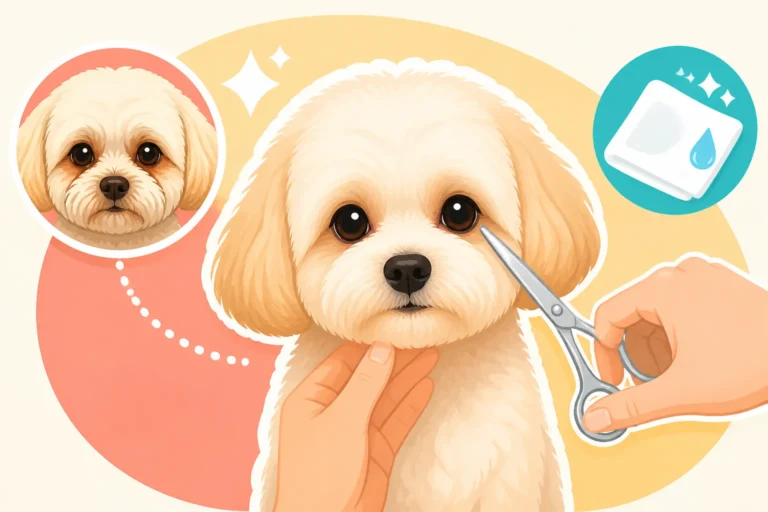
- Face Trims: Hair around a Maltipoo's eyes and muzzle grows quickly and can become irritating, obscure their vision, or lead to tear staining. You'll need to carefully trim this area every two weeks or so with blunt-nose scissors. The Two Week Face Trim a Maltipoo Needs is a strict recommendation for a reason. Always be incredibly cautious when working near the eyes.
- Paw Pad Trims: Hair grows between your Maltipoo's paw pads and can collect dirt, debris, and even ice in winter. Keeping this hair neatly trimmed helps with traction, hygiene, and prevents matting in a sensitive area. Use small clippers or blunt-nose scissors.
- Nail Trimming: Depending on activity level, your Maltipoo's nails will need trimming every 2-4 weeks. If you hear their nails clicking on hard floors, they're too long. If you're nervous about using clippers, a Dremel-style grinder can be a good alternative. Start slow and make it a positive experience with treats. Cutting a Maltipoo's Nails on a Shaking Dog offers tips for nervous pups.
- Ear Cleaning: Floppy-eared dogs like Maltipoos are prone to ear infections. Check their ears regularly for redness, odor, or discharge. If your vet recommends it, you can gently clean the outer ear canal with a vet-approved cleaner and cotton balls. Some Maltipoos also grow hair inside their ear canal that needs to be plucked (by a groomer or vet) to prevent wax buildup and infections. Clearing Wax From a Maltipoo's Ear explains more.
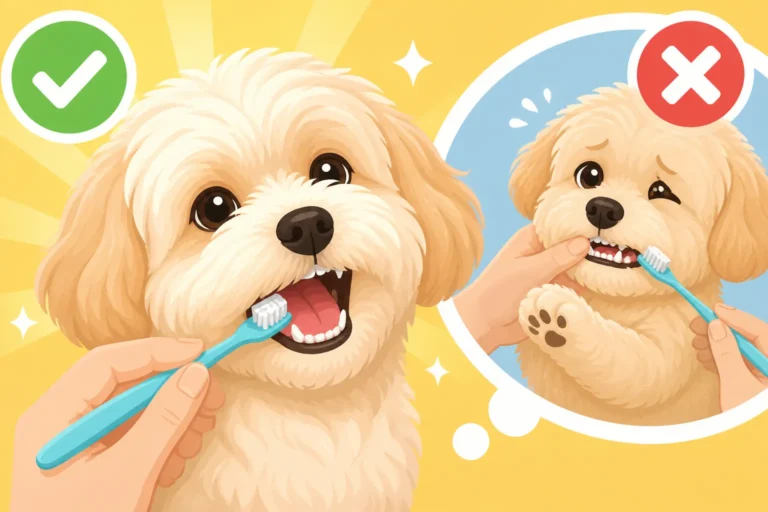
- Dental Care: While not strictly coat care, daily tooth brushing is vital for small breeds like Maltipoos. Their small mouths are prone to dental disease, which can have serious health implications. Brushing a Maltipoo's Teeth Every Single Day is another essential daily task.
By consistently performing these at-home tasks, you're not just keeping your Maltipoo looking good; you're also actively contributing to their health and comfort.
Understanding Different Maltipoo Haircuts
Maltipoos lend themselves to a variety of adorable haircuts, and understanding the options can help you communicate with your groomer effectively. The primary goal is usually functionality and ease of maintenance, with aesthetics as a happy bonus.
-
The Puppy Cut (or Kennel Cut): This is one of the most popular and practical cuts for a Maltipoo. The hair is clipped to a uniform, short length all over the body, usually between 1/2 to 1 inch. The face, ears, and tail might be left slightly longer for a soft, rounded appearance.
- Pros: Extremely low maintenance, significantly reduces matting risk, easy to keep clean. Ideal for active dogs, warm climates, or owners who prefer minimal daily brushing.
- Cons: Loses some of the Maltipoo's signature fluffy look.
- What a Puppy Cut Looks Like on a Maltipoo describes this in detail.
-
The Teddy Bear Cut: This style aims for a soft, rounded, "teddy bear" look. The body is typically clipped to a slightly longer length than a puppy cut (e.g., 1-2 inches), and the face, head, and ears are scissored to create a fluffy, rounded appearance.
- Pros: Adorable, retains more of the fluffy look, still relatively manageable.
- Cons: Requires more frequent brushing at home than a shorter puppy cut to prevent matting, especially on the longer face and ears.
- What a Teddy Bear Trim Looks Like on a Maltipoo gives you a visual idea.
-
The Lamb Cut: Similar to the teddy bear but often leaves the legs a bit longer and fuller, with the body slightly shorter, giving a distinctive lamb-like silhouette.
- Pros: Very cute and stylized.
- Cons: Requires diligent home care to prevent matting on the longer leg hair.
-
Breed Standard (Maltese or Poodle Influence): If your Maltipoo's coat strongly favors one parent breed, you might opt for a cut that highlights those characteristics. For example, a Maltipoo with a very straight, silky coat might be kept longer, similar to a Maltese show cut (though this is extremely high maintenance for a pet). A curly-coated Maltipoo might get a Poodle-style clip, perhaps with clean-shaved feet and face, and a pompom on the tail. These are less common for pet Maltipoos due to the maintenance.
When you go to the groomer, bring pictures of what you like and be realistic about your home grooming commitment. A good groomer will help you choose a style that suits both your lifestyle and your Maltipoo's coat type.
Addressing Common Coat-Related Issues
Despite your best efforts, sometimes coat issues arise. Knowing how to address them, or when to seek professional help, is crucial for your Maltipoo's comfort and health.
Tackling Severe Matting and When to Get Help
Matting is the bane of every Maltipoo owner's existence. Even with diligent daily brushing, a missed spot or an unexpected romp can lead to a mat. But what happens when a mat becomes severe?
- Small, Surface Mats: If you catch a small mat early, before it's tight against the skin, you might be able to gently work it out yourself. Use a detangling spray generously on the mat. Then, using your fingers, try to gently pull the mat apart into smaller sections. Once it's loosened, use the tip of your metal comb to gently tease out the tangles, working from the outer edge of the mat inwards, bit by bit. Always hold the hair at the base of the mat close to the skin to minimize pulling. Working a Mat Out of a Maltipoo's Coat offers detailed steps.
- Medium to Large, Tight Mats: If a mat is tight against the skin, larger than a quarter, or causing your dog discomfort when you try to touch it, it's time to call a professional groomer or your vet. Do NOT attempt to cut out large, tight mats with scissors at home. This is incredibly dangerous. The skin underneath a mat can be pulled up into the mat itself, and it's shockingly easy to accidentally cut your dog, leading to a painful injury and an emergency vet visit.
- Pelted Coat: A "pelted" coat means the mats are so extensive and dense that they form a solid, impenetrable layer against the skin, essentially like a second skin or a felted blanket. At this point, the only humane option is a complete shave-down using clippers underneath the mats. This must be done by a professional groomer, and sometimes even a vet, under sedation, because it's a slow, delicate, and often uncomfortable process. Whether a Pelted Maltipoo Has Any Option but the Clippers is a difficult but sometimes necessary reality. While heartbreaking to see your fluffy Maltipoo completely shaved, it's the kindest thing to do for their comfort and skin health.
Prevention truly is the best medicine when it comes to matting. A few minutes of daily brushing can save your Maltipoo from hours of discomfort and a drastic haircut.
Tear Staining and What to Do About It
Tear staining is a common cosmetic issue, particularly noticeable on light-colored Maltipoos. Those reddish-brown streaks under their eyes can be frustrating, and many owners struggle to keep their Maltipoo's face pristine.
What causes tear staining?
- Excessive Tearing: This is the primary cause. Reasons for excess tears include allergies, irritation from hair growing into the eyes Whether Untrimmed Hair Scars a Maltipoo's Cornea, blocked tear ducts Tear Duct Problems in a Maltipoo, eye infections, or even simply genetics.
- Porphyrins: These are iron-containing molecules excreted in tears, saliva, and urine. When exposed to light, porphyrins turn reddish-brown.
- Yeast/Bacteria: Moisture from tears creates a breeding ground for yeast and bacteria (like Malassezia), which can cause a reddish-brown discoloration and sometimes an odor. This is often more noticeable on dogs with lighter coats, as Why a White Maltipoo Stains and a Cream One Hides It explains.
What you can do:
- Keep the Hair Trimmed: Regularly trim the hair around your Maltipoo's eyes to prevent it from irritating the eye or wicking away tears onto the face.
- Daily Face Wipes: Gently wipe your Maltipoo's face, especially the area under the eyes, with a damp cloth or a pet-safe tear stain wipe several times a day. This removes the moisture and reduces the buildup of porphyrins and bacteria. The Daily Face Wipe a Maltipoo Needs is a small habit with big results.
- Filtered Water: Some owners report a reduction in staining when giving their dog filtered water instead of tap water, suggesting minerals in tap water might contribute. Whether Tap Water Makes a Maltipoo's Stains Worse is a common question.
- Diet: A high-quality diet can support overall health and sometimes reduce tear staining. Avoiding certain artificial additives or low-quality ingredients might help some dogs.
- Veterinary Check: If the tearing is excessive, persistent, or accompanied by redness, irritation, or discharge, consult your vet. They can rule out underlying medical issues like infections, allergies, or blocked tear ducts that require treatment.
While it's difficult to eliminate tear staining entirely for some Maltipoos, consistent hygiene can significantly reduce its appearance.
Skin Irritations and Underlying Health Concerns
A Maltipoo's dense coat can sometimes hide underlying skin issues. Regularly checking their skin during grooming sessions is important to catch problems early.
Common skin irritations include:
- Dry, Flaky Skin: This can be caused by harsh shampoos, overly frequent bathing, low humidity, or dietary deficiencies. Look for shampoos with moisturizing ingredients and ensure your dog's diet supports skin health.
- Redness or Rashes: Often a sign of allergies (food or environmental), flea bites, or contact dermatitis. If your Maltipoo is excessively scratching, licking, or chewing, especially their feet until they stain, allergies are a strong possibility. Allergies Behind a Maltipoo's Itching is a key resource.
- Hot Spots (Acute Moist Dermatitis): These are painful, red, oozing skin lesions that appear suddenly. They're often caused by a dog constantly licking or chewing a particular spot due to allergies, flea bites, or even stress. They require prompt veterinary attention to prevent infection from spreading.
- Yeast Infections: Often appearing as reddish, greasy, sometimes odorous skin, particularly in skin folds or between paw pads. Yeast thrives in moist environments.
- Bacterial Infections: Can manifest as pustules, crusts, or circular areas of hair loss.
When to consult your vet:
Any persistent skin issue, excessive scratching, hair loss, odor, or the appearance of lumps or bumps Whether a Lump on a Maltipoo Should Be Aspirated warrants a vet visit. Your vet can diagnose the underlying cause and recommend appropriate treatment, which might include medicated shampoos, antibiotics, antifungals, or dietary changes. Since Maltipoos can inherit certain sensitivities, being proactive about skin health is a must.
Long-Term Coat Health and Nutrition
A beautiful, healthy coat isn't just a result of external grooming; it's a reflection of your Maltipoo's internal health. What you feed your dog and how you manage their environment play a significant role in the luster, texture, and manageability of their fur.
The Role of Diet in a Healthy Coat
Nutrition is absolutely foundational for a healthy coat. Think of your own hair and skin – a poor diet often shows up there first. The same is true for your Maltipoo. A high-quality, balanced diet provides the essential building blocks for strong hair follicles and healthy skin.
- Protein: Hair is primarily made of protein, so a diet rich in high-quality animal protein is essential. Look for dog foods where meat (e.g., chicken, lamb, salmon) is the first ingredient.
- Essential Fatty Acids (Omega-3 and Omega-6): These healthy fats are crucial for skin and coat health. They help maintain the skin's barrier function, reduce inflammation, and promote a shiny, soft coat. Fish oils (salmon, sardine) are excellent sources of Omega-3s.
- Vitamins and Minerals: Vitamins A, E, and B-complex vitamins, along with minerals like zinc and copper, are all vital for skin and coat integrity.
- Digestibility: A highly digestible food ensures your Maltipoo can actually absorb and utilize the nutrients it contains.
Many commercial dog foods, especially premium brands, are formulated with skin and coat health in mind. Brands like Ollie, known for its fresh, human-grade ingredients, often emphasizes balanced nutrition that contributes to overall well-being, including coat quality. Be wary of foods with excessive fillers, artificial colors, or by-products, as these can sometimes contribute to dull coats, dry skin, or even allergic reactions in sensitive dogs. Whether a Maltipoo's Skin Reacts to Food is a valid concern for many owners.
Supplements for Skin and Coat Support
While a complete and balanced diet should ideally provide all the necessary nutrients, sometimes specific supplements can give an extra boost to your Maltipoo's coat, especially if they have chronic dryness, dullness, or mild skin issues.
- Fish Oil (Omega-3 Fatty Acids): This is one of the most popular and effective supplements for coat health. Omega-3s (EPA and DHA) are powerful anti-inflammatories and greatly improve skin hydration and coat shine. You can find fish oil supplements specifically formulated for dogs in liquid or capsule form on sites like Chewy or Amazon. Always choose a high-quality product that has been tested for purity.
- Coconut Oil: Some owners use a small amount of virgin coconut oil orally or topically. It can help moisturize skin and add shine to the coat, though use sparingly internally to avoid an upset stomach.
- Biotin: A B-vitamin often associated with hair, skin, and nail health. While its efficacy specifically for dog coats is still debated, some owners report positive results.
- Vitamin E: An antioxidant that supports skin health. It's often included in skin and coat supplements.
Before adding any supplements to your Maltipoo's diet, it's always best to consult with your veterinarian. They can help you determine if a supplement is truly necessary, recommend appropriate dosages, and ensure there are no contraindications with any existing medications or health conditions. Remember, supplements are meant to supplement a good diet, not replace it.
Environmental Factors and Coat Condition
Beyond diet and grooming, your Maltipoo's environment can also have a subtle but significant impact on their coat condition.
- Humidity: Low humidity, especially during winter months when indoor heating is on, can dry out your Maltipoo's skin and coat, making it more prone to static and breakage. Using a humidifier in your home can help add moisture back into the air.
- Weather Extremes: Harsh sun can bleach or dry out a Maltipoo's coat, particularly if it's a darker color. Cold, dry winter air can also lead to dry skin. Protecting your Maltipoo from extreme weather with appropriate clothing (like a sweater for cold walks Whether a Maltipoo Needs a Sweater Indoors) can help protect their skin and coat.
- Allergens: Environmental allergens like pollen, dust mites, and certain cleaning products can trigger skin reactions in sensitive Maltipoos, leading to itching, redness, and a dull coat. Keeping your home clean, using air purifiers, and avoiding harsh chemicals can help.
- Frequency of Washing: While regular bathing is good, over-bathing with harsh shampoos can strip natural oils from the skin and coat, leading to dryness and irritation. Stick to recommended bathing frequencies and use gentle, moisturizing dog-specific products.
- Friction: Constant rubbing from harnesses Whether a Harness Rubs a Maltipoo's Coat Into Knots, collars Why a Maltipoo Should Never Wear a Collar, or even rough bedding can cause mats and breakage in the coat. Ensure harnesses fit well and consider using soft, breathable materials for bedding.
By paying attention to these environmental factors and making small adjustments, you can create a more supportive atmosphere for your Maltipoo's long-term coat health, ensuring their beautiful fur remains soft, shiny, and tangle-free.
Disclaimer
This article is for general informational purposes only and does not constitute professional advice. Laws, prices and regulations vary by location and change over time. Consult a qualified professional for guidance on your specific situation.